
Introduction
Apron flashing is a waterproof strip installed at roof interfaces to divert water away from walls and openings.
The guide explains where apron flashing works and how to tell when it needs replacement or adjustment.
You’ll learn practical DIY tips, step-by-step considerations, and common-sense checks to install or inspect apron flashing correctly.
Key takeaways
- Apron flashing sits at roof-to-wall joints to shed water downward efficiently.
- It uses metal, vinyl, or aluminum profiles shaped to overlap siding.
- Inspect flashing for gaps, loose nails, or rust staining along edges.
- DIY installation requires proper underlayment, sealant, and matching profile to roof.
- Tools and materials: caulk gun, tin snips, metal flashing, ladder, level.
- Cots vary by material, complexity, and home height; plan for weather delays.
Table of Contents
- Introduction
- Key takeaways
- Definition and purpose of apron flashing
- Materials and profiles used for apron flashing
- How to inspect and identify apron flashing issues
- DIY apron flashing installation overview
- Tools and materials checklist for DIYers
- Step-by-step DIY repair guide with troubleshooting tips
- Cost, time estimates, and when to hire a pro
- Alternatives, upgrades, and long-term maintenance
- Conclusion
- FAQ
Definition and purpose of apron flashing
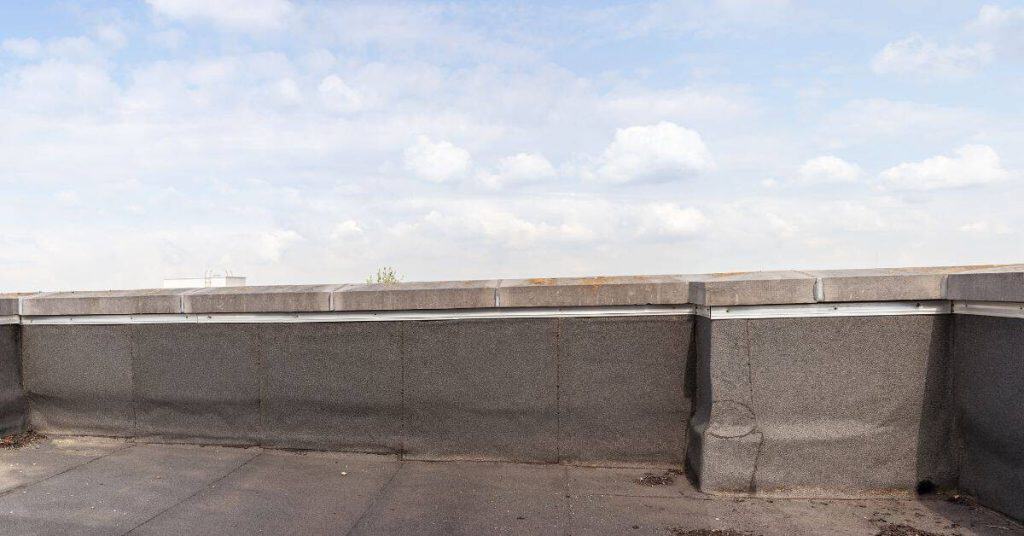
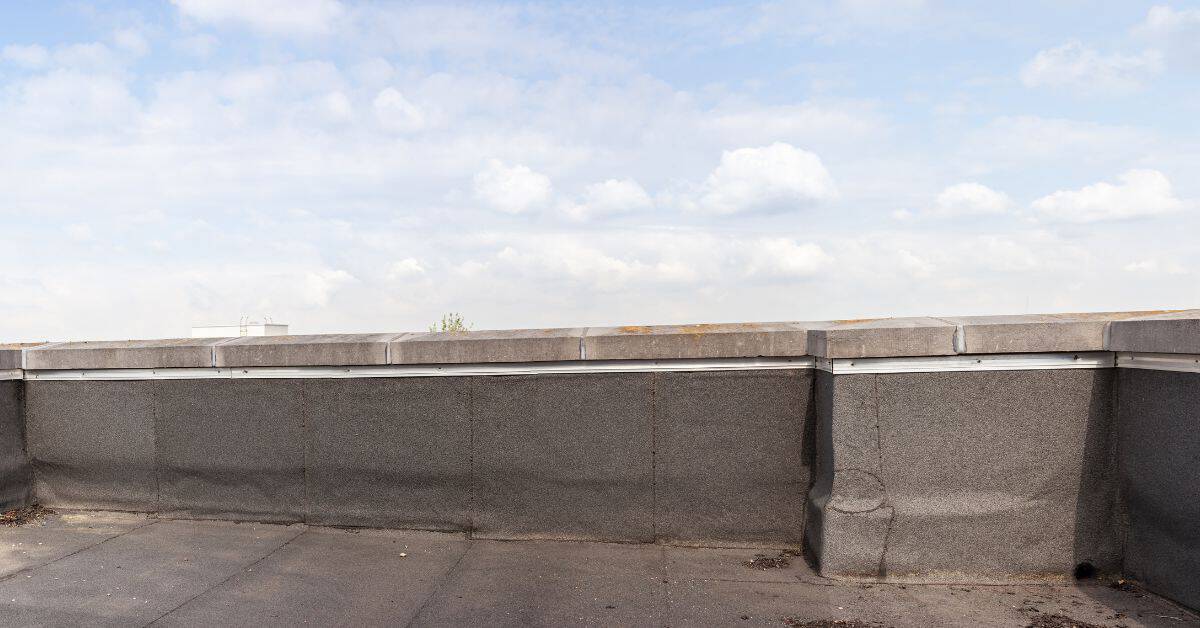
Apron flashing is a strip of metal or waterproofing material placed where a roof meets a wall. It directs water away from the joint and helps seal the transition so leaks don’t get in. This flashing sits at the edge where the roof and wall intersect, acting as a shield against water intrusion.
If you skip it or install it wrong, you’ll pay for it with leaks and rot. Doing it right makes the roof system last longer and keeps your interior dry even in heavy rain. Use the right type and install it properly, and check the product label for any specific instructions.
How apron flashing differs from other flashings (step, counter, drip)
Apron flashing is a specific type of metal or rubber barrier that sits below the roof edge and extends down the wall. It’s different from step flashing, which interlocks with shingles to cover vertical surfaces like walls. Unlike counterflashing, apron flashing doesn’t overlap another piece of flashing; instead, it lies flat against the wall surface.
Step flashing is often used at roof-to-wall intersections where water can easily seep in between materials. Counterflashing covers step flashing and provides an extra layer of protection by overlapping it with masonry or siding. Drip edges are simple metal strips that sit along the edge of a roof to direct water away from walls, but they don’t cover as much area as apron flashing.
Apron flashing is unique because it’s designed to protect large areas where water can pool and cause damage. It’s typically used in conjunction with other types of flashings for maximum protection against leaks at critical points like roof-to-wall junctions, chimneys, dormers, and valleys.
Where apron flashing is most effective
Apron flashing shines where water tends to accumulate and run down walls. It’s commonly used at roof-to-wall junctions, chimneys, dormers, and valleys—areas prone to leaks if not properly sealed.
At roof-to-wall intersections, apron flashing sits below the shingles and extends down the wall, creating a continuous barrier against water intrusion. This is crucial because these areas are often where wind-driven rain can get in.
Chimneys also benefit from apron flashing since they create large vertical surfaces that need protection from roof runoff. The same goes for dormers, which have complex angles and edges that can trap water if not properly flashed.
In valleys—where two sloping roofs meet—the apron flashing helps direct water away from the intersection where it’s most likely to accumulate. This is especially important during heavy rains when water can pool in these low spots.
Materials and profiles used for apron flashing
This section covers the common apron flashing materials you’re likely to see—galvanized steel, aluminum, lead, copper, and PVC—and what they do well or poorly for DIY projects. You’ll get a quick read on durability, ease of work, and long-term performance without wading through a pile of numbers. Each material has trade-offs you should know before you pick one.
Choosing the right metal or PVC matters because it affects how well your flashing keeps water out and how easy it is to install without damaging the wall or roof. The material you pick should fit your climate, your skills, and how you plan to seal and integrate with surrounding details. If you’re unsure, check the product label or datasheet for specifics and follow local guidance for safe handling and compatibility.
Thicknesses and profiles (L-shape, pan, custom bends)
The thickness of apron flashing depends on the roof pitch and type of siding. For a standard pitched roof with wood or vinyl siding, an L-shaped profile is usually sufficient. It’s easy to install and provides good water protection.
For steeper roofs or when dealing with brick or stone facades, consider using a pan profile. This deeper design helps channel water away from the wall more effectively. Custom bends are also available for tricky corners or unusual rooflines.
A common mistake is choosing too thin of material. A thicker gauge will resist bending and wear better over time. For most projects, 24-gauge galvanized steel works well. Thinner materials like aluminum can work but may need more maintenance to prevent warping.
Material specs and standards explained
The material you choose for apron flashing impacts durability, longevity, and overall performance. Each has its pros and cons based on local climate and building codes.
- Durability: Copper is highly durable but expensive. Look for 16-ounce per square foot thickness to ensure it lasts decades without corrosion.
- Corrosion resistance: Galvanized steel resists rust better than bare metal, especially in humid climates. Check the zinc coating percentage—more zinc means better protection against moisture.
- Local codes: Always check local building regulations before selecting materials. Some areas require specific types of flashing for fire safety or structural integrity reasons.
- Maintenance: PVC is lightweight and easy to install but can crack in extreme cold. Ensure it’s rated for your area’s temperature range to avoid issues later on.
- Bonding strength: Lead flashing is very flexible and adheres well to rough surfaces, making it ideal for complex rooflines. However, improper installation can lead to leaks due to its softness.
How to inspect and identify apron flashing issues
Inspect apron flashing by looking for obvious trouble signs. Check for rust, gaps, nail pull-out, and detachments that show water can get behind the siding. If you see any of these, plan for repair before water damage gets worse.
This matters because small flash-guard problems quickly lead to leaks and rot in the wall. Early detection lets you fix it with solid sealing or replacement before bigger, messier work is needed. Don’t ignore loosened nails or loose edges—address them now and keep the roofline dry.
Step-by-Step Process
This sequence helps you methodically inspect and identify apron flashing issues, ensuring safety and accuracy.
- Put on gloves and a mask. Check for loose nails or rust that could cause injury.
- Inspect the roof edge where the apron flashing meets the wall. Look for gaps or signs of water damage.
- Check under the siding near the flashing to see if there’s any moisture or staining, indicating leaks.
- Look at the nails securing the flashing. If they’re loose or missing, replace them immediately.
- Clean around the flashing with a wire brush and apply sealant in any gaps you find.
When to Repair Versus Replace
If damage is minor, like small rust spots or loose nails, repair it yourself. If the flashing is old and showing significant wear, consider replacing it.
For partial replacement, if only a section of the apron flashing is damaged, cut out the bad part and install new flashing. This saves time and materials compared to full replacement.
If you notice large gaps or extensive rusting across most of the flashing, it’s best to replace the entire piece to prevent further water damage.
Common Failure Causes (Installation, Settling, Weather)
Improper installation is a major cause of flashing failures. If laps are too short or not sealed properly, water can easily seep through.
Rapid temperature changes and thermal movement can also lead to cracks in the flashing over time. This happens when materials expand and contract differently.
Poor fastening methods, like using nails that aren’t long enough, can cause the flashing to pull away from the wall or roof during settling of the building structure.
DIY apron flashing installation overview
This section covers the full DIY workflow for a roof-to-wall apron. You start with planning and measuring, then move to fitting, sealing, and finishing. The goal is a watertight, neat apron that lasts.
You’ll see why careful planning saves mess and leaks later. Doing it step by step avoids backtracking and costly mistakes. Rely on good materials, follow the product label, and don’t rush bad joints.
Measuring, templating, and bending flashing
To start your apron flashing project, you need to measure the area where it will go. Use a tape measure to get precise dimensions of the wall and roof intersections. Mark these measurements clearly on paper or directly onto metal sheets.
Create templates from cardboard or thin plywood based on your measurements. These templates help ensure accuracy when cutting and bending the flashing material. Place them over the metal sheet, trace around them with a marker, then cut out using tin snips.
For bending the metal to fit properly, use hand tools like pliers or a brake if you have one. A brake is ideal for making clean bends at specific angles. If using hand tools, bend slowly and carefully until it fits snugly against the wall and roof edges.
Integration with shingles, siding, and underlayment
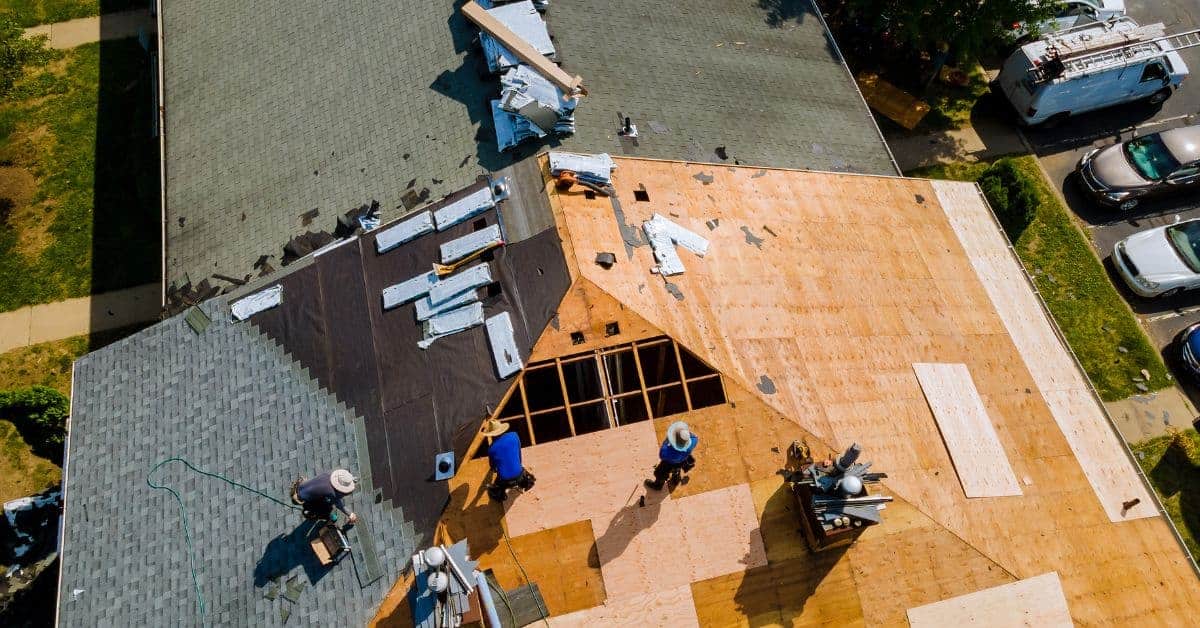
The key to a watertight assembly is proper layering of materials. Start by installing the underlayment over the roof deck before placing any flashing or shingles.
Next, position your apron flashing so it sits below the roofing material but above the siding on the wall. This ensures water flows down and away from both surfaces without seeping in.
When attaching flashing to the wall, make sure it overlaps the bottom edge of the siding by at least an inch or two. Use galvanized nails or screws to secure it firmly into place.
Tools and materials checklist for DIYers
This section gives a concise checklist of the tools, fasteners, sealants, and safety gear you need for common apron flashing jobs. It keeps to practical, ready-to-use items so you don’t miss basics on site. Follow the list and you’ll work cleaner and safer.
Having the right tools and materials matters because poor prep leads to leaks, rust, or visible flaws you’ll regret later. The notes below explain what each item does and why it’s worth having before you start. If you’re unsure about a product specification, check the label or datasheet for guidance.
Affordable tool substitutions and rentals
Before you start your apron flashing project, make sure you have the right tools. If you don’t own specialized equipment, consider renting or finding substitutes.
- Metal brake: Essential for bending metal sheets; rent one if needed to avoid mistakes in shaping.
- Hammer and nails: Use a hammer with roofing nails to secure flashing pieces; check that your hammer fits comfortably in hand.
- Soldering kit: For sealing joints, especially on copper or lead flashing; rent one if you don’t have experience soldering.
- Cutting shears: Snip metal sheets accurately with tin snips or aviation snips; ensure blades are sharp and clean cuts are made.
- Hacksaw: Cut through thicker materials like aluminum or galvanized steel; check that the blade is suitable for your material type.
- Tape measure: Accurate measurements save time and materials; double-check all dimensions before cutting.
- Safety glasses: Protect eyes from flying debris during cutting and hammering; wear them at all times when working with metal.
- Gloves: Prevent cuts and abrasions while handling sharp edges; choose gloves that allow dexterity but provide protection.
Quick rule: Rent or borrow specialized tools if you don’t own them, to avoid costly mistakes.
Fasteners, sealants, and adhesives that work best
Choosing the right fasteners and sealants is crucial for a watertight apron flashing installation. Here’s what you need to know.
- Roofing nails: Use galvanized or stainless steel; ensure they are long enough to penetrate through the flashing into the roof deck.
- Screws: Stainless steel or zinc-coated screws for metal flashing; check that screw heads fit your drill bit size.
- Butyl tape: For sealing joints and edges on metal flashings; apply evenly to prevent water intrusion.
- Silicone sealant: Versatile for various materials, but use OSI or equivalent for best results; check that it adheres well to all surfaces.
- Mechanical fasteners: For securing flashing around chimneys and skylights; ensure they are rust-resistant and securely anchored.
- Adhesive tape: Use on metal sheets where soldering isn’t practical; make sure it’s waterproof and UV resistant.
- Solder wire: Essential for sealing copper or lead flashing joints; check that you have enough to complete the job without interruptions.
- Roof cement: For patching small gaps in existing flashings; ensure it dries quickly and bonds well with surrounding materials.
Quick rule: Use appropriate fasteners and sealants based on material type to prevent leaks and damage.
Step-by-step DIY repair guide with troubleshooting tips
This guide walks you through a typical flashing repair: remove the damaged flashing, prep the surface, fit the new flashing, fasten it, and seal the joints. Follow the steps in order and check for gaps as you go. Keep the work clean and dry to avoid future leaks.
Doing it right saves water intrusion and costly damage later. A solid repair stops leaks and protects what’s behind the flashing. Take your time to clean, dry, and seal so the new flashing actually seals well.
Step-by-Step Repair Process
This sequence guides you through safely repairing apron flashing, from prep to final checks.
- Inspect the damaged area and mark it for removal. Ensure safety by wearing gloves and goggles.
Quick check: Marked area is clearly visible and safe to work on. - Remove old flashing carefully without damaging surrounding materials. Use a pry bar if needed.
Quick check: Flashing removed cleanly, no damage to shingles or siding. - Cut new flashing material to fit the marked area precisely using tin snips. Bend corners as necessary.
Quick check: New piece fits perfectly and matches existing angles. - Position new flashing in place, ensuring it overlaps properly with adjacent materials for water diversion.
Quick check: Flashing is correctly aligned and overlaps shingles/siding by at least 1 inch. - Secure the new flashing using appropriate fasteners. Use sealant around edges to prevent leaks.
Quick check: Fasteners are evenly spaced and flush, no gaps visible in sealant. - Inspect your work for any missed spots or potential leaks before cleaning up tools and debris.
Quick check: No loose pieces, all flashing is securely fastened and sealed.
Short-term fixes vs. permanent solutions
Temporary patches can buy time but won’t last long in harsh conditions. Use them only until a proper repair is made.
A patch of duct tape or caulk might stop immediate leaks, but it will degrade quickly and cause more damage over time.
To transition to a lasting solution, first clean the area thoroughly where you plan to install new flashing. This ensures better adhesion and prevents future issues.
Once cleaned, measure accurately for your replacement piece and fit it precisely as described in our step-by-step guide.
Avoid shortcuts that compromise long-term durability. While short-term fixes can seem tempting, they often lead to bigger problems down the road.
Weatherproofing and Leak Testing After Installation
After installing new apron flashing, it’s crucial to test for leaks. Use a garden hose to simulate rain and check for water intrusion.
Inspect the interior of your home around the affected area after testing. Look for any signs of moisture or dampness that indicate potential leaks.
If you notice any issues during this inspection, address them immediately by resealing or adjusting flashing as needed.
A final check involves ensuring all fasteners are tight and sealant is properly applied around edges. This step helps prevent future water damage and ensures your repair will hold up over time.
Cost, time estimates, and when to hire a pro
Here’s how to think about costs, time, and when a pro is a smart move. You’ll see ballpark ranges for materials and labor, rough timelines for common DIY tasks, and clear signs to call in an expert. When a number is needed but not provided, use a rule-of-thumb and check the label/datasheet.
Knowing when to DIY and when to hire saves time, money, and headaches on the job. Bad shortcuts show up as hidden costs or shoddy work later, so use professional help for complex tasks. If the project involves structural work, electrical, plumbing, or anything with safety risk, hire a pro.
Factors that increase complexity and cost
The roof pitch is a big factor. Steeper roofs are harder to work on, making the job more expensive due to safety concerns and increased labor time.
Multiple wall intersections add another layer of difficulty. Each corner requires careful flashing details to ensure proper water flow and prevent leaks. This complexity drives up both material and labor costs.
Historic homes often have unique materials that require specialized knowledge and tools, increasing the cost due to the need for rare supplies and expert skills. Additionally, adhering to local building codes can be more stringent in historic districts, adding another layer of compliance work.
Questions to ask a contractor if you hire out
Ask about the warranty on their work. A strong warranty shows confidence in their materials and craftsmanship, giving you peace of mind.
Inquire about specific flashing details they plan to use. Understanding these will help ensure proper water management and leak prevention.
Discuss the types of materials they intend to use. Quality materials are crucial for long-lasting performance and durability.
Lastly, ask how they approach waterproofing. A thorough method can save you from future headaches and costly repairs down the line.
Alternatives, upgrades, and long-term maintenance
This section covers alternatives you can use instead of traditional methods, like self-flashing products, preformed pan systems, and upgrading to tougher metals. These choices affect how long the job lasts and how much maintenance you’ll need.
Choosing the right option matters because it can reduce leaks and future repairs and make maintenance easier. Read product labels and follow safe DIY practices; if a spec isn’t clear, check the label/datasheet.
Preventive maintenance schedule and tips
To keep your apron flashing working well, it’s important to inspect it regularly. Aim for a quick check twice a year—once in the spring before storms hit and again in fall after leaves have fallen off trees.
During these checks, look out for any signs of wear like cracks or rust spots. If you spot anything, address it right away with some touch-up sealant or paint to prevent water damage. Also, make sure all fasteners are tight; loose screws can let in moisture and cause bigger problems down the line.
Seasonal tasks include cleaning out gutters around your apron flashing to ensure proper drainage. Use a garden hose to spray away any debris that might be clogging up the area. This simple step can save you from costly repairs later on.
Remember, regular maintenance is key to extending the life of your flashing and keeping your home dry and secure against the elements.
Environmental and aesthetic considerations
When choosing materials for your apron flashing, think about both looks and longevity. Copper or zinc are great choices because they develop a natural patina over time that blends well with many roof colors.
If you’re concerned about the environment, consider recycled metals like aluminum or stainless steel. These options not only reduce waste but also offer durability comparable to traditional materials.
For aesthetic appeal, match your flashing color closely with your roofing material for a seamless look. A slight contrast can also enhance curb appeal if done tastefully. Just make sure the finish complements your home’s overall style.
By choosing the right materials and finishes, you can achieve both beauty and sustainability in your apron flashing installation.
Conclusion
safety first and durable weatherproofing depend on getting apron flashing right where roof edge meets siding or deck. When done properly, it keeps water out, protects the structure, and your home looks finished.
Take this as a simple, logical sequence: inspect the area and note damage, gather the exact flashing profile and materials, clean and dry the surface, install with the correct slope and sealant, test for leaks with a light spray, then recheck after a rain. If you’re unsure about any step, review the materials and installation overview, lay out your tools and parts, and move step by step in that order until you’re confident.
Common mistakes to avoid are choosing the wrong profile or gauge, skipping the sealant or flashing tape, and rushing fasteners or overlaps. Don’t cut corners with safety—work from solid ground or a stable ladder, wear eye protection, and shut off any nearby utilities if you’re near connections. Do a small-area test first to verify fit and seal before committing to the whole run.
If you hit persistent leaks, a damaged roof edge, or you’re unsure about how to terminate flashing around vents or intersections, it makes sense to call a pro rather than pushing ahead. With clear measurements and a careful plan, you’ll finish strong and protect the family and the home for years to come. You’ve got this; next step is to pick your approach and start.
FAQ
What is apron flashing?
Apron flashing is a thin strip of metal or flexible material installed at the bottom edge of a roof where it meets siding. It helps shed water away from the wall and keeps water from seeping behind the trim. Use it whenever you have a roof overhang and siding below.
Where does apron flashing work best?
It works at the base of the roof overhangs and where the roof meets walls or siding. Install it where water runs off the roof and could leak into the wall line. It should be continuous and sealed to keep water out.
What are common mistakes to avoid?
Don’t skip the flashing on any exposed edge. Don’t leave gaps or don’t bend it wrong so water pools behind it. Don’t use the wrong material or forget to seal the joints.
DIY tips for installing apron flashing
Choose the right material for your climate. Measure accurately and cut with a metal snips or shears. Nail it in place with proper in-lace nails and seal the edges to keep water out.