
Introduction
Painting and wallpapering faster means finishing cleanly with smart prep and steady workflow, not rushing. This article speaks in plain terms about real, practical steps you can take on a DIY job site. It’s written for homeowners who want solid results without cutting corners.
Start by preparing the workspace: protect floors, remove obstacles, and set up a clear path for supplies. Choose materials and tools with durability in mind, and check labels for application guidelines. Evaluate wall condition first—patch holes, sand rough spots, and test for moisture before you begin, then use steady, consistent strokes for speed and quality.
Key takeaways
- Plan workflow from room to room, batch tasks to minimize trips and drying delays.
- Protect floors and fixtures early; use drop cloths and painter’s tape consistently.
- Inspect walls first: look for cracks, moisture, or peeling prior to any coating.
- Choose compatible primers, paints, and wallpapers; read labels for compatibility.
- Use speed-focused techniques: cut edges first, load roller evenly, and back-roll for uniform finish.
- Safety: wear respirators when sanding, and vent the space to avoid fumes buildup.
Table of Contents
- Introduction
- Key takeaways
- Quick Planning and Time Management
- Tools and Materials Checklist
- Room Preparation and Protection
- Wall Evaluation, Repair, and Priming
- Painting Techniques for Speed and Quality
- Wallpapering: Preparation and Efficient Application
- Finishing, Cleanup, and Maintenance
- Safety, Budgeting, and Common Pitfalls
- Conclusion
- FAQ
Quick Planning and Time Management
Start with a simple pre-project blueprint that outlines the main phases: prep, surface work, priming, painting, and cleanup. Assign rough durations to each phase so you can see a quick at-a-glance schedule. Keep the plan flexible to accommodate surprises without derailing the whole job. Outline dependencies so each step flows into the next and minimizes idle time between tasks.
Because drying and curing times vary with product and climate, always check the product label, climate conditions, and surface porosity. Build in a small buffer between coats as a rule of thumb and adjust based on real-time observations. Create a lightweight, copy-ready checklist that covers materials, tools, and safety gear for each phase, plus a simple timeline you can adapt on-site. Include notes for weather windows, ventilation, and rapid cleanup to keep momentum without sacrificing quality.
Define project scope and schedule
Start by breaking down your painting or wallpapering job into clear phases. This helps you visualize the work ahead and plan your time effectively.
Realistic Phases: Divide your project into prep, surface work (repairs, sanding), priming, main application, and cleanup. Be honest about what needs to be done – don’t skip steps to save time.
Factor in Ventilation and Drying Time: Consider how long you’ll need for ventilation after applying each coat or hanging wallpaper. Check product labels for drying times and adjust your schedule accordingly. Remember, faster isn’t always better; quality should never be compromised.
Don’t fall into the trap of optimistic timing. Pad your schedule with extra time to account for unexpected delays. It’s better to finish early than rush through work.
Prioritize tasks for efficiency
Efficient task sequencing can save you hours of time and reduce rework. Here’s a suggested order:
Preparation: Start by addressing any repairs, filling holes, or sanding surfaces. This ensures a smooth base for your paint or wallpaper.
Priming: Next, apply primer to seal the surface and improve adhesion. Priming also helps with color coverage and reduces the number of coats needed.
Edges and Details: Before rolling on the main application, cut in along edges using a brush. This ensures clean lines and prevents paint from getting where it shouldn’t.
Main Application: Now you can roll on the main color or apply your wallpaper. Work from top to bottom, following the manufacturer’s instructions for best results.
Finishes: Once everything is dry, touch up any missed spots and apply any final finishes like trim paint or caulking.
Delegate and batch work
Don’t be afraid to ask for help when you need it. Hiring professionals or enlisting friends can speed up your project significantly.
Hire Help: Consider hiring painters or wallpaper hangers for large jobs or complex tasks. They have the experience and tools to get the job done faster and with better results.
Batch Similar Tasks: If you’re painting multiple rooms, consider doing all the prep work in one room before moving on to the next. This way, you’re not constantly setting up and tearing down ladders or covering furniture.
Combine Rooms: If possible, paint adjacent rooms at the same time. This allows you to keep one door open for ventilation while painting the other room, speeding up drying times.
Remember, quality should always be your top priority. While delegating and batching tasks can save time, it’s important not to compromise on the final result.
Tools and Materials Checklist
Core painting toolkit: rollers, brushes, tray, edger or corking tool, drop cloths, painter’s tape, masking film, stir sticks, paint tray liners, and a ladder or step stool. Note when to choose foam versus natural bristle brushes based on finish and surface. Wallpaper essentials: utility knife, straight edge, smoother or butter knife, seam roller, wallpaper brush, adhesive or pre-pasted options, scoring tool for non-prepared wallpaper, and a drywall sponge for cleanup.
Prep and surface materials: primer or sealer recommendations, oil versus water-based, compatible drywall compound or spackle, patching products for concrete surfaces, cleaners or deglosser, and moisture barriers if needed. Selection tips cover mid-range versus pro-grade tools, durability indicators, and budget-smart substitutes. Optional high-impact add-ons include a paint shield, extension poles, respirators, knee pads, ergonomic tools, and a simple tool organizer to keep workflow smooth.
Essential Painting Tools
Before you start, make sure you have these essentials to ensure a smooth paint job.
- Rollers: Choose nap size based on surface texture: 1/4″ for smooth surfaces, 3/8″ or 1/2″ for textured ones. Synthetic rollers are versatile and durable.
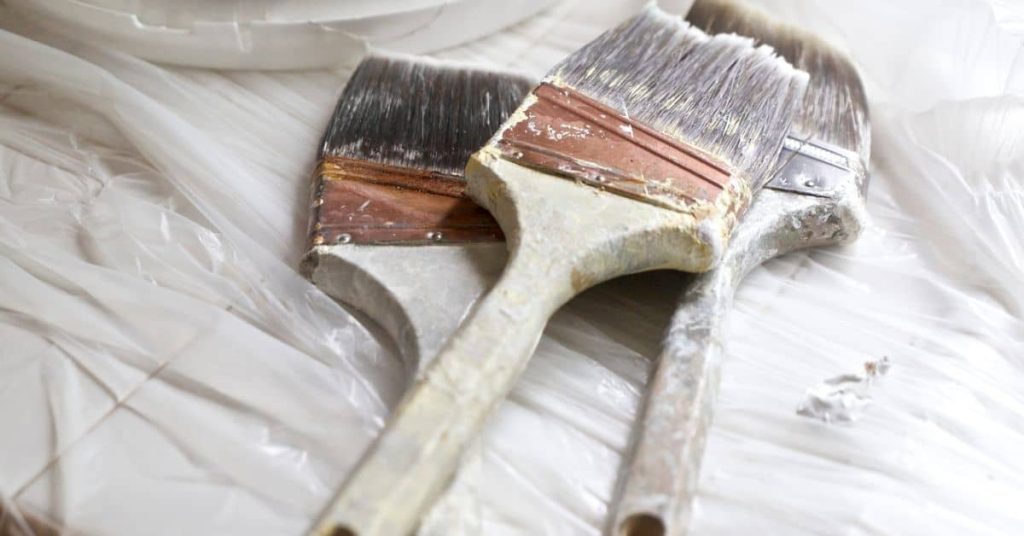
- Brushes: Foam brushes are great for cutting-in edges; natural bristle brushes are better for oil-based paints due to their ability to hold more paint.
- Tray: A good tray ensures easy paint application and minimizes drips. Choose one with a built-in liner for quick cleanup.
- Edger/Corking tool: This helps create clean, straight lines along edges and trim.
- Drop cloths: Protect your floors from spills with canvas or plastic drop cloths.
- Painter’s tape: Use it to mask off areas you don’t want painted. Press down firmly to prevent paint bleeding.
- Masking film: Protect windows, light fixtures, and other non-paintable surfaces with this plastic sheeting.
- Stir sticks: Stir your paint thoroughly before use to ensure even color distribution.
- Extension poles: These help you reach high ceilings and walls without needing a ladder. They’re especially useful for large areas.
Quick rule: Always check your tools before starting. Damaged or missing items can slow down your work and impact the final result.
Wallpapering Tools and Adhesive Options
Gather these essentials for a successful wallpapering project.
- Utility knife: A sharp blade is crucial for cutting wallpaper precisely. Replace blades often to maintain sharpness.
- Straight edge: Use this to guide your utility knife and ensure straight cuts.
- Wallpaper smoother/butter knife: This tool helps smooth out air bubbles and ensures even adhesive contact with the wall.
- Seam roller: Roll seams gently but firmly to remove excess adhesive and create a tight bond between paper strips.
- Wallpaper brush: Use this to apply paste evenly onto the back of your wallpaper, ensuring full coverage.
- Wallpaper adhesive or pre-pasted options: Choose an adhesive that’s compatible with your wallpaper type. Pre-pasted papers are convenient but may require additional adhesive for better hold.
- Scoring tool (if using non-prepared wallpaper): This helps you score the paper, making it easier to fold and cut along seams.
- Drywall sponge: Use this to clean up any excess adhesive or paste after hanging your wallpaper.
Quick rule: Always match your tools with the type of wallpaper you’re using. The wrong tool can damage the paper or leave visible seams.
Consumables and Extras to Keep on Hand
Stock up on these items to avoid delays and ensure a smooth workflow.
- Masking tape: Have extra rolls on hand for touch-ups or unexpected masking needs.
- Patching compound: Always keep some spare drywall compound or spackle for any last-minute repairs.
- Cleaning rags: Old t-shirts or shop towels are great for wiping up spills and cleaning tools.
- Buckets: You’ll need these for paint, paste, water, and cleanup. Have a few on hand to keep your workspace organized.
- Spares (paint, adhesive, etc.): Buy extra supplies in case you run out or make a mistake. It’s better to have too much than not enough.
- Respirator/mask: A spare can come in handy if your current one gets dirty or damaged during the project.
- Knee pads/ergonomic tools: These help reduce strain and fatigue, allowing you to work longer without discomfort. Have spares for helpers or family members pitching in.
Quick rule: Having extras on hand ensures you won’t be held up by running out of supplies mid-project. It also allows you to correct any mistakes without delay.
Room Preparation and Protection
Define the scope by clearing furniture, protecting fixed fixtures, and evaluating surfaces to decide which prep tasks are needed. Identify what can stay and what must move to keep the space efficient. Plan a sequence that reduces back-and-forth and protects finished areas as you go.
Protective measures include masking tape placement, floor-to-ceiling drop cloths, painter’s plastic, and securing edges to prevent splatter. Create a dedicated staging area with a trash tote, tool bins, and a drop-site for used materials. Establish clean entry and exit paths and ensure proper ventilation to manage fumes and dust throughout the job.
Clearing and staging the room
Start by moving all movable furniture out of the room. If some pieces can’t be moved, cover them with drop cloths to protect against paint splatter.
Create a dedicated staging area near the entrance of the room. Use a large tote for trash and paint supplies, plastic bins for tools, and a drop-site for used materials. This keeps everything organized and within reach, speeding up your workflow.
Evaluate surfaces in the room to decide which prep tasks are required. Mark any areas that need extra attention with painter’s tape or notes.
Masking and covering surfaces
Use masking tape to protect baseboards, outlets, trim, and switches. Press down firmly on the edges to prevent paint from seeping underneath.
For drop cloths, go floor-to-ceiling if possible. This protects your floors and makes cleanup easier. Secure drop cloths with tape or weights to keep them in place.
Be mindful of how much tape and plastic you use. Too much can be a hassle to remove later, so only use what’s necessary.
Don’t forget to cover any vents or heat registers to prevent dust from circulating throughout the house during sanding or wallpapering.
Lighting and ventilation setup
Set up temporary lighting if the room is dark. This could be as simple as a few work lights or clamp lamps. Good lighting helps you see better, reducing mistakes and speeding up your work.
Ensure proper ventilation to manage fumes and dust. Open windows if weather permits, or use fans to blow air out of the room. If sanding or using adhesives, consider wearing a respirator for your safety.
Minimize foot traffic through the room while painting. Establish clean entry/exit paths to keep the workspace tidy and prevent accidents.
Wall Evaluation, Repair, and Priming
Do quick wall-condition checks for moisture, efflorescence, cracks, bulges, peeling paint, and prior coatings. Note differences between concrete and plaster and how they affect adhesion and repair approaches. Prioritize repairs by impact on finish and recoat frequency, starting with moisture-related issues.
Outline a surface preparation workflow: dust and dirt removal, any needed skim coat or patching, and fast-dry options to maintain momentum. When selecting primers, choose bonding or sealer appropriate for concrete or masonry and consider stain-blocking for patched areas. For wallpaper, pick a suitable primer if adhesive-backed coverings are planned, and perform a quick adhesion test on representative spots to decide on extra coats if needed.
Rapid wall condition checklist
Before starting any painting or wallpapering project, run through this quick checklist to assess your walls’ condition. It’ll help you catch potential issues early and avoid costly mistakes.
- Moisture: Check for damp spots or musty smells. Moisture can cause adhesion problems and promote mold growth.
- Efflorescence: Look for white, powdery deposits on the surface. These are signs of excess moisture in concrete or masonry walls.
- Cracks: Inspect for hairline cracks or larger gaps. Some may need repair before painting or wallpapering.
- Bulges or bubbles: Check for any warped or bowed areas, which could indicate structural issues.
- Peeling paint: If paint is peeling, scrape it off and sand the area smooth. This ensures good adhesion of new paint or wallpaper.
- Previous coatings: Identify what type of paint or wallpaper was previously used. Some may require special preparation.
- Texture inconsistencies: Note any areas with different textures, as these might need extra attention during prep work.
- Old wallpaper: If removing old wallpaper, ensure it’s completely stripped and the surface is smooth before priming.
Quick rule: If you find extensive damage or signs of structural issues, consult a professional before proceeding.
Efficient patching and sanding workflow
Patching and sanding are crucial steps in preparing your walls for painting or wallpapering. Follow this efficient workflow to minimize repeat work and keep your project on track.
Start by filling any holes, cracks, or indentations with a suitable patching compound. For concrete or masonry surfaces, use a fast-drying, stain-blocking option like an acrylic-based filler.
Once the compound is dry, lightly sand the patched areas using fine-grit sandpaper (120-220 grit). This helps create a smooth surface for better adhesion of paint or wallpaper. Be sure to wear a dust mask and safety glasses during sanding.
After sanding, vacuum and wipe down the walls with a damp cloth to remove any remaining dust. This ensures a clean surface for priming and prevents dust from getting into your primer or paint.
Priming choices and when to prime
Priming is an essential step in preparing walls for painting or wallpapering. It helps achieve better coverage, prevents tannin bleed (especially on wood surfaces), and improves adhesion.
For concrete or masonry surfaces, choose a bonding primer-sealer that’s designed to work with these materials. These primers create a stable surface for paint or wallpaper adhesive to bond with, reducing the risk of peeling or delamination.
If you’re applying new paint over previously painted surfaces, a standard primer will usually suffice. However, if you’re painting over new drywall, patched areas, or stains, consider using a stain-blocking primer to prevent discoloration from bleeding through your topcoat.
When wallpapering, use a primer designed for wallpaper specifically. This helps create a better bond between the wall and the wallpaper, reducing the risk of peeling or bubbling over time. Always follow the manufacturer’s recommendations for specific product usage.

Painting Techniques for Speed and Quality
For cutting-in, select the right angled brush and prep edges with tape or shields. Use dampening tricks to reduce brush drag and develop a repeatable motion that reduces edge cleanup. Plan your moves to minimize stopping points and keep lines clean as you begin each stroke.
Roll with speed yet avoid halos by choosing the proper roller nap for the surface and using correct loading. Use a consistent S or W pattern and a light back-roll to smooth ridges. Switch between brush and roller as needed, maintain a straight stroke, and feather edges to prevent obvious joins. Keep a steady wet edge and work in uniform sections to prevent lap marks while staying efficient with room preparation and cleanup routines.
Fast, clean cutting-in methods
Start with a good angled brush. It’s your best friend for sharp edges.
Dampen the edge before you start. This reduces drag and helps maintain a crisp line.
Use a steady, repeatable motion. Hold the brush at a 45-degree angle to the wall. Pull it towards you, following the edge. Keep your wrist firm but flexible.
Maintain your tools. Clean them well after each use. Replace bristles when they fray. A well-maintained brush gives you clean lines every time.
Rolling strategy and minimizing lap marks
Choose the right roller nap for your surface. Smooth walls need short naps, textured ones need longer.
Load your roller evenly. Dip it into the paint, then roll it on a tray until it’s covered but not dripping.
Maintain a wet edge. Work in sections, overlapping each pass by about half the roller width. This prevents lap marks.
Use an ‘M’ or ‘W’ pattern for even coverage. Start at the top of the wall and work your way down. Back-roll to smooth out any ridges.
Brushwork and smoothing strokes
Load your brush properly. Dip it into the paint, then tap off excess on the lip of the can.
Feather out edges to avoid harsh lines. Start with a heavy load at the edge, then lighten as you move towards the center.
Use light, smooth strokes for finishing. Work in the direction of the grain or pattern. Don’t over-brush; it leaves marks and uses more paint.
Remember, less is more with brushwork. A light touch gives a smoother finish.
Wallpapering: Preparation and Efficient Application
Start with a pre-install assessment of wall health, addressing moisture, cracks, or stubborn adhesive. Decide whether to strip existing wallpaper or prepare the surface with sizing or primer to improve adhesive grip. Plan repairs or patching before hanging to avoid rework.
Surface preparation focuses on thorough cleaning, smoothing holes, and ensuring a flat plane. Test a small area to confirm adhesive acceptance. Layout and measurement should be precise: document pattern repeat, determine roll length needs, and mark drop lines with a durable guide to prevent misalignment. Cut strips longer than needed, label in order, and manage waste thoughtfully to speed installation.
Surface prep specific to wallpaper
Before hanging new wallpaper, ensure your walls are ready. Remove old coverings completely. Use a scraper or steamer for tough spots.
Fill any holes with joint compound. Sand smooth once dry. Flat surfaces help prevent bubbles and adhesion problems.
Apply lining paper or primer to seal the surface. This prevents moisture from causing bubbles under your new wallpaper. Let it dry before proceeding.
Layout, pattern matching, and cutting tips
Start by measuring room perimeter. Determine how many rolls you need. Check pattern repeat and direction.
Mark drop lines with a durable chalk or pencil guide. This helps keep your pattern aligned. Stagger vertical seams for bold patterns to avoid visible repeats.
When cutting, add extra length for trimming. Label strips in order. Plan waste by cutting around outlets and trim first.
Applying, smoothing, and seam finishing
Choose the correct adhesive for your wallpaper type. Apply evenly to either the wall or wallpaper. Align strips using a plumb line or level.
Start at a corner or straight edge. Align patterns before strike-joining. Smooth with a wallpaper brush/roller to remove air bubbles.
Trim excess at edges carefully. Wipe away excess paste promptly to prevent curdling. Check for trapped air or misalignment as you go.
Finishing, Cleanup, and Maintenance
Focus on finishing touches and edge-work with quick touch-ups, clean lines, and seamless caulking or sealant when repainting or wallpapering. Develop a short, room-by-room cleanup routine that keeps the space tidy and ready for the next step. Address any visible joins or feathered edges before calling a finish complete.
Plan an efficient cleanup workflow that moves from prep to paint to wallpaper, with rapid tricks for rinsing pails, trapping dust, and stacking tools. Take care of tools and storage by cleaning brushes and rollers, preserving open cans, and labeling for easy reuse. Store leftovers and waste properly and outline a maintenance plan for long-lasting results, including quick inspection checks and a simple touch-up cadence.
Efficient Cleanup Routine
Start by tackling the messiest areas first. This means removing drop cloths, scraping off excess paint or adhesive from surfaces, and collecting any debris.
Tip: Use a damp sponge to wipe down walls before they dry. This prevents stains from setting in.
Next, clean your tools. Rinse brushes and rollers under running water until the water runs clear. For paint, use soap and warm water. For wallpaper adhesive, use a mild detergent.
Tool Maintenance and Storage
Proper care of your tools ensures they’ll last longer and perform better when you need them next.
- Clean brushes: Rinse with water immediately after use. For oil-based paints, use paint thinner or mineral spirits. Let dry naturally in a well-ventilated area.
- Store paint: Seal tightly with an airtight lid or plastic wrap. Store upright in a cool, dry place away from direct sunlight and heat sources.
- Preserve adhesives: Keep the container sealed when not in use. Store in a cool, dry area out of reach of children and pets.
- Label tools: Use masking tape and a marker to label your tools with their purpose and size. This helps you find what you need quickly and keeps tools organized.
- Store tools properly: Store brushes and rollers in a dry place, off the ground. Consider using a tool caddy or pegboard for easy access.
Lightweight Touch-Up and Inspection Checklist
Use this checklist after a few months, or whenever you notice minor damage to your walls.
- Check edges: Look for peeling paint or wallpaper. Touch up with a small brush if necessary.
- Inspect corners: Check for cracks or chips. Fill with spackling compound and sand smooth if needed.
- Examine moisture: Look for water stains, which could indicate a leak. If found, address the source of the leak immediately.
- Check for scuffs: Lightly sand and touch up any scuffed areas with paint.
- Inspect light switches and outlets: Ensure they’re securely fastened and functioning properly.
Quick rule: The sooner you catch and fix minor issues, the less likely they are to become major problems down the road.
Safety, Budgeting, and Common Pitfalls
Outline safety measures, including PPE, ventilation needs, ladder or scaffolding use, electrical checks, and site hazards like dust or fumes. Include a quick risk assessment and an emergency plan. Stay mindful of lead-painted surfaces where relevant and follow local regulations for protection and cleanup.
Cover prep and conditions for concrete walls, focusing on moisture assessment, efflorescence, crumbling surfaces, patching, and priming requirements. A well-executed prep saves time and prevents failures later in the project. Use a budgeting framework to separate material costs from labor, and consider bulk purchases or tool reuse to stay on track. Include simple decision trees for skipping steps without compromising quality and quick transitions between painting and wallpapering to speed throughput. List common pitfalls and time-savers to prevent rework and keep the job moving forward.
Safety best practices
Your safety and the longevity of your project depend on following these guidelines.
Ventilation: Ensure proper airflow to keep fumes at bay. Open windows, use fans, or consider a temporary ventilation system for enclosed spaces.
PPE: Wear gloves, goggles, and a respirator when handling paints and adhesives. Clothing should cover your skin and be comfortable yet durable.
Ladders and electrical safety: Inspect ladders before use, maintain three points of contact while climbing, and avoid using near power lines or outlets. Test walls for live wires before drilling or nailing.
Budgeting and cost-saving choices
Striking the right balance between quality and affordability is key to a successful project.
Invest wisely: Spend more on tools you’ll use often, like paint sprayers or high-quality brushes. Save on disposables like drop cloths or painter’s tape.
Save where you can: Buy in bulk for materials you’ll use throughout the project. Reuse tools across tasks to minimize purchases.
Hire professionals judiciously: Consider hiring for complex tasks, like electrical work or heavy lifting. For simpler jobs, DIY can save money and provide a sense of accomplishment.
Common DIY pitfalls and how to avoid them
Avoid these common mistakes to keep your project on track and looking great.
- Insufficient prep: Skimping on surface preparation can lead to poor adhesion, peeling, or cracking. Always clean, prime, and patch surfaces before painting or wallpapering.
- Rushing drying times: Allow adequate curing time for paint and adhesive. Rushing can result in bubbling, warping, or uneven finishes.
- Mismatched materials: Use the right primer, paint, and adhesives for your surface and conditions. Concrete requires specific products to ensure longevity.
- Poor edge treatment: Cut-in lines should be clean and even. Take your time at edges to avoid sloppy results.
By being aware of these pitfalls and taking preventive steps, you’ll minimize rework and enjoy a successful project.
Conclusion
Finish with confidence by following a steady, safe workflow that protects the work and your walls, so the result looks durable and clean for years to come.
Now: confirm the room plan and schedule, gather and lay out tools and materials, protect floors and furniture, test wall conditions in a small area, repair and prime as needed, set up the painting and wallpapering sequence for speed and quality, and plan for safe cleanup and storage when you’re done. Do each step in order, and keep the job moving without rushing risky steps.
Common mistakes to avoid are skimping on surface prep, skipping patching, or skipping a test patch and color/ wallpaper fit; never rush priming or sealing and always ventilate, wear a mask and eye protection, and clean spills promptly. If you’re unsure about wiring, structural issues, or removing stubborn wallpaper, call a pro rather than pushing ahead. When you stick to the plan, you stay safe, protect the investment, and finish with a professional look—and that’s what pays off in the long run.
FAQ
What should I do to prepare the workspace before painting or wallpapering?
Clear the room of furniture or move it to the center. Cover floors and any remaining items with drop cloths or plastic sheeting. Keep a clear path for tools and waste to avoid tripping and spills.
How do I choose the right materials and tools for speed and quality?
Read the label on each product for coverage and drying guidance. Use the tools recommended by the manufacturer, and pick a batch that matches the project so you don’t run into finish differences. When in doubt, ask at the paint or home center for a blunt, no-frills recommendation.
How can I assess wall condition before starting to paint or wallpaper?
Look for cracked, loose, or damp areas and fix them first. Test for adhesion by pressing with your hand or a putty knife and watch for soft spots. If you see poor substrate or stains you can’t remove, address those issues before you proceed.
What are quick, reliable painting techniques and wallpaper tips to save time?
Use long, steady strokes and maintain a wet edge to minimize touchups. For wallpaper, prep the surface well and use the correct adhesive as directed, applying only as much as needed to avoid squeeze and bleed. Don’t rush through seams; press firmly and align edges carefully to prevent gaps.