
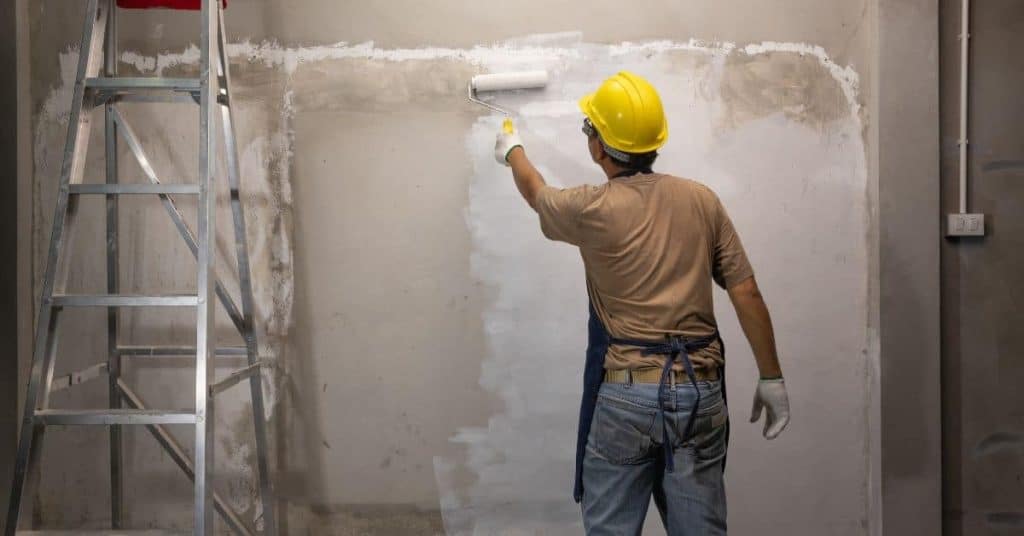
Introduction
Sealing hairline cracks before painting means filling and smoothing tiny cracks in a concrete wall so the paint won’t show through. Start by cleaning the crack and removing dust, then pick a filler recommended for concrete and apply it according to its instructions. Let the filler cure as directed and lightly sand smooth if needed before painting.
Check the product label or manufacturer instructions for drying and sanding guidance, and test a small area first if you’re unsure. When the crack is fully set, you can prime and paint the wall like you planned, ensuring the surface is clean and dry beforehand. If in doubt, ask a hardware store for the right filler and follow local rules or guidelines for interior concrete finishes.
Key takeaways
- Check crack type early to choose appropriate repair method and product.
- Clean and dry the area thoroughly to ensure proper adhesion and finish.
- Apply painter’s tape to limit repair material onto surrounding substrate during work.
- Sand feather edges smoothly after repairs to prevent print-through under paint.
- Prime with suitable masonry primer before painting to minimize stain transfer.
- Wear eye and skin protection; keep workspace clean to avoid accidents.
Table of Contents
- Introduction
- Key takeaways
- Diagnose the Crack: Hairline Versus Structural
- Tools and Materials Checklist
- Surface Preparation: Cleaning and Assessing Substrate
- Step-by-Step Repair Methods for Hairline Cracks
- Finishing: Sanding, Feathering and Blending Repairs
- Priming and Painting to Prevent Print-Through
- Troubleshooting and Common Mistakes to Avoid
- Visual Checkpoints, Testing Repairs, and Long-Term Maintenance
- Conclusion
- FAQ
Diagnose the Crack: Hairline Versus Structural
Hairline cracks are small and shallow. Look for consistent width and a single plane across the surface.
If the crack widens with pressure or changes shape over time, it may signal a structural issue. Check for patterns such as spreading cracks or cracks that follow joints or rebar lines. Verify with product labels, manufacturer instructions, or local codes if unsure.
Visual and tactile signs of hairline cracks
Hairline cracks on your concrete wall are thin, usually less than 1/8 inch wide. They’re mostly surface-level issues, not deep.
Look for cracks that don’t seem to go all the way through the concrete. If you can’t see any daylight through them, they’re likely hairline.
Feel along the crack with your fingers. Hairline cracks shouldn’t feel like they’re displacing or moving the concrete. If it feels spongy or gives, stop and re-evaluate.
Common causes of hairline cracks
Hairline cracks happen due to various reasons. The most common are:
Shrinkage: Concrete shrinks as it dries, which can cause tiny cracks.
Minor settlement: Small movements in the foundation or base of your wall can lead to hairline cracks at the surface.
Thermal cycling: Changes in temperature cause concrete to expand and contract, leading to fine cracks. Surface crazing, which is a web of tiny cracks, can also occur due to this.
When to call a professional
While hairline cracks are usually harmless, there are signs that indicate you should get an inspection before attempting repairs:
Widening cracks: If the crack is getting wider over time, it could be a sign of structural issues.
Water infiltration: If water is seeping through the crack, it’s not just a surface issue anymore. This can lead to bigger problems like mold or foundation damage.
Misalignment: If parts of your wall are starting to lean or misalign, this could indicate structural problems that need professional attention.
Tools and Materials Checklist
Gather common hand tools, a clean brush, and a putty knife. Have a proper container for mixing repairs and a damp cloth for cleanup.
Read product labels to confirm compatibility with concrete and paint. Look for guidance on surface prep, cure time, and application method. If anything is unclear, consult the manufacturer instructions or your local building authority.
Essential tools
Before you start, make sure you have these tools on hand. They’ll help you prep the surface and apply the sealant.
- Wire brush: To remove loose concrete and dust from cracks.
- Scraper: For cleaning out deep or wide cracks.
- Caulk gun: Essential for applying sealants.
- Putty knife: Useful for spreading and smoothing sealant.
- Sandpaper (120-grit): To lightly sand the surface after filling cracks.
- Cleaning supplies (soap, water, cloth): For cleaning the wall before sealing.
- Optional: Angle grinder or oscillating tool: For larger jobs where you need to widen or deepen cracks.
- Tape measure and pencil: To mark and measure cracks for filling.
Quick rule: Don’t skip cleaning. Dirt undermines adhesion.
Repair materials and how to choose them
Select the right filler for your crack’s size and type. Here’s what to consider:
- Elastomeric sealants: Flexible, good for hairline cracks (1/8″ – 1/4″). Check flexibility on label.
- Acrylic caulks: Paintable, versatile. Check adhesion and paintability.
- Brush-on fillers: Good for wider cracks (1/4″ – 3/8″). Check flexibility and VOCs (lower is better).
- Cementitious patch: Strong, rigid. Use for larger cracks (>1/2″) or structural repairs.
Quick rule: Match the filler’s flexibility to the crack size. Too stiff = cracking; too soft = sagging.
Safety gear and prep supplies
Protect yourself and your surroundings before you start working:
- Work gloves: To protect hands from sharp edges and chemicals.
- Eye protection (safety glasses or goggles): Shield eyes from debris and splashes.
- Dust mask or respirator: Protect lungs from dust when sanding or grinding.
- Drop cloths or plastic sheets: To protect nearby surfaces from sealant drips.
- Painter’s tape: For masking off areas you don’t want to seal.
- Old clothes: Wear something you can get dirty in.
Quick rule: Safety first. Don’t start work without proper protection.
Surface Preparation: Cleaning and Assessing Substrate
Remove loose material from the crack edges with a scraper. Brush away dust and debris until the area feels clean.
Check that the substrate is sound and dry. If moisture or instability is present, address it before proceeding. Refer to product data sheets or manufacturer guidance for acceptable dryness standards.
Cleaning techniques for concrete
Start by removing any loose material from the surface using a stiff-bristled brush. This helps to improve adhesion of the sealant.
Efflorescence, that white powdery substance, needs to go too. Use a degreasing agent or a mixture of water and muriatic acid (1 part acid to 5 parts water) to clean it off. Rinse well afterwards.
Laitance, the weak, fuzzy layer on new concrete, should also be removed. Scrape it off with a sharp tool, then brush again to ensure the surface is smooth and ready for sealing.
Checking moisture and surface conditions
Before you start, check if your concrete is dry enough. A quick way is to tape a piece of plastic on the wall overnight. If it’s damp in the morning, wait until it dries.
Temperature matters too. Most sealants work best between 50°F and 90°F (10°C and 32°C). Check your product instructions for specifics.
Why is this important? Moisture can ruin your repair job, and extreme temperatures can affect the sealant’s performance.
Making the crack accessible
For hairline cracks, you might not need to do anything. But if it’s wider than a credit card, consider slightly enlarging it with a chisel and hammer or a rotary tool.
Why? A wider opening allows the filler to penetrate deeper, creating a stronger bond. But be careful: overcutting fine hairline cracks can weaken the concrete.
Use a straight edge as a guide for your chisel. Tap gently, working from both sides of the crack. If you’re using a rotary tool, go slow and steady.
Step-by-Step Repair Methods for Hairline Cracks
Choose a repair option that matches the crack size and your materials. Start with a simple filler or crack resin as appropriate.
Follow the product instructions for mixing, applying, and curing. Work in small sections to control feathering and avoid overfilling. If you are unsure, verify method recommendations on the label or with the manufacturer.
Step-by-Step Repair Process
Follow these practical steps to repair hairline cracks in your concrete wall before painting.
- Wear safety gear and prep the area. Safety glasses, gloves, and a dust mask are essential.
- Inspect the crack. Ensure it’s a hairline crack and not structural. If unsure, consult a pro.
- Clean the crack. Use a wire brush or vacuum to remove debris. A light sanding may help too.
- Moisten the crack (if dry). Use a damp cloth, not soaking wet. This helps the filler bond better.
- Apply filler. Use a putty knife or trowel for cement-based fillers, or a brush for liquid ones. Fill the crack, then tool it smooth.
- Let it cure. Follow the manufacturer’s guidelines for drying times. Keep the area moist if needed.
- Sand and clean up. Lightly sand any high spots, then vacuum and wipe clean.
- Inspect your work. Ensure the crack is fully filled and the surface is smooth and ready for painting.
Brush-on and penetrating fillers
Liquid or brush-on fillers are ideal for fine hairline cracks. They penetrate deep into the crack, providing a strong bond.
Preparation: Ensure the surface is clean and dry. Lightly sand if needed.
Application: Using a paintbrush, apply the filler along the length of the crack. Work it in with gentle strokes. Fill the crack, then tool it smooth.
Curing: Allow the filler to cure according to the manufacturer’s instructions. Keep the area moist if required.
Flexible sealants and caulks
Acrylic or elastomeric caulks are great for hairline cracks. They’re flexible, paintable, and easy to apply.
Preparation: Ensure the crack is clean and dry. Use a backing rod if the crack is wide (over 1/8 inch).
Application: Cut the caulk tube tip at a 45-degree angle. Apply a smooth bead along the crack using steady pressure. Tool it smooth with a damp finger or tool.
Finishing: Allow the caulk to dry according to the manufacturer’s instructions. Sand any high spots lightly, then wipe clean and paint.
When to use epoxy, injectable, or cementitious repairs
Epoxy and injectable repairs are strong but usually unnecessary for hairline cracks. They’re used for larger cracks or structural issues.
Epoxy: Used when a stronger bond is needed. It’s applied like a liquid concrete, filling the crack and bonding strongly to both sides.
Injectable: Used for wider cracks (over 1/4 inch). A port is drilled into the crack, then the repair material is injected under pressure.
Why not use them for hairline cracks? They’re more expensive, time-consuming, and often overkill for fine cracks. Brush-on fillers or caulks are usually sufficient.
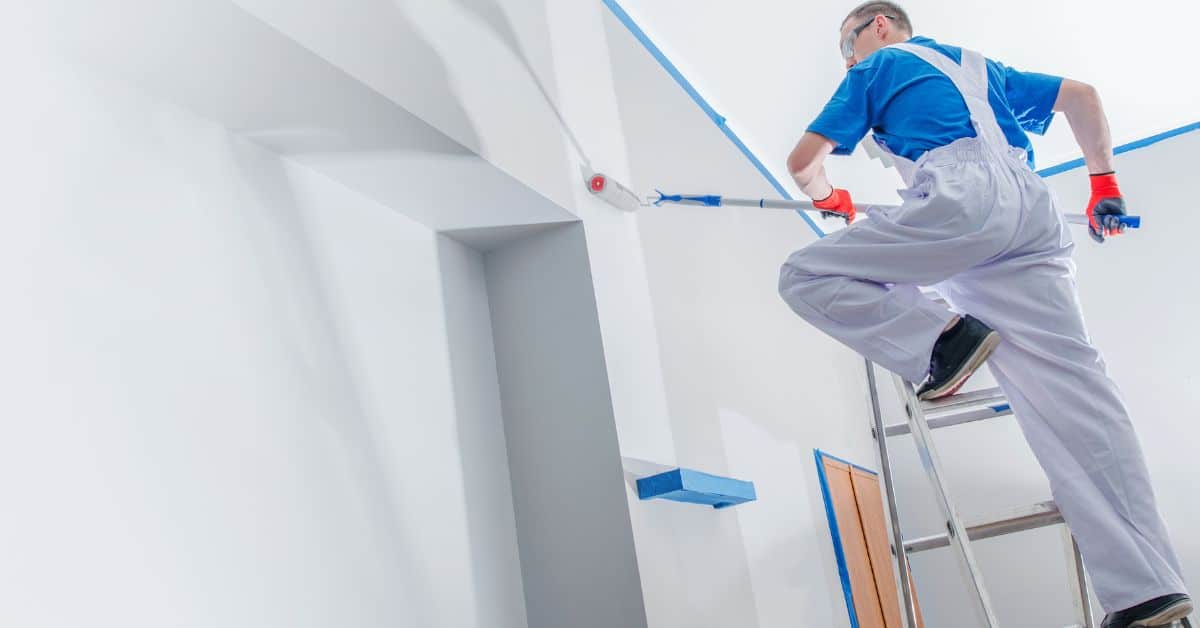
Finishing: Sanding, Feathering and Blending Repairs
Once cured, lightly sand the repair to blend it with the surrounding surface. Use a uniform motion to avoid creating new ridges.
Feather the edges beyond the repair so it sits flush with the wall. Wipe away dust and inspect for remaining high spots before priming. Check the finish guidance on product labels if needed.
Sanding and smoothing techniques
Start with a coarse grit (60-80) to remove any high spots or ridges. Use a hand sander for control, but power sanders can speed up the job.
Never use a grit coarser than 120 on concrete, as it can damage the surface. Always sand with the grain of the concrete to avoid gouging.
Once you’ve removed high spots, switch to a finer grit (120-150) to smooth out the repair. Use a light touch and check your progress frequently.
Skim-coating and feathering tips
Apply a thin skim coat of patching compound with a trowel or putty knife, working it into the repair area. This helps to level the surface and blend the repair.
Feather the edges of the skim coat so it blends smoothly with the surrounding concrete. Use a damp sponge or float to smooth out any ridges or lines.
Be patient and take your time with this step. A well-feathered edge is key to a seamless finish.
Final cleaning before priming
Use a soft-bristle brush or broom to remove any loose dust from the repaired area. Vacuuming can also help, but be careful not to blow dust into other areas.
Wipe down the surface with a damp cloth to remove any remaining dust and residue. Let it dry completely before priming.
Never prime a wet or damp surface. This can cause peeling and poor adhesion.
Priming and Painting to Prevent Print-Through
Choose a primer compatible with concrete and your topcoat. Ensure the primer can seal repaired areas effectively.
Apply primer in a consistent, even coat and follow drying times per label. If you have questions about compatibility, refer to the manufacturer instructions or product data sheets.
Choosing the Right Primer
A good primer is your first line of defense against print-through. You’ve got two main types to consider: bonding primers and stain/blocking primers.
Bonding primers create a strong bond between your filler and topcoat, helping prevent peeling. They’re great when you’re using a flexible filler like a caulk or sealant.
Stain/blocking primers, on the other hand, are designed to seal in stains and tannins that could bleed through your paint. They’re ideal for older concrete with unknown history.
Before you buy, check the label. Make sure it’s compatible with your chosen filler and suitable for concrete surfaces. Some primers are designed for specific types of repairs or substrates.
Primer and Paint Application Tips
Applying primer is just as important as applying your topcoat. Here’s how to do it right:
Start with a light first coat. This helps the primer penetrate into the surface, creating a better bond. Let it dry according to the manufacturer’s instructions.
Follow up with a heavier second coat. This builds up your seal and provides better coverage. Again, let it cure as directed.
When applying paint, use an overlap technique. Start at one corner and work your way across in even strokes. This helps ensure a uniform finish without any visible repair lines.
Paint Types and Finish Choices
The type of paint you choose can make or break your final result. Here’s what to consider:
Sheen matters. Lower sheens, like flat or matte, tend to hide imperfections better than higher sheens. But they’re also harder to clean. Semi-gloss and gloss sheens are more durable and washable but may show every little detail.
Concrete is a porous surface. You’ll want a paint that’s breathable, allowing moisture to escape. Latex paints are usually a good choice for this.
Durability is key, especially in high-traffic areas. Look for paints with good stain resistance and scrubbability. And always follow the manufacturer’s recommendations for application and maintenance.
Troubleshooting and Common Mistakes to Avoid
Watch for inadequate adhesion or shrinking of repairs after painting. These are common warning signs to address before moving on.
Prevent issues by verifying substrate dryness, proper product selection, and correct application. When in doubt, check the label, instructions, or local guidance for best practices.
Why repairs bleed, re-open, or print through
Repairs failing to hold up can be frustrating. Let’s dive into why this happens and how to fix it.
Incompatible materials are a common culprit. Using the wrong filler or sealant for your concrete type can lead to bleeding or re-opening cracks. Always match the product to your substrate.
Insufficient prep is another reason repairs fail. If you didn’t clean, dry, and prime the area properly, moisture can get trapped, causing your repair to lift or print through when painting. Make sure to thoroughly prepare the surface before applying any filler or sealant.
Movement in the concrete can also cause repairs to fail. If the wall is settling or shifting, even a perfect repair won’t last. Before starting any work, ensure there are no underlying structural issues causing movement.
Correcting a failed repair
So, you’ve got a repair that didn’t hold up. Don’t worry, all is not lost. Let’s fix it.
First, evaluate the failed spot. Check if the crack has reopened or if the filler has lifted. If it’s just the paint printing through, you might be able to save the repair with a bit of sanding and repainting.
If the repair itself has failed, you’ll need to remove or rework it. Use a chisel and hammer to carefully chip out the old filler. Clean the area thoroughly to remove any debris or residue. Then, reapply the repair using the correct method, ensuring you’ve properly prepared the surface this time.
Sometimes, you might need to upgrade your approach. If a simple filler isn’t cutting it, consider using an epoxy, injectable, or cementitious repair. Always choose the right tool for the job.
Environmental and timing pitfalls
Weather conditions can wreak havoc on your repair work if you’re not careful. Here are some common mistakes to avoid.
- Temperature extremes: Both high heat and freezing temperatures can affect the curing process of fillers and sealants. Try to work in mild, consistent temperatures.
- High humidity: Moisture in the air can cause repairs to fail or paint to peel. If possible, schedule your work on low-humidity days.
- Rain or snow: Wet conditions can wash away fillers and prevent proper curing. Avoid working in wet or damp conditions.
- Direct sunlight: Prolonged exposure to the sun can cause fillers to dry too quickly, leading to cracking. Try to keep the area shaded during repairs.
Timing is also crucial. Don’t rush your work. Allow enough time for each step to cure properly before moving on to the next. Rushing through steps can lead to failures down the line.
Visual Checkpoints, Testing Repairs, and Long-Term Maintenance
Do a visual check across the repaired area after curing and priming. Look for uniform texture and color match before painting.
Perform simple tests to confirm adhesion and stability, and plan routine maintenance to catch recurring cracks early. Always refer to the product instructions for any test procedures or intervals.
Pre-paint visual checklist
Before you prime and paint, use this checklist to ensure your repairs are ready.
- No voids: Check for any missed spots or unfilled areas. Incomplete repairs will show up later.
- Smooth feathered edges: Ensure repaired areas blend seamlessly with the surrounding concrete. Jagged edges can cause visible lines in the final paint job.
- Uniform texture: The repaired area should match the texture of the rest of the wall. Inconsistencies will show through paint.
- No cracks at joints: Check where walls meet floors, ceilings, or other walls for hairline cracks. These can widen over time and ruin your paint job.
- No efflorescence: White salt deposits on the surface indicate moisture issues that could compromise your repair.
- No delamination: Gently tap the wall with a coin or key to listen for hollow spots. Delaminated areas need reattachment before painting.
- No discoloration: Check for stains, especially around repaired cracks. These can bleed through paint.
- No loose debris: Remove any dust, dirt, or other particles that could interfere with primer and paint adhesion.
Quick rule: If it looks wrong, it probably is. Trust your instincts and double-check any doubts before painting.
Simple tests to validate the repair
Before you declare victory, run these simple checks to ensure your repairs are solid.
- Gentle flexing: Gently push and pull on the repaired area. No movement means good adhesion.
- Tap testing: Tap the repair with a hammer or mallet. A clear, ringing sound indicates a strong bond.
- Water exposure: Lightly mist the repair with water. If it beads up and runs off, your sealer is working. If it soaks in, you need to reapply.
- Heat test: Use an infrared thermometer to check for temperature differences between the repaired area and the surrounding concrete. Significant variations could indicate a problem with adhesion or insulation.
- Scratch test: Gently scratch the repair with a coin or key. If it scratches off easily, your repair isn’t fully cured yet.
Quick rule: Better safe than sorry. A few minutes of testing can save hours of rework later on.
Monitoring and preventative care
Regular inspections and preventive measures will keep your concrete walls looking good for years to come.
- Inspect annually: Once a year, check your walls for new hairline cracks or signs of delamination. Catching issues early prevents major repairs.
- Touch up as needed: If you find minor cracks, repair them immediately to prevent further damage and paint bleed-through.
- Avoid water buildup: Ensure your walls are protected from excessive moisture. Water can weaken concrete and cause cracks.
- Control temperature swings: Extreme heat or cold can cause concrete to expand and contract, leading to hairline cracks. Insulate your walls if necessary.
- Prevent settling issues: Ensure your foundation is stable and not settling unevenly. This can cause cracks in your walls over time.
Quick rule: An ounce of prevention is worth a pound of cure. Regular care will save you time, money, and headaches down the road.
Conclusion
Sealing hairline cracks before you paint keeps the wall looking right and keeps water and moisture from printing through later. Do the work with care, follow the steps, and you’ll get a durable finish that lasts.
First, clean and inspect the area, choose a repair method that fits a hairline crack, prepare the surface so the patch sticks, apply and feather the repair, then smooth, prime, and paint. Then test the repair in a small area, monitor for any changes, and keep up with long-term maintenance to catch trouble early.
Common mistakes to avoid are overfilling or pooling material, skipping drying or curing times, and skipping proper surface prep or a compatible primer. Always wear eye protection and gloves, ventilate, and work in good light. If the crack widens, leaks, or structural movement is suspected, or if you’re unsure about the cause, call a professional instead of pushing ahead. With discipline and the right checks, you can finish strong and keep the job straight and lasting.
FAQ
Can hairline cracks reappear after sealing, and how do I prevent it?
Yes, if the wall keeps moving or if the substrate wasn’t repaired properly. Watch for movement before sealing and use a sealant that sticks to concrete. Always follow the product instructions for curing and compatibility with paint.
Should I seal the crack before priming and painting, or can I skip steps?
Seal first, then prime. Sealing reduces print-through, but you still need a compatible primer on a clean, dry surface. If in doubt, check the sealant and primer labels for order of steps.
What types of crack sealants are best for hairline cracks in a concrete wall?
Choose a sealant designed for concrete cracks that won’t shrink or crack with movement. Avoid products not labeled for structural or cosmetic crack repair. Always verify compatibility with your chosen paint and follow the manufacturer’s instructions.
How do I test my repair to know it’s done right?
Visually inspect for a smooth, level patch that blends with the surrounding wall. Lightly run a soft finger or a plastic scraper over the area to check for any rough edges. Wipe clean and wait for the product’s recommended cure time before priming or painting.