
Table of Contents
- Why blow-through happens: causes and mechanics
- Planning and safety checklist before you drill
- Choosing the right drill and settings
- Selecting the optimal drill bit for each substrate
- Techniques to control the exit and prevent chipping
- Workholding, supports, and jigs for consistent results
- Substrate-by-substrate step-by-step methods
- Accessories and shop solutions that make prevention easy
- Fixing blow-through: clean-up and repair techniques
- Cost, time trade-offs and when not to drill
Introduction
Avoid blow-through in thin walls by using the right drill method and technique tailored to thin materials.
You’ll learn how to select the appropriate drill bits, set the correct speed and depth, and test the wall material, along with practical tips and common pitfalls to watch for.
The guide walks through actionable steps and simple rules of thumb you can apply to achieve clean, safe holes without damaging the wall or contents behind it.
Quick-start checklist — top 3 common jobs (one-page do-this-now)
- Hanging a shelf on drywall (anchors/toggle): 1) Scan for studs/pose-of-wires. 2) Pilot: 1/8″ (3mm) twist bit at 900–1,200 RPM; feed ~5–10 lb (push with two fingers on compact 3–4 Ah drill). 3) Final: drill hole size per anchor (e.g., 1/2″ toggle requires 1/2″ bit) at 600–1,000 RPM. 4) Backing: hold scrap 1/2″ plywood behind if accessible; tape exit if not. 5) Set clutch to low (2–3 on 18V drills) when inserting screws to avoid overdrive.
- Drilling through tile into mortar (for anchors): 1) Use diamond or carbide tile bit. 2) Start at 400–800 RPM, light pressure (approx. 5 lb). 3) Keep area wet/cool and stop at tile thickness. 4) Switch to carbide masonry bit for backing mortar; run 1,200–1,500 RPM with hammer off until near breakthrough, then 800–1,000 RPM for final pass. 5) Use sacrificial backer or tape on exit; set depth collar for anchor embedment.
- Installing a toggle bolt in thin plaster or hollow block: 1) Pilot with 3/16″ (4.5mm) at 800–1,000 RPM. 2) Open the toggle per manufacturer; final hole per toggle specs (often 1/2″–5/8″). 3) Use a sacrificial backing while drilling if plaster is brittle. 4) Low torque clutch (2–4) when tightening; inspect anchor after 24–72 hours and retorque if necessary.
Why blow-through happens: causes and mechanics
Blow-through happens when the cutting action drives tensile stress through a thin wall until the far side ruptures or fragments as the exit occurs, typically at the point where the material cannot sustain the bending and shear forces generated by the bit. Exit damage concentrates where the opposite wall experiences maximum tensile loading, leading to spalling, chips, or even fragmentation as the bit breaks through, often outlining a fragile ring or jagged edge at the exit. The likelihood and pattern of this damage are shaped by bit size, rotation speed, and operator-applied force, working with wall conditions, moisture content, aggregate size, and the bit’s geometry to push the workpiece past its fracture threshold.
On a jobsite, the risk rises with concrete strength variations, interior voids, large aggregate, moisture, existing microcracks, and proximity to rebar or embedded objects that weaken the exit face and create weak planes that concentrate stress. Understanding how bit geometry and sizing influence cutting forces, breakout tendency, and stress concentration helps you plan safer setups: choose the right bit type (masonry vs. concrete core), match hole size to bit, use backer material, and implement pilot holes or stepped entry to tame breakout before it reaches the far wall. With disciplined drilling parameters—moderate speed, appropriate feed pressure, controlled torque, hammer-percussion settings, depth stops, and gradual speed ramps—you reduce catastrophic exit risk and end up with cleaner openings that are safer for operators and structures.
Material-specific failure modes
Different substrates behave differently when you drill or cut through them. The material you choose for repairs, anchors, or patches changes how strong and tidy the result is — and whether you get cracks, staining, or a fast failure down the road.
- Drywall (gypsum) Drywall is the common interior wallboard. Look for paper-faced gypsum rated by thickness (1/2″ or 5/8″) and use joint compound labeled for finishing — look for quick-dry vs. all-purpose on the bucket. Cheap or wrong compound shrinks and cracks; lightweight compounds save time but are weak around fasteners. Price: cheap — homeowner tools are fine. Wrong choice → hairline cracks and poor anchor holding.
- Plaster over lath Old plaster is stiff and brittle. Use a bonding plaster or a Portland-based patch product that lists “bonding” or “adhesion” on the bag; match curing time to avoid shrinkage. Avoid lightweight spackles — they won’t bridge cracks or hold anchors. Price: mid-range; consider renting a mixer for large patches. Wrong material → new patch separates, hairline cracks reappear, and anchors pull out.
- Thin-set concrete Thin concrete or render needs a cementitious patch with specified compressive strength (look for 20–30 MPa or class C20/C30 on the bag) and good bond additives. Use polymer-modified mixes for better adhesion to old concrete. Cheap non-modified mixes are porous and prone to delamination and staining. Price: inexpensive per bag; mixers handy for more than a few quarts. Wrong mix → spalling, weak bond, and moisture issues.
- Ceramic or porcelain tile Tiles demand a thin-set mortar rated for the tile type (modified thin-set for porcelain; look for ANSI A118.4/ A118.15 or “polymer-modified”). Use the correct trowel notch size for coverage. Using drywall mud or non-modified mortar will let tiles pop off and grout stain. Price: moderate; buy correct mortar — cheap tubes of adhesive are usually worthless for load-bearing spots. Wrong choice → loose tiles, grout failure, visible cracking.
- Plywood / wood substrate Plywood used behind finishes needs grading and glue class on the stamp (exterior/CCX or interior). Use exterior-grade or BCX for moisture-prone areas and construction adhesive that lists wood compatibility. Cheap plywood or interior glue will delaminate in damp spots and split when fastened. Price: varies — plywood is affordable; if you need structural strength, buy the right grade. Wrong material → delamination, screw pull-out, rot.
Pro tip: Buy a little more of the correct product than you think you need, store bags off the ground in a dry place, and mix to the manufacturer’s consistency and pot life. If a bag names a strength class, curing time, or ANSI spec, follow it — guessing saves money today and costs a repair later.
Drill parameters that increase risk
Too fast and too hard is the common mistake. High RPMs and aggressive hammer action drive the bit through the material before you can control the exit. If you’re near an edge or a hollow spot, that momentum causes sudden break-through and a ruined hole. Slow your speed and kill the hammer when you need control. Use these repeatable numbers as a baseline: drywall/plaster final pass 500–1,000 RPM; tile face 400–800 RPM; soft brick 1,000–1,500 RPM; masonry backing 1,200–1,800 RPM. When approaching the far face, drop to the low end of these ranges for the final 3–6 mm.
Blunt bits hide until the moment they bite. A dull or damaged tip skips, grabs, then tears out on exit. Keep bits sharp and straight. If the bit looks battered or wanders, replace dull bits before you finish the hole. Replace masonry bits after ~8–12 holes in hard material or sooner if you see reduced cutting rate or visible tip chipping.
Pressing like you’re trying to push the drill through will get you in trouble. Excessive feed pressure increases the chance of a sudden give at the far face. Aim for 5–10 lb (2–4.5 kg) of steady feed for delicate surfaces (roughly a push with two fingers on a compact 3–4 Ah drill). For thicker masonry or heavy work use 15–25 lb (7–11 kg) controlled feed. Also consider a pilot hole or backing support when working near thin sections or edges to prevent blow-through.
Quantitative examples of common mistakes
Quick list of real mistakes I see on job sites that cause chipping or blow-through. These are practical, avoidable errors — see the earlier section on drill parameters for background if you need it.
- RPM way too high — Running a small-diameter bit at >3,000 RPM on brittle tile or thin metal often rips the exit hole and chips the edges. Drop to 800–1,500 RPM for tile/ceramic and 1,200–2,000 RPM for thin sheet metal to reduce blow-out.
- Too much feed force — Pressing with >20 lb of hand force (or cranking the drill into full load) makes the bit bite hard and punch out the far side. Use a steady 5–10 lb feed for delicate surfaces and let the bit cut slowly.
- Slow RPM with high pressure — Running <500 RPM while pushing hard causes the bit to grab and tear the exit. If you must go slow (thick material), reduce pressure and use a pilot hole or stepped drilling.
- Sudden speed/pressure changes — Spiking RPM or letting go suddenly at the exit creates torque kick and chipping. Maintain steady speed/pressure through the last 1/4″ and back off as you approach the far face.
- Using a worn or wrong bit — Dull bits or masonry bits on tile need higher RPM/force and blow through. Replace bits after 8–12 holes in hard materials, or switch to a carbide-tipped bit sized correctly for the job.
Double-check RPM, hand pressure, and bit condition before the final pass — those three things alone stop most blow-through problems.
Planning and safety checklist before you drill
Before you drill, run a thorough pre-drill planning and safety checklist to prevent surprises on site, from locating electrical, gas, and water lines to assessing wall materials and conditions. Conduct a pre-drill site assessment to confirm wall structure (thin concrete, plaster, or block), measure thickness, listen for hollow sounds, and look for cracks or moisture, then verify potential hidden services with maps and a wand/locator before probing only in safe zones. Equip yourself with appropriate PPE—eye protection, a respirator or dust mask, hearing protection, and gloves—set up dust suppression with a vacuum or wet-dusting, seal off the work area, and choose patch materials compatible with the wall type and thickness to avoid weak repairs.
Know when not to drill and when to call a pro—if you detect persistent moisture, active cracks, loose or hollow sounding sections, or uncertainty about service proximity, pause, document the findings, and seek professional assessment; a conservative approach may save you from costly failures. Plan safe alternatives such as small pilot holes, routing from the opposite side if feasible, or choosing a patch strategy that aligns with substrate and service clearance, and record measurements, approvals, and patch material compatibility to reduce blow-through risk and ensure a durable finish.
Locating hidden hazards (wires, pipes, studs) and interpreting scans
Before you put a hole in the wall, scan it like you mean it. Take a decent stud finder or a multi-mode scanner and sweep the area slowly, marking each pass. If the tool has metal, AC live, and deep-scan modes, use them all. Don’t trust one quick pass or a single beep.
Interpreting ambiguous returns: continuous long metal returns (>200 mm / 8″) or repeated parallel returns likely indicate rebar, conduit, or horizontal studs; small isolated spikes often indicate fasteners or clips. If you see a metal zone longer than ~200 mm, or a live-wire return that follows a predictable vertical/horizontal path, treat it as an embedded service until proven otherwise.
Decision tree for ambiguous scans: 1) Re-scan in perpendicular passes. 2) Use a non-contact voltage tester over the flagged area; if it indicates live, kill the breaker and re-test. 3) If still ambiguous, make a small exploratory bore (1/8″) at low depth or remove a switch/outlet cover to look into the cavity. 4) If the return remains unclear or long, stop and call a professional. Simple rule: if you cannot confidently rule out a service or rebar with two detection methods, do not proceed.
Find studs first so your screws bite wood and not drywall. When your scanner flags metal or live wiring, back off. If you see inconsistent readings, cut power at the breaker and test again. If anything still looks uncertain, pull the outlet or switch cover to inspect the cavity rather than guessing through the drywall.
For pipes and hidden services, consider tapping and listening where you suspect plumbing or using a camera or tracer for confirmation. If you can’t positively identify a wire or pipe, call in an electrician or plumber. Better to lose an afternoon than cook a cable or flood a wall. Remember the basics from the earlier checklist: turn power off and confirm with a tester before you drill, and use a multi-mode scanner for reliable detection.
PPE and dust management
Wear eye protection every time you drill. Use wraparound safety glasses for light work and a full face shield if you’re drilling overhead or into masonry. Gloves help with vibration and grip, but don’t use loose ones around rotating bits.
Pick your respirator to match the dust. A NIOSH N95 is fine for drywall and wood dust. For silica from concrete, brick, or tile use a P100 or a half‑mask with P3 filters. If you’re unsure what the wall contains, err on the side of a higher‑grade cartridge.
Capture dust at the source. For drywall, press a vacuum nozzle close to the hole or hold a damp rag under the drill to catch dust. For masonry or concrete, use a shop vacuum with a good seal or drill with a dust shroud. For small jobs, drill slowly, pull the bit out frequently and vacuum the debris. And remember: before you drill, you already checked for wires and pipes—don’t skip that step. Strong dust control keeps the house clean and you breathing easy.
Special testing and disposal warnings: older homes with plaster or insulation may contain asbestos; houses built before ~1980 are candidates. If you suspect asbestos-containing materials, stop drilling and arrange a bulk or air test per local regulations (contact an accredited testing lab). For silica-generating work (concrete, tile), follow local silica rules: use a HEPA-filtered vacuum, and dispose of collected dust per local hazardous-waste guidance when silica or asbestos is confirmed. When in doubt, treat dust as hazardous and use higher-grade PPE and containment.
Materials and tools to have on hand
Get these on the bench before you put a drill to the wall. They cover drilling, anchoring, and quick fixes so you don’t stop mid-job. If you’ve already checked for wires, pipes and studs earlier, you’re ahead — don’t skip that step.
- Hammer drill — Use for drilling into concrete, brick, or masonry; pick one with rotary hammer mode and SDS or keyless chuck depending on bits. Cheap homeowner corded or cordless models ($60–$200) are fine; rent a larger SDS rotary hammer for heavy concrete. Wrong tool = slow work and snapped masonry bits or ruined anchors.
- Drill bit set — Include masonry, high-speed steel (HSS) for metal, and brad/spade or Forstner bits for wood. Match bit type to wall material and size to anchor shank; keep spare bits for wear. Buy a decent set ($15–$60); blunt bits overheat, wander, and make oversized holes so anchors fail.
- Anchor assortment — Have plastic anchors, metal sleeve anchors, toggle bolts, and masonry anchors on hand; choose by wall type (drywall, hollow block, solid brick, concrete). Know recommended drill diameter and load ratings; a small kit runs $8–$30. Using the wrong anchor or undersized one = sagging fixtures or pulled-out anchors. For heavy loads choose sleeve anchors or wedge anchors sized to embed to manufacturer depth; for hollow-wall loads use toggles or molly anchors rated for intended load.
- Backup boards — A scrap of 1/2″ plywood or backing board to mount heavy items or spread load behind drywall. Cut to size and screw through drywall into studs or anchors. Cheap to source ($5–$20); skipping backing for heavy loads risks torn drywall and repeated repairs.
- Stud finder / multi-scanner — Confirms studs and detects live wires and pipes; a radar-capable or combination unit is best. Battery-powered units ($20–$150); use as a cross-check rather than sole source. False reads happen — drill with caution or confirm with small exploratory hole.
- Impact driver / screwdrivers — Drives screws quickly and cleanly for mounting brackets or backing boards; use the correct bit size and torque setting. Impact driver is optional but saves wrist strain ($40–$180); manual drivers are okay for few screws. Over-torquing strips heads or snaps screws and damages anchors.
- Patch kit & touch-up supplies — Lightweight joint compound, spackle, sandpaper, and matching paint for repairing pilot holes or patches when anchors are removed. Keep a small kit ($5–$25) ready; good finishing preserves wall integrity. Using the wrong filler on textured or exterior surfaces will crack or fail to bond.
Pro tip: Combine a small hammer drill and a quality masonry bit with the right anchor for the wall type, and keep a backup board and patch kit nearby — you’ll avoid re-drilling and messy repairs. If you don’t use a hammer drill often, rent one for large masonry jobs; cheap or blunt bits are the real time-suck and safety risk.

Choosing the right drill and settings
Choosing the right drill means matching the wall material and your drilling goal to the tool category, such as cordless drill/driver with a masonry bit for light walls or a dedicated rotary hammer for deeper or harder masonry. For thin walls, start with the hammer function disabled to reduce blow-through, switch to a hammer-enabled mode only as depth and material demand it, and use a sharp masonry bit with a pilot hole when helpful. Enable or disable features thoughtfully: keep hammer mode off for thin-wall starts, use a clutch to prevent sudden blow-through, and set variable speed to stay in control rather than push with raw power, with RPM ranges roughly drywall/plaster 500–1000, soft brick 1000–1500, concrete 1200–1800.
Practice a light dry run, locate obstructions, and plan depth with a tape or stop to protect wiring behind the wall. Choose a sharp masonry bit of the correct diameter, consider a small pilot hole to guide the larger bit, and pre-drill per substrate to keep the hole true and minimize wander. This approach reduces damage, improves control, and helps you pause and back out if binding occurs, ensuring you don’t penetrate past the target plane.
Drill type and power considerations
Pick a drill that matches the job, not your toolbox ego. For most wood and drywall work a midweight cordless—think 18V brushless—gives the right balance of power, run time, and control. You don’t need an SDS‑plus or rotary hammer for screws or simple pilot holes; those are for masonry and heavy concrete only.
Use a hammer drill when you must bore into brick, concrete, or block. If you’re only drilling into tile or thin mortar, skip the hammer function and use a normal mode with the correct bit to avoid cracking the surface. For stubborn concrete or large diameter holes, step up to an SDS‑plus rotary hammer—otherwise you’ll just wear out the drill and your patience.
Before you start, check chuck type and battery level, pick the correct bit, and set speed/torque low for screws or delicate materials. Refer back to the main “Choosing the right drill and settings” points for drilling speed and clutch guidance if you’re unsure. When in doubt, slower speed and the right bit beat brute force every time.
Speed, torque, and clutch settings (measurable guidance)
Set your speed to match the job. Use these actionable settings as starting points (adjust by feel on test scrap):
- Drywall/plaster entry and finish: 500–1,000 RPM; clutch 1–3 on typical 18V drills.
- Tile face (diamond bit): 400–800 RPM, no hammer; light feed ~5 lb; clutch low if using drill to hold pilot.
- Soft brick/mortar: 1,000–1,500 RPM, hammer off for thin veneer; clutch 3–4.
- Concrete backing and hard masonry with masonry bit: 1,200–1,800 RPM; use hammer mode only when wall thickness justifies it; clutch 4–6 as needed to prevent stalling.
- Thin metal and sheet goods (step bit): 800–1,200 RPM, use cutting fluid/lubricant and keep feed light.
Torque matters more than raw RPM when driving fasteners. High torque for big screws or lag bolts, low torque for small screws and soft materials. If your drill has clutch settings, reduce clutch numbers for delicate work and raise them for tougher jobs. The clutch saves you from overdriving and snapping heads — engage it whenever you switch from drilling holes to driving screws.
Estimating feed force: 5–10 lb (2–4.5 kg) = light, steady hand pressure (about two-finger push on a compact drill); 15–25 lb (7–11 kg) = moderate, put both hands on the tool and brace your stance. If the bit stalls, lower RPM and increase torque a notch rather than adding pressure.
Accessories: depth stops and handles
Fit a depth collar whenever you need consistent hole depth. Slide it to the measured mark, tighten the set screw, and double-check with a quick test hole. If the collar doesn’t fit the shank, wrap a thin layer of tape on the bit so the collar bites. Don’t trust a loose collar — it will slip on the first hard patch.
Always use the side handle. Put it on the opposite side of the kick you expect and clamp it tight. Two-handed control beats wrestling the drill. If the bit grabs or the hole wants to walk, stop, reset the handle, and ease your feed pressure. One-handed work with high torque is a fast way to lose the hole and damage the work.
Use the drill’s gears to manage breakthrough. Shift to low gear or the drill’s two-speed gearbox for the final few millimetres to avoid pop-out or blow-through. High gear is fine to chew through material fast, but drop to low as you approach the far face, then back the bit out periodically to clear chips. If you’re using hammer function, back off the feed slightly before the breakthrough to reduce chipping and kickback.
Selecting the optimal drill bit for each substrate
Choosing the right drill bit for each substrate starts with matching the bit to the material: brad-point or spur bits for wood to create clean exiting edges, carbide-tipped masonry bits for thin concrete with appropriate hammer/rotation settings, diamond or tile bits for glazed tile to minimize chipping, and step bits for thin metal or plastic to control hole size as you progress, all while understanding how bit geometry—tip shape, flute design, and point alignment—governs entry and exit quality and helps prevent blow‑through, with a pilot hole or starter improving accuracy on thin materials.
That geometric awareness translates to practical jobsite benefits: reduced wandering and tear-out, more predictable hole diameters matched to fasteners or conduits, and safer, cleaner exits thanks to backer materials, masking or collars, and proper backing; combine this with careful setup—center punches, light drilling, steady feeds, clamps or guides, and verified material thickness—to prevent surprises, improve precision, and save time on every project.
Bits that reduce blow-out on drywall and plaster
For clean holes in drywall or plaster, skip the cheap paddle/spade bits unless you like ragged edges. Use a brad-point (spur) or fine-point spade alternative for small holes—those bite in the center and cut the paper cleanly instead of tearing it. For larger holes, a tapered step bit or a hole saw with a pilot bit gives the smoothest edges and keeps the hole round.
Technique matters: run the drill at low speed, let the bit do the work, and don’t force it. Support the back of the wall with a scrap board or stick a piece of masking tape over the exit side to catch tear-out. For plaster, score the face first or drill a small pilot hole to prevent the brittle plaster from cracking outwards.
Avoid high-speed aggressive bits and big paddle bits that spin wildly—those cause blow-out every time. Match the bit choice to the hole size, use a pilot when possible, and back up the workpiece for the cleanest finish.
Masonry, concrete, and tile bit choices
Match the bit to the job, not just the material. Use cheap carbide‑tipped masonry bits for brick, cinder block and softer concrete—those are fine with a regular drill or hammer drill on medium impact. For hard concrete and structural work, switch to an SDS shank bit with a hammer or rotary‑hammer. SDS gives far more impact and lasts longer; don’t try to force an SDS job with a drill that has no hammer mode.
For tile and porcelain go diamond. Glazed tile chips easily and a masonry bit will ruin it. Use a small diamond pilot or a tile‑specific bit, run it slow, and keep water on the cutting area to cool and reduce dust. If drilling through tile into substrate, drill the tile first with diamond then finish the hole in the backing material with the appropriate masonry or SDS bit.
Finishing technique matters more than brand names. Put masking tape over the tile or use a sacrificial backer to stop the chip-out. Start with a shallow pilot at low speed, then increase pressure and speed only after the cutter has a solid bite. For tile, consider drilling halfway from the face, then finish from the back to avoid blowout. Keep the bit square, steady, and use short bursts rather than full‑force pushing—brute force is the fastest way to crack tile or snap a bit.
Specialty bits and step/cone bits
Step bits (often called Unibits) are great when you need a clean, gradually larger hole in thin materials like sheet metal, plastic, or drywall. They cut in steps so you can start small and work up without swapping bits. Run them at moderate speed, keep steady pressure, and back the bit out between steps to clear chips. They’re not for solid wood, masonry, or thick steel — use what you picked earlier for those materials.
Cone and countersink bits give a controlled taper for screws, plugs, or finished hardware. Use a cone bit to widen an existing hole in stages instead of hogging material away in one go. For countersinks, test on scrap to set depth; too deep and the fastener will sit loose, too shallow and the head will stick proud. If you need both a pilot and a countersink, match the pilot diameter to the screw shank, not the threads.
Practical checks: pick the largest step that still leaves enough meat around the hole, keep speed low on large steps, and keep a spare pilot bit handy. If a bit is smoking or grabbing, stop and sharpen or replace it — forcing a worn step bit ruins the hole. When in doubt, drill a test hole in scrap first and adjust depth and speed before touching the finished piece.
Techniques to control the exit and prevent chipping
Control the exit by following a clear workflow: start with a pilot hole sized to guide the bit, then ease through the breakthrough, and finish with a slow, deliberate stroke to minimize chipping. Use a sacrificial backing to support the exit face, maintain straight, perpendicular alignment, and apply a light reverse pressure as the bit exits. Keep the speed reduced at the far face and use scoring, tape, or a guide to curb chips and wandering.
This approach matters on the job by reducing micro-cracking, protecting the surrounding material, and making clean, professional holes in masonry. Pair it with the right gear—carbide-tipped masonry bit, appropriate drill mode, correct RPM, and steady pressure—and you can manage dust, eye protection, and wall integrity more effectively. The result is neater exits, less rework, and safer, more efficient drilling on both simple projects and reinforced walls.
Consolidated pilot-hole and backing technique (authoritative)
Use a two-part control method every time: (1) pilot/progression — drill a pilot hole ~1/3–1/4 of final diameter at low RPM (500–1,000 RPM for drywall/plaster; 800–1,200 RPM for masonry pilot). Step up in 1–2 sizes until final diameter to reduce exit force. (2) backing/support — always support the exit face: clamp a sacrificial board (1/2″–3/4″ plywood or MDF) behind the hole when possible; if not, apply multiple layers of painter’s tape on the exit side. For tile, use a sacrificial backer or drill from both sides (face half-depth, then finish from the back). Cross-reference this single authoritative method from the substrate-specific pages instead of repeating variants.
Pilot-hole and progressive drilling method
Start with a small pilot hole—just big enough to guide the next bit. Drill slowly and keep the drill straight. The pilot hole tells the larger bit where to go and takes most of the cutting load, so the exit edge gets less stress.
After the pilot, switch to the next size up and remove a little more material. Repeat in two or three steps until you hit the final diameter. Going up in stages prevents the bit from trying to shear off a big chunk at the exit, which is the usual cause of chipping.
Keep the workpiece supported under the exit point and check drill alignment between steps. If you rush or skip sizes you’re asking for torn edges. Slow, steady passes and stage-by-stage enlargement give the cleanest exits.
Backing, sacrificial boards, and tape methods
When the bit breaks through the far face, something must catch the tear-out. Clamp a scrap board or a sheet of plywood to the exit side so the drill leaves the cutting edge in wood, not the finished surface. For solid wood and plywood, a 3/4″ sacrificial board works well. For thin laminates or veneers, use a stacked pair so the top layer peels away with minimal damage. The rule is simple: support the exit side and clamp tight.
Masking tape or blue painter’s tape helps on painted or laminated surfaces where you can’t clamp a board. Apply several layers across the hole location and press down firmly. Tape slows the splintering and holds fibers while the bit clears. Don’t rely on tape alone for brittle materials like ceramic tile or glass—use a sacrificial backer or specialty drill bit for those.
Decide by material and access. If you can clamp, use a backer. If access is limited or the piece is already installed, tape is the quick fix. Match the backer thickness to the material and remove it after drilling. And if you haven’t already, pair these backing methods with a pilot hole and progressive drilling for the cleanest results.
Controlled breakthrough technique
As the bit nears the exit, cut your speed. Reduce the drill to a low RPM and let the bit do the work. Don’t jab or try to muscle through—the goal is a clean, controlled finish, not a fast one.
Ease off the feed pressure and keep a steady hand. Apply light, even pressure so the bit peels through rather than rips out the fibers. If you feel a sudden drop, stop and back out a turn or two before continuing.
Use a steady stance and clamp the workpiece. If you’ve already used a pilot hole or backing board, rely on that setup and focus on technique now. A steady drill, low RPM, and consistent pressure will cut chipping down to almost nothing.
Workholding, supports, and jigs for consistent results
Proper workholding uses clamps, sacrificial backing, and simple jigs to distribute drilling pressure across the panel, protect thin surfaces from edge breakout, and minimize blow-through during machining. When you plan the setup, weigh upfront time and material costs for jigs and backing against the risk of damaged stock, rework, or ruined finishes, and choose a method that suits the job size, material thickness, and available shop space, while aligning with safe practices.
Edge, face, and corner clamps with cushioned pads hold the workpiece without over-tightening, while a sacrificial backing made of thick plywood, hardboard, or foam absorbs misstarts and supports the bit, helping prevent surface gouges and breakout along the edge. Simple drill guides, templates, or shop-made blocks keep the bit perpendicular and provide consistent entry, and you can add countersunk stops or pilot guides to repeat the setup quickly on similar panels without recalibrating every time, plus handy notes for setup repeatability. Before drilling, secure the piece, verify perpendicularity with a square, perform a shallow pilot hole, and then proceed to full-depth drilling, inspecting for drift, wobble, or premature bit wear and adjusting as needed to finish within tolerance and reduce surprises on the job.
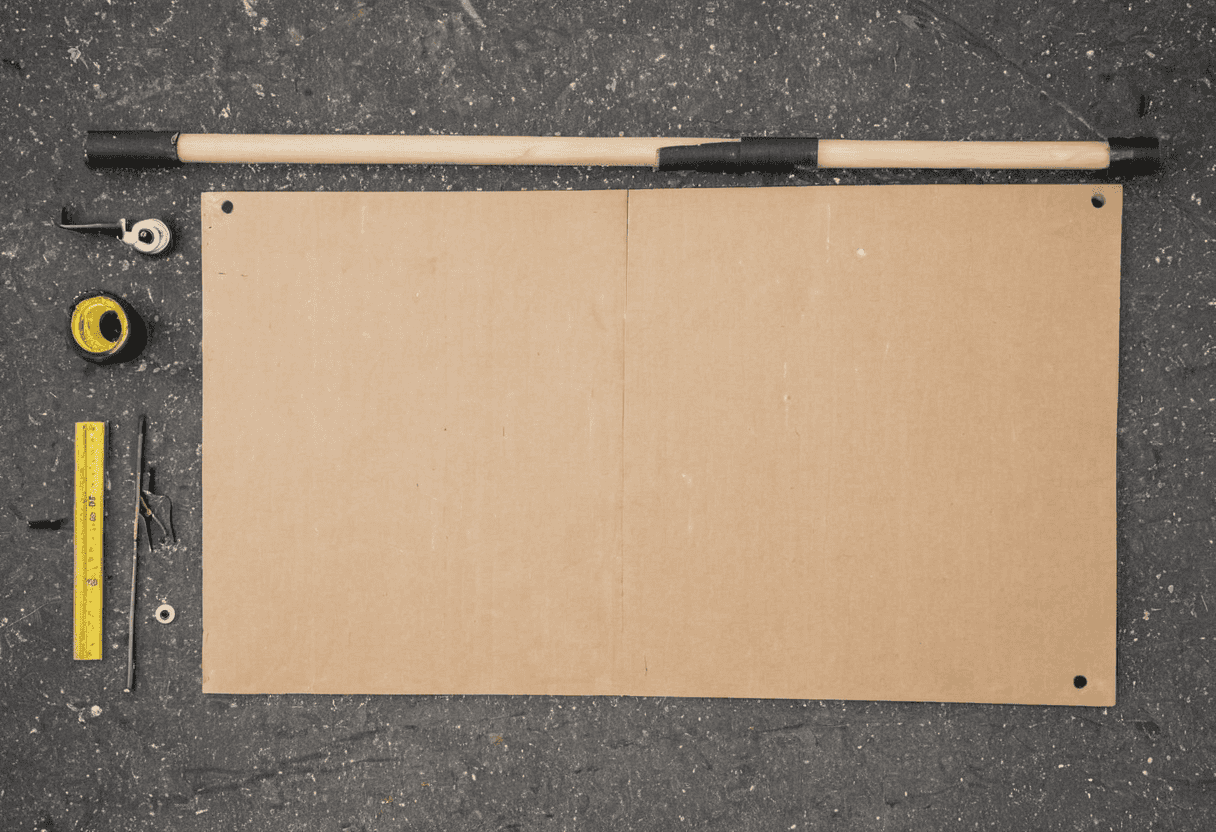
Building a simple drilling jig or fence
Clamp a straight scrap of plywood or hardwood to your workpiece so the drill bit runs along the edge and can’t wander. Use a square to align the fence to the bit before you tighten the clamps. If you don’t have a drill press, this makes handheld drilling far more repeatable.
Cut or screw a small sacrificial block under the exit side and butt it tight against the workpiece. That block will support the exit face and prevent tear-out. Keep the block flush with the surface and replace it when it gets chewed up.
Start with a shallow pilot hole to confirm alignment, then drill to final size. Check that the fence is still tight after the first hole and re-square if needed. A quick visual check and a firm clamp beat guessing every time.
Using clamped sacrificial backing effectively
Clamped sacrificial backing is there to stop blowout, keep work flat, and give your cutter something to exit into. For drywall work a 1/2″ to 3/4″ plywood or MDF scrap works fine; it won’t flex and it will catch fasteners and tear-out. For plywood parts, use at least the same thickness as the panel if you can — 3/4″ sacrificial ply is ideal for through-cuts; thinner backing will flex and you’ll still get tear-out. For tile or ceramic, use a dense 1/4″–1/2″ exterior-grade plywood or hardboard under the tile when cutting to reduce edge chipping.
Clamp placement and protection matter more than having the fanciest backing. Put clamps outside the cut line, use long cauls or parallel clamps to spread the pressure, and pad clamp faces with scrap to avoid crushing edges. Drive a couple of short screws through the backing into your workpiece only if you’re sure you won’t damage the finished side — otherwise rely on tight clamping and a bench dog or stop block. Even clamping pressure beats brute force; over-tightening will bow the piece and ruin the cut.
If you’re using a fence or drilling jig from earlier in the project, line the backing up with your jig so everything stays square. Check that the backing is solidly supported under the cut — rock or bounce is the enemy. If the backing starts splintering, replace it; don’t keep reusing a chewed-up board and expect good results. Simple, solid, and clamped right will save you sanding and tears later.
When to use a bench or portable vice
Use a bench or portable vice any time the workpiece can be removed from the wall and put on a flat surface. Panels, laminates, small cabinets, trim pieces and loose bits of material bite much better in a vice. It’s simply safer than in-situ drilling for anything that can be taken down — fewer slips, better control, cleaner holes.
Before you clamp, make quick checks: make sure the vice or bench is stable, the work sits flat, and the jaws won’t crush the face. Use pads or scrap between jaws and finish surfaces for laminates. Also check jaw faces for grit or damage that can score your work.
If you can’t remove the piece, use the clamped sacrificial backing or a drilling jig you already have rather than forcing hand-held drilling on an uneven surface. For small odd shapes, a portable vice bolted to a scrap board gives a flat, repeatable platform that keeps your drill square and your fingers out of danger.
Substrate-by-substrate step-by-step methods
Substrate-by-substrate step-by-step methods blend identification, backing, precise bit choices, and controlled drilling to prevent edge blow-out and chipping. For drywall, plaster, thin concrete, tile, plywood, and thin metal, start by confirming the exact material and wall thickness, then set up a solid backer behind the hole area and mark the target depth with tape or a depth stop. Use the appropriate bit and technique for each material, begin with a pilot hole when needed, maintain perpendicular alignment, and finish cleanly to prepare for sealing or patching.
Applying these practices reduces edge damage, minimizes cracking, and speeds repairs by avoiding rework. The approach emphasizes universal prerequisites and substrate-specific details—like low RPM for drywall, carbide-tipped bits with light hammer for plaster, and cutting-fluid or coolant for metal—so DIYers can drill accurately without guesswork. Following depth control, backing, and steady feeds helps you achieve tight joints, clean edges, and professional finishes with minimal mess and downtime on the jobsite.
Step-by-Step Process
This sequence takes you from site prep to final checks for substrate-by-substrate work. Follow the steps in order to avoid rework and to get a durable result you can verify at each stage.
- Do a targeted prep and safety check: confirm the substrate is as described earlier, remove loose material, and secure utilities. This prevents surprises once you start cutting or fastening. Check by running your hand for loose grit and using a moisture meter or simple tap test; stop and call a pro if you find structural rot, active leaks, or heavy mold. Allow surfaces to dry as specified (typically 24–48 hours for damp substrates).
- Lay out the work and protect surrounding areas: mark cut lines, dry-fit pieces, and tape off adjacent finishes. Doing layout first saves material and avoids unnecessary damage. Verify fit by dry-placing components and walking the sequence; if you can’t get pieces to sit flat, reassess before cutting. No cure time — move on once layout fits cleanly.
- Make the necessary repairs and substrate adjustments: patch small holes, shim uneven areas, and remove high spots so the new materials sit true. Correcting the substrate now ensures adhesion and prevents future squeaks or cracks. Check with a straightedge and by hand for flatness; call a pro if you find long-span deflection or hidden structural issues. Allow any patch compound to cure per manufacturer instructions (often 2–24 hours).
- Apply primer, sealer, or adhesive specific to the substrate: follow product instructions for thickness and open time so the bond forms properly. This step controls adhesion and moisture migration for a lasting job. Test adhesion with a small pull or by checking tackiness after the recommended wait; stop and consult manufacturer or pro if adhesive fails. Respect the recommended flash time (usually 10–60 minutes) before installing.
- Install the main material using the right fasteners and technique: set pieces in place, use proper spacing, and follow the substrate-specific pattern covered earlier. Correct installation prevents movement and premature failure. Verify by checking alignment, consistent gaps, and that fasteners are flush; if pieces won’t seat or split, halt and get expert help. Wait for any bedding mortar or glue to cure as specified (commonly 24–72 hours for full strength).
- Finish joints, seams, and transitions: grout, caulk, or seal where materials meet to keep water and dirt out. This completes the system and preserves the substrate. Check by feeling for voids and by running a bead-smoothness test with your finger; call a pro if you see wet pockets or recurring leaks. Allow sealants or grout to cure per label (often 24–48 hours before light use).
- Clean up, inspect, and do a functional test: remove protection, clean residues, and walk the area to test stability and appearance. Final checks catch issues before they become warranty problems. Use simple tests like walking, water drip checks, or a level to confirm performance; hire a pro if you find ongoing movement, leaks, or major cosmetic failures. Wait the manufacturer’s full cure time before heavy use (could range from 48 hours to several days).
Pro tip: Take progress photos and note product names and cure times on your phone at each stage. If you skip this, troubleshooting later becomes guesswork — and contractors hate guessing.
Drywall and plaster: minimal damage approach
Start by locating studs, pipes, and wiring with a detector and mark your point. For small anchor holes use a 1/8″ (3mm) pilot bit; for bigger holes use a pilot matched to the hole saw. Put a strip of painter’s tape over the exit side or hold a thin scrap board behind the wall to stop the plaster or paper tearing out when the bit breaks through.
Drill at low speed and steady pressure. For twist bits keep the drill around 800–1,500 RPM and push with a firm, controlled force — not a shove. For hole saws drop to 400–800 RPM and let the teeth cut; forcing them makes big ragged exits. If you feel the drill grabbing, back it out and clear dust before continuing.
After drilling, clean dust from the hole and test-fit the anchor or box. If the plaster edges are slightly ragged, trim with a sharp utility knife rather than chipping more out. Follow the basic sequence from the step-by-step methods earlier, but stop and rethink if the wall feels hollow when it shouldn’t — you’re likely over the cavity or near a hidden service.
Thin concrete and brick-faced walls
First, probe the wall to confirm it’s a thin veneer—not a full-thickness masonry wall. Look for mortar joints, listen for hollow sound, and feel for a thin substrate. If you find wires or plumbing, stop and locate them before drilling. For drilling, pick a proper masonry bit: carbide-tipped, slightly smaller than your anchor, and sharp. A worn or wood bit will tear the face and create spalling.
Keep the hammer setting off. That little hammer feature is great for solid block, but it will shatter thin brick or concrete veneer. Use steady pressure, slow consistent feed, and back off as you break through the face. Finish holes at a lower RPM to avoid over-heating and spalling the surface—slow speed, steady hand. If you need a clean countersink, do that at very low speed and light pressure.
Protect the back of the veneer with a sacrificial backing when possible: thin plywood, hard foam board, or even a scrap tile pressed behind fragile areas prevents blow-through. Tape or clamp your backing and use dust control. These steps are simple but save you from patching ugly chips later. For drilling sequence and minimal-damage techniques, follow the earlier Step-by-Step Process and the drywall/plaster section for general handling tips.
Tile, plywood, and thin metal
Tile: score and start slow. Use a diamond or carbide bit and keep the tip wet or run the drill at a slow speed to avoid cracking. Put masking tape over the hole to reduce chipping, hold the bit steady, and let the tool do the work—don’t force it. If you hit thin-set or backing, stop and check what’s under the tile before pressing on.
Plywood: clamp a scrap backing board behind the hole and use a brad‑point or woodworking bit for clean entry and exit. Pilot the hole if you’re near an edge, support the sheet to stop tearout, and keep pressure even. If you’re drilling for anchors, match the bit to the anchor size and test-fit in a scrap piece first.
Thin metal: use a stepped drill bit or the correct metal bit, run the drill slow, and keep it cool with short bursts or lubricant. Clamp the metal or brace the panel so it won’t flex; flexing = jagged holes and ruined fasteners. Deburr the hole afterward and don’t try to drive large screws without the correct hole size—leave that improvisation to contractors who like headaches.
Accessories and shop solutions that make prevention easy
This section maps a clear toolkit for safe drilling, pairing drill stops, depth collars, and the right bit types with anti-chip attachments and backer materials to prevent blow-through. You’ll learn how depth collars limit penetration in thin walls, why pilot bits and backers reduce wobble and chip-out, and when to reach for anti-chip devices or dust collection. A practical checklist covers countersink bits, hole saws with pilots, paddle bits with backer flanges, sacrificial backers, clamps, and a portable guide setup to keep starts straight and controlled.
Using these accessories with material thickness in mind speeds prevention by guiding bite patterns, sizing holes relative to wall depth, and reducing tear-out through proper backing. This matters on jobsites where quick setup, repeatable results, and cleaner holes translate into less rework and safer operation, especially when working with drywall, soft metals, or thin plywood. Common issues like wandering bits or premature dulling are much easier to troubleshoot when you have a ready combination of bits, collars, and backing materials and a simple workflow from setup to finished hole.
Drill stops, collars, and hole saws
Set a drill stop or depth collar before you start and measure from the bit tip to the stop—don’t eyeball it. Tighten the collar with the proper Allen key and give it a tug; if it slides on a test spin, it will bite you on the workpiece. For long runs, mark the desired depth on the bit with a visible tape or paint so you can double-check while working.
Use pilot-equipped hole saws whenever possible. The pilot bit keeps the saw centered and gives you much better control as the cutter breaks through the far face. Slow your speed and back the saw out regularly to clear chips; this reduces sudden punch-through and keeps the saw from grabbing at the exit.
Clamp the material or support the back side to prevent blowout. If you need to limit depth on a hole saw, fit a collar to the arbor or use a sacrificial backing board. Finally, don’t trust cheap collars or loose arbors—replace worn parts and test on scrap before you cut the real workpiece. Strong setup beats skill every time.
Anti-chip guides and sacrificial flanges
Commercial anti-chip guides clip or screw to the workpiece and present a smooth surface around the hole. They bite the top layer and hold fibers down so the drill or hole saw doesn’t tear out. Install them snugly and check alignment with the bit before you start. If the guide wobbles or doesn’t sit flat, clamp it or scrap it — a loose guide does more harm than no guide.
For a cheap, effective option use a sacrificial flange made from scrap plywood or MDF. Drill the same-size pilot hole in the flange, butt it to the exit face and clamp or screw it in place. The sacrificial piece takes the tearout and can be replaced after a few holes. Make the flange at least two thicknesses of the material you’re cutting for cleaner results.
Don’t confuse these with drill stops or collars — they control depth, not tearout. Also avoid relying on glue alone to hold a flange if you’re using a hole saw; mechanical clamping or screws prevent spinning. When in doubt, support the exit face, keep everything tight, and cut slow near the end for the cleanest edge.
When to invest in specialty tools vs. DIY fixes
Some jobs call for a purpose-built tool. Others you can fob off with tape and scrap wood. Below are the actual tools worth buying, when to rent or skip them, and the real risks if you try to save money in the wrong place.
- Cordless drill — The workhorse for most jobs; use a 18–20V brushless model if you can. Cheap homeowner drills are fine for occasional holes; upgrade if you’re doing many holes or masonry. Tip: low battery or weak torque will wander and tear the material — don’t force it or you’ll ruin the bit and the workpiece.
- Forstner bit — Cuts clean, flat-bottom holes in wood and plywood; pick the size you need and use a drill press or steady slow rpm. Essential for neat, large countersinks or hinge holes; optional to rent if you only need one or two holes. Warning: using a spade bit instead will chip the face and weaken the hole edge.
- Hole saw — Makes large circular holes in wood, plastic, and thin metal; choose bi-metal or carbide teeth for harder materials and match arbor size. Buy if you do cabinets or plumbing often; rent for a one-off. Tip: running too fast or without a pilot will bind and overheat the saw — that ruins the teeth and can cause kickback.
- Backer block / sacrificial wood — A scrap piece clamped under your work to prevent tearout and blow-through. Cheap and essential for clean exits when drilling or routing; no need to buy anything fancy. Don’t skip it — drilling into unsupported edges will splinter the panel and force costly repairs.
- Masking tape & pencil — Mark centers, wrap bit lines, and protect surfaces when clamping. Optional but extremely cheap and effective for layout and modest anti-chip help; always have a few rolls on the truck. Tip: tape won’t replace a proper anti-chip guide for delicate veneers — the hole can still chip and look awful.
- Drill guide / anti-chip guide — Controls angle and reduces tearout for handheld drilling; look for one that fits your bit shank and clamps solidly. Worth buying if you drill a lot of precise holes; rent or borrow if it’s a one-time job. Misalignment from skipping a guide will leave uneven holes that don’t fit hardware and increase rework time.
- Shop vacuum / dust extractor — Keeps cut lines visible and reduces airborne dust; choose a unit with HEPA or fine filter for drywall or sanding. Rent for big demo days; a small shop vac is an affordable buy for ongoing work. Ignoring dust control shortens tool life, clogs bits, and creates a hazardous breathing and slip risk on site.
Pro tip: combine a decent cordless drill with the right bit and a backer block — that trio covers 90% of clean-hole needs. Rent specialty cutters for one-offs, and never skip dust control or a proper guide when working with fragile faces or expensive panels.
Fixing blow-through: clean-up and repair techniques
Fixing blow-through involves assessing crack width and hole size to decide if backing material is compromised and whether structural reinforcement is necessary, then applying an appropriate sequence of filling, sanding, priming, and repainting for the specific substrate. Immediate repair steps vary by damage size: use patching plaster or epoxy for small chips and cementitious repair mortar or epoxy putty with bonding agents for larger holes, always planning for a flush, smooth finish. Layering with backer support when needed, feathering edges, and observing proper curing times helps prevent renewed failure and prepares the surface for a durable topcoat.
This approach matters on a DIY or jobsite because choosing compatible fillers and primers reduces bond failure and moisture intrusion, extends repair life, and minimizes future crack migration, especially on damp or poorly prepared walls. Proper surface preparation—cleaning dust, loose material, and moisture—along with correct material selection contributes to long-term performance and faster repainting cycles. Understanding when reinforcement like metal lath, mesh, or adhesive anchors is required helps you decide if a pro should be consulted for safety and structural integrity.
Quick temporary fixes on-site
Start by clearing loose debris and dust from the hole or blow-through. If you can, check base compaction and remove any wet mud or soft material; fillers stick poorly to loose surfaces. For small holes, use a fast-setting exterior spackling or patching compound. Pack it in tight, press firmly, and level off with a putty knife so water can’t collect.
For larger tears or thin spots, lay builder’s tape or a self-adhesive mesh over the opening first, then apply a skim coat of joint compound or cementitious patch. The tape gives a backing so the mud won’t sag. Work in thin layers and let each layer cure enough to hold before adding the next.
Label the area and keep it protected from traffic and rain until a permanent repair is scheduled. These fixes are temporary only — they stop further damage and buy time, not replace a proper rebuild. If you see continuing movement or new blow-throughs, stop and call the contractor.
Permanent patching for drywall, plaster, and concrete (product specifics)
Start by removing loose material and cutting back to solid edges. For deep voids you need a backing: a scrap of plywood, a wood cleat, or an adhesive mesh for drywall. Don’t waste time with surface smears that look OK now; a durable repair begins with a clean, stable substrate and proper bonding.
Drywall: for holes <2″ use lightweight spackles (e.g., USG Sheetrock lightweight spackling). For holes >2″ and repairs around anchors use setting-type joint compound (hot mud) — examples: USG Sheetrock® Durabond™ (setting-type) or DAP Fast ‘N Final for smaller work. Use fiberglass mesh patches or backing cleats for holes larger than 2″. Feather compound 6–8″ beyond the patch and prime before painting.
Plaster: remove loose keys and use a bonding agent such as Ardex or Bostik Bonding Additive where recommended. Repair with a Portland-based setting plaster (e.g., DAP Plaster Patch or equivalent) in layers; finish with a skim coat of gypsum-based finish plasters to match texture.
Concrete/brick veneers: chip back to sound material, clean, dampen the surface, then use a polymer-modified cement patch rated C20/C30 (products: SikaRepair mortars, Ardex Feather Finish for thin work, or Quikrete Vinyl Concrete Patcher for small holes). For structural holes consider an epoxy mortar or two-part epoxy putty (e.g., PC-Concrete or SikaRepair 1) for immediate strength — use a fast-set 5–10 minute epoxy putty for small through-holes and a polymer-modified mortar for larger voids. Always follow manufacturer bond-primer instructions and cure times.
After patch cures, sand, prime with an acrylic primer (e.g., Zinsser Bulls Eye 1-2-3) and paint to match. For best long-term results avoid covering a poorly bonded patch or using lightweight fillers where strength is required.
When a repair is a structural concern (clear thresholds)
If the hole or blow-through sits in a beam, load-bearing wall, ceiling joist, or shows visible movement, stop. Specific thresholds to call a pro immediately:
- Wall thickness >100 mm (4″) and you cannot confirm absence of reinforcement (rebar/conduit).
- Scanner shows continuous metal returns longer than ~200 mm (8″) that could indicate rebar or conduit.
- Cracking or sagging extends >300 mm (12″) from the hole or new cracks propagate after initial drilling.
- Any sign of damaged wiring (arcing smells, tripped breakers), wet pipes, or gas odor.
Don’t attempt to cover these up—contact a structural engineer, licensed electrician, or licensed plumber as appropriate.
Permanent anchor inspection and maintenance
For heavy loads inspect anchors after initial installation: check set/torque at 24–72 hours, then again at 30 days. For safety-critical or overhead loads, include annual visual checks for corrosion, movement, or loosening. If any anchor shows rotation, backing out, or cracking around the hole, remove and reinstall with proper repair (backing and rated fastener) or consult a pro.
Cost, time trade-offs and when not to drill
This section weighs the cost, time, and risk of drilling through walls by laying out cost tiers—preventive measures (low-cost sealants, blockers, careful planning), specialty tools (anti-splinter bits, dust collection, sleeved bits), and professional services (masonry core drilling, wall reinforcement)—and anchors decisions with rough ballpark figures.
It also outlines setup time, drilling duration per hole, potential rework, and cleanup, and shows how preventive steps can shave hours from a project by preventing later repairs or damage. Clear stop signs tell you when drilling should not proceed, such as significant wall cracking, crumbling finish, unknown utilities, or solid-core walls with rebar, which shift the choice toward professional help.
For DIY readers, understanding the trade-offs helps choose a path that fits budget, risk tolerance, and schedule, balancing the upfront costs of blockers or specialized bits against longer-term headaches. The emphasis is on practical checks: material type, thickness, possession of hidden rebar, and the likelihood of blow-through, plus when to skip drilling entirely in favor of surface routes or alternative methods. Finally, the section points to hiring triggers and what to expect from a pro—scope, timing, and typical cost ranges—so you can decide when the project deserves professional planning and execution.
Quick ROI guide for preventive purchases (break-even examples)
Think like a foreman: match the tool to how often you’ll do the job. A drill stop or depth collar runs about $10–30. Specialty bits (carbide, step bits, brad-point for clean holes) are $15–60 each. Simple jigs or guides cost $40–200. If you use the tool monthly or on a few big projects a year, the cheap stop or a quality bit usually pays for itself within a couple of jobs by saving rework and patching time.
Buy-vs-rent examples:
- Drilling 10 masonry holes: rent an SDS hammer for $40/day vs. buy a $250 SDS drill — break-even at ~6–7 similar jobs (accounting for transport, bits, and wear).
- One-off large core/drill: renting a core rig for $120–250/day is cheaper than buying if you only need a single project; buy when you anticipate 4+ core jobs per year.
- Specialty diamond hole saw: buy if you do tile work monthly; rent or borrow for a single job (rental $15–40/day depending on size).
Skip the buy when the task is truly one-off, the material is cheap, or you can clamp and measure carefully without extra kit. Otherwise, prioritize a drill stop for repeat-depth holes, a higher-grade bit for hard or finish materials, and a jig when alignment mistakes are frequent or costly. If you’re unsure, check frequency and calculate a simple payback (cost ÷ savings per use) — if it’s under a season, buy it.
Hiring pros versus DIY (clear thresholds)
If the hole sits under a load-bearing wall, through thick reinforced concrete, or in an area with unknown services, hire a pro. You might save money on the upfront rate, but a mistake can wreck structure or utilities and cost far more to fix. Pros bring scanner competence, proper bits, and insurance you don’t have.
Do the simple stuff yourself: small holes in non-structural drywall or timber, and jobs where you’ve already checked base compaction and scanned for pipes and wires. Keep the job scope tight. If a drill-time estimate looks long or the plan involves coring or jackhammering, that’s a red flag to step back and get a quote.
When deciding, ask yourself three quick questions: will the hole affect a structural element, are reinforcements likely, and do you know what’s behind the surface? If any answer is yes, call a pro. For everything else, gear up, scan carefully, and work steady—don’t rush. If you’ve already read the cost and ROI notes earlier, use them to weigh immediate savings against long-term risk.
Alternatives to drilling (anchors, adhesive mounts)
If you don’t want to punch holes, start by matching the fix to the load. For light loads use heavy-duty construction adhesive or double-sided structural tape. For medium loads consider threaded toggle anchors in existing voids or retrofit anchor sleeves. For anything bearing weight or safety-critical, lean on brackets that strap around studs or beams rather than anchors in unknown material.
Before you buy or stick anything, do a quick site check: check base compaction, probe for voids, and confirm surface type. Smooth painted drywall, thin paneling, brick with crumbling mortar, and some stone surfaces will kill adhesives. If the surface moves, flexes, or flakes, adhesive or a single anchor is a recipe for failure. When in doubt, test a small area and load it to the expected force.
Install rules are simple: clean and dry the surface, follow cure times, and use the right product for the substrate. Don’t trust a single fastener for a heavy load — spread the load or use external brackets that wrap and transfer forces. If drilling is risky for pipes, wiring, or historic fabric, accept the extra cost of a non-penetrating fix or call a pro rather than improvising with weak adhesives.

Conclusion
Drilling thin walls without blowing through comes down to control, planning, and the right setup. Do it right and you get clean holes, strong results, and a safer project overall.
Before you drill, verify the wall type, choose the correct drill and settings, pick the right bit for the substrate, set up proper workholding or guides, drill a small pilot if needed, test in a hidden spot, start slow with light pressure, and clean as you go. Use a depth stop or mark the bit to avoid accidental overdrilling, and back the work with appropriate material or supports to control the exit.
Common mistakes to avoid include using the wrong bit for the substrate, rushing without backing, skipping a pilot hole or a test, and neglecting clamps or guides. Always wear eye protection, keep the drill at a steady speed, and never drill without a backing or jig when working on thin walls. Plan for a safe drill path, test in a hidden area first, and stop to reassess if anything feels off.
If you’re hitting dense materials, unexpected metal, or if the wall is load-bearing, or you discover electrical, gas, or plumbing behind the surface, call a professional. When you do it yourself, stay methodical and deliberate, and you’ll finish with clean exits, solid results, and real confidence for the next job.
FAQ
What causes blow-through in thin walls
Thin walls are easy to punch through if you rush. A large final hole, a wandering bit, or hitting the other side too soon can all cause it. Take it slow and mind the wall material.
How can I prevent blow-through when drilling into drywall
Use a bit size smaller than the final hole and mark depth with tape on the bit. Drill slowly and keep the bit perpendicular to the wall. Back the drill off if you feel the bite getting deeper than you intend.
What should I do to protect when drilling near studs or wires
Scan the wall with a stud finder and a live-wire detector before you drill. Favor places away from outlets, pipes, and switch boxes. If you’re unsure, don’t drill—pull the drill back and reassess.
What if I start to blow through the wall
Stop immediately and pull the bit out. Back out a little, patch the hole, and either use a shallower hole or a backing material to absorb pressure. Clean up and re-evaluate your approach before trying again.