

Introduction
Drywall anchors in hollow walls are devices that hold fasteners securely when the wall is thin or backed by empty space. They work by gripping inside the gypsum and spreading load to prevent pullout. Choose anchors based on the weight you plan to support and the wall thickness you’re dealing with.
To avoid blowout, match the anchor type to the load and follow the installation instructions on the label. If you’re unsure, check the product label or manufacturer guidance and consider a larger anchor or an alternative mounting method. Test a small load first and reassess if the wall feels soft or flexes.
Key takeaways
- Understand hollow-wall load paths and why drywall screws fail under shear.
- Choose anchor family by load type: tension, shear, and edge distance.
- Follow installation best practices to prevent blowout during heavy pulls.
- Inspect walls for studs, pipes, or metal framing before selecting anchors.
- Maintain a tools and materials checklist to ensure accurate, safe work.
- Test load gradually and monitor for looseness without risking overstress.
- Plan durable retrofit fixes and consider long-term material compatibility.
Table of Contents
- Introduction
- Key takeaways
- How Hollow-Wall Assemblies Carry Load
- Anchor Families and How They Work
- Choosing Anchors by Load and Application
- Installation Best Practices to Prevent Blowout
- Tools, Materials Checklist, and Visual Checkpoints
- Detecting Problems Early and Load-Testing Anchors
- Repairing Blowouts and Durable Retrofit Fixes
- Long-Term Considerations, Materials, and Code/Standards to Check
- Conclusion
- FAQ
How Hollow-Wall Assemblies Carry Load
Hollow walls are built from drywall over framing and backing. The load path travels through the local substrate, not straight through the air gap. You’ll feel the difference when loads push toward studs or into blocking versus pulling on the drywall alone.
Understanding shear versus tensile loading helps choose the right anchor. Anchors rely on the strength of the surrounding material, not just the anchor itself. Check how the load is transferred through the substrate before you decide on an anchor type.
Common hollow-wall variants
Hollow walls come in different flavors. Knowing yours helps pick the right anchor.
Most homes have drywall over wood or metal studs. You’ll see 4′ x 8′ sheets of gypsum board screwed or stapled onto these.
Older homes might have plaster over lath. It’s crumbly and hard to work with, but anchors can still be used.
Thin-gauge partitions are common in offices. They’re lighter but need special attention when anchoring.
Load paths and failure modes
Understand how loads hit your wall to pick the right anchor and avoid blowouts.
Point loads are direct, like a shelf’s weight. They cause pullout if not anchored well.
Eccentric loads aren’t centered, like a cabinet hanging off-center. They can cause shear failure.
Dynamic loads are moving, like a kid jumping on the wall. They can cause blowout, where the drywall tears away from the studs.
Anchor Families and How They Work
Plastic expansion anchors bite into the drywall as you tighten. They are simple, inexpensive, and good for light loads. They work best where there is enough substrate to grip without spinning.
Self-drilling and threaded anchors cut their own threads in the drywall or into a stud backing. Molly bolts create a clamping sleeve behind the wall, and toggles spread behind the cavity for load distribution. Each family has typical uses you should verify in manufacturer instructions.
Plastic and expansion anchors
Plastic and expansion anchors are simple, easy-to-use, and great for light-duty tasks. They work by expanding inside a pilot hole to grip the wall.
Pros: Inexpensive, quick to install, suitable for light loads.
Cons: Not ideal in hollow walls due to limited holding power. Can blow out with heavier loads or vibration.
Use them where the load is minimal and you’ve got solid backing behind your drywall. Otherwise, consider other anchor types.
Threaded/self-drilling anchors and molly anchors
These anchors drill their own hole and tap threads as they go, providing better grip in hollow walls. Molly bolts are a type of expansion anchor that works similarly.
Pros: Better holding power than simple expansion plugs, especially in hollow cavities. No pilot hole needed for self-drilling types.
Cons: More expensive and time-consuming to install compared to basic expansion anchors.
Use these when you need extra holding power but don’t have solid backing. They’re great for medium loads and can save you from blowout repairs down the line.
Toggle and high-capacity anchors
Toggles and high-capacity anchors are designed to distribute load across a larger area, making them ideal for medium-to-high loads in hollow cavities. Toggles have a wing that flips out once inserted, gripping the backside of the drywall.
Pros: High holding power, even in hollow walls. Can support heavier loads compared to other anchor types.
Cons: More complex installation process. Not suitable for very thin walls due to toggle size.
Use toggles and high-capacity anchors when you’re hanging heavy items like cabinets or shelving units. They’ll help prevent blowouts and keep your stuff secure.
Choosing Anchors by Load and Application
Start by identifying the expected load type: shear or tensile. Then look up the anchor’s rated capacity from the manufacturer. Match the anchor to the planned use, such as shelves or mounting a fixture.
Always verify the anchor’s label or data sheet and compare it to your project requirements. Use a safety margin by selecting an anchor rated for more than the anticipated load. If in doubt, consult the instruction sheet or local guidance before committing to a part.
Estimating expected loads and safety factors
First, figure out what you’re hanging. Is it a heavy mirror, a light shelf, or something in between?
Static loads are constant weights, like that bookshelf. Dynamic loads change over time, like the force when you bump into your TV.
Check manufacturer guidelines for safety factors. A common range is 2 to 4 times the expected load. For heavy stuff or high traffic areas, lean towards the higher end.
Pro tip: Always round up when calculating loads and safety factors. It’s better to overestimate than underestimate.
When to prefer studs, blocking, or through-bolting
For light loads, anchors in the drywall itself might do the trick. But for heavier stuff, you’ll want something more robust.
Studs: These are the vertical framing members behind your walls. If a stud is right where you need it, great! Just make sure to use an anchor designed for that.
Blocking: This is extra wood added between studs for support. It’s usually needed when hanging something heavy across two studs.
Through-bolting: For the heaviest loads, you might need to drill through the drywall and into the studs or blocking behind it. This bypasses the hollow-wall issue altogether.
Installation Best Practices to Prevent Blowout
Prep the wall surface and choose the correct hole size for your anchor. Probing for cavities helps avoid installing into empty space behind the drywall. Take your time aligning the fixture to reduce stress on the wall.
Install with steady, controlled pressure and avoid over-tightening. Use proper bit depth and follow the manufacturer’s guidance for entry angles. Patience at this step pays off with fewer pull-through issues.
Drilling, pilot holes, and cavity checks
Start by marking your hole location. Use a drill bit matching the anchor’s diameter to size the hole right. Too big weakens the drywall core.
Use a smaller bit for a pilot hole first. Then switch to the correct-sized bit for the final hole.
Before drilling, probe the wall with a screwdriver or awl to check for obstructions like wires or pipes. Safety first!
Controlled tightening and torque awareness
Over-tightening is the enemy here. It crushes the drywall and can cause blowouts.
Check your anchor’s manufacturer guidance for recommended torque. Use a low-torque driver or just hand-tighten if you’re unsure.
Feel when it’s tight, then back off a quarter turn. That’s good enough.
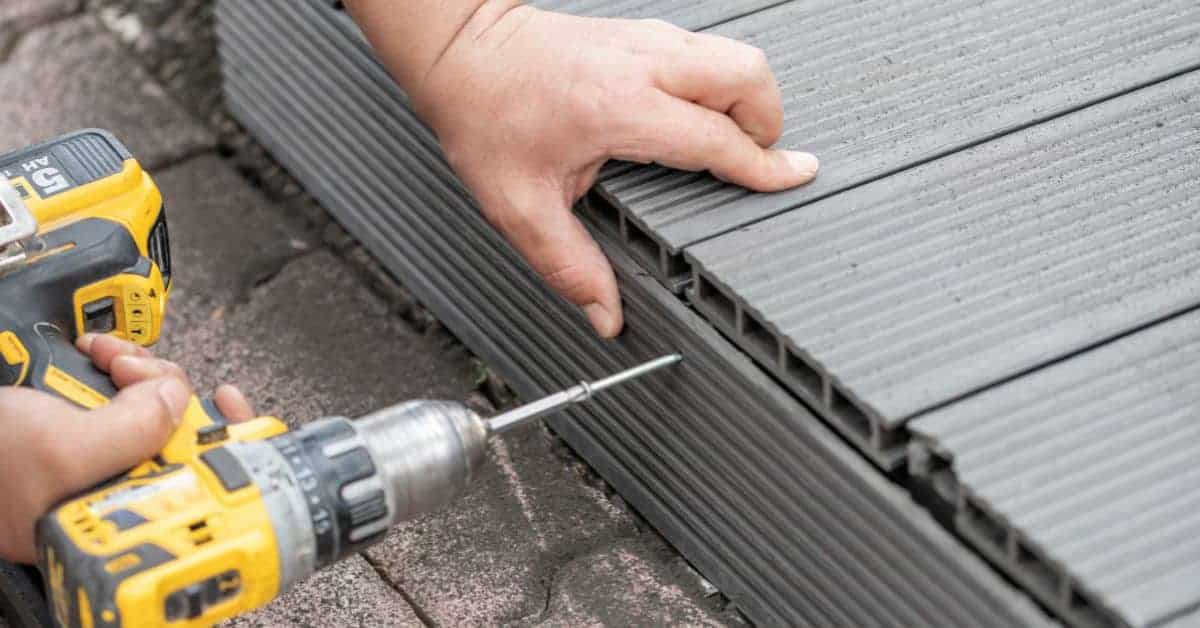
Tools, Materials Checklist, and Visual Checkpoints
Create a practical tool and anchor kit list before starting. Pair anchors to the wall type and planned load. Keep backup options ready for common failure spots.
Visually inspect the hole after installation: the anchor should sit flush and the fixture should feel solid without wobble. Look for gaps, cracking, or noticeable movement as warning signs. Document your setup for future reference.
Tools and materials checklist
Before you start, make sure you have all the necessary tools and materials for a successful hollow-wall anchor job.
- Drill: A cordless drill with variable speed is essential. Skip this, and you’ll struggle with control.
- Drill bits: Have both masonry and wood bits on hand to handle various wall types. Missing the right bit can damage walls or cause installation failure.
- Driver: A screwdriver drill attachment for driving screws into anchors.
- Anchors: Carry a variety of anchor types (plastic, expansion, threaded, etc.) to match your load needs. Not having the right anchor can lead to blowouts or inadequate support.
- Backing materials: Keep some drywall repair patches and joint compound for touch-ups after installation.
- Safety gear: Don’t forget a dust mask, safety glasses, and ear protection. Skipping these can lead to discomfort or injury.
- Tape measure: Essential for accurate marking and measuring. Inaccurate measurements result in crooked or poorly placed anchors.
- Pencil: For marking drill spots. Without it, you’ll be guessing where to drill.
Quick rule: Always double-check your tools and materials before starting a job. Missing something can lead to delays or poor results.
Visual checkpoints for a successful install
After installing anchors, perform these visual checks to ensure they’re secure and won’t cause blowouts later on.
- Flush seating: Check if the anchor head is flush or slightly countersunk. If it’s proud, it can cause cracking or damage when you hang something.
- Cracking around hole: Look for any cracks around the hole. Cracks indicate a weak installation that could blow out under load.
- Firm engagement: Gently pull on the anchor to ensure it’s firmly engaged in the wall. If it wiggles, it might not hold weight properly.
- Screw tightness: Tighten screws by hand until they’re snug but not overly tightened. Over-tightening can strip the screw or cause the anchor to break off.
- Take photos: Document your work with before-and-after photos. This helps you track progress and identify any issues that arise later.
Quick rule: Always inspect your work visually after installation. A quick check can prevent costly repairs down the line.
Detecting Problems Early and Load-Testing Anchors
Use simple, non-destructive checks to assess engagement: ensure the anchor is seated and aligned. A cautious test load can reveal pull without exceeding limits. Note any unusual give or creeping movement during testing.
Record the results and compare them to expectations from the manufacturer data. Look for signs that warrant rework, such as looseness, cracking, or excessive movement. Keep a log of tests and outcomes for maintenance checks.
Quick field pull checks and inspection signs
Before loading your anchor fully, perform these quick checks to ensure it’s securely engaged.
- Gently tug: Apply a light, steady pull. The anchor should feel solid, not wobbly.
- Listen for creaking: Any squeaks or groans could indicate movement in the anchor or substrate.
- Check for movement: Look for any visible shifting of the anchor or surrounding material.
- Observe the wall: Cracks, bulges, or other signs of stress around the hole can signal a problem.
- Feel for wobbl