
Introduction
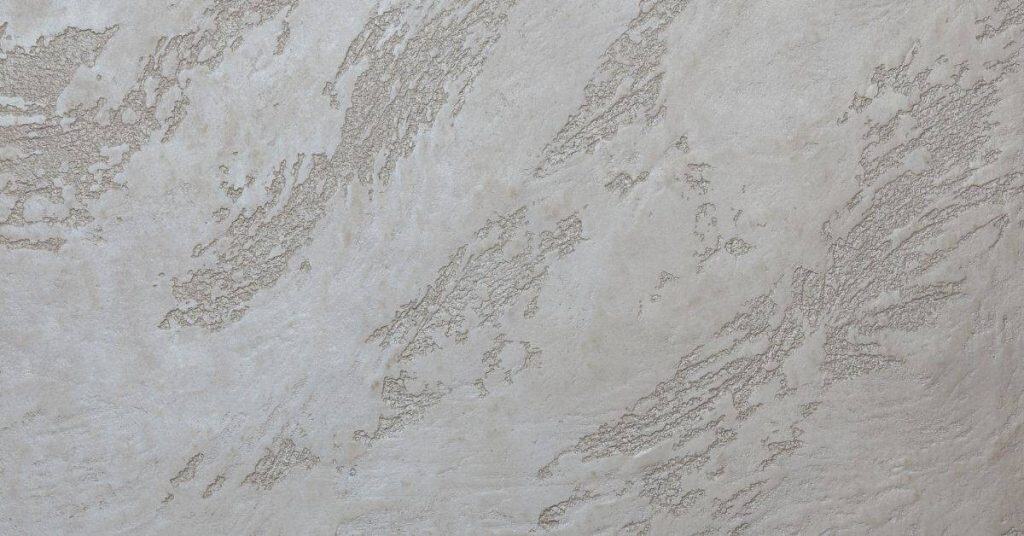
Venetian plaster is a decorative wall finish built in thin troweled layers for depth, movement, and sheen. It can be a DIY project on a sound, dry interior wall when you are willing to make a sample board first, follow one manufacturer’s complete system, and accept that multi-layer polished lime systems can require substantially more skill and coats than acrylic decorative systems.
The name does not identify one universal material or method. Some products are acrylic decorative coatings with a prescribed primer, skim coats, texture coat, and optional proprietary topcoat; traditional polished plasters can be lime-and-marble systems built in several fine layers. For example, the Modern Masters technical data sheet specifies its own preparation, coverage, application sequence, recoat conditions, and compatible protective finish. Read the current technical data sheet, application instructions, SDS, and warranty requirements for the exact product before buying materials.
Key takeaways
- Choose the plaster system first; its primer, coats, recoat interval, polishing method, and topcoat are not interchangeable with another system’s.
- Use Venetian plaster only over a clean, dry, stable, compatible substrate. Solve leaks, movement, loose finishes, and adhesion problems before coating.
- Practice the full coat sequence on a sample board or inconspicuous test area, including the approved finish.
- Apply thin coats and recoat only when the product instructions allow it; drying changes with temperature, humidity, air movement, and substrate conditions.
- A bathroom wall may be possible with a system rated for that exposure. A sealer alone does not make a shower waterproof.
- Stop for peeling, bubbling, persistent cracking, dampness, mold, efflorescence, or an uncertain substrate rather than hiding the problem under another coat.
Table of Contents
- Introduction
- Key takeaways
- Planning your project and room preparation
- Tools, materials, and personal protective equipment
- Step-by-step application process (start to finish)
- Special situations: bathrooms, showers, and high-moisture areas
- Common beginner mistakes and how to avoid them
- Costs, time estimates, and materials calculator
- Advanced techniques, finishes, and creative variations
- Conclusion
- FAQ
Planning your project and room preparation
Measure each wall height and width, subtract large openings if the manufacturer permits that approach, and note every corner, outlet, trim edge, and repair. Decide where you will mix, stage tools, and keep a wet edge. Build the schedule around the exact system’s recoat and cure requirements, not a generic overnight or 24-hour rule. Use the product’s stated temperature, humidity, ventilation, and substrate-moisture limits; lower temperature, higher humidity, and poor air movement can extend drying.
Surface assessment and repairs
The substrate must be sound, dry, clean, and stable. Remove dust, grease, soap residue, loose paint, chalking material, and failed patches. Repair holes and cracks with a compatible repair material, allow repairs to dry as required, and make the wall flat enough that ridges and dips will not telegraph through a thin decorative finish.
- Painted drywall: Confirm the paint is firmly bonded. Clean it, repair damage, lightly dull it only if the plaster system calls for that step, and apply the specified primer or primer-sealer.
- Glossy or sealed surfaces: Do not assume plaster will bond. Clean and degloss only as the selected system permits, then make a test patch to confirm adhesion.
- Masonry or old plaster: Investigate dampness, salts or efflorescence, cracking, alkalinity, and uneven absorption before priming. Persistent moisture or salts require correction before decorative work.
- Wallpaper: Remove wallpaper that is loose, textured, vinyl-faced, moisture-sensitive, or backed by unknown adhesive. Do not plaster over a questionable wallcovering.
- Tile: Do not assume thin-set or direct plaster will solve adhesion. Remove tile, or use only a bonding and primer assembly expressly approved by the plaster manufacturer for sound tile.
Make a sample board using the same substrate, primer, plaster, tint, technique, and topcoat planned for the wall. Let it reach the system’s stated cure condition before judging color, sheen, adhesion, and cleanability under the manufacturer’s published care instructions. Armourcoat’s Spatulata technical document illustrates why this matters: a lime-and-marble polished plaster has its own specified substrate and multi-layer finishing requirements.
Environmental and scheduling considerations
Keep the room within the product’s stated application limits and maintain the ventilation it requires. Find those limits on the product label, technical data sheet, and SDS. Avoid direct drafts or heat that make a coat set unevenly, and do not position fans so they blow dust onto a wet finish. Do not seal up a room where the SDS calls for ventilation.
Do not use a thumbprint, tackiness, or damp-sponge test as a substitute for the manufacturer’s recoat instruction. If the instructions allow an observational check, the preceding coat should be dry and firm enough for the next operation, with no visible moisture, softening, transfer, or drag in a discreet test area.
Protecting the room and adjacent surfaces
Move furnishings where possible. Cover floors with drop cloths, protect counters and fixed items with sheeting, and mask trim, fixtures, outlets, and adjacent finishes. Provide strong, raking work light so you can see ridges and missed areas before they become part of the finish. Raking light can exaggerate small variations that may not be apparent under normal room lighting, so judge the final appearance under both conditions. Keep clean water, cloths, and a waste container close, but do not let wash water or plaster solids enter drains.

Tools, materials, and personal protective equipment
Buy a single, compatible system rather than a collection of generic “Venetian plaster” products. Confirm every item against the manufacturer’s instructions before use.
Shopping checklist
- Selected Venetian plaster product and approved tint or pigment, if used
- Required primer, keycoat, bonding coat, or primer-sealer
- Only the system’s approved wax, sealer, or clear topcoat, if one is specified
- Manufacturer-recommended stainless, plastic, or other trowels; a hawk or loading board
- Clean mixing bucket, measuring tools, and a mixer or stirrer if the product calls for mixing
- Specified abrasive, sanding block, HEPA vacuum or other dust-control equipment, drop cloths, masking material, and work light
- Clean water and sponges only where the instructions permit their use
- Gloves, eye protection, protective clothing, and SDS-specified respiratory protection
Safety gear and safe handling
Wear gloves, eye protection, protective clothing, and the PPE required by the SDS for the plaster, primer, pigment, and finish. Control dust first with careful mixing, local capture where practical, and HEPA vacuuming rather than dry sweeping.
A particulate N95 is not a universal solution: respirator selection depends on the material and exposure, and a particulate respirator does not protect against solvent vapors. Review the SDS and use a NIOSH-approved respirator appropriate to the identified hazard; OSHA notes that silica-dust respirator selection depends on exposure level and the respirator’s assigned protection factor in its guidance on respirators for silica dust. Follow applicable workplace respiratory-protection requirements.
Step-by-step application process (start to finish)
The coat count and technique are system-specific. An acrylic decorative system may prescribe primer-sealer, skim coat, texture coat, second skim coat, then optional sanding and a proprietary topcoat. A polished lime plaster can use numerous fine layers followed by trowel polishing. Do not transfer the timing, burnishing point, or topcoat from one system to another.
Step-by-Step Process
- Confirm the sample and substrate. Verify the wall is clean, dry, repaired, stable, and within the product’s application conditions. Mask the room and set up lighting.
- Prepare and prime. Stir or mix materials exactly as directed. Apply the required primer, keycoat, or primer-sealer evenly. Let it dry or cure for the stated interval.
- Apply the first plaster coat. Load a clean trowel or hawk. Spread the material thinly with the angle, stroke pattern, and coverage specified for the product. Feather edges; do not try to hide a bad substrate with a heavy coat.
- Inspect before recoating. Wait for the stated recoat interval under the conditions stated by the manufacturer. Do not continue over wet, soft, dragging, loose, or visibly moist areas.
- Build the specified decorative coats. Apply each required coat with consistent material, pressure, and stroke overlap. Change stroke direction only where the system and desired sample support it. Keep edges clean and avoid repeatedly troweling a setting area.
- Correct defects at the permitted stage. If the instructions allow sanding, use the specified abrasive lightly, remove dust, and re-establish the required coat sequence. Do not use water or a sponge to rescue a coat unless the product directions specifically permit it.
- Polish and protect. Burnish only at the product’s stated stage, using its recommended tool and pressure. Sheen depends on product composition, timing, pressure, tool angle, passes, and any approved finish—not simply whether burnishing is mechanical or by hand. Apply a wax or topcoat only if the system calls for it, after the stated cure interval.
Manufacturer example: Modern Masters Venetian Plaster
This is an example for that acrylic system, not a universal Venetian-plaster recipe. Its published sequence is primer-sealer, skim coat, texture coat, second skim coat, then sanding and the proprietary clear topcoat where called for. Its published drying information is approximately 1–2 hours to recoat under stated conditions of 70–80°F and 50% relative humidity; its technical data also lists a two-hour recoat time and an eight-hour full-cure time under its stated conditions. The label says not to apply below 55°F, and drying remains temperature- and humidity-dependent. Follow the current label and technical sheet if they differ from this summary.
Completion checks
Inspect under normal and raking light. The finish should have the intended coverage, pattern, and sheen, with no loose edges, soft spots, obvious contamination, or unapproved topcoat. Compare it with the approved sample rather than expecting every handmade section to look identical.
Cleanup and disposal
Clean water-based tools immediately only if the product instructions permit it. Modern Masters specifies warm, soapy-water cleanup for its Venetian Plaster; another system may differ. Scrape remaining material from trowels, hawks, buckets, and mixing tools into a waste container before washing. Related guidance: Mixing Plaster Without Lumps: Water-First Vs Plaster-First and What Changes.
Do not wash plaster solids or contaminated wash water into sinks, floor drains, or storm drains. Let residue settle in a labeled container, remove the settled solids for disposal, and manage the remaining wash water according to local requirements. Keep sanding dust contained: use a HEPA vacuum or another approved dust-control method, do not use compressed air to clean dust, and avoid dry sweeping. Seal collected dust, used vacuum filters, disposable PPE, and contaminated cloths in suitable bags or containers to minimize release. Dispose of unused coatings, sealers, solvent-contaminated materials, and all waste according to the product SDS and local rules.
Curing and aftercare boundary
“Out of service” means no washing, scrubbing, abrasion, direct water exposure, or installation of adjacent fixtures and accessories that can rub, trap moisture against, or damage the finish until the manufacturer’s stated cure or service interval has passed. In a bathroom, keep the surface free of splash and condensation during that period. After cure, follow the finish manufacturer’s cleaning and maintenance instructions rather than assuming any cleaner or resealing schedule is suitable.
Special situations: bathrooms, showers, and high-moisture areas
A plaster finish that is washable in a bathroom or suitable for high humidity is not automatically suitable inside a shower. Use the exact system’s moisture rating and care instructions to distinguish a bathroom wall outside the splash zone from continuous direct water exposure.
Direct shower limitation
A sealer does not create a shower waterproofing assembly. Direct shower use requires a substrate, waterproofing membrane, penetrations, transitions, drainage, and finish system specifically approved by the product manufacturer for continuous wet exposure. If the manufacturer does not expressly approve the complete system for the shower interior, do not install it there. Complex shower waterproofing, existing water damage, and uncertain assemblies are professional work.
Bathroom walls and other humid rooms
For a wall outside the direct wet zone, start with a dry, stable, compatible substrate and a product system rated for the intended exposure. Use the specified primer and finish, protect penetrations and transitions according to the approved assembly, and maintain ventilation that removes moisture after bathing. Do not substitute a generic membrane, thin-set, wax, acrylic coating, or solvent sealer for the manufacturer’s approved components.
Maintenance and long-term care
Follow the finish manufacturer’s cleaning instructions. In the absence of a different approved method, use the mildest cleaning approach the system permits and avoid abrasive pads, harsh chemicals, and bleach unless the specific product instructions expressly allow them. If mold or water damage appears, correct the moisture source first. Staining, softening, peeling, or damage to porous material may require a qualified remediation or finish professional rather than cosmetic touch-up.

Common beginner mistakes and how to avoid them
Prep and adhesion failures
- Applying over contamination, loose paint, wallpaper, or dampness: Stop, identify the substrate problem, and correct it. A new primer will not reliably stabilize a failed layer.
- Mixing systems: Do not pair a plaster with an unapproved primer, pigment, wax, or sealer. Compatibility and warranty conditions belong to the selected system.
- Ignoring movement or recurring cracks: Investigate the cause. Persistent cracking, bubbling, peeling, or substrate movement may require removal of failed material and professional assessment.
Application and aesthetic errors
- Coats that are too thick: Use thinner, controlled passes. Thick application can make texture harder to control and may not dry as the system intends.
- Recoating too early: Follow the stated interval and readiness condition. A wet or dragging coat is a stop sign, not something to force flat.
- Overworking: Repeated passes as the material sets can leave dark marks, ridges, or uneven sheen. Work manageable areas and leave a setting section alone.
- Aggressive sanding or premature burnishing: Sand only if the instructions permit it, and polish at the prescribed stage. Test technique on the sample board first.
Repair decision path
- Wet, soft, or dragging coat: Stop work. Recheck conditions and the product instructions before proceeding.
- Raised ridges or trowel peaks: Correct only by the system-approved method. Avoid heavy sanding that exposes or distorts the base.
- Visible defects after drying: If permitted, lightly spot-sand, remove dust, and recoat or rebuild the affected sequence as directed.
- Poor adhesion, bubbling, peeling, persistent cracking, or substrate movement: Stop and investigate the substrate. Remove failed material where necessary instead of burying it under more coats.
- Color or sheen mismatch: A local patch can remain visible. A larger-area recoat may be needed for a uniform appearance.
Costs, time estimates, and materials calculator
Price the project by system, not by a generic plaster price. Separate plaster from primer, approved topcoat, tint, repair materials, abrasives, masking, PPE, and tools. Also separate active work time from waiting time for drying and cure. Surface repair, removal of wallpaper or tile, complex details, sanding, and polishing can outweigh the time spent troweling.
Worked materials example
For one 8-by-10-foot wall, wall area is 80 square feet. If a three-application system has a published coverage of about 170–190 square feet per gallon per application, multiply 80 by 3: the total is 240 coat-square-feet. Divide 240 by the stated coverage rate: about 1.26 gallons at 190 square feet per gallon or 1.41 gallons at 170 square feet per gallon. That points to about 1.5 gallons of plaster before considering the manufacturer’s packaging, texture, porosity, waste, and any sample board.
Calculate primer and topcoat separately using their own coverage rates. For a room, add each wall area, subtract openings only if appropriate for your estimate, multiply by the number of plaster applications, then divide by the product’s per-coat coverage. Buy only after checking the label because coverage changes with product and technique. Related guidance: Plaster Bonding Agent Application: Coverage Rates and “Tacky Vs Dry” Timing.
Illustrative 8-by-10-foot-wall schedule
Plan this as separate work blocks, not as a promised number of days: first, measure, repair, mask, clean, and make the sample board; next, prime; then complete one active application block for each required plaster coat, with the manufacturer’s recoat wait between blocks; then allow separate blocks for permitted sanding, burnishing, and approved topcoat; finally, clean up and leave the wall out of service for the stated final cure period. A small wall may require little active troweling time but still occupy multiple sessions because waiting time, inspection, and cure cannot be skipped.
For the Modern Masters example sequence, the published recoat interval is approximately 1–2 hours under 70–80°F and 50% relative humidity, with a listed eight-hour full cure under stated conditions. A lime-based multi-layer polished system follows a different schedule. Add time for masking, mixing, edge work, cleanup, and any substrate repair, and use the current instructions for the selected product as the controlling schedule.
Advanced techniques, finishes, and creative variations
Decorative variation comes from the approved material, tint, layer order, trowel strokes, and polishing technique. A sample board is the place to test softer or bolder movement, veining, metallic accents, translucent layers, and sheen—not the finished wall.
Layering, tinting, and color blending
Use only pigments and colorants approved for the system. Mix consistently, document the product and batch information, and make enough material for a continuous section where color continuity matters. Follow the system’s recoat requirements before adding another decorative layer.
Decorative effects and tools
Use the manufacturer-recommended trowel and apply the stroke pattern practiced on the sample. Changing tool angle, pressure, overlap, and timing changes the surface. Avoid improvised sponging, scoring, or veining methods unless they are compatible with the chosen product and tested first.
Sealing for different finishes
Do not treat waxes, acrylic sealers, and solvent-based sealers as interchangeable options. Some systems require a specific protective coat; others may not permit one. Choose only the finish approved for the product, intended room exposure, and desired appearance.

Conclusion
Venetian plaster is best approached as a product system, not a universal recipe. Select the system, verify the substrate, make a complete sample, apply thin approved coats, contain and dispose of residue safely, and respect the stated recoat and cure conditions. Keep shower interiors off the DIY list unless the manufacturer expressly approves the entire waterproofed assembly for continuous wet exposure.
FAQ
What is Venetian plaster used for?
It is a decorative interior finish used to create depth, movement, and a marble-like or polished appearance on compatible walls. Its durability and appropriate room use depend on the exact product system, substrate, finish coat, and exposure.
Do I need special tools or training?
You need the trowels, mixing tools, primer, abrasives, finish products, dust-control equipment, and PPE specified for the system. Training is not required for a small test wall, but practice on a sample board is essential. Hire a professional for large feature walls, lime-based multi-layer polished systems beyond your experience, failed substrates, or complex wet-area work.
What are common mistakes to avoid?
Skipping substrate repair, combining incompatible products, applying coats too thickly, recoating before the stated interval, overworking a setting coat, using an unapproved sealer, and flushing plaster residue into drains are common causes of poor results or unsafe cleanup.
How long does it take to finish a room?
Plan for separate sessions for preparation, primer, each required plaster coat, any approved polishing or topcoat, cleanup, and final cure. The exact duration comes from the product instructions and actual job conditions; do not rely on a universal overnight or 24-hour drying rule. Related guidance: Venetian Plaster Burnishing: A Step-by-Step Timeline and Duration Guide.