How to Repair and Level a Sunken Basement Floor Using Mudjacking (diy Guide)

How to Repair and Level a Sunken Basement Floor Using Mudjacking (DIY Guide)

Introduction

Mudjacking is a practical method to lift and level a sunken basement floor. This guide will show you the practical steps, safety considerations, and common tips for preparing the space, mixing the material, and performing the lift. By the end, you’ll understand when DIY is appropriate and how to avoid common mistakes.

Related: How to level a floor with concrete.

Key takeaways

  • Assess substrate, identify root causes, and plan graduated lift to avoid overcorrection.
  • Compare mudjacking to polyfoam or slabjacking for cost and durability.
  • Calculate grout volume with area, thickness, and lift height estimates.
  • Document permits and insurance requirements before excavation and material delivery.
  • Monitor ventilation and moisture to control odors during indoor mudjacking.
  • Record exact mix ratios and curing times for repeatable DIY results.
  • Inspect outcome with level checks and readdress settled areas promptly.
Table of Contents

What is mudjacking and how it compares to other lifting methods

Mudjacking, or slurry grout lifting, involves pumping a cementitious mix—usually a blend of cement, water, sand, and sometimes specialty additives—under a sunken basement slab to fill voids and hydraulically lift the concrete back toward level. The material cures and bonds with the existing slab, providing load transfer through the grout-filled path rather than replacing the concrete, which is how mudjacking differs from full slab replacement; it also differs from polyurethane foam by using heavier, slower-curing mixes and a pressurized injection process that relies on concrete strength rather than expanding foam. In practice, mudjacking is contrasted with polyjacking, which uses a foam underlayment for lighter lifts and faster curing, and with full slab replacement, which eliminates voids but incurs higher cost, longer downtime, and greater disruption.

Usefulness depends on causes like soil settlement, voids, or moisture issues; mudjacking can be cost-effective for basements when the lift is moderate, cracks are stable, and the substrate is accessible, but DIY attempts are generally discouraged unless you have reliable access, safety gear, and a good understanding of pressure control, because improper pressure can crack edges or trigger differential settlement. For DIY readers and job sites, plan for proper site prep, moisture management, edge sealing, and post-lift sealing or drainage improvements, while weighing downsides such as potential over- or under-correction, vibration, downtime, and the longer-term performance compared with polyjacking or full slab replacement, guiding you to call a pro when risk indicators or unknown voids exist.

Mudjacking explained (materials & process)

Material choices control how long the lift lasts and how the slab looks afterward. Pick the right grout, additives and equipment and the slab will stay put and look clean; pick the wrong stuff and you get staining, re-settlement, or cracked concrete.

  • Typical grout mix — A blend of sand, screened soil or limestone dust and water, sometimes with a small cement content. Look for “masonry grout” or mixes labeled for slab lifting, 0–5% cement for workability rather than full strength. Cheap dirt or high-cement mixes will shrink, crack or leave dark stains; expect $5–15 per 50 lb bag for compatible sand/soil mixes.
  • Cement additive — Portland cement or small cement modifiers are used to stiffen the slurry and speed set. Check the bag for PC Type I or “general purpose” and use only 5–10% by volume unless a fast set is required. Too much cement makes the grout brittle and can crack the slab edge; a 94 lb bag of cement runs $8–12 and is fine in small doses.
  • Sand/aggregate — Clean, well-graded sand gives body and prevents washout under the slab. Look for “concrete sand” or ASTM C33 spec on the bag for particle size and cleanliness. Avoid dirty or clay-rich sand that causes clogging and staining; a 50 lb bag is about $4–8.
  • Polymeric or foam additives — Some systems add polymers or foam for weight reduction and long-term void fill. Check manufacturer specs for compressive strength and compatibility with concrete. Use these when you need lightweight lift or reduced pressure on weak soils; skip them if you want simple, inexpensive mudfill. Foam systems cost more and wrong choice can leave soft voids or chemical staining.
  • Pump and hose — A piston or diaphragm grout pump rated for slurry work is necessary. Look for pumps listed for grout or mudjacking with 1–2 in. hose ports and 100–200 psi capability. Small homeowner rental pumps run $50–150/day; don’t try with a paint sprayer or cheap transfer pump — they clog and can cause sudden pressure failures and slab pop-outs.
  • Injection ports & patch mix — Use durable plastic ports and a patch mortar for the small access holes. Choose ports designed for concrete and a fast-setting patch labeled “concrete repair” with 3000+ psi. Cheap plastic or drywall patches will pop out or stain, and weak patch mixes lead to water intrusion and freeze damage; expect $10–25 for a box of ports and $5–15 per bag of patch.
  • Water & mixing — Clean water only; contaminants change set time and strength. Aim for a workable slurry consistency — not soupy, not clumpy — and check bag directions for water-to-mix ratios. Using dirty or chlorinated water can slow cure or cause inconsistent strength, which means re-leveling later; a homeowner hose is fine, no special water treatment required for most mixes.
  • Tools & safety gear — A good mixing paddle, drill (700–1500 rpm), shovels, gloves and eye protection are musts. Rent a 1/2 in. or 3/4 in. drill and paddle if you don’t own one; cheap drills get hot and die on heavy slurry. Skimping on PPE or using a tired drill risks injury and sloppy mixes that weaken the fill.

Pro tip: Buy labeled concrete/masonry products from a building center, keep bags dry on pallets, and mix to bag directions. Start with small test batches to dial in water content before you pump the whole job.

Polyurethane foam vs. mudjacking vs. replacement

Quick answer for making a decision: use polyurethane foam for fast, clean fixes; mudjacking when budget matters and the slab is intact; replace when the slab is broken or you want a brand‑new finish. Polyfoam installs fastest — crews can lift and walk away in minutes, but you’ll pay more per square foot. Mudjacking is cheaper per sq ft and uses a cement slurry, so plan on more cleanup and some cure time. Full replacement is the most costly and disruptive but gives the longest-term, permanent result when the slab is structurally compromised.

Speed and cure time matter on projects. Polyurethane expands and cures in minutes to an hour; you can usually use the surface the same day. Mudjacking needs hours to a day to set and may remain damp longer. A replaced slab needs demolition, form work and 24–72 hours or more before light use, longer for full strength. If you have indoor work, choose polyfoam — it’s the least messy and best for confined areas. Mudjacking indoors is workable but messy; replacement indoors is noisy, dusty, and often impractical without major containment.

Cost, longevity and environmental notes: expect polyfoam at the higher end per sq ft but with a long lifespan and minimal ground disturbance; there’s a short chemical odor during injection. Mudjacking is lower cost upfront, has decent longevity if the base is sound, and uses benign materials but can shift if the subbase is poor — check base compaction before betting on it. Replacement has the highest material and labor cost, creates the most waste, but when done right it lasts the longest.

What to do: if the slab is only sunken and not cracked, call a pro for polyfoam if you want quick, indoor-friendly work, or mudjacking for a budget fix on exterior slabs. If there are wide cracks, crumbling edges, or repeated settlement, budget for replacement. Don’t save money by skipping a subbase check — that’s the number one cause of failures after any lift.

When mudjacking is the best choice for a basement

Choose mudjacking when you have a thick, heavy concrete slab sitting over a large void or washed-out fill. It handles big volumes of material well and is cheaper than full replacement for large areas. If the slab is at least 3–4 inches thick and you need to fill wide gaps underfoot, mudjacking is often the practical answer.

Also pick mudjacking when budget matters and you want a low-odor option for occupied spaces. Many crews can use wet mixes that don’t smell like foam, and the job is quick so you won’t be living in a construction zone for days. Before you book anyone, check base compaction, confirm slab thickness, and make sure there’s clear access for rigs and hoses.

Skip mudjacking when the slab is thin, crumbling, or part of a finished floor you don’t want disturbed. Don’t use it for active water or drainage failures, or when you need millimeter-precise lifts on small sections — polyurethane or full replacement may be better. If the basement has finished surfaces, hidden utilities, or ongoing moisture problems, get an inspection first and be ready to choose replacement or foam depending on the findings.
Back to top ↑

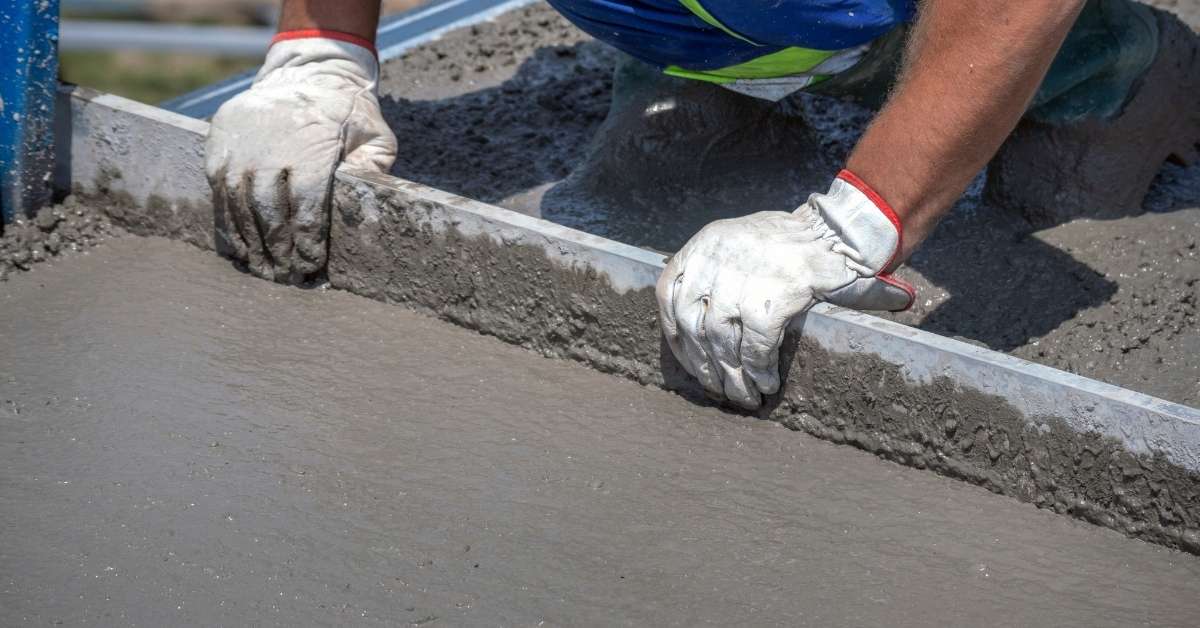
Gloved hands smooth freshly poured concrete along a form edge.
Screeding level concrete with a straightedge helps keep the surface even and reduces back strain.

How to diagnose a sunken basement slab and root causes

Assessing a sunken basement slab begins by defining the extent and scope of settlement—whether it is localized or widespread and whether it affects structural elements or only finishes—so you can establish baseline measurements and monitor progression over time. Use simple, accurate methods such as a straightedge, laser level, or snap laser to quantify drops, record elevations at multiple reference points, and sketch a map or diagram that highlights critical patterns.

Look for directional sinking, clusters of nearby cracks, and wet or damp zones that signal movement pathways or drainage issues, and note any seasonal or rainfall-related changes to help distinguish transient shifts from ongoing failure. This root-cause framework guides you through evaluating likely factors—soil washout, poor initial compaction, plumbing leaks, improper grading, or drainage failures—while separating transient events from persistent problems. Collect visual evidence and field notes carefully, capture photos, assess utility accessibility, and decide when professional consultation is warranted, so you can plan safe, effective remediation with a clear prior record.

Step-by-Step Process

This sequence walks you through a practical on-site diagnosis: get the area ready, map the problem, verify likely causes, and finish with basic fixes and checks so you know whether you can handle repairs yourself or must bring in pros.

  1. Clear and secure the work area. Remove furniture, cover utilities, and turn off basement HVAC or dehumidifiers so nothing skews moisture checks; this prevents accidental damage and gives you room to work. Check that the slab surface is dry and free of dust—if it isn’t, wait until it is or dry it with fans for a few hours. Stop and call a pro if there are exposed live electrical lines or sewer backups.
  2. Document existing conditions with photos and measurements. Walk the slab and photograph cracks, offsets, and nearby foundation walls; note measurements with a tape or laser to create a baseline for changes. A simple straightedge across a suspected low spot should show a visible gap if the slab is sunken—record that gap. If you find gaps over 1/2″ or large stair-step cracks, pause work and call a structural engineer.
  3. Sound the slab to map hollow areas. Tap the concrete with a hammer or screwdriver and listen for a hollow “ring” versus a solid “thud”; mark hollow zones on the floor with chalk. This tells you where voids or poor subgrade exist and focuses any further checks. If hollow areas are extensive or you can feel movement underfoot, stop and get a professional slab-lifting contractor involved.
  4. Check surface and subsurface moisture sources. Inspect gutters, downspouts, exterior grading, and any plumbing runs that cross the slab; measure soil/wall dampness with a moisture meter if you have one. Fixing the water source matters before repairs because continued moisture will ruin any lift or patching—verify by re-checking after running a hose test for 10–15 minutes outside. If you find running leaks, sewage, or standing water you can’t isolate, call a plumber or waterproofing contractor.
  5. Measure differential levels and set permanent reference points. Pick two or three fixed spots away from the sunken area and note elevation differences with a long level, laser level, or water level; repeat measurements to confirm. A consistent repeatable reading (within 1/8″) means your baseline is reliable for monitoring. If readings keep changing over a few days, that indicates ongoing settlement and you should involve a pro before attempting repairs.
  6. Perform a small test repair or probe (shallow cores or grout test) only if conditions are limited. Drill one small 1″ core or inject a tiny amount of non-expanding grout/polylift in a marked hollow to see if voids close and the slab stabilizes locally; this confirms repair feasibility. Check after initial set—if the slab rises slightly and the hollow sound disappears, the test succeeded; allow the material cure time per product (typically 24–48 hours) before loading. If the test fails to lift or the slab fractures, stop and call a licensed slab-lifting crew.
  7. Monitor and finish: level re-checks, surface repairs, and cleanup. After any test or minor repair, re-measure the reference points, patch cores or cracks with appropriate repair mortar, and clean dust from the site; re-test moisture sources after 24–72 hours. A stable measurement and solid-sounding slab with no new moisture signs means you can move forward with final patching. If movement recurs during the monitoring window, call a structural contractor—this isn’t a DIY fix.

Pro tip: Don’t skip the simple sounding and moisture checks — most DIYers jump to lifting the slab and miss the root cause. Diagnose and stop water or plumbing issues first; small test lifts tell you whether the problem is a local void (DIY possible) or active foundation settlement (call a pro).

Visual and measurement checklist

Start with a quick walk-around: measure fall in inches from high points to low spots with a long straightedge and a spirit level or laser level. Run a string line across the slab at several axes and drop a tape to the slab to record low points. Write down each reading and the location — basement corners, center, near walls and under big loads like water heaters.

Map every crack and joint with a camera and a marker on a printout or sketch. Note crack width, length, direction, and whether the crack opens or steps at control joints. Pay attention to new cracks or ones that follow drains, columns, or exterior walls. If a crack widens over a few days, take daily photos to compare.

Check adjacent areas for settlement: flagstone, sidewalks, downspout discharge points and soil lines outside. Look for gaps at the foundation, tilted posts, or dropped steps — these tell you if the slab sinking is local or part of wider ground movement. Keep notes handy for the repair contractor and refer back to the earlier step-by-step process when deciding whether a DIY fix is realistic.

Signs you need a structural engineer or pro

If you see the slab bending or a floor that feels like a hammock — don’t tinker. Big deflection, a gap between slab and wall footing, or a slab drop greater than about 1/2 inch is a red flag. Grab measurements and photos, but stop any DIY leveling attempts if the slab is visibly curling or cantilevering.

Long, wide cracks that go through walls or stair-step cracks in foundation blocks mean the load path is changing. If cracks are growing week to week, or you notice doors and windows sticking while the floor keeps moving, call an engineer. Ongoing movement is exactly the moment to stop guessing and get a professional evaluation.

If plumbing, gas, electrical conduit, or HVAC lines are pulled, leaking, or under stress, shut off affected systems and call a pro immediately. Don’t try to patch compromised utility lines yourself — that’s dangerous. Photograph the damage, restrict access to the area, and contact a licensed structural engineer or an experienced foundation contractor for an assessment.

How soil, water, and loads affect outcomes

Clay, silt, sand, and loose fill behave very differently under a slab. Clay swells and shrinks with moisture. Loose fill settles. Sand drains but can wash away. Before you start patching or lifting, check base compaction and know what’s under the slab — that’s the single biggest thing that decides whether a repair lasts.

Water makes or breaks a job. A high fluctuating water table or poor drainage will keep soil soft and push on the slab from below. If you see standing water, persistent damp spots, or a high water table, fix drainage first — raising the slab over wet soil is tossing money at a future failure.

Finally, think about loads. Concentrated loads — old boilers, masonry walls, heavy shelving — can crush weak backfill or cause local punches. If your slab sank near a heavy appliance or a point load, don’t just lift the slab; address the load path and replace or reinforce the support beneath. If you’ve already run through the visual checks and measurements earlier in the article, use those results to decide whether you can DIY or call in pros for soil stabilization or drainage work.

Back to top ↑

Tools, equipment, and materials you’ll need

Preparing an indoor mudjacking project starts with a clear split between rental versus purchase items, plus the essential PPE and containment gear you’ll need for a basement. Core tool groups include pumps or injection rigs, hoses, mixers or drills with paddles, buckets, trowels, pry bars, measuring tools, chisels, and a compact portable lighting solution for dim spaces. Materials and consumables cover mud or foam mixes, water, sealants, containment measures like plastic sheeting and tape, and repair cartridges, with quantities tailored to project size.

Understanding whether to rent or buy keeps cost in check and aligns with project scope, lifespan, and maintenance needs. For DIY jobs, renting specialized pumps can be economical for short runs, while basic hand tools are worth owning long term, with planned rental periods and return criteria. This planning helps you anticipate supplies, organize a safe workflow, prevent contamination through proper containment and cleanup, and protect floors, walls, utilities, and occupants from start to finish.

Injection/pumping equipment and drill bits

These are the tools that actually get grout or resin into the wall and make the holes to do it. Pick a pump that matches the material you’ll use, and pick drill bits that match the block or brick. If you already read the tools list earlier, this is the hands-on gear you’ll either buy or rent.

  • Electric grout pump — A small 110V grout or injection pump pushes epoxy or cement grout into ports at steady pressure. Look for 30–100 psi or a pump rated for viscous materials; size for basements is usually 1–5 L/min. Rent one for $50–$100/day or buy $400–$1,200; wrong pump clogs or blows seals and ruins materials.
  • Manual hand pump — A pistol-style or lever hand pump works for small runs or inaccessible power. It’s optional and fine for single-crack repairs or when you don’t want to rent a machine. Tip: you’ll tire quickly; under-pumping leaves voids and over-pumping causes blowouts.
  • Injection ports/packers — Ports are the fittings that sit in drilled holes and direct material into the crack. Use fixed threaded packers for pressure work or peel-and-stick ports for low-pressure cement. Don’t skip decent packers: poor ports leak at the surface or tear out under pressure.
  • Injection hose and gun — A short flexible hose and a handheld gun/nozzle make it easy to aim grout into each port. Pick hoses rated for your pump pressure and chemical compatibility. Cheap hoses swell or burst; always secure connections and test pressure first.
  • Hammer drill (SDS) — A 1,000–1,800 W SDS hammer drill makes clean holes in concrete and brick quickly. Use masonry bits at the right RPM and hammer setting; for injection holes 5–12 mm is common. Cheap cordless drills struggle; using the wrong drill will cause wandering holes and cracked blocks.
  • Core bits — Diamond or carbide core bits create clean, large-diameter holes for big ports or deep cavities. Rent a core drill for $60–$150/day; home purchase is $150–$600 for light use. Wrong cores overheat and chip edges, weakening the structure and making poor seals.
  • Spade/auger bits — Spade or auger bits are for fast, shallow holes in softer mortar or timber behind walls. They’re inexpensive and optional for mortar-only injection. Warning: use spades only where material is soft; using them in brick will split the face and cause poor port seating.

Pro tip: Match the pump and ports to the material first, then choose drill bits to fit those ports. Rent heavy pumps and core drills if you’re unsure — it’s cheaper than buying the wrong tool and wrecking the wall.

Grout mix, additives, and quantities

Pick the mix based on the void size and the strength you need. For small permeation jobs use a thin, watery grout that will penetrate—plain cement slurry (cement + water) or cement with a bit of fly ash works well. For larger voids use a cement-sand grout (common ratios run from about 1:1 to 1:3 cement:sand by volume) so the mix won’t collapse into a lump. Add a superplasticizer if you need more flow without adding water, and use bentonite only when you need temporary sealing or suspension—don’t add it if you need final strength.

Add cement when you want structural lift and long-term strength. Add lime or more fly ash when you want a softer, slower-setting grout that will travel further but won’t lock up hard. If in doubt: choose higher cement content for under-slab lift where load-bearing strength matters; choose lower cement or lime/fly ash blends for void filling/underseepage where penetration matters. Do not double water to make things runny — that kills strength.

To estimate how much grout you need, measure the slab area (length × width) and the lift depth per injection point. Multiply area (ft²) by lift depth (inches) and divide by 12 to get cubic feet, then divide by 27 to get cubic yards. Order at least 10–20% extra for waste and overrun. If you need a bag count, take that cubic-yard number to your supplier and ask for a ready-mix quantity or a bag-equivalent for your chosen ratio rather than guessing bags on-site. Also check base compaction before grouting — there’s no fix for a badly compacted slab once the grout hardens.

Safety gear and site-protection supplies

These items protect you and the house while you drill, inject, or work under load. They aren’t fancy, but the right gear prevents health problems and big repair bills later.

  • Respirator (N95/half-mask) — Stops breathing dust, silica, and grout mist while drilling or pumping. Use an N95 for light dusty work and a half‑mask with P100 cartridges when using additives or long runs; cartridges are rated by particulate and chemical type. Rent or buy; expect $15–$200; using the wrong filter gives you a false sense of safety and long‑term lung damage.
  • Eye protection (safety goggles) — Shields eyes from flying concrete, grout splatter, and drill bits. Choose sealed goggles over regular glasses for splash work and chemical additives. Cheap goggles ($5–$20) are fine; don’t skip them or you risk permanent eye injury from splatter.
  • Plastic sheeting & tape — Protects floors, walls, and furniture from grout and slurry. Use 6–8 mil poly and contractor’s tape for good adhesion; overlap seams by 6 inches. Inexpensive and essential ($10–$40 per roll); using thin sheeting or poor tape leads to soaked finishes and mold later.
  • Ventilation fan / air mover — Keeps dust and fumes out of the work area, especially in basements or enclosed crawlspaces during injection. Use a blower that moves several hundred CFM and point it so air exits the space; consider a ducted fan for confined spaces. Rent or buy ($50–$200 rental, $100–$400 purchase); poor ventilation risks fumes buildup and breathing hazards.
  • Floor supports / hydraulic jacks — Temporary supports for working under a loaded slab or beam. Use rated screw jacks or adjustable shoring posts sized for the load (check tonnage rating). Rent if you don’t own them ($20–$60/day); undersized supports can collapse and cause structural failure or injury.
  • Nitrile gloves — Protect hands from grout chemicals and rough surfaces. Use nitrile over latex for chemical resistance and puncture protection; change gloves when torn or contaminated. Very cheap ($6–$20 per box); using no gloves can give you skin burns, dermatitis, or weakened grip on tools.
  • Disposable coveralls & boot covers — Keep clothing and floors clean when drilling and pumping grout. Choose coveralls with a hood and taped seams for splash work; boot covers prevent tracking slurry through the house. Low cost ($10–$40 each); skipping them means big cleanup and ruined clothes or carpets.

Pro tip: Combine a fitted respirator, sealed goggles, and a ducted fan for the best protection when injecting or working in tight spaces, and always use rated floor supports rather than improvising—cheap fixes bite you later.

Back to top ↑

Pre‑work planning and permit/insurance considerations

Before starting mudjacking or related structural work, map the plan: identify all utilities and underground lines near the project area by calling 811 and mark them, then design safe access routes to prevent accidental damage during drilling or lifting. Check local permit requirements and building code implications for repairs, noting whether a licensed contractor is needed or if homeowner DIY permits are permissible, and outline the steps to obtain any approvals. Review potential insurance implications by notifying your homeowners insurer if you suspect structural issues or if the work could affect coverage, and confirm how DIY activities might impact policy terms or warranties.

Assess moisture, drainage, and encapsulation concerns that could affect mudjacking success, and decide whether extra waterproofing or sump/ventilation adjustments are needed before work begins. Define a safety and access plan that covers PPE, stabilization, access points, dust control, noise considerations, and a clear sequence to prevent water intrusion or floor movement during lifting, so the job stays controlled and predictable. Plan scope, budget, and contingencies by confirming the method (mudjacking vs foam lifting), rough cost ranges, disposal considerations, and thresholds for pausing or calling in a pro if cracks or shifting walls become evident.

Locating utilities and avoiding hazards

These are the common mistakes I see on jobs where people skip the details. Each one can turn a simple hole into a costly repair or a dangerous hit. Read them and fix your plan before you start.

  • Trusting paint marks — Paint or flags can be wrong or shifted. Treat them as a hint, not gospel. Always verify with a locator or detector and confirm by hand-exposing if there’s any doubt.
  • Using cheap detectors — Low-quality devices miss low-voltage, metal-clad, or buried plastic lines. Rent a contractor-grade locator or call for a professional locate when in doubt.
  • Skipping as‑built checks — Ignoring plans and previous work is common. Look at as-built drawings, utility maps, and photos from prior installs before you cut or dig.
  • Marking, not verifying depth — Marks show planarity, not depth. Verify depth with a probe or vacuum expose near the mark before drilling or excavating.
  • Drilling near assumed studs — Stud finders lie in older homes and around wiring. When drilling at studs or cabinets, bore a small inspection hole first or open a section to confirm what’s behind the wall.
  • Rushing hand‑digging — People switch to power tools too soon. Hand‑excavate to expose utilities at the start point and at any change of direction to avoid surprises.

Double-check these points every time. A few extra minutes of verification beats a repair bill or worse.

Permits and local code notes for basements

Before you swing a hammer, call the local building department. Ask specifically about permits for structural repairs, foundation work, and pressurized injections. In many towns those injections — epoxy or polyurethane under pressure — are treated like structural repairs and require a permit, an engineer stamp, or both. Tell them you’re working on a basement and get the exact code section or permit name; write down the contact and permit number.

If a pro is doing the work, insist they pull the permit in their name or show proof they’re licensed to do that exact scope. Contractors who skip permits to save time are a red flag. Expect scheduled inspections. Don’t hide work behind drywall until the inspector signs off. For sump, drainage or egress changes, ask whether separate permits are needed — those are commonly regulated even if the crack repair itself seems minor.

Call your insurer and lender early. Some insurers will deny a future claim if unpermitted structural work is discovered. Keep copies of permits, inspection reports, and before/after photos. If your town’s website is thin, a quick phone call is still the fastest way to know whether you need drawings, an engineer, or special licensing for injections or pressure-based fixes.

Insurance and liability basics for DIYers

Before you pick up a tool, call your insurance company or check your policy. Find out whether your homeowner policy covers damage caused by DIY repairs, and whether there’s a dollar limit or exclusions for certain trades. If you plan to hire any subcontractor, confirm they carry their own liability insurance and that you’re not on the hook for their mistakes.

Document conditions before and after work: photos with dates, short notes on what you found, and receipts for materials. Keep this paperwork handy if you need to file a claim or defend against a warranty dispute. If a repair could affect a manufacturer’s warranty or a permit requirement mentioned earlier, assume you may void that warranty unless you get written permission.

Be realistic about risk. If your work could cause water, structural, or electrical damage that affects neighbors or common areas, you can be held financially responsible. For larger or risky jobs, consider a licensed pro or a short call to your insurer to get written guidance. Don’t gamble with someone else’s property or your home’s insurance standing.

Back to top ↑

Detailed step-by-step mudjacking process (DIY workflow)

This section outlines a detailed, step-by-step mudjacking workflow for a basement slab, from planning and prep through drilling, slurry mixing, lifting, and finish checks, with attention to utilities, moisture checks, and containment. It emphasizes defining scope, securing utilities, PPE, dust containment, and choosing between mud or foam while ensuring access, pattern layout, and surface protection before any concrete is pumped, and moisture considerations across walls and perimeter. You will follow a disciplined sequence of prep, controlled increments of lift, endpoint verification for level, plumb, and slope, plus post-lift curing, cleanup, and grout sealing to prevent future issues, and to support long-term performance and compliance.

This guidance helps DIY readers anticipate problems, document conditions, monitor lift with gauges or sight lines, implement contingencies for overcorrection, moisture intrusion, or unexpected subsurface voids, and record baseline measurements before starting. By detailing tools, site setup, safety, and quality control, it clarifies the tradeoffs of mud versus foam for indoor use and clarifies when to call a pro if structural or plumbing concerns arise, including ventilation, temporary lighting, and access paths. Adherence to the plan supports predictable results, minimizes damage to finished areas, and creates a clear record of work and observations useful for future maintenance and potential repairs, and note any deadlines for follow-up inspections.

Step-by-Step Process

This sequence gets your sunken slab back level, fills voids, and leaves a clean, usable surface. Follow steps in order and respect the short waits between injections and final curing.

  1. Inspect and mark areas to lift. Walk the slab, tap for hollow sounds, and mark low spots and crack limits so you only address the right sections. A good check is a straightedge showing the gap you need to correct. Stop and call a pro if the slab is broken into multiple unstable pieces or the foundation looks compromised.
  2. Set up tools, drill holes, and prepare slurry. Position jacks, hoses, drill 5/8–1″ injection holes at the marked spots, and mix your mudjacking slurry to the manufacturer’s consistency. The reason is to create controlled entry points and a pumpable mix. Check that the slurry flows without large clumps and that hoses seal; if you can’t get a consistent mix, pause and consult the product helpline.
  3. Begin low-pressure injection and watch lift progress. Inject slowly under the slab to push up the concrete; start with the lowest hole and work outward to control movement. You do this to avoid over-lifting and cracking. A correct check is the slab moving smoothly under the straightedge with no sudden jumps; stop and call a pro if the slab shifts violently or you hear grinding.
  4. Stage lifts and recheck elevations. Lift in small increments, allow the slurry to settle for a minute between passes, and re-measure with a level or straightedge after each pass. Small lifts prevent cracking and let void material flow under the slab. If you can’t hold position within 1/8″ after a few attempts, get a pro involved.
  5. Fill remaining voids and seal injection holes. Once level, inject remaining slurry at peripheral holes to fill voids, then patch the drill holes with compatible grout or epoxy. This locks the slab and prevents future sinking. Check patches are flush and cured to touch per product directions; if patches sink or squeeze out, stop and have an expert inspect the voids.
  6. Finish surface and control drainage. Re-grade soil edges, restore any disturbed joints, and ensure the slab slopes away from structures for proper drainage. Proper drainage keeps the repair from failing again. Verify water runs clear off the slab after a light hose test; if pooling persists near the repaired edge, consult a pro for drainage correction.
  7. Clean up and final cure/inspection. Remove tools, sweep slurry residue, and allow the repair to cure as specified (typically 24–48 hours before light foot traffic, longer for vehicles per product). The cure time ensures full strength and stability. If the slab settles again within the first week, stop use and call a specialist.

Pro tip: Work slowly and measure often—small, controlled lifts beat one big shove. If anything moves unpredictably or you doubt the slab’s support, pay the pro; cheap mistakes cost more to fix later.

Site prep and temporary remediation

Clear the work area of furniture, planters, loose debris and anything that could get dusty or knocked over. Move lightweight items out of the room and cover built-ins, doors and fixtures with drop cloths or plastic sheeting. If you leave anything near the slab, expect dust and vibration damage.

Protect adjacent walls and fixtures where you’ll drill or work overhead. Tape cardboard or rigid panels to drywall corners and secure plumbing or electrical covers. For garage doors or windows next to the slab, prop a piece of plywood against them while you drill to stop chips and spray.

Set up ventilation and control dust. Run a box fan or two out a window and keep doors closed. If you’re working near heavy equipment or a stacked water heater, shore heavy items with blocking and straps so they don’t shift when the slab moves. Also check base compaction under items you can’t move—if it’s soft, shore it before pumping or you’ll create new problems.

Drilling injection holes and layout strategy

Mark low spots and load points with chalk or spray paint, then snap a few straight lines so your holes form a staggered grid rather than a straight row. For most residential slabs aim for about 2–3 ft spacing in heavily settled areas and 3–4 ft for typical settlement; don’t stretch more than 6 ft between ports or you’ll get uneven lift. Keep holes at least 6–8 in from the slab edge and avoid drilling through control joints or near visible cracks where the slab has separated.

Use a rotary hammer with a masonry bit sized to your injection ports — typically 5/8″ to 1″ bits work; 3/4″ is common because it fits standard lift ports. Drill straight down through the slab thickness until you break into the base layer, then back the bit out one turn to clear dust. You usually only need to penetrate slightly into the base (about 1/2″–1″) so the grout can flow; don’t gouge out the subgrade.

Before you drill every hole, probe with a steel rod or screwdriver to confirm voids and to check base compaction where you plan to inject. Align ports so grout is delivered under bearing points — corners, along load-bearing ribs, under steps, and under the low side of slab edges. If you see a long unsupported bay, place a denser row of ports there rather than spread them evenly across the whole slab.

Label each hole and keep a simple map as you go so you can control fill and pressure during lifting. If you hit rebar, stop and move the hole a few inches; if you suspect utilities, call a locator before drilling. Small, deliberate spacing and careful alignment beat blasting extra holes and guessing later.

Pumping slurry, monitoring lift, and finishing

Start pumping slow and steady. Attach the hose to the first injection hole and push slurry until you see the slab begin to rise or slurry coming back at the edges. Stop the pump, move to the next hole, then return and repeat. Too much pressure will crack the slab or blow out grout lines, so keep the pressure controlled and listen for hollow sounds under the slab.

Make only incremental lifts. Raise the slab a little at a time and check with a straightedge and level after each pass. Walk the job and measure across several points rather than trusting one spot. If you overshoot, you can let a little slurry back out into a bucket and re-level, but it’s safer to end slightly low and add more than to over-lift.

When the slab sits at the target final grade, plug the holes with patch mortar or high-strength concrete mix and strike them flush. Clean excess slurry from the surface before it sets. Let the patch cure per the product directions, then re-check elevation and joints. If something still feels spongy or moves, there’s likely an untreated void—don’t ignore it; drill a nearby hole and repeat the process.

Back to top ↑

Exact mixing ratios and how to estimate grout volume

Exact mixing ratios for mudjacking grout are given by both volume and weight, with typical indoor and exterior ranges clearly distinguished so you can convert between units as you prep your lift. Practical, printable recipes mix cement, sand, and water in straightforward variants (for example, a simple 1:1:1 by volume or low‑shrinkage options) and include guidance on achieving a pourable but not runny consistency suitable for basement floors, plus notes on retarders and slump control for indoor use. An easy method to estimate required slurry starts with the lifted volume, converts to slurry density, and applies a standard coverage factor to produce a close target in cubic feet or cubic yards of grout.

Why this matters on a DIY or jobsite: precise ratios prevent over‑ or under‑filling, and explicit weight‑to‑volume conversions keep you consistent across equipment and batches. The guidance on indoor adjustments helps maximize work time, pumpability, and cleanup while reducing waste and curing problems. This section also emphasizes safety, clean measurement discipline, and practical pitfalls to avoid so you can size, mix, and place grout confidently without guesswork.

Sample mix recipes for basement mudjacking

Short reminder: you already covered how to estimate grout volume, so here are practical mixes you can actually mix and pump. Start small, test pumpability and adjust water — better to be a little thick and pumpable than soupy and weak.

For thin lifts (1–3 inches): use a flowable slurry for easy filling. A reliable starting point is about 1 part Type I/II Portland cement to 5 parts clean concrete sand by volume, with water to reach a creamy, pourable consistency (think pancake batter). This stays pumpable and cures reasonably fast for small lifts.

For higher lifts or when you need better early strength (3–8 inches): bump the cement ratio to about 1 part cement to 3 parts sand and cut water back slightly so the mix is thicker but still pumpable. If you need a faster set, add 10–20% extra cement by weight to the batch or use a commercial non-chloride accelerator sparingly — don’t overdo accelerators in basements where corrosion could be an issue. Always check base compaction before pumping and make a small test batch to confirm setting time and pump behavior.

How to calculate volume and material costs

Material choice changes how the slab looks and how long it lasts. Use the slab area × lift height to get cubic feet, then convert to bags or tons as covered earlier; below are the common materials you’ll actually buy and what to watch for.

  • Portland cement (Type I/II) Used as the binder in concrete and grout mixes. Look for ASTM C150 Type I or II and a listed compressive strength (usually 3000–4000 psi). Cheap cement or wrong type leads to early cracking and poor set control; a 94-lb bag runs about $8–$12.
  • Preblended concrete bags All-in-one option for small jobs and patches. Check for “3,000 psi” or higher and whether it’s Rapid Set or high-early strength if you need quick traffic return. Good for DIY slabs; avoid cheap low-strength blends for load-bearing repairs—bags cost $4–$12 each depending on brand.
  • Masonry sand Fine aggregate to bulk out grout and control shrinkage. Look for clean, well-graded sand with minimal fines and no organic matter. Using cheap muddy sand will weaken the mix and stain finishes; expect $5–$10 per 50-lb bag or $20–$40 per ton delivered.
  • Pea gravel / 1/4–3/8” aggregate Adds bulk and reduces shrinkage in thicker lifts. Check particle size and angularity; rounded pea gravel gives better flow for mudjacking-style fills. Don’t use oversize or crushed rock in thin lifts — it creates voids and poor bond; bulk prices vary $30–$70/ton.
  • Polymer admixtures Improve bond, flexibility, and freeze-thaw resistance in grout. Look for acrylic or PVA modifiers with mix ratios printed on the bottle and compatibility with cement. Use them when you need better adhesion or less dusting; they cost $20–$50 per gallon but prevent delamination that cheap mixes suffer.
  • Bonding agent (acrylic) Surface primer for old concrete to grab new grout or patch material. Choose an acrylic-based bonding agent with VOC and substrate instructions on the label. Skip it and the new material may pop off; a small bottle is $15–$40.
  • Expanding polyurethane / grout foam For void-filling under slabs or precise lift control without heavy mix. Check injection pressure rating and cured density — lower density is for void filling, higher for lift. Use for small lifts and when minimal disturbance is required; wrong foam causes uneven lifts or expansion cracks. Injection kits run $100–$500, or hire pros if you don’t have experience.
  • Hydraulic cement / quick-set patch For plugging active leaks and sealing holes before grouting. Look for “fast-setting” and calcium aluminate or hydraulic binder claims on the bag. It sets very quickly—good for stops, not for bulk pours; a 10-lb bag is $7–$15 and choosing the wrong plug can lead to ongoing water problems.
  • Tools and consumables Mixer, paddle, wheelbarrow, tamper, and safety gear. A 1/2″ drill with mixing paddle works for bags; rent a drum mixer for big batches. Cheap tools slow you down and cause poorly mixed grout—rent or buy decent gear: mixers $40/day rental or $150+ to own; paddles $15–$40.

Pro tip: Buy a little extra — waste and spillage happen. Store bags off the ground, dry and covered. If you don’t have a mixer, rent one; hand-mixing leads to inconsistent strengths and headaches later.

Back to top ↑

Cost breakdown: DIY vs. contractor, per-square-foot estimates

Cost breakdown clarifies what you pay for when choosing DIY vs contractor for basement leveling, listing cement or polyurethane materials, pump rental, tools, protective gear, disposal, and debris handling. For typical basements around 800–1200 sq ft, prices scale with area, lift depth, and soil conditions, and you’ll see per-square-foot estimates that differ between mudjacking and polyjacking due to material and time requirements. Hidden fees like permits, access challenges, moisture issues, gas lines, and potential structural overlays can swing the total by several hundred to thousands, so both DIY and contractor quotes should include these contingencies.

DIY labor time ranges from a weekend project to several evenings, with safety, skill prerequisites, and tool costs shaping the true value of self-work versus professional installation. Mudjacking and polyjacking differ in material, installation speed, longevity, and rework needs, so compare not just the upfront price per square foot but long‑term performance and warranty implications. A quick decision guide: if DIY hours plus material costs approach contractor quotes or if site access or safety risks loom, use a simple cost‑break-even and risk checklist to decide which route makes sense.

Example project: 400 sq ft basement slab cost estimate

For a 400 sq ft slab lift of about 1–2 inches, expect a contractor bid in the neighborhood of $2,400–$4,000 (roughly $6–$10/ft²) depending on access, foam type, and guarantees. A DIY approach can cut the cash outlay but not the risk: plan on paying roughly $600–$1,200 in materials and rentals, plus your time. The contractor price includes labor, materials, port placement, and cleanup — the DIY price is mainly material kits, a small pump rental, and consumables.

Realistic DIY line items you’ll need to buy or rent: a polyurethane foam kit(s) $400–$800, pump rental $80–$150/day (or buy a basic pump for $300–$700), injector ports and plugs $20–$40, drill bits and sealant $30–$60, and PPE and consumables $30–$100. Count on one to two days on the job for two people if nothing goes wrong; if you value your time, add $200–$500 as your labor cost. Before you start, check base compaction, locate buried utilities, and confirm drainage won’t keep the slab saturated — if any of those are bad, call a pro.

Decisions to make: if access is tight, the contractor’s higher per-foot cost may be worth the hassle; if the slab shows large voids, heavy settlement, or major cracks, don’t DIY—those are red flags. Get at least two contractor estimates that break out foam volume, port counts, and warranty length so you can compare apples to apples. If you go DIY, buy an extra foam kit and a day buffer — running out of material mid-job or rushing repairs will cost more in the long run.

Long-term cost comparison: mudjacking vs. replacement

Mudjacking is cheaper up front and fixes slabs fast. Expect a typical mudjack to last roughly 5–15 years depending on soil and drainage. If the ground keeps moving or the base was never compacted, you’ll likely need a re-lift every 5–10 years. That means lower initial spend but recurring costs over time.

Replacement costs more now, but a proper slab replacement with corrected subgrade and drainage buys you decades of trouble-free service — think 30–50 years if done right. The tradeoff is higher upfront labor and tear-out costs covered in the per-square-foot estimates earlier. For many owners, replacement pays off when soil problems or heavy loads make repeated mudjacking inevitable.

Decide like a foreman: if the slab is mostly cosmetic and soil is stable, mudjack and save. If you see widespread cracking, poor compaction, or ongoing drainage issues, pay for replacement and fix the soil. Before you commit, check base compaction, inspect drainage, and get contractor quotes you can compare to DIY figures already discussed. Short-term savings aren’t worth long-term headaches if the ground underneath is bad.

Back to top ↑

Stack of plywood sheets with veneer layers; level and screws nearby.
Ensure joints are square using a level before driving screws.

Common mistakes and how to avoid them

Common mudjacking errors—overlifting, using the wrong mix, ignoring drainage, and drilling into utilities without proper locating—wash away stability and can trigger new cracks, uneven floors, and moisture problems that undermine the repair’s longevity. A clear prevention approach combines a pre-job assessment, correct material choices, staged lifting, and professional-grade utility detection to minimize overshoot, misalignment, and unintended damage to walls, floors, and basements. By mapping cracks, testing moisture, reviewing soil, and enforcing access controls, you create safeguards that help you stop early, document progress, and know when to pause and call a pro.

This matters on a DIY jobsite because a small misstep can cascade into costly repairs, unpredictable voids, or hidden utility hits that delay work and compromise safety. Implementation tips include verifying drainage and waterproofing needs before lifting, following zero- or low-pressure lift guidelines, using the correct mudjacking or polymer mix and proportions, and locating utilities with detectors. Smart habits like a staged jacking plan, temporary barriers, and a documented progress log help you stay within safe limits, recognize signs of trouble early, and know when to escalate to a professional.

Overcorrecting the lift and causing new stress

Don’t try to yank the slab up all at once. Bring it up in small increments — roughly 1/4″–1/2″ per injection or pocket for polyurethane foam, and no more than about 1″ at a time for grout-based lifts unless the contractor tells you otherwise. After each short lift, measure elevation at several points with a straightedge, level or laser and compare to your initial marks. If the slab moves unevenly, stop and reassess before pushing more material in.

Watch the slab for new hairline cracks or noises. If you see cracks spreading, mortar popping, or the slab edge separating from the foundation, you’re already stressing the concrete. Pause and let the material set — foam settles in minutes, grout can need longer — then re-check. Also check base compaction around the voids; a soft, unconsolidated base will let the slab “bottom out” in spots and cause odd bending if you keep forcing it up.

Keep it simple: lift a little, measure, inspect, then decide. If you can’t get consistent return to level in a few small steps, call a pro. Overcorrection is cheaper to avoid than fixing a cracked slab.

Ignoring underlying causes (drainage/plumbing)

Don’t lift a slab and hope problems stay gone. If water is washing out soil or a pipe is leaking under the slab, the voids come back. Before any mudjacking, check grade and gutters — water should flow away from the slab, downspouts must discharge well clear, and there should be no obvious pooling at the edges.

Look for plumbing signs: soft spots, wet ground, discolored concrete, or funny odors that suggest a leak or broken line. Run irrigation and indoor drains while watching outside for extra seepage. If you see wet soil or continuous dampness, call a plumber or fix the irrigation before lifting.

Also probe the soil near the settled area. Organic fill, loose backfill, or heavy clay that holds water will settle again unless replaced or compacted. Fix the water source, correct the grade, and only then schedule the lift. Skipping these checks is the fastest way to pay twice.

Poor hole layout and uneven pumping

Punching holes too close together or in a random pattern is the quickest way to get a wavy slab. Aim for a regular grid that follows the load paths. If you see one area rising faster than the rest, stop and reassess before pumping more. Don’t keep blasting foam into a high spot hoping the low spots will catch up.

Mid-job correction is simple: check hole spacing, probe the subgrade, and move to the low areas first. If a corner or edge is lagging, drill an extra hole adjacent to that low spot and pump slowly at the edge of the lift to let material travel under the slab. Small, controlled lifts beat big throws any day.

Watch the slab as you go. Pause and let the material settle after each small pump cycle. If things still look uneven, back off and re-balance rather than overcorrecting — you already covered that mistake earlier, so avoid repeating it. A steady, measured approach saves money and keeps the slab flat.

Back to top ↑

Indoor basement-specific considerations (ventilation, odor, moisture)

Indoor basement work requires a deliberate ventilation and moisture plan to control slurry dust, odors, and indoor air quality during and after the lift, so occupants notice minimal disruption. Develop a concrete ventilation plan with recommended airflow rates, temporary containment, and clear guidance on when to run exhaust fans and seal off affected areas. Pair that with odor control measures, moisture management, and protective practices that avoid leaks or damp spots while keeping moisture levels comfortable for residents.

This proactive coordination matters because it reduces indoor disruption, protects HVAC components, and helps prevent long-term damage from humidity, condensation, or seepage after the mudjacking is done. By mapping entry/exit points, floor protection, dust containment, and scheduling around living routines, you minimize nuisance and support a smoother, safer job site. A well-isolated work zone with proper filtration and thoughtful return-air routing keeps cross-contamination at bay and makes it easier to complete stabilization without reopening floors or repainting walls.

Managing dust and slurry cleanup

Don’t sweep dry — you’ll make dust fly everywhere. Start by removing large chunks with a shovel or trowel, then use a HEPA vacuum to pick up fine dust. Move slowly and overlap passes. If you don’t have a HEPA unit, rent one. A household vacuum will blow fine particles back into the room.

For leftover slurry and sticky residue, use wet cleanup methods. Apply water or a mild detergent, let the slurry soften, then scrape and mop it up. Change rinse water often so you’re not spreading muck around. Dispose of slurry water according to local rules; don’t pour heavy sediment down basement drains where it can clog or stain.

Protect the rest of the house with protective coverings — plastic on stairways, taped seams at door edges, and drop cloths under any paths you’ll use. Seal or cover HVAC grills and vents until cleanup is done, and keep a fan running toward an exhaust point if your basement ventilation is limited. Wear a N95 or respirator during cleanup and wash hands and clothes immediately after.

Curing time and when it’s safe to replace flooring

Concrete reaches most of its strength in 7 days, but I treat a new slab like it needs time to dry. For routine basement projects, wait 28 days before installing moisture-sensitive floor coverings or gluing anything down. If the slab was poured with a vapor barrier or heated, that can speed things, but don’t assume—test it.

Tile grout and thinset: you can walk on tiles in 24–48 hours for light traffic, but grout and thinset keep gaining strength. Expect about 7 days for normal cure and up to 14 days before moving heavy objects. Epoxy grouts cure faster—check the product label—but still avoid dragging furniture across fresh grout.

Before you reinstall carpet, hardwood, sheet vinyl, or heavy furniture in a basement, do a moisture check (plastic-sheet test or a reliable concrete moisture meter). If the slab shows elevated moisture, hold off or use a proper moisture mitigation system. When in doubt, give the slab extra time rather than rushing: let it dry and test, then move lightweight items first and wait the full 28 days before placing heavy cabinets or sofas.

Back to top ↑

Troubleshooting: when things don’t go as planned

Troubleshooting for lifting projects means quickly identifying common failure modes such as insufficient lift, new voids forming after the initial lift, grout blowout signs, and a slow cure, then following practical checklists to decide whether to re-inject muds slurry or grout, adjust pressure, intervals, and sequence, or safely stop and call a pro when needed. It emphasizes clear criteria for escalation and safe stopping rules so you avoid over-lift or structural damage while documenting what you observe. You’ll learn how to verify elevation goals after the lift and determine next steps using straightforward measurements and documented notes.

This section also offers a context for applying the guidance on the jobsite, highlighting a safety and assessment framework that flags red flags like cracking, joist movement, or hollow sounds, plus recommended PPE and when to pause DIY work. It provides practical steps for after-lift verification, including laser or line level checks and photo documentation to guide re-injection or professional support, and explains how grout mix quality, signs of blowout, and curing time influence the risk of new voids. Knowing when to escalate—repeated voids, unexpected movement, or structural concerns—helps you coordinate gaps between DIY attempts and a pro’s assessment to protect the structure and stay aligned with project goals.

Insufficient or uneven lift fixes

Start by verifying the basics already covered earlier: check base compaction, confirm ports are clear and the pump is delivering steady pressure. If one area stayed down while the rest moved, don’t guess—identify the low spot, isolate it, and be ready to re-inject only that zone.

When you re-inject, work slowly. Open the port at the low spot and the nearest adjacent ports to let grout find the void and equalize pressure. Inject in short bursts, watch the slab movement, then pause and let the grout set a bit before the next lift. If the grout just runs away and doesn’t lift, thicken the mix; if it won’t reach the void, thin it slightly. In other words, adjust grout viscosity to match the soil conditions.

If the low area won’t budge, add a port or two—placed a few inches away and staggered from the original line—to reach pockets the first ports missed. Don’t over‑drill or punch a dozen holes; one or two targeted additional ports usually does the trick. Finally, never crank pressure up to force lift; that breaks seals and makes things worse. If movement keeps happening after controlled re-injections, call a pro—this isn’t a place for guesswork.

Dealing with grout leakage or blowouts

If you see grout blasting out a hole, shut the pump down immediately and stop grouting. Get a firm edge around the leak with a shovel or trowel so the grout can’t keep running. Keep people and tools clear of the spill. If the slab is wet or moving, back off and reassess — don’t try to force more grout in until you’ve stabilized things.

Patch the hole by removing loose grout and packing a stiff mortar or quick-setting cement into the cavity. For small leaks you can use a high-strength patching compound; for large blowouts you may need to form a brace and pour a stronger plug. Work from the inside out so you don’t trap voids. Let the patch cure enough to hold before resuming any pumping.

Prevent repeats by lowering output and controlling pressure — reduce pump pressure and slow the stroke. Check your injection points and seal with proper packers or cement caps. Also check base compaction and existing void paths; grout will follow the path of least resistance. If problems persist, stop and call a pro rather than over-pressurizing and making a bigger repair job.

When to stop and get professional help

If you see widespread movement across the slab or floor—not just one low spot—stop work and get a pro. If walls or foundation show new vertical or stair-step cracks, or if doors and windows suddenly stick, those are signs of structural distress. Don’t try to paper over this with more grout or repeat the same lift attempts that failed earlier.

If you find an active water leak under the slab, or persistent moisture that you can’t trace, shut off the water and call a licensed plumber and a foundation contractor. Water undermines compaction and can wash out grout. You can reference the grout leakage fixes you tried, but don’t keep injecting into a wet, moving base.

Take photos, measure movement, and keep the area safe while you arrange help. Ask any contractor for a written inspection, proof of insurance, license, and references. If an engineer or structural report is recommended, pay for it. It costs less than repairing a failed DIY fix or a compromised foundation later.

Back to top ↑

Post-lift finishing: patching, sealing, and visual checks

Post-lift finishing centers on properly filling drill holes after mudjacking, selecting compatible patching compounds, and smoothing patches so they blend with the surrounding concrete, while controlling dust, observing curing times, and documenting material compatibility. It emphasizes feathering and troweling texture to avoid ridges or feathered edges that telegraph through floor coverings, achieving a uniform surface by color-matching, controlling shrinkage, and ensuring patch lines are minimized for a seamless look. Additionally, it covers sealing methods to protect against moisture, choosing between penetrating sealers and film-forming sealers, evaluating indoor humidity and basement conditions, and performing a final grade/level verification with straightedge or laser and a basic water test.

The context explains why this matters on DIY jobsites: proper hole backfill, patch texture, and crack sealing reduce callbacks, extend the life of the repair, and make subsequent floor installations or coverings lay flatter and straighter. Practical benefits include easier cleanup, clearer documentation, and the ability to verify repairs with photos and notes for warranties, as well as safer dust control and PPE use during drilling. By following these steps, you create durable, moisture-resilient patches and maintain long-term stability, while establishing a repeatable process that supports quality control and accurate final grading.

Patching injection holes and surface cosmetic repair

Start by cleaning the holes and surrounding surface. Knock out any loose grout or foam, vacuum dust, and check base compaction so the patch sits on solid material. If the lift cut into loose soil or sand under the slab, pack that first. Damp the concrete slightly so the patch won’t dry out instantly.

Mix a cement-based or polymer-modified patch mortar in small batches. Follow the manufacturer’s ratio, but aim for a thick, peanut-butter consistency — not runny. Use a margin trowel or mixing paddle and work quickly; most patches set fast. Don’t add extra water to make it easier to spread. If you’re using epoxy or urethane, mix exactly and use the pot life as your clock.

Trowel the patch slightly over the surface, then tamp and strike it flush. For a basement floor, match the surrounding texture with a damp sponge, brush, or wood float while the mortar is still plastic. Keep the patch moist during the initial cure if the product calls for it. Don’t skimp on cleanup — rough edges or high spots will show after sealing. If you can’t get the texture to match, do a small test patch first rather than trying to fix the whole floor blind.

Sealing and moisture-proofing after lift

Once you’ve done the cosmetic patching and filled injection holes, don’t ignore moisture control. First, check base compaction and final grades so water runs away from the lifted slab. If the soil or gutters still direct water toward the slab, the lift won’t last no matter how well you seal.

Choose products for the right job: a good polymer-modified crack filler or epoxy for visible cracks, a breathable concrete sealer for slabs that need to dry out, or a film-forming sealer where you need heavy protection. Let all repairs fully cure and any trapped moisture escape before applying sealers. Follow manufacturer cure times—rushing this is a common cause of failure.

Finish the perimeter with quality silicone or polyurethane caulking and seal any utility penetrations. Pay attention to downspouts, grading, and joints to prevent water pooling that causes re-settlement. If you see movement after sealing, don’t just re-caulk—re-check drainage and underlying support first.

Back to top ↑

Longevity, maintenance, and preventing future settlement

The longevity of mudjacking lifts in basements depends on factors like soil type, moisture levels, the load the area bears, and how much prior settlement has occurred. A practical maintenance mindset sets expectations for a span of years rather than months, with routine checks that include seasonal reviews after heavy rains and quarterly visual surveys to note new or deepening cracks. Long-term stabilizers should focus on better subdrainage, recommended backfill compaction, and simple, DIY-friendly measures such as landscape grading and moisture barriers where appropriate, all with clear caveats about structural limits.

This matters for a DIY or jobsite reader because it translates into actionable steps that reduce ongoing movement and extend foundation life. Keeping drainage in mind—extended gutters and downspouts, proper grading away from the foundation, and mindful surface moisture control—helps prevent soil expansion and contraction that drive repeat lifts. Learn to spot red flags, like new cracking, rising floors after seasonal shifts, or changes near foundation walls, and know when to escalate to a professional for soil stabilization, drainage retrofits, or a formal foundation assessment.

Routine inspection checklist

Quick check every season keeps small issues from becoming big repairs. Walk the slab and perimeter with a flashlight and a straightedge or level; check slab level and look for gaps under the slab edge, new or widening cracks, and any puddling or soft spots near the foundation.

Spring: after thaw, look for settled joints, long hairline cracks, and interior damp spots along walls or floors. Summer: watch for new cracks as the slab dries and for erosion at the edges; make sure gutters and downspouts divert water well away. Fall: clear debris, regrade soil back to a slope away from the house, and seal small cracks before winter. Winter: note any new movement caused by freeze-thaw and check interior moisture where melting snow could enter.

Carry a tape, level, flashlight, and moisture meter or a simple damp-touch check; inspect perimeter grading and drainage first—if water pools within a few feet of the slab, call a pro. If cracks are bigger than 1/4″, you see step cracks in walls, or the slab tips more than 1/2″ over 10 ft, stop DIY fixes and get an evaluation.

When and how to plan re‑injection or additional stabilization

If you’re seeing fresh cracks, new gaps at the foundation, doors that suddenly stick, or the slab has dropped more than about 1/4″ (6 mm) in a season, that’s a trigger to act. First, refer back to the routine inspection checklist to confirm it’s not just seasonal movement. If the problem keeps growing on repeat visits, plan for re‑injection or a stronger fix — don’t keep pouring more grout into a failing pocket.

Decide the scope by matching the failure pattern to the method. Small, localized voids usually need another targeted injection. Broad, compressible fills under walkways or patios call for geofoam or engineered soil stabilization. If the settlement reaches the foundation or changes building geometry, plan a structural tie-in to the foundation and involve a structural engineer — you want the foundation stabilized, not just the void filled.

Schedule work when the ground is stable (late spring or fall is best), get a clear estimate with expected settlement reduction, and insist on a performance warranty with measurable goals. For DIY repairs, stick to re‑injection only if you understand how to check base compaction and can monitor results. Otherwise hire pros — quick, cheap fixes come back to bite you.

Back to top ↑

DIY decision flowchart and project checklist

The DIY decision flowchart guides you through clear eligibility criteria and red flags that pause DIY work, with precise moments to consult or hire a pro for structural concerns, unusual cracks, or water intrusion patterns. It also links on-site assessments to a printable checklist that captures measurements, tools, permits, and safety steps, so you can prepare a coherent plan before starting. You’ll map sag depth, perimeter lift needs, slope percent, crack width, and moisture levels, document findings, and decide whether DIY or professional work is warranted based on defined thresholds.

Having this structured approach helps you avoid costly missteps by pairing practical measurements with safety and permit awareness from the outset. It clarifies when to rent or purchase tools, gather PPE, and schedule permit checks, while outlining cost and risk considerations so you can weigh DIY versus pro costs with confidence. The plan also supports efficient communication with contractors if needed and creates a record for estimates, guiding you toward a safe, legal, and realistic project path.

DIY vs pro decision criteria with examples

Think in quick checks: size of the problem, whether load or water is involved, and whether special tools or permits are needed. Small, superficial fixes that take a day and basic tools usually stay DIY. Anything that affects framing, electrical, plumbing behind walls, or requires a permit is a strong signal to consider professional help.

Binary examples make it simple. A single 1–2 inch paint blister, loose tile, or a small drywall dent is usually a DIY patch. Multiple-inch rot across a joist, a hairline foundation crack that keeps widening, or mildew coming from inside a wall are not — those are jobs where you should call a pro.

Use the flowchart steps you already reviewed to triage fast. If you suspect water, check for leaks and shut off supply before poking around. If you’re unsure after those checks, don’t half-fix it — schedule an expert. A wrong DIY move on structural or concealed-system problems costs more than the repair itself.

Step-by-step pre-job checklist

This sequence gets your project planned, permitted, and ready to start without surprises. Follow these steps in order so measurements, utilities, tools and permissions line up before you touch materials.

  1. Measure the space and materials you need. Get length, width and height accurate so you can buy the right amount and avoid last-minute runs. Check by measuring twice and comparing totals to your material list; numbers should match within 1–2%. Stop and get a pro or surveyor if structure is irregular or dimensions vary by more than a couple inches.
  2. Sketch a simple layout on paper or a phone photo. Mark where fixtures, doors and cuts will go so you can spot clashes and plan material runs. A correct map shows all fixtures and a clear path for materials; if parts overlap on your sketch, redraw until it’s clean. If your layout affects structural elements (beams, load walls), call a contractor or engineer before proceeding.
  3. Locate utilities with a detector and confirmation. Scan for pipes, wires and drains in walls and floors before cutting or drilling to avoid disasters. Verify by probing or turning off circuits and checking which devices go dead; a correctly located line will show consistent routing. If you find unexpected wiring or buried mains, stop and hire a licensed electrician or plumber.
  4. Gather tools, consumables and safety gear in one spot. Having the right tools saves time and prevents bad shortcuts mid-job. Check off each tool against a short list; everything should be accessible and charged or fueled. If a required tool is specialized (junction cutter, core drill), rent it or get a pro instead of improvising.
  5. Obtain required permits and inspections before work starts. Permits keep you legal and avoid costly rework later. Confirm by checking permit status online or with the office; approved permits or scheduled inspections are the sign to move forward. If your job triggers structural or electrical permits and you can’t get them, stop and hire a permit-ready contractor.
  6. Plan ventilation and containment for dust, fumes or moisture. Set up fans, filters or plastic barriers now so work stays contained and cleanup is easier. Test airflow and barrier fit; a good setup keeps dust inside the work area and clears fumes within a few minutes of running fans. If you can’t establish safe ventilation for chemical work, hire a pro or postpone until you can.
  7. Do a dry run of the sequence without permanent fixes. Walk through the install or demo steps with tools unloaded to catch clashes and timing issues. A successful dry run shows everything fits and actions flow in order; if a step trips you or materials don’t line up, adjust the plan now. If the dry run reveals complex structural moves or unsafe loads, stop and call a contractor.

Pro tip: Don’t shortcut locating utilities or permits to save time — those two items are the most common reasons DIY jobs become expensive or dangerous. Verify with a test or paperwork before you start; it pays for itself.

Back to top ↑

Hand guides wooden-handled screed rail across wet concrete.
Even, steady passes with a screed rail help produce a perfectly level floor.

Conclusion

Getting this right matters for safety, durability, and how your basement looks when you’re done. A proper mudjacking job can restore a stable, level floor, but you must approach it with a plan, test in a small area first, and respect moisture and ventilation needs to avoid traps that ruin a repair.

First, apply a simple, practical check: inspect for water intrusion, utilities, and visible cracks, confirm you have the tools, materials, and permit/insurance basics in place, and then run a small trial patch to verify mixing ratios and lift behavior before committing to the whole area. Do the work in a clean, dry space, vent the area well, and keep a close eye on the moisture around the slab as you go; stay focused on the exact steps you’ve laid out in your plan and document what you observe.

Common mistakes to avoid are mixing grout too rich or too thin, over-pumping or under-pumping the voids, and skipping finish work like patching and sealing that keeps moisture out and the lift stable. Don’t rush the cure, don’t ignore odors or lingering odors as a sign of damp conditions, and never lift beyond what your structure can safely tolerate. Follow basic safety rules: test a tiny area first, wear eye and respiratory protection, and halt if you see new cracking, shifting, or water leaks.

If you find a sign that the problem goes beyond a DIY fix—wide cracks, uneven footing near load-bearing walls, known subsurface issues, or utilities you can’t safely access—stop and call a professional. When the risks outweigh the rewards, a pro can confirm load conditions, provide engineered solutions, and prevent costly mistakes. Stay practical, stay patient, and your basement will finish strong with a solid, level floor you can trust.

Back to top ↑

FAQ

Is mudjacking the right method for my sunken basement floor?

Mudjacking works when the soil underneath is stable enough to hold a lift. If you have serious heave, moving cracks, or moisture issues, it might not be the best fix. Talk to yourself like a foreman: if it looks unstable, you may need a proper assessment first.

How long does mudjacking take and when can I walk on it?

Most jobs are done in a day or two. The concrete needs 24 to 48 hours to cure enough to walk on, with full strength taking a few days. Don’t rush it—give it time to set properly before heavy loads return.

What are common signs of a failing mudjacked floor?

Cracks reopen, the slab sinks again, or there’s new movement near the lift. You’ll also see fresh depressions where the mud settled. If joints crack or doors misalign, those are red flags.

Do I need a professional or can I DIY safely?

Mudding and lifting can be done DIY if you’re comfortable with the process and safety risks. If you’re unsure about soil conditions or drainage, bring in a pro—cheap mistakes cost you in the long run. Don’t skip proper resets or moisture management.

Back to top ↑