
Introduction
Safe use of accelerators means avoiding flash set by using small batches and careful pacing.
You’ll learn practical guidelines for sizing batches, monitoring stability, and making incremental adjustments so you can speed up work without compromising reliability.
The guide walks through real-world tips, examples, and rules of thumb you can apply to your own workflows.
Key takeaways
- Understand flash set risks and monitor batch size, temperature, and mixing time.
- Select accelerators compatible with small batches; avoid overspeed reactions and creep.
- Calibrate safe dosages using manufacturer guidance and practical margin.
- Use pre-measured volumes, precise scales, and clean mixing tools to minimize errors.
- Maintain controlled temperature; document ambient and batch temperatures during cure.
- Have emergency steps ready: quick shutoff, isolation, and calling for help.
- Train staff, update policies, and review case studies for continuous improvement.
Table of Contents
- Introduction
- Key takeaways
- What is flash set and why small batches are vulnerable
- Choosing the right accelerator for small batches
- Calculating safe dosages and batch sizes
- Mixing technique and equipment to minimize risk
- Temperature control and monitoring
- Emergency steps if flash set begins
- Documentation, training, and workplace policies
- Case studies and lessons learned
- Conclusion
- FAQ
What is flash set and why small batches are vulnerable
Flash set is a rapid hardening of concrete when accelerators trigger a speedy chemical reaction. It can create a stiff, unworkable mix and can trap heat inside the material. In practice, you may notice a quick stiffening that makes finishing difficult.
Small batches tend to heat up faster and concentrate the accelerator in a smaller volume. This intensifies the reaction and increases the chance of a sudden cure. Common materials and accelerators can contribute when not matched to batch size and material type.
Chemical mechanism of flash set
Flash set occurs when concrete’s chemical reactions happen too fast, causing rapid hardening and loss of workability. This is due to the acceleration of hydration processes.
The main culprit is the heat released during these rapid reactions. In small batches, this heat can’t dissipate quickly enough, leading to a buildup that further speeds up the reaction, creating a vicious cycle.
Accelerators like calcium chloride or sodium hexametaphosphate can cause flash set by increasing the rate of hydration. Even some cement types, like those with high C3A content, can lead to flash set due to their rapid hydration rates.
Typical scenarios where small-batch flash set occurs
Small batches are most at risk of flash set in situations where heat buildup is inevitable or concentration of accelerators is high.
Repair work often involves small batches. The confined space and lack of airflow can trap heat, leading to flash set. Plus, accelerators are commonly used to speed up repairs, increasing the risk.
Casting small parts or elements is another scenario. The small size means less surface area for heat dissipation. If accelerators are added, flash set can occur quickly.
Onsite mixing of small batches can also be problematic. Even with proper mixing and handling, the lack of scale can lead to concentration effects, increasing the likelihood of flash set if accelerators are used.

Choosing the right accelerator for small batches
Select an accelerator based on how strong and how fast you need the reaction to be. Consider how the product behaves with your base material and aggregate. Check that the chosen accelerator is compatible with your mix design.
For small volumes, look for options that act more gradually and are considered lower potency. If you are unsure, refer to the product label or manufacturer instructions and compare with your mix. When in doubt, verify guidance from the supplier or local guidelines.
Matching accelerator type to resin or cement system
Accelerators work differently with various base materials. Here’s how:
Epoxy: Use amine-based accelerators. Avoid acid-based ones as they can cause flash set.
Polyester & Urethane: These systems need metal-based accelerators like cobalt or manganese. Again, avoid acids.
Cementitious (Portland): Calcium chloride is common here. But it’s potent, so use sparingly in small batches.
Reading and interpreting technical data sheets
Technical Data Sheets (TDS) and Safety Data Sheets (SDS) hold crucial info:
Find cure times. This tells you how fast the mix will set at a given temp.
Check for exotherm warnings. Excessive heat can cause flash set. Keep an eye on small batches.
Look for recommended dosages. Stick to these ranges to avoid over-acceleration.
Calculating safe dosages and batch sizes
Start with a conservative approach by estimating the minimum practical amount for your batch. Think about the ambient conditions and the vessel you are using. Plan to err on the side of slower, steadier strength development.
Look up your product data sheet or manufacturer’s guidance for recommended ranges. If exact numbers are not available, use general safety principles and keep batches small enough to manage heat safely. Always confirm with the supplier before proceeding.
Simple math for small-batch mixing
Accelerators are typically dosed based on the volume of cement or resin in your mix. For small batches, you’ll need to scale down these amounts.
First, find out how much accelerator is recommended for your chosen product. Let’s say it’s 10% by volume for a standard batch size of 50 gallons.
To calculate the safe dosage for your smaller batch (say, 10 gallons), use this formula:
Safe Dosage = (Batch Size / Standard Batch Size) * Recommended Dosage
So, for a 10-gallon batch: Safe Dosage = (10 / 50) * 10% = 2%.
When to split batches and how to stage pours
Splitting your work into smaller, staged mixes helps prevent flash set. Here’s when and how:
When to split: If your total batch volume is over 20 gallons or you’re working in high temperatures (above 85°F/29°C), consider splitting it.
For example, instead of mixing a 30-gallon batch at once, mix and pour 15 gallons, let it set for about an hour, then mix and pour the next 15 gallons.
Staging pours: Allow some time between batches to let the concrete set slightly. This helps prevent flash set in subsequent batches.
The exact timing depends on your accelerator type, temperature, and humidity. A good rule of thumb is about an hour apart, but always check your product’s technical data sheet for specific guidance.
Mixing technique and equipment to minimize risk
Use a mixer and stirring method that reduces heat buildup. Keep stir speeds moderate and steady to avoid creating hotspots. Choose container shapes that promote even mixing and heat dissipation.
For small batches, a shallow, wide vessel helps boundary cooling and uniform distribution. Use appropriate tools that reach beneath the surface and prevent stagnant pockets. Follow manufacturer guidance for equipment compatibility and safe operation.
Visual and Tactile Cues During Mixing
The cure of your concrete mix can accelerate rapidly when using accelerators. Keep an eye (and a touch) out for these signs:
Temperature Rise: If the mix starts to heat up quickly, it’s a sign that flash set is imminent. Stop mixing immediately and try to cool down the batch.
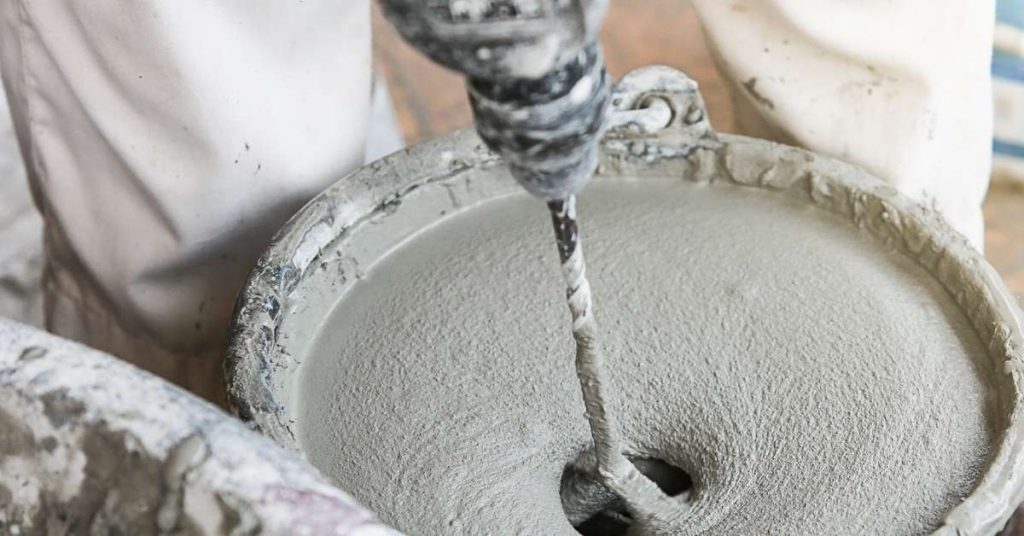
Stringiness: As the accelerator kicks in, the mix may become stringy or ropey. This indicates that the cure has started. Act fast to prevent flash set.
Rapid Viscosity Changes: If the mix suddenly becomes thick and difficult to work with, it’s time to stop mixing and try to save your batch by cooling it down.
Safe Tools and PPE for Handling Accelerators
Safety first, mate. Here’s what you need to protect yourself and your crew when working with accelerators:
- Chemical-Resistant Gloves: Protect your hands from chemical burns. Opt for neoprene or nitrile gloves.
- Eye Protection: Safety glasses or goggles are a must to shield your eyes from splashes.
- Thermometers: Digital thermometers help you monitor the temperature of your mix, keeping an eye on any sudden heat increases.
- Respirators (optional): For dusty environments or when working with powdered accelerators, consider using a respirator. They’re affordable and can be rented if needed.
- Proper Clothing: Wear long sleeves and pants to minimize skin exposure. Consider disposable coveralls for added protection.

Temperature control and monitoring
Control both ambient and mix temperatures by using shade, ventilation, or cooling aids. Prepare components at appropriate temperatures before combining. Avoid direct sun and high heat exposure during mixing and curing.
Monitor the exotherm continuously for small batches and be prepared to intervene if temperatures rise unexpectedly. Use simple indicators and routines to track changes, and document any readings for future reference. Verify any temperature-related recommendations with product instructions.
How to use a thermometer and IR gun effectively
A thermometer and an infrared (IR) gun are your best friends when it comes to preventing flash set. Here’s how to use them right:
Thermometer: Stick it in the mix before, during, and after mixing. Start with cold water at around 60°F (15°C). Keep an eye on it; if it shoots up fast, you’re heading for trouble.
IR Gun: Point it at the mix, but also scan the bucket, tools, and even your hands. Hot spots can trigger flash set. Keep it below 80°F (27°C) to stay safe.
Environmental thresholds to avoid
Working in extreme conditions can lead to flash set. Here are some mistakes to steer clear of:
- High Ambient Temperature: Over 90°F (32°C)? Reduce accelerator dose by half, increase ventilation.
- Direct Sunlight: Keep mixes in the shade. Sun heats up everything fast.
- Hot Components: Pre-chill aggregates and water below 60°F (15°C) to slow down exotherm.
- High Humidity: Over 80%? Expect faster setting times. Monitor closely.
Remember, these are rough guidelines. Always monitor your mix. If it’s acting funny, stop and reassess.
Emergency steps if flash set begins
If flash set starts, act quickly to slow or halt the reaction without taking dangerous risks. Begin by implementing cooling or dilution as appropriate and safe for the materials involved. Isolate the area to prevent exposure and contact with others.
Evacuate if conditions threaten safety and call for professional assistance when needed. Do not attempt unsafe interventions or mix additional materials in an attempt to fix the problem. Rely on your site protocols and manufacturer guidance for the correct steps.
Cooling and dilution techniques
If your batch starts to flash set, act fast. First, move the container to a shaded area to reduce heat gain from sunlight.
Never add water or any other liquid to try and slow down the curing process. This can cause the mix to segregate, making it even weaker.
Instead, place the container in an ice bath. This helps to draw heat away from the concrete. Be careful not to submerge the container completely as this could cause water to get into your batch.
If you’re using a small, portable container, you can even move it to a cooler area like a basement or shaded outdoor spot.
When to stop work and call for help
Safety is paramount. If you notice a