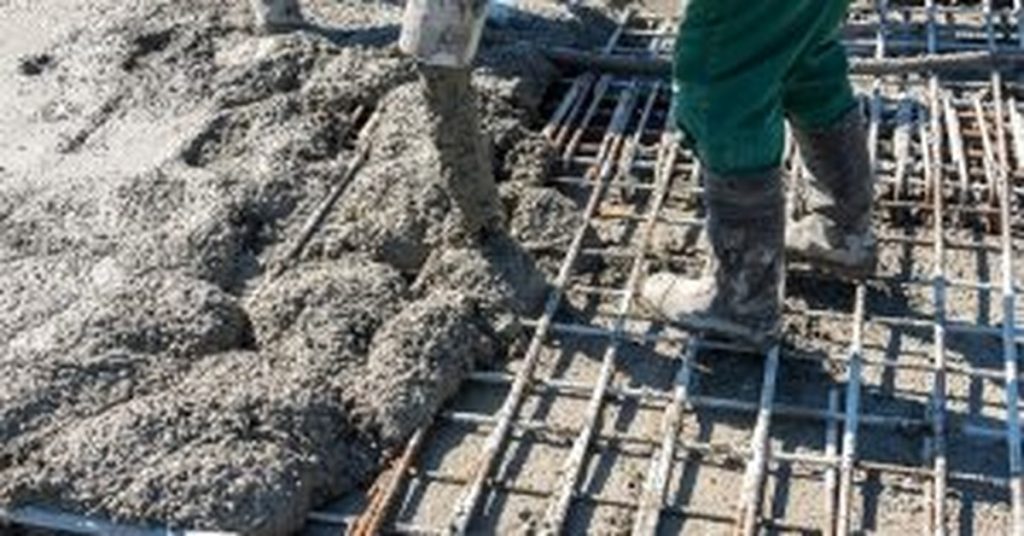
Introduction
Concrete’s carbon footprint can be reduced by choosing low-impact materials, optimizing mix design, and adopting smarter on-site practices.
You’ll learn practical steps, tips, and real-world considerations for DIY projects to lower emissions without sacrificing strength or durability.
Key takeaways
- Choose low-carbon cement blends and incorporate fly ash or slag where available.
- Plan mix designs to minimize cement content without sacrificing strength.
- Reuse aggregates and water; implement slurry recapture for cleaner site.
- On-site, measure water and aggregate properly to reduce waste.
- Schedule batching to minimize over-pouring and heat from early cures.
- Ask suppliers about carbon labels, lifecycle metrics, and transport distance.
Table of Contents
- Introduction
- Key takeaways
- Why Concrete’s Carbon Footprint Matters
- Low-Carbon and Alternative Cement Options
- Mix Design and Material Choices for Lower Emissions
- On-Site Practices to Cut Carbon During Mixing and Placement
- Eco-Friendly Alternatives for Common DIY Projects
- Tools, Materials Checklist and Supplier Questions for Low-Carbon Projects
- Cost, Performance and Safety Tradeoffs
- Planning for Long-Term Sustainability and Avoiding Common Mistakes
- Conclusion
- FAQ
Why Concrete’s Carbon Footprint Matters
Concrete’s carbon footprint starts with cement production. Calcination releases a lot of CO2, and energy use adds more. For common DIY projects like driveways, sidewalks, patios, sheds, and raised beds, that footprint adds up across the project’s lifetime including transport, mixing, curing, and eventual demolition.
Even small residential pours add up in the big picture, so plan smarter and ask suppliers about lower-carbon mixes. Think about transport distance, batch energy, and what happens after the project is done, since reuse and recycling can cut the footprint. Practical moves include choosing mixes with supplementary cementitious materials, reducing cement content, using recycled or local aggregates, and prioritizing reuse over new pours.
Where the Emissions Come From
The carbon footprint of concrete starts with cement production, where limestone and other raw materials are heated to high temperatures in kilns. This process, known as calcination, releases CO2 directly into the atmosphere. Additionally, the energy required for this heating accounts for a significant portion of emissions.
Transporting raw materials and finished products also contributes to the carbon footprint. Mixing concrete on-site requires additional energy, especially during curing when heat is often applied to speed up the process. Even at the end-of-life stage, demolition or disposal adds more CO2 to the environment unless there’s a plan for recycling or reuse.
DIYers can influence these stages by choosing mixes with supplementary cementitious materials like fly ash and slag, which reduce the amount of clinker needed. Opting for recycled aggregates also cuts down on new material extraction and transport emissions.
Why DIYers Can Make a Difference
Even small concrete projects like driveways or patios can add up to significant carbon emissions when multiplied across many homes. Each pour may seem minor, but collectively they contribute to the overall environmental impact of home construction and landscaping.
Your choices as a DIYer matter because you have control over the materials used and how they are sourced. By selecting low-carbon alternatives or reducing cement content in mixes, you can lower your project’s carbon footprint. For instance, using recycled concrete for new projects keeps waste out of landfills and reduces the need for virgin materials.
Asking suppliers about emissions data and alternative products is also crucial. This information helps you make informed decisions that benefit both the environment and your community’s climate goals.
Low-Carbon and Alternative Cement Options
Low-carbon cements and blends can deliver the same basic strength and durability you expect from Portland cement in typical DIY projects, but with a smaller carbon footprint, and you can look for Portland cement replacements like fly ash, slag, and natural pozzolans as supplementary cementitious materials that modify the mix rather than replace it entirely. There are alternative binders such as CSA cement, geopolymers, and lime-putty blends that homeowners or hobbyists can specifically request from suppliers or assemble in small batches, but each option comes with its own tradeoffs in early strength development, workability, curing schedule, and how well it plays with common bag mixes used on residential jobs.
Sourcing these materials requires checking reputable suppliers, certifications, and compatibility with your existing bags; run a quick test, verify water demand, and adjust your mix design to avoid unwanted shrinkage or excessive slump that erodes strength, while keeping the workflow practical on a busy weekend project. The upside is lower emissions, clearer environmental messaging to clients, and potential long-term cost savings if you follow proper mixing guidelines, safety rules, and local code expectations, but the burden is on you to understand curing timelines, ensure proper ventilation when using binders, and avoid unproven blends on structural work.
Supplementary Cementitious Materials (SCMs)
The materials you choose can significantly impact the strength, workability, and environmental footprint of your concrete. Here’s how to navigate SCMs:
- Fly ash: Used in high-strength mixes; look for Class F or C fly ash ratings; avoid using too much as it reduces set time.
- Slag cement: Great for durability and sulfate resistance; check for ASTM C985 certification; ensure proper curing to prevent cracking.
- Calcined clay: Reduces heat of hydration; look for Lhoist or other reputable brands; avoid mixing with too much water as it can weaken the bond.
- Natural pozzolans: Enhances concrete’s durability and reduces permeability; verify ASTM C618 compliance; improper ratios can lead to staining issues.
Low-Carbon Cements and Geopolymers
Low-carbon cements like CSA (Calcium Sulfoaluminate) are gaining traction for their lower CO2 emissions. These materials often come in ready-to-use bags or can be requested from your local supplier.
Geopolymers offer an even greener option, using industrial waste to create a binder that’s highly durable and resistant to chemical attack. They’re typically more expensive but have a much smaller carbon footprint.
To find these materials, check with suppliers who specialize in sustainable building products or those known for their commitment to reducing environmental impact. Always ask about certifications and local regulations before using them on your project.
How to Evaluate Product Carbon Claims
Evaluating the carbon claims of low-carbon cements requires a bit of homework. Start by checking for Environmental Product Declarations (EPDs) which provide verified data on embodied energy and CO2 emissions.
Aim for products that replace at least 50% clinker with supplementary materials like fly ash or slag. This significantly reduces the carbon footprint compared to traditional Portland cement.
Ensure your supplier is transparent about their sourcing practices and can provide documentation supporting their claims. Local availability and compatibility with standard mixes are also crucial factors for a successful project.
Mix Design and Material Choices for Lower Emissions
To reduce your concrete’s carbon footprint, start by choosing the right strength class for your project. Don’t overdo it—use a lower compressive strength grade if possible. For instance, if you’re pouring a driveway or patio, M20 (3000 psi) is often sufficient.
Reducing cement content means less embodied carbon without compromising durability. Use supplementary cementitious materials like fly ash or slag to replace some of the Portland cement. These SCMs are proven performers and can cut your CO2 emissions by up to 30%. Just make sure you understand how they affect workability and curing times.
When mixing, aim for a lower water-cement ratio. This not only reduces carbon but also improves the concrete’s strength and durability. A good rule of thumb is to keep your mix as dry as possible while still being workable. Test small batches first to find the right balance.
Use Recycled Aggregates and Local Materials
Your choice of materials can significantly impact your project’s carbon footprint. Using recycled crushed concrete or locally sourced aggregates reduces transportation emissions, making a big difference.
- Recycled Crushed Concrete: Ideal for sub-base layers; check that it’s clean and free from contaminants like wood or plastic. Avoid using it in areas where water might pool as it can lead to staining.
- Local Aggregate: Look for suppliers within a 50-mile radius to minimize transport emissions. Ensure the aggregate meets ASTM C33 standards for quality and consistency.
- Recycled Glass: Great for decorative concrete or countertops; verify that it’s crushed finely enough to bond well with cement paste, avoiding large chunks that can cause weak spots.
Admixtures That Help (Water Reducers, Air Entraining)
Using admixtures is a smart way to reduce cement content and improve concrete performance. Water reducers allow you to lower the water-cement ratio without sacrificing workability, which means less carbon emissions.
Air entraining agents create tiny bubbles in the mix that help prevent cracking from freeze-thaw cycles or chemical attack. This makes your concrete more durable over time, reducing lifecycle emissions by extending its service life.
When selecting admixtures, always read the product data sheets to understand how they affect setting times and curing requirements. Test small batches first to ensure compatibility with other materials like rebar and formwork.
On-Site Practices to Cut Carbon During Mixing and Placement
On-site practices to cut carbon during mixing and placement start with tight planning and disciplined execution. Confirm batch size, mix design, water-to-cement targets, and site constraints first, then measure carefully so you only mix what fits the form and work area. Use efficient water and energy habits, like shorter mixing intervals and a mixer that suits the load, and manage temperature and curing to avoid wasteful rework later.
The rationale is simple: better planning reduces rework, saves materials, and cuts power use on every small pour, which adds up fast for a DIYer. When you sequence placement and keep tools clean, you keep idle time and water waste down, and you can capture leftovers for patching instead of discarding them. The payoff is sturdier concrete, less heat gain, fewer cracks, and lower overall costs, so you finish faster with fewer trips to the store and less environmental impact.
Efficient Batching and Mixing Strategies
Before you start mixing, make sure to plan out exactly how much concrete you need. Overestimating can lead to wasted materials. Use measuring containers for accuracy—don’t eyeball it. If your project is small, consider using a portable mixer or ordering ready-mix in smaller batches.
Avoid the temptation to mix more than what fits into your formwork at once. This not only saves on material but also ensures you don’t have leftover concrete that goes to waste. Keep an eye on the water-to-cement ratio; it’s crucial for strength and durability. Mixing too much can lead to overhydration, weakening the final product.
Remember, every bit of extra concrete means more energy used in mixing and transporting. So, plan your pours carefully and only mix what you need right away. This way, you’re not just saving materials but also reducing your carbon footprint by minimizing unnecessary power usage.
Curing Methods That Reduce CO2 Release and Improve Longevity
The curing process is critical for concrete’s strength development. Opt for low-energy methods like wet curing or using curing compounds, which help retain moisture without excessive energy use. Wet curing involves covering the surface with plastic sheets or burlap soaked in water.
Proper curing also extends the lifespan of your concrete, reducing the need for frequent replacements and repairs over time. This longevity means fewer resources used throughout its lifecycle, lowering overall emissions. A well-cured slab will be more resistant to cracking and wear, making it a smarter choice long-term.
Keep an eye on temperature during curing; cooler conditions are better as they slow down the hydration process without compromising strength gain. By adopting these methods, you ensure your concrete reaches its full potential while minimizing environmental impact.
Minimize Waste and Reuse Formwork
One of the best ways to reduce waste is by carefully planning how much concrete you need for each pour. Measure twice, mix once. This prevents leftover material that ends up in landfills.
Formwork can be a significant source of waste if not managed properly. Instead of discarding used forms, clean them thoroughly and store them for future projects. Reusing formwork saves both money and resources.
If you have excess concrete left over after pouring, consider repurposing it rather than dumping it. You could use the leftover material to patch small areas or create hardscaping elements like stepping stones or garden borders. This not only reduces waste but also adds value to your property.

Eco-Friendly Alternatives for Common DIY Projects
This section cuts to the chase on low-carbon choices you can actually mix, pour, and finish for driveways, patios, foundations, and garden features, showing cement alternatives like geopolymer and slag/fly ash blends, recycled-content aggregates, and responsibly sourced sand and gravel, with a clear read on CO2 footprints and what that means for your project performance. It also flags practical design moves that shrink concrete use, such as better material sizing, thinner or modular slabs, permeable layouts, and setback patterns that cut volume without sacrificing strength or durability.
Why this matters on a jobsite is simple: sourcing local low-embodied-carbon products saves fuel, cutting waste and transport emissions pays back in shorter timelines, and choosing water-based finishes and efficient curing saves water and energy while extending life. The guide also gives real, project-type context for DIYers—driveways, patios, foundations, and garden features—with stepwise tips, trade-offs, and rough cost cues to help you plan, budget, and avoid bad practices. Keep in mind safety, code compatibility, and a solid maintenance plan, because a greener build that fails inspection or needs early repair wastes time, money, and trust.
Permeable Pavers, Gravel, and Reinforced Soils
When it comes to driveways and walkways, permeable pavers offer a great eco-friendly alternative. They allow water to drain through the surface, reducing runoff and helping recharge groundwater supplies. Plus, they cut down on concrete use, which means less carbon emissions.
Gravel is another option that’s easy to install and has minimal environmental impact. It’s lightweight and doesn’t require heavy machinery for placement. However, it can be more susceptible to erosion over time compared to solid concrete or pavers.
Reinforced soils are also worth considering. They use geotextiles to stabilize soil without the need for large amounts of concrete. This approach is ideal for garden paths and retaining walls where you want a natural look but still need stability.
Thin Overlays, Microcement, and Decorative Low-Mass Options
For patios or walkways that don’t require a full-depth pour, thin overlays can be an excellent choice. These are typically 1 to 2 inches thick and provide a durable surface with less material than traditional concrete.
Microcement is another option for small-scale projects like countertops or bathroom floors. It’s lightweight and easy to apply in thin layers, making it perfect for DIYers looking to reduce their carbon footprint without sacrificing style.
Decorative low-mass options can also be used to create unique designs while minimizing material use. These solutions often involve intricate patterns or textures that require less concrete overall but still deliver a high-end look and feel.
Composite and Timber Hybrid Solutions
Mixing materials can be an effective way to reduce the amount of concrete needed for your project. For example, timber decks with reinforced concrete footings offer a strong yet lightweight solution that’s easier on the environment.
Modular pavers are another hybrid option. They allow you to create complex patterns and designs using fewer large slabs of concrete. This reduces waste and makes it simpler to adjust layouts as needed without major demolition work.
Timber-concrete composites can also be used for retaining walls or garden edging. These materials provide the strength of concrete with the aesthetic appeal of wood, making them a versatile choice for various DIY projects around your home.
Tools, Materials Checklist and Supplier Questions for Low-Carbon Projects
This section provides a practical materials checklist focused on low‑carbon options—eco-friendly cement alternatives, supplementary cementitious materials like fly ash or slag, and recycled aggregates—together with the steps you take to verify them, such as checking EPD or LCA claims, confirming local sourcing and batch specifics, and asking for product certifications you can trust. It also lists the essential tools and process steps for DIYers to manage mixes and site prep while keeping carbon in check, including accurate measurement tools, water-use controls, energy‑efficient mixers, and waste‑reduction tactics, plus simple batch labeling and traceability to avoid mix-ups.
On the supplier side, you’ll need a concise set of questions and documents to request before purchase—carbon footprint data, product certifications, batch records, curing methods, transport distance, and minimum order sizes—to compare options quickly and fairly. On site, you’ll use a short evaluation guide for bag labeling, storage conditions, batch labeling, resistivity or consistency checks, and safe disposal or recycling of leftovers, plus a ready-to-use conversation template and quick decision tree to decide between standard concrete and low-emission mixes, and between different SCMs and temperature-control options for hot climates.
Tools and Consumables to Minimize Waste
Use this checklist before you start mixing concrete to ensure you have everything needed for a precise pour with minimal waste.
- Mixing tools: Use energy-efficient mixers that reduce power consumption. Check the mixer’s efficiency rating and confirm it meets your project needs.
- Air entraining admixture: Ensure you have an air-entraining agent to improve concrete durability. Confirm its compatibility with your mix design.
- Water measuring tools: Use calibrated water gauges for accurate measurements. Check the gauge’s calibration status before use.
- Curing blankets: Have curing blankets on hand to reduce evaporation and carbon emissions during curing. Ensure they are properly stored and clean.
- Containment barriers: Set up containment barriers around your work area to catch spills and runoff. Confirm they fit the site dimensions.
- Recycling containers: Have recycling bins for leftover materials. Check that they are clearly labeled and accessible.
- Formwork reuse plan: Plan how you will reuse formwork from previous projects. Ensure it is in good condition before use.
- Waste reduction tactics: Implement waste-reduction strategies such as dry-mixing and pre-measuring materials. Confirm that all team members understand the process.
Quick rule: Always have a plan for minimizing waste, from mixing to curing.
What to Ask Your Ready-Mix or Supplier
Before placing your order, use this checklist to ensure you get the right materials and information for a low-carbon project.
- EPD availability: Request an Environmental Product Declaration (EPD) from suppliers. Confirm it covers all relevant environmental impacts.
- SCM content: Ask about the percentage of supplementary cementitious materials (SCMs). Ensure they meet your project’s low-carbon goals.
- Batching specifics: Inquire about batch details and consistency checks. Verify that batches are consistent with your mix design.
- Local sourcing: Ask if the concrete is sourced locally to reduce transportation emissions. Confirm the supplier’s commitment to local materials.
- Minimum order sizes: Check for minimum order requirements. Ensure you can meet these without excess waste.
- Curing methods: Inquire about recommended curing techniques that minimize carbon release. Verify they align with your project’s needs.
- Transport distance: Ask about the distance from supplier to site and its impact on emissions. Confirm it is within acceptable limits for a low-carbon project.
Quick rule: Always ask detailed questions to ensure you get materials that meet your carbon reduction goals.
Reading Labels and Material Specs
This checklist helps you interpret material labels and specifications to make informed decisions about low-carbon concrete mixes.
- Strength grade: Check the compressive strength of the mix. Confirm it meets your project’s requirements for durability.
- Slump consistency: Verify slump measurements match your pour needs. Ensure proper mixing to achieve desired consistency.
- Admixture codes: Look up admixture codes and their functions. Confirm they are compatible with your mix design.
- Carbon footprint data: Review carbon-related information on the label or spec sheet. Verify it aligns with your project’s goals.
- Batch labeling: Ensure batch labels indicate specific details like date and time of mixing. Confirm they are accurate for quality control.
Quick rule: Always read material labels carefully to ensure you get the right mix for your low-carbon project.
Cost, Performance and Safety Tradeoffs
Choosing an alternative concrete mix means weighing upfront costs against long term savings, plus how the mix performs in strength, workability and curing time, and what safety steps you must take on site. You’ll see higher up-front price with mixes like fly ash or slag, but they can lower energy use, reduce heat, and cut maintenance if you plan for durability. Count on different setting times, temperature rise, shrinkage risk, and compatibility with forms and rebars, and plan for proper handling, skin protection, dust control, and safe curing.
This matters for a DIY job because the right choice depends on your project scope, climate, and how long you’ll stay in the space before the next repair or upgrade. Use a simple framework to flag fast setups for decorative or rapid-set needs, and to identify when a longer cure or careful moisture control will save you trouble later. In short, match the mix to the task, estimate real-world savings over the life of the work, and stay mindful of safety and code implications if you’re using non-standard blends.
Budgeting for Low-Carbon Options
When you switch to low-carbon concrete mixes like fly ash or slag cement, expect a slight upfront cost increase. This premium can range from 10% to 25%, depending on the mix and your local supplier prices.
The long-term savings come in reduced maintenance costs and better durability. Over time, these materials can lower repair expenses by up to 30%. Plus, they often require less frequent replacement due to their superior resistance to weathering and wear.
DIYers can also save on labor costs by using mixes that set faster or are easier to work with. For instance, rapid-set concrete allows you to pour more in a day without compromising quality, cutting down the need for extra hands on site.
Durability and Maintenance Implications
Low-carbon mixes like fly ash or slag cement can offer better durability but may require some design tweaks to ensure longevity. For example, these materials might need a higher water-to-cement ratio for proper curing.
Proper curing is crucial; it ensures the concrete reaches its full strength and reduces cracking risk. If you skip this step, your project could suffer from premature wear or structural issues down the line.
Maintenance-wise, these mixes often require less frequent repair work compared to traditional Portland cement. However, they still need regular inspections for any signs of deterioration such as cracks or spalling.
Safety and Handling of Alternative Materials
The choice of material can significantly impact your site safety and the quality of your finished work. For instance, using fly ash requires proper handling to avoid skin irritation.
- Wear gloves: Always wear protective gloves when mixing or pouring materials like fly ash to prevent skin contact.
- Cure properly: Ensure adequate curing time and conditions to achieve optimal strength. A lack of proper curing can lead to weak bonds and cracking.
- Avoid over-mixing: Over-mixing can cause excessive heat, leading to rapid setting that may trap air bubbles or weaken the concrete structure.
- Dust control: Use water sprays during mixing to minimize dust. Dust can irritate lungs and eyes, affecting both safety and health.
- Ventilation: Ensure good ventilation when working with fly ash or other chemically active materials to avoid inhaling harmful particles.
Planning for Long-Term Sustainability and Avoiding Common Mistakes
Before you touch a shovel, lock in the scope, the sustainability targets, and a concrete carbon benchmark for the project, so every decision has a limit to meet. Consider options like different mixes and admixtures, compare fly ash or slag to meet goals without sacrificing strength, and map out which permits, inspections, and environmental checks will be needed so nothing gets rushed. Plan smart materials, local aggregates, water management, curing strategies, and precise formwork and pour sizing to cut waste, reduce emissions, and keep durability intact from day one.
That upfront plan pays off on the job site by reducing rework, avoiding late design changes, and keeping the carbon tally honest, even when the project hits a snag. When you know your material choices, you can source nearby and manage curing and water reuse without surprises, which saves money and extends the structure’s life, not to mention improves long-term performance. Skipping this step invites wasted material, weak joints, and higher embodied carbon that sticks with the project for years, so it pays to be deliberate and disciplined about planning, permitting, and on-site practice from day one.
Design for Durability and Adaptability
When you’re planning your concrete project, think long-term. Build it to last by using materials that can handle the wear and tear of everyday use without needing frequent repairs or replacements. This means choosing a mix with the right strength and durability for your specific needs.
Also, consider how your design might change over time. Modular designs allow you to add on or modify sections as needed, reducing waste and extending the life of your project. Think about disassembly too—how easy will it be to take apart if you ever need to move or replace parts?
For example, using rebar that’s easily accessible for future modifications can save a lot of hassle down the road. And choosing forms that can be reused on multiple projects cuts down on waste and saves money.
In short, plan ahead with durability in mind, but also keep adaptability in focus so your project stays relevant and useful over many years.
Common DIY Mistakes That Increase Carbon Footprint
There are several common mistakes that can significantly increase the carbon footprint of a concrete project. Here’s how to avoid them:
- Over-ordering cement. Ordering too much material leads to waste and higher emissions from unused materials. Measure carefully before ordering.
- Poor curing practices. Improper curing can reduce the strength of your concrete, leading to premature failure or repair needs. Follow proper curing procedures to ensure durability.
- Selecting incorrect strength mix. Using a higher-strength mix than necessary increases material use and carbon emissions without adding value. Choose mixes based on actual project requirements.
- Inadequate drainage planning. Poorly planned drainage can lead to water damage, weakening the concrete over time. Plan for proper drainage from the start to avoid future issues.
Avoid these common pitfalls and you’ll not only reduce your carbon footprint but also ensure a more durable and sustainable project.
Measuring Success: Simple Metrics DIYers Can Track
To gauge the success of your low-carbon concrete project, start by tracking material quantities. Keep a record of how much cement and other materials you use to compare against your initial estimates.
Note transport distances for all deliveries. The farther the materials travel, the higher the carbon footprint. Aim to source locally whenever possible.
Also document mix specifications and projected lifespan. This information helps estimate potential carbon savings over time as well as durability benefits.
By keeping these simple metrics in mind, you can better understand your project’s environmental impact and make informed decisions for future improvements.

Conclusion
Concrete projects that cut carbon are not just about a greener footprint—they deliver safer, longer-lasting results when done right. Stay focused on good mix choices, careful on-site practices, and clear planning, because durability and appearance depend on solid decisions at every step.
Making this practical, follow this simple check: verify your cement option is low-carbon or a suitable substitute, confirm the mix design fits your load and climate, review materials for local sourcing and minimal transport, inspect your on-site tools and procedures before you pour, and have a backup plan for a small test patch to validate set and strength. Do this in the order you’d actually work: plan, source, mix, place, cure, and document the outcome so you know what to reuse next time.
Common mistakes to avoid are using high-carbon mixes without testing, rushing mixes or placements in heat or cold, and skipping safety gear or proper curing. A few safety rules: wear eye and skin protection, keep kids and pets away from wet concrete, mix only what you can place within the working time, and never alter a recipe without re-checking curing and strength expectations. If you’re unsure about the cement choice or the waste stream, pause and confirm with a supplier or a pro before proceeding.
If the project feels beyond your comfort zone—especially load-bearing slabs, large pours, or untested mixes—call in a professional. Small, local fixes and honest test patches first save money and headaches later. Stay disciplined, document what works, and you’ll end up with a durable, lower-carbon result that you can be proud of.
FAQ
How can I lower the carbon footprint when mixing concrete?
Use the smallest batch you need for the job to cut waste. Recycle leftover concrete by using it for other small projects or grind it for aggregate when possible.
Consider concrete mixes with supplementary cementitious materials like fly ash or slag. They lower the cement content and reduce emissions without sacrificing strength when dosed correctly.
Are alternative materials and methods worth it for DIYers?
Yes. Reusing local aggregates and water-saving practices cut emissions and costs. If you can, use concrete with lower cement content and add pozzolans or fly ash where appropriate.
For small projects, consider roadbase or stabilized mixes that use less cement. They can meet the job specs and save carbon at the same time.
What about curing and finishing? Do they affect emissions?
Proper curing saves strength and reduces waste from cracking, so it’s important. Keep mixes damp or use curing compounds to avoid extra pours.
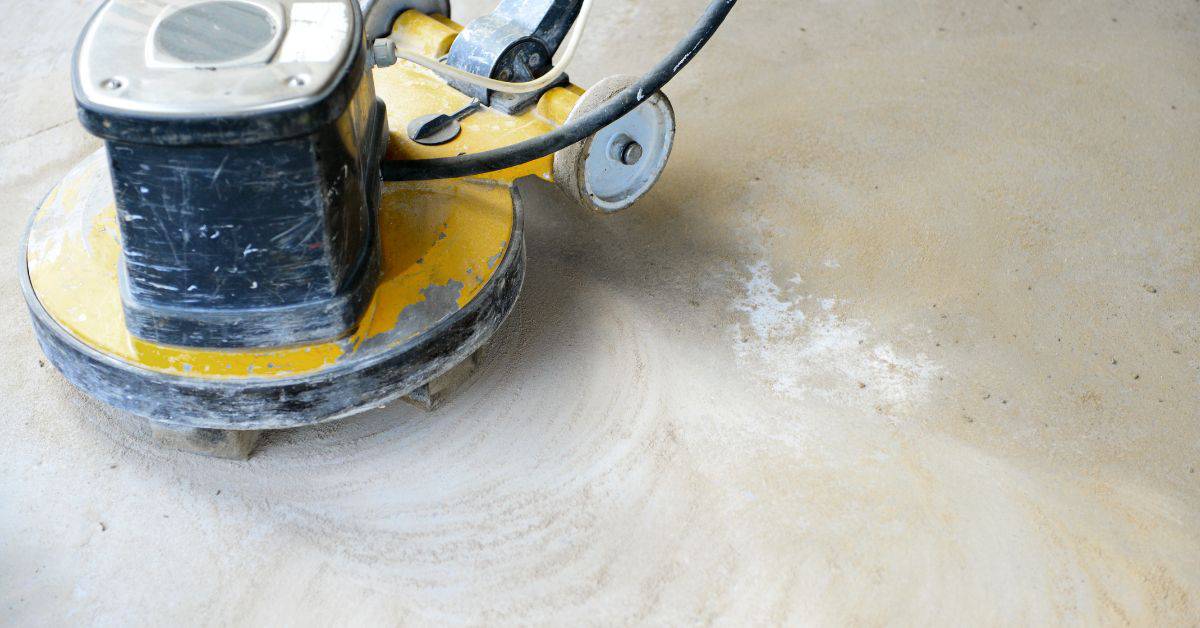
Finishing methods that don’t require extra grinding or polishing cut energy use. Plan the finish while the concrete is plastic to avoid rework and more material.
Should I recycle concrete and use precast where possible?
Yes. Reusing old concrete avoids new material and waste. Precast elements can be more efficient and use less water and energy overall.
Talk to suppliers about recycled-content or locally sourced precast options. It’s a practical move that lowers your project’s carbon footprint.

