

Introduction
Learn how to make durable concrete garden edging with simple prep, the right tools, and practical pro tips.
You’ll discover how to prep the site, mix and pour, set forms, finish surfaces, and troubleshoot common issues to achieve clean, lasting borders.
Key takeaways
- Choose a durable concrete mix and proper slump for stability and finish.
- Prepare a firm compacted trench and straight form boards for clean edges.
- Reinforce edges with wire or plastic forms to prevent cracking.
- Pour in stages, vibrate lightly, and strike off flush with guides.
- Cure under consistent moisture and shade to minimize surface crazing.
- Maintain edging by sealing, periodic reseeding of joints, and weed control.
Table of Contents
- Introduction
- Key takeaways
- Why concrete garden edging is worth doing
- Planning and site preparation
- Tools, materials, and mix selection
- Step-by-step pouring and forming process
- Finishing, curing, and long-term maintenance
- Professional tips, common mistakes, and safety
- Cost breakdown, time estimate, and environmental considerations
- Conclusion
- FAQ
Why concrete garden edging is worth doing
Concrete garden edging gives you a durable, clean border that stands up to foot traffic, weather, and shifting soil while staying low maintenance. It can last for decades—roughly in the range of 20–40+ years depending on conditions—and it won’t rot or attract pests like wood or loose stone. You get crisp edges, predictable lines, and the chance to dress it up with textures, stamps, and color to mimic other materials without sacrificing the concrete’s strengths.
This edging isn’t just strong; it’s flexible in look and easy to care for. Simple cleaning and occasional sealant or color touch-ups keep it looking sharp, and you can tailor textures or stamps to fit your landscape style. It helps plant health and lawn mowing by creating defined, maintenance-friendly borders, and it can be a cost-conscious, install-practical choice when compared to metal, plastic, or stone—check manufacturer instructions and local guidance for the best fit in your yard.
When to choose concrete vs. other edging materials
The choice of material for your garden edging can make a big difference in how well it performs and looks over time.
- High-traffic areas: Concrete is ideal for paths or walkways where foot traffic is heavy, as it holds up better than plastic or metal. Look for concrete with high compressive strength ratings to handle the load.
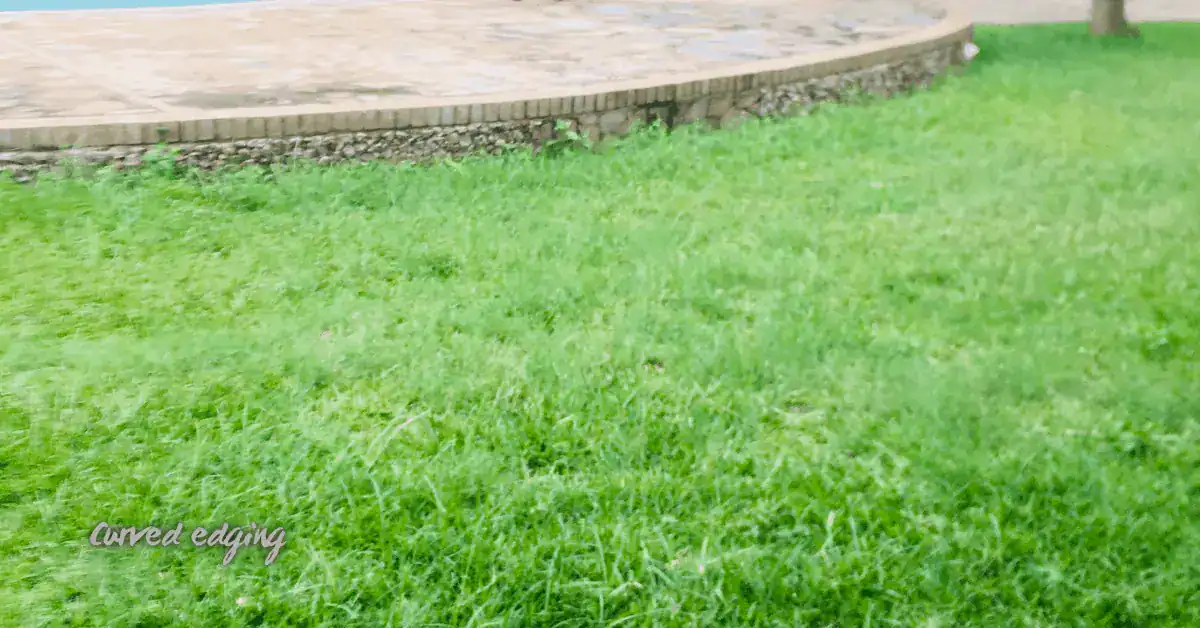
- Curved borders: Plastic and metal are easier to bend into curves but can crack over time from soil movement. Concrete forms tight curves well if poured correctly; avoid using precast pieces that might not fit.
- Root barriers: For areas where tree roots could be a problem, concrete provides a strong barrier compared to wood or plastic which may rot or break down faster.
- Low-maintenance: Concrete requires little upkeep and won’t stain like stone can. Avoid using materials that need regular painting or sealing.
- Budget constraints: While initial costs might be higher, concrete’s long lifespan means fewer replacements over time compared to plastic or metal which wear out faster.
How edging improves garden function and curb appeal
Garden edging not only defines the space but also enhances its functionality. Properly installed concrete edges help contain mulch, prevent grass from encroaching into beds, and improve soil retention.
The clean lines of a well-defined edge add to your property’s overall aesthetic, making it look more polished and cared for. This can significantly boost curb appeal and potentially increase the value of your home.
Concrete edges also make lawn maintenance easier by providing a clear boundary that mowers can follow without damaging plants or soil. The durability of concrete ensures these benefits last long-term with minimal upkeep.
Planning and site preparation
Planning and site prep means laying out every detail before you lift a shovel: measure the layout precisely, mark the lines, check the drainage slope away from structures, and pull turf and topsoil as needed. Define the edging height and how it will interact with beds and walks, then set reference points and baseline lines to guide curves and transitions so you don’t end up with sharp corners or misaligned edges. Get all permits, rules, and safety checks lined up so you aren’t surprised halfway through, and keep a simple risk checklist handy for the day you start digging.
This planning stage matters because careful prep prevents cracks and movement once the project is built. It gives you a stable base, helps you verify that water will drain properly, and keeps turf removal from destabilizing nearby features. Following a clear prep plan also makes later steps predictable: edging alignment stays true, grading shifts are caught early, and adjustments don’t derail the whole job. If anything seems off, check the label or instructions for the base materials, and confirm local rules before proceeding.
Measuring, marking, and calculating material needs
The right materials are crucial for a strong, long-lasting concrete garden edging. Use the correct measurements to ensure you have enough material without waste.
- Measure length: Start with your layout plan; measure straight sections and curved edges separately. Round up slightly to account for any miscalculation.
- Determine depth: Dig a test trench to see the soil type and decide on a consistent depth, usually 6 inches deep for stability.
- Calculate radius: For curves, measure from the center of the curve to the edge. Use this measurement to cut your concrete blocks or formwork accurately.
- Estimate volume: Multiply length by width by depth (in feet) and divide by 27 to get cubic yards of concrete needed. Don’t forget a little extra for waste.
- Select base material: Use gravel or sand as your subbase, depending on drainage needs. Gravel is better for slopes; sand works well in flat areas.
Ground prep: excavating, grading, and subbase
Proper excavation and a solid base are key to preventing cracks and shifting. Start by removing turf and topsoil down to the soil line.
Excavate trenches 6 inches deep for straight sections and adjust depth as needed for curves or slopes. Ensure the trench is level, with slight slope away from structures for drainage.
Create a compacted gravel base at least 4 inches thick. Use a plate compactor to ensure it’s solid before pouring concrete. This base provides stability and prevents water pooling.
Utilities, permits, and local considerations
Before you start digging, call your utility companies to mark underground lines. You don’t want to accidentally cut a cable or pipe.
Check with your city hall for any necessary permits or HOA rules. Some areas have specific requirements for concrete edging height and placement.
Timing is also important. Avoid working in extreme weather conditions like freezing temperatures or heavy rain. The best time is usually late spring to early fall when the ground is dry and stable.
Tools, materials, and mix selection
This section shows you the practical toolkit and material choices for edging or small slabs, making clear which tools are essential now and which add value later as you build experience. Expect a core set of forms (straight and flexible), a tamper, floats and jointer, hand or portable mixers, trowels, measuring tools, and safety gear, plus materials like the concrete type, aggregate, reinforcement options, and sealers. It also explains when to reach for bagged concrete versus ready‑mix and walks you through selecting a mix by relative strength, workability (slump), and batch considerations, while linking decisions to your project size and color consistency.
Getting the tool setup and material plan right helps you keep edges clean, depth and base stable, and the surface looking even, so you spend less time fixing rework. This matters because DIY projects suffer from under‑reinforcement, over‑tilling, or rushing curing, and knowing how to plan for weather, curing time, and workflow saves you from costly mistakes. Check labels and manufacturer instructions for any limits, and use your judgment to balance ready‑mix versus bagged options, reinforcement choice, and sealer or conditioner decisions based on your climate and use.
Tools checklist and alternatives
Before you start pouring concrete, run through this quick tool check to ensure everything is ready.
- Concrete mixer: Essential for mixing large batches. Check if it’s clean and operational; skipping this can lead to uneven mixes.
- Tamper or plate compactor: For compacting the base material. Ensure it’s charged or ready to go, as a loose base will cause settlement issues later.
- Forms: Straight or flexible depending on your design. Check for any cracks or damage that could leak concrete.
- Trowels and floats: For smoothing the surface. Make sure they’re clean and sharp to avoid marks in the finish.
- Safety gear: Gloves, safety glasses, and dust mask are a must. Skipping this can lead to injuries.
- Mason’s line: To keep your forms straight. Check for any knots or frays that could cause misalignment.
- Measuring tools: Tape measure and level. Ensure they’re accurate, as incorrect measurements mean wasted materials.
- Rebar bender: For shaping reinforcement. Make sure it’s functional to avoid weak spots in the concrete.
Quick rule: Always double-check your tools before starting work to prevent costly mistakes.
Concrete mixes and additives explained
Picking the right mix is crucial for a durable garden edge. Standard concrete works well, but fast-set or polymer-modified options can be better if you need to work quickly.
Fiber reinforcement is often added to prevent cracking, especially in longer runs of edging. It’s important to choose a mix with at least 2500 psi compressive strength for durability.
Admixtures like air-entraining agents can improve freeze-thaw resistance and workability, making your concrete more resilient over time.
Forms, reinforcement, and finishing supplies
The materials you choose for forms, reinforcement, and finishes will greatly impact the final look and durability of your garden edging.
- Wood or plastic forms: Use straight wood or flexible plastic. Look for durable material that won’t warp or crack under pressure.
- Rebar or wire mesh: For longer runs, use rebar or wire mesh to reinforce the concrete. Ensure it’s properly spaced and anchored to prevent cracking.
- Sealers or conditioners: Apply after curing for weather resistance. Choose a product that matches your climate conditions.
- Trowels and floats: For smoothing and finishing. Look for high-quality tools with comfortable grips.
- Concrete stamps: For decorative patterns. Ensure they’re clean and in good condition to avoid marks or stains.
Step-by-step pouring and forming process
Set up the forms properly, then lay out the base and edge controls before any mixing starts. Plan a clear pour sequence, keep the base well supported, and keep expansion joints in place to help prevent cracking as the concrete cures. Mix and batch with a sensible plan that matches the crew size and project length, then screed evenly and shape the surface to the final contour as soon as the pour is down and level becomes manageable, followed by the initial finish near the edges.
This approach matters because it reduces surprises on pour day, keeps the slab true to shape, and minimizes rework. A well-executed forming and base setup, controlled pace of pouring, and thoughtful finishing will help with drainage, edge protection, and joint placement as the concrete cures. The timing and crew coordination matter for different lengths, so stay flexible, follow the product instructions and local guidance, and keep a clean work surface to avoid contamination and mistakes.
Step-by-Step Pouring Process
This sequence ensures a smooth, professional finish for your concrete garden edging.
- Check that all forms are securely in place and level. Confirm stakes are tight to prevent movement during pour.
- Mix the first batch of concrete according to your slump requirements. Pour it into one corner of the form, filling gradually as you go.
- Use a screed board to smooth out high spots and low areas, ensuring an even surface across the entire length.
- Compact the concrete with a hand tamper or vibration tool to remove air bubbles and ensure good bond with subbase.
- Shape the top edge of the edging by rounding it slightly for durability and aesthetics. Use a jointer to cut contraction joints every 12-18 inches.
- Finish off with a broom finish or stamping pattern if desired, then cover with plastic sheeting immediately after finishing to retain moisture.
Building and staking forms for straight and curved edges
Start by laying out your garden edging lines using stakes and string. For straight sections, use 2x4s or similar lumber to create a form that sits snugly against the ground.
For tight curves, cut plywood into smaller pieces and bend them around the curve, securing with additional stakes for support. Ensure all forms are level by checking with a long spirit level across multiple points.
Use batten boards or similar supports to keep the form edges straight during pouring. Secure these with nails or screws to prevent any movement once concrete is poured.
Pouring, Screeding, and Compacting the Concrete
Pour your concrete mix into one end of the form, filling it gradually to avoid air pockets. Use a shovel or hoe to distribute the mix evenly.
Once poured, use a screed board to smooth out high spots and low areas, ensuring an even surface across the entire length of the edging. This step is crucial for achieving proper drainage and appearance.
Compact the concrete with a hand tamper or vibration tool to remove air bubbles and ensure good bond with subbase material. Pay special attention to corners and edges where voids are more likely to form.
Edging, Jointing, and First-Stage Finishing
Round or chamfer the top edge of your concrete edging with a masonry trowel for durability and aesthetic appeal. This step also helps prevent water from pooling on the surface.
Cut contraction joints every 12 to 18 inches using a jointer tool. These joints help control where cracks will naturally occur, preventing unsightly random cracking.
Finish your concrete with a broom finish for texture or stamping patterns if desired. Cover immediately with plastic sheeting to retain moisture and promote proper curing.

Finishing, curing, and long-term maintenance
Finishing, curing, and long-term maintenance means getting the surface smooth with proper trowel timing, then curing correctly to avoid premature drying and cracking. Plan edging, floating, and corner transitions so the surface is uniform before sealing. Choose curing method and schedule that fits your climate and use, and seal when the surface has reached initial cure.
This approach reduces cracks, improves stain resistance, and makes maintenance easier over the years. Knowing when and how to seal, and how to clean and touch up, helps you protect the hard work from wear, weather, and staining. If in doubt, check product labels and manufacturer instructions for curing times, sealer compatibility, and patching guidance.
Proper curing techniques and timelines
Curing is key to developing a strong, durable concrete edge. Start by misting the surface with water immediately after finishing, then cover it with wet burlap or plastic sheeting to keep moisture in. For small jobs, you can use a curing compound spray instead of physical covers.
Keep your edging moist for at least 7 days, but aim for longer if possible—especially during hot weather. This prevents cracking and ensures the concrete reaches its full strength. Avoid walking on or placing heavy objects near the edge until it’s fully cured, usually around two weeks after pouring.
To check if curing is complete, look for a hard surface that doesn’t leave marks when you press your thumb into it. If it’s still soft, keep covering and misting to avoid drying out too quickly.
Sealing, coloring, and decorative finishes
Once the concrete is fully cured, apply a penetrating sealer for water resistance. This type of sealer soaks into the surface to protect against stains and weathering without changing its look.
If you want color or texture, consider staining before sealing. Acid-based stains can give your edging a natural stone-like appearance. For more dramatic effects, use concrete stamping tools to create patterns that mimic brick, slate, or other materials.
When applying any finish, make sure the surface is clean and dry. Follow manufacturer instructions closely for best results. A well-sealed and finished edge will last longer and look better over time.
Maintenance checklist and troubleshooting common issues
Regular upkeep keeps your concrete garden edging looking great and performing well for years. Use this checklist every spring and fall to catch small problems before they become big ones.
- Inspect joints: Look for cracks or gaps; fill with sealant if needed.
- Clean surface: Remove dirt, weeds, and moss regularly.
- Check corners: Ensure no lifting at edges due to soil movement.
- Look for spalling: Small chips or flakes; repair with patching compound.
- Inspect sealant: Reapply if it’s worn down or cracked.
- Check for weeds: Pull them out to prevent root damage.
- Evaluate drainage: Ensure water flows away from the edge.
- Look for cracks: Small cracks can be filled with epoxy; large ones may need repair.
Quick rule: Address issues early to prevent bigger problems later on.
Professional tips, common mistakes, and safety
Professional tips, common mistakes, and safety cover pro-level shortcuts, quality-control checkpoints, and a concise list of frequent DIY mistakes to avoid. Expect quick QA prompts on joint tightness, alignment, and depth to keep finishes uniform.
This matters because a solid workflow from prep to finishing reduces call-backs and keeps you safe: wear proper PPE (eye/face protection, gloves, and a respirator when dust is present), handle wet concrete with care to minimize skin contact, and follow a simple sequence to prevent cracks. If you question ratios, delays, or curing methods, check the product label or manufacturer instructions and use safe ranges suitable for DIY projects. Knowing what to pause and check helps you spot red flags early and finish with a professional look.
Pro tips and efficiency hacks
To save time on your concrete project, plan ahead by batching out your work in sections. This means laying down one section of the slab at a time, allowing each to set before moving onto the next. It’s crucial to avoid cold joints—those weak spots that form when you wait too long between pours. Make sure each pour is continuous and overlaps slightly with the previous section.
Another key tip is to check base compaction thoroughly before pouring concrete. A solid, level foundation will prevent future cracks and ensure your slab lasts a lifetime. Use a tamper or plate vibrator for smaller areas, but consider renting a larger machine if you’re working on a big project. Proper equipment can make all the difference in achieving professional results.
Common mistakes and how to fix them
Avoid these common pitfalls when pouring concrete to ensure a strong, long-lasting finish.
- Poor compaction: This weakens the slab. Make sure you use a tamper or vibrator to compact the concrete thoroughly before it sets.
- Wrong mix ratio: Using too much water can weaken the concrete. Always follow the recommended mix ratios from your local supplier.
- Stopping mid-run: Leaving gaps in a pour weakens the structure and looks unprofessional. Plan ahead to complete pours without interruptions.
Double-check these points before you start pouring concrete to save yourself time, money, and headaches later on.
Safety and best practices for working with concrete
When dealing with concrete, safety is non-negotiable. Always wear the right personal protective equipment (PPE): gloves, safety glasses, a dust mask, and steel-toed boots. Concrete can be harsh on your skin and eyes.
Mixing and handling fresh concrete requires care to avoid injuries. Use tools designed for heavy lifting and follow proper techniques to prevent back strain or muscle pulls. Check the base compaction before pouring to ensure a stable foundation, avoiding future cracks and structural issues.
Environmental safety is crucial too. Have a plan for washout water that won’t contaminate soil or waterways. Use a concrete washout pit or container with proper drainage and disposal methods as required by local regulations.
Cost breakdown, time estimate, and environmental considerations
This section breaks down what you should expect for material costs, labor time, and greener choices for concrete runs. You’ll see ballpark categories (materials, reinforcement, tools, and rental vs purchase) and rough time frames by run length, plus when a pro saves you time. It also flags greener options and practical tradeoffs.
Knowing when to rent a mixer, a compact machine, or edging equipment helps you budget and keep the job moving. It also guides you toward greener choices that reduce embodied carbon and improve long-term durability. Check product labels and manufacturer instructions for specifics, and lean on simple pro tips for handling waste, water and runoff, and proper curing.
Materials vs. DIY vs. professional cost comparison
The choice between materials, doing it yourself, and hiring professionals can significantly impact your budget and the quality of your concrete garden edging.
- Cement: Use high-quality Portland cement for durability; avoid cheap mixes that may crack or stain easily. Look for a reputable brand with consistent performance ratings.
- Sand: Choose clean, coarse sand to ensure proper mix consistency and strength; avoid fine beach sand which can lead to weak concrete.
- Aggregate: Use crushed stone or gravel that is free of dirt and organic matter for a strong base. Avoid using river rock as it may contain impurities that weaken the concrete.
- Molds: Invest in durable plastic or metal molds; avoid flimsy ones that can warp under pressure, leading to uneven edges.
- Sealant: Use a high-quality acrylic sealant for long-lasting protection against water and stains. Avoid cheap sealants which may peel off quickly.
Project timeline and crew recommendations
A single person can complete a small project, but larger runs benefit from a small crew to manage time efficiently. A typical 50-foot run might take one person about two days for prep, pouring, and curing.
For a 100-foot run, adding another helper speeds up the process significantly by handling form setup and mixing duties while you focus on pouring and finishing. This reduces overall labor time to around three days.
Larger projects of 200 feet or more often require renting equipment like mixers and compactors, which can be managed effectively with a crew of four or five workers. Proper planning ensures that each stage is completed within the expected timeframe without rushing.
Environmental impact and sustainable options
Selecting low-embodied carbon cements, such as fly ash blends or slag cement, can significantly reduce your project’s environmental footprint. These alternatives offer similar strength but with lower greenhouse gas emissions.
Using recycled aggregates like crushed concrete or glass also helps minimize waste while providing a durable base for your edging. Proper disposal of leftover materials is crucial to avoid contamination and ensure compliance with local regulations.
Implement best practices for water management, such as using dry mix techniques and recycling washout water where possible. This not only conserves resources but also prevents runoff that could cause erosion or pollution in nearby areas.

Conclusion
The key to durable, clean-looking edging is solid prep, proper forming, and careful curing. Do the work safely and you’ll avoid costly repairs and regret later.
Before you pour, check the trench width and level, confirm the mix and water ratio fit your plan, secure the forms and edging, keep a simple weather window in mind, protect the surface with release or masking, use PPE, pour in manageable sections, screed and compact, finish the surface as planned, and cover or mist during curing to prevent cracks and heat stress.
Common mistakes to avoid are skipping planning, rushing the pour, and skipping curing or protection; stay strict about PPE, keep kids and pets away, and never pour into a wet or frozen site. If any sign of drainage trouble, rule out incorrect slope, or the area is large or irregular, bring in a pro rather than guessing, and otherwise keep the project moving with steady, deliberate work and a finish you can trust. You’ve got this—get out there, follow the steps, and you’ll have solid edging that lasts.
FAQ
What prep steps should I do before mixing concrete for the edging?
.Clear a wide strip where the edging will sit. Measure and mark a straight line with stakes and string. Dig a shallow trench so the edge sits level.
What tools and materials will I need?
.You need cement mix, water, a trough or bucket, a trowel, a shovel, a level, and a straightedge or screed. Have a wheelbarrow for mixing and a hoe or mixing paddle. Keep a broom handy and wear gloves to protect your hands.
How long will it take to cure and when can I step on it?
.Concrete edging firms up fast to handle light work in a few hours, but full strength takes days. Keep it damp for the first 24 hours and avoid traffic for at least 2 days.
What common mistakes should I avoid?
.Don’t skip the trench; the edge will move and crack. Don’t mix too much at once or it sets fast and goes bad. Make sure to smooth with a straight edge and finish before it stiffens.