

Introduction
Edging tools for concrete are handles or blades that shape and protect the edge of a slab as it cures. They help create a defined radius or edge profile and reduce chipping. Choose a tool based on the edge you want and the slab size, but verify manufacturer guidance.
There are several edging tool styles, from straight blades to radius guides and manual rollers, and material matters for longevity. Using a radius on the edge can improve durability and finish, but confirm the tool and concrete mix can support it. If you’re unsure, skip edging for that run and check guidance from the tool maker or local rules before proceeding.
Key takeaways
- Choose edging tools by material, radius capability, and compatible handle design.
- Radius options affect concrete finish, joint depth control, and tool reach.
- Skip edging when substrate permits, or for expansion joints and control joints.
- Inspect edger material quality, steel thickness, and wear life before purchase.
- Keep tools clean, lubricate pivots, and store dry to prevent corrosion.
- Budget plan includes maintenance costs, reasonable radius options, and safety gear.
Table of Contents
- Introduction
- Key takeaways
- Why Edge Concrete? Purpose and Benefits
- Types of Concrete Edging Tools
- Radius Options and How to Choose One
- Hand Edgers Vs. Powered Edgers — Pros, Cons, and Decision Factors
- Material Specs and Standards Explained for Choosing an Edger
- Maintenance, Care, and Safety for Edging Tools
- Cost Analysis, Planning Checklist, and Visual Checkpoints Before Purchase
- Conclusion
- FAQ
Why Edge Concrete? Purpose and Benefits
Edge tools serve a practical role beyond aesthetics. They help define and protect control joints, keep a true slab edge, and reduce uncontrolled cracking along the perimeter. A well-defined edge supports a stable, long-lasting surface.
Edging also improves safety and durability, with rounded edges that minimize trip hazards and shield formwork during finishing. A crisp, uniform edge simplifies finishing steps and makes perimeter maintenance easier for brooming, troweling, or sealant work. When to edge or skip edging depends on slab thickness, anticipated loads, exposure, and proximity to joints; in some tiny or non-critical slabs edging may be optional to save time and cost. Radius choices translate to tool selection for different areas and finishes, balancing durability, texture, and care requirements. Plan for trade-offs between setup time, material cost, and the resulting edge performance and appearance.
Structural and aesthetic goals
Edging serves both structural and aesthetic purposes. It helps control cracking, improves pedestrian comfort, and enhances curb appeal.
Crack Control: Edging defines and protects control joints, preventing uncontrolled hairline cracks along the perimeter. This contributes to a stable, long-lasting surface by allowing concrete to crack naturally where it’s designed to.
Pedestrian Comfort: A crisp, uniform edge created by edging provides a smooth transition from one slab to another or from the slab to adjacent surfaces like walls or curbs. This makes walking surfaces more comfortable and safer.
Curb Appeal: A well-defined edge gives your concrete project a polished, professional look. It’s an essential finishing touch that can significantly improve the overall appearance of your hardscape.
When edging adds value vs. when it doesn’t
Edging is not always necessary, and understanding when to use it can save you time and money.
Adds Value: Edging is crucial for larger slabs, high-traffic areas, and critical surfaces like steps or ramps. It’s also beneficial in exposed conditions where edges are more susceptible to damage from foot traffic, vehicles, or weathering.
Edging is particularly important when using integral colors or stains, as it helps maintain a consistent appearance along the edge.
Doesn’t Add Value: For small, thin slabs with minimal loads and no exposed edges (like some interior floors), edging might not be necessary. In these cases, you can save time and cost by skipping edging, but always consider the long-term durability and appearance of your concrete.
Types of Concrete Edging Tools
Understanding tool categories helps you pick the right tool for the job. Hand edgers, bullnose/radius edgers, jointers, and powered edging tools each have a distinct role and feel. Use them based on the project scale and finish goal.
Look at typical forms and profiles within each category, including radius sizes and blade or roller configurations. These details shape the finished radius quality and edge texture. Compare control, speed, and finish across tools to decide where precision matters more than bulk edging. Consider material compatibility, concrete hardness, and how radius choices align with your project scope. Maintenance basics like keeping blades sharp, aligning components, and handling dust are important to avoid common pitfalls and maximize results.
Hand edgers: design and typical uses
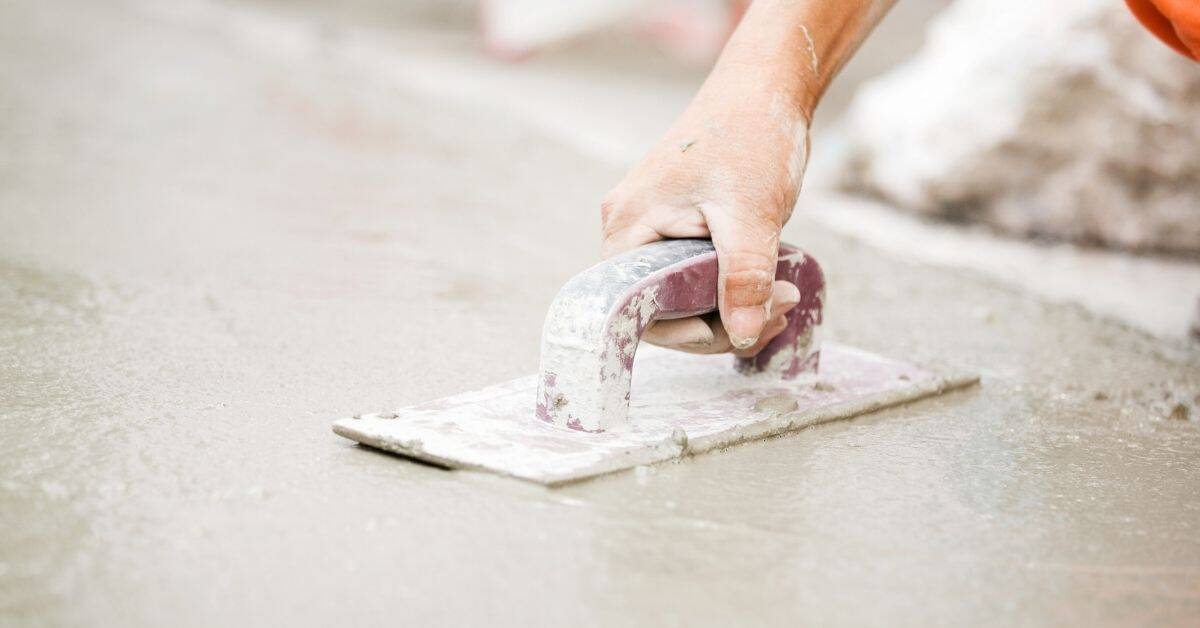
Hand edgers are your go-to tools for small to medium-sized jobs where you need precision and control. They’re lightweight, portable, and easy to maneuver.
Design-wise, hand edgers typically have a long, straight blade that’s attached to a handle. The blade is usually adjustable, allowing you to change the angle and depth of cut. This lets you create a variety of finishes, from smooth and flush to rough and textured.
Ideal job sizes for hand edgers are typically up to about 10-15 feet in length. Any longer than that, and you might want to consider a power edger or even a machine for efficiency’s sake.
When using a hand edger, remember to check base compaction before you start. You don’t want your nice, straight edge turning into a wavy mess because the base wasn’t properly compacted. Also, keep an eye on your blade – if it starts to bind or feel too much resistance, stop and check for any obstructions.
Powered edgers and routers
For larger jobs or consistent profiles, you might want to consider powered tools. They can save time and effort compared to hand edging.
Check out routers, they’re great for creating clean, uniform edges. You’ll need a router with a straight edge guide or a plunge base for deep cuts. Remember, safety first – use a router guard and wear appropriate PPE.
Powered edgers are another option. They can handle larger areas quickly but might not be as precise as routers. Some models have adjustable cutting depths, so you can set them to match your desired edge profile.
Here’s what to consider:
- Setup: Powered tools need more setup time than hand edgers. Make sure your area is clear and safe before starting.
- Skill level: Routers require some practice to use safely and effectively. Edgers are generally easier but still need careful handling.
- Vibration control: Powered tools can cause vibration, which can lead to fatigue over time. Consider using anti-vibration gloves or taking regular breaks.
Specialized radius and profile tools
When you’re after specific curves or decorative profiles, generic edgers won’t cut it. Here’s where specialty tools shine:
For radii work, consider these options:
- Radius Edgers: These have adjustable heads to match your desired curve. Check the range on the tool to ensure it fits your project’s needs.
- Concrete Saws with Radius Blades: For larger radii, these can be a good option. Ensure the blade’s radius matches or exceeds your project’s requirement.
For decorative profiles, you’ve got a few choices:
- Profile Edgers: These have interchangeable heads to create various shapes. Check the available profiles match what you need.
- Router Attachments: Some power edgers can use router attachments for intricate profiles. Ensure your tool is compatible and the attachment creates the right profile.
Always check base compaction before using these tools. Soft bases lead to poor results, no matter how fancy your tool.
Radius Options and How to Choose One
Defining an edge radius means understanding where the curve starts and ends on the concrete edge and how it differs from sharp or chamfered edges. The concept should be clear before you start shaping the perimeter. A consistent radius improves both look and performance.
A practical decision framework helps you pick a radius based on use case, strength, and design intent. Consider the exposure, such as foot traffic or wheel contact, the mix design, and whether the look or ease of maintenance is your priority. Use project specs, local codes, and manufacturer notes to guide the final choice and document it for quality control. A quick flowchart or checklist can help you track cases, strength, intent, and codes when making the call.
Small vs. medium vs. large radii — selection guidance
Edge radius is the curve where your concrete edge meets the surface. It’s not just about looks; it affects strength and safety.
Smaller radii (1/4″ to 1/2″) give a sleek, modern look but can be weaker at the edge. They’re great for cosmetic finishes like countertops or indoor floors where there’s no heavy traffic.
Medium radii (3/8″ to 5/8″) offer a good balance between strength and appearance. They’re versatile, working well in most residential applications, including driveways and walkways.
Larger radii (1″ and up) provide the strongest edges but can look bulky. They’re ideal for load-bearing surfaces like garage floors or control joints where durability is key. They also help reduce tripping hazards on outdoor steps or ramps.
Measuring, laying out, and verifying radius in the field
Before you start edging, you need to mark your forms accurately. Here’s how:
1. Measure your chosen radius using a tape measure or radius gauge.
2. Mark this measurement on your form at the edge where you want your radius to start. Use a pencil and a straight edge for accuracy.
3. Verify your mark by checking it against your chosen radius tool or form. Make sure it’s consistent along the entire length of the edge.
4. Once your forms are set, double-check your marks before pouring concrete to ensure consistency and accuracy.
Hand Edgers Vs. Powered Edgers — Pros, Cons, and Decision Factors
Finish outcomes differ between hand and powered options. Hand edgers can produce smoother, more controlled edges with consistent radii, but take more time. Powered edgers offer faster material removal and broader coverage with a different texture impact.
Productivity and workflow shift with scale, from small pads to large slabs, affecting setup, rework, and pacing. Cost considerations include tool purchase or rental, maintenance, and consumables. Skill level and safety requirements vary, with common mistakes influencing finish quality. Radius choices also affect tool longevity and maintenance needs, so select based on expected use and durability. For project scales, use hand edgers on tighter or detailed work and powered edgers for larger areas or complex radii.
Performance and Finish Quality Comparison
Hand edgers offer a smooth, consistent finish. They’re great for small projects where precision matters.
Powered edgers provide faster, more aggressive cutting. They excel on large slabs with varied concrete consistency.
Key difference: Hand edgers give you control and finesse; powered edgers offer speed and power.
Cost, Maintenance, and Lifecycle Considerations
Hand edgers are cheaper upfront but require more operator time. Expect to replace blades occasionally.
Powered edgers have higher initial cost but lower per-hour operation costs. Regular maintenance keeps them running smoothly.
Long-term: Powered edgers may be cheaper in the long run, especially on large projects.
Material Specs and Standards Explained for Choosing an Edger
Tool materials fall into core categories such as stainless or tempered steel, aluminum, and plastic or composite. Each brings different weights, durability, and edge quality implications for various substrates. Match material to your expected conditions to optimize performance.
Wear and corrosion resistance, plus maintenance needs, influence long-term cost and tool life in typical job-site environments. Look at dimensions, thickness, and edge geometry that relate to radius options and edging depth. Check manufacturer standards and certifications and verify compatibility with your forms and local regulations. A simple decision checklist can help balance budget, climate, chemical exposure, and potential impact damage. Accept practical maintenance tips to prevent corrosion and understand warranty implications before buying.
Pros and cons of common edger materials
Choosing the right material for your concrete edger is crucial. It affects durability, weight, maintenance, and ultimately, your project’s outcome.
- Stainless Steel/Tempered Steel: Durable, long-lasting. Ideal for heavy-duty jobs. Look for 304 or 316 stainless steel. Avoid impact-prone areas to prevent cracking.
- Aluminum: Lightweight, corrosion-resistant. Great for DIY projects and frequent use. Anodized finish enhances durability. Not suitable for heavy-duty tasks.
- Plastic/Composite: Inexpensive, lightweight. Good for occasional use and small projects. Easy to maintain but susceptible to impact damage and heat.
Industry standards and warranty/quality cues
When choosing an edger, look for products meeting ASTM or ANSI standards. These ensure quality and safety.
Check the finish – it should be even, smooth, and free of defects. A good warranty indicates manufacturer confidence in their product’s longevity.
Confirm local regulations and equipment guidance to avoid any compliance issues. Always compare warranties and return policies before purchasing.
Maintenance, Care, and Safety for Edging Tools
Routine cleaning and rust prevention are essential after use. Brushing, soap and water rinse, and thorough drying help protect metal edges. Apply light rust inhibitors or penetrating oil where needed to slow wear.
Establish an inspection routine to catch nicks, cracks, bending, and fastener security. Use a quick monthly checklist and a formal annual review. Sharpening or re-truing radii should be done carefully, avoiding overheating and checking for consistent radius across all tools. Store tools dry and off the ground in protective covers to prevent damage and trip hazards. Plan for replacement parts and know the typical service life and cadence. Carry PPE such as gloves, eye protection, and sturdy boots, and practice safe handling during cleaning, sharpening, and transport.
Cleaning, storage, and sharpening/replacement parts
After each use, brush off concrete residue with a stiff-bristle brush. Then, rinse your edger with soap and water to remove any remaining dirt or debris.
Protect metal edges from rust by applying a light coat of penetrating oil or a rust inhibitor. Let it soak in, then wipe off excess. Dry the tool thoroughly before storing.
Sharpen your edger’s blade when it starts to dull. Use a sharpening stone or grinder, avoiding overheating. Check for consistent radius across all tools and re-true edges as needed. Replace blades or ferrules when they show significant wear or damage.
Safety precautions and PPE
Wear appropriate safety gear when handling edging tools. This includes gloves to protect your hands, steel-toed boots for foot protection, and eye protection to shield from debris.
Lift tools carefully using both hands and your legs, not your back. If a tool is too heavy or awkward, get help. To reduce vibration exposure, use anti-vibration gloves or consider powered edgers with built-in vibration dampening.
Keep work areas clean and organized to minimize slip and contact hazards. When sharpening tools, secure them in a vise and follow proper lockout/tagout procedures if working near others.
Cost Analysis, Planning Checklist, and Visual Checkpoints Before Purchase
When evaluating costs, weigh upfront tool investments against long-term maintenance and labor savings from better edge finishes. Consider replacement parts and routine upkeep as part of the total cost. Look for options that fit your expected usage pattern and project mix.
A pre-purchase planning checklist helps set target radii, substrate conditions, formwork details, and whether interchangeable attachments or fixed-radius tools are needed. Assess labor impact, including time per edge, passes required, and prep steps, to understand how edging affects the pour-to-cure schedule. On-site visual quality checkpoints should verify edge smoothness, consistent radii, absence of chipping, alignment with form edges, and uniformity across pours. Use a clear decision framework to decide when edging adds value or when an alternative finish may suffice, and keep quick criteria handy to justify upgrades before purchase.
Budget considerations and lifecycle thinking
Before you buy, consider these factors to make a smart investment.
- Tool lifespan: How long will it last? Check reviews and warranties.
- Spare parts: Are they readily available and affordable?
- Training/time: How easy is it to learn? Will it save time in the long run?
- Job frequency: How often will you use it? Rarely used tools may not justify the cost.
- Maintenance costs: What’s required to keep it running?
- Replacement costs: How much will it set you back if something breaks?
- Labor hours saved/added: Will it speed up or slow down your work?
- Upfront cost: Is the initial price within your budget?
Quick rule: The cheapest option isn’t always the best. Consider long-term costs and benefits.
Tools and materials checklist for edging jobs
Gather these essentials before you start your edging work.
- Edger: Choose the right type (hand or powered) for your job.
- Finishing tools: Have a trowel and float ready for smoothing and leveling.
- PPE: Safety glasses, gloves, and ear protection are must-haves.
- Measuring/layout aids: Tape measure, string line, and radius gauge ensure accurate cuts.
- Formwork: Ensure it’s secure, level, and properly oiled to prevent sticking.
- Concrete mix: Order the right type and amount for your project.
- Curing supplies: Have a sprayer or cover ready for proper curing.
- Cleaning tools: A stiff brush, scraper, and hose will help keep your edger clean.
Quick rule: The right tools make the job easier. Don’t skimp on essentials.
Visual checkpoints for a good edge
Inspect your work with these quick checks to ensure a quality finish.
- Uniform radius: Check for consistent curves along the entire edge. Inconsistencies may indicate operator error or formwork issues.
- No excess fines: Look for any loose material or aggregate that could cause chipping later.
- Proper joint alignment: Ensure joints are aligned and staggered to prevent weak points in the structure.
- Absence of weak feathered edges: Check for proper edge thickness. Too thin can lead to cracking or chipping.
- Smooth surface: Look for any rough patches, holes, or other imperfections that could indicate poor workmanship.
- Alignment with form edges: Ensure the edge follows the formwork precisely. Any deviations may indicate a problem with the formwork or edging technique.
Quick rule: A thorough inspection now can save you rework later.
Conclusion
Choosing the right radius and tool type makes the edge look clean and last through the life of the slab. Prioritize safety, test your setup in a small area, and aim for the simplest option that meets the project goals.
Plan your steps with a simple check: confirm the edge purpose and finish you want, compare radius options to the concrete mix and control joints, verify the tool specs and safety features, check maintenance needs, and scope the job to avoid overworking a single area. Start by selecting a radius that fits the look you want, pick the tool type you can control consistently, then confirm you have proper guards, PPE, and a clear plan for edging across the intended width before you start.
Avoid common missteps: do not rush the pass around corners, do not skip testing on a scrap edge, and do not force a tool beyond its design limits. Keep the area dry, use the right speed and pressure, and maintain blades or wheels as recommended. If a job would require excessive force, or if the edge must meet critical tolerances for appearance or drainage, stop and reassess—sometimes a professional finish is the smarter choice.
When in doubt, or when the radius options and edging tools exceed your comfort zone, call in a pro for guidance or a quick finish. Stay deliberate, stay safe, and you’ll protect the work and your investment while getting an edge that looks right and lasts.
FAQ
What are the common types of concrete edging tools I should know about?
Hand edgers, trowel-edged tools, and curved-radius edging tools are the basics. For gaps or tight curves, you’ll see manual gauges, edging wheels, and sometimes form inserts. Pick based on the edge you want and the finish you expect.
Why do radius choices matter when edging concrete?
A radius changes how the edge looks and how prone it is to chipping. Bigger radii reduce stress at the corner and hide small irregularities. Smaller radii give a crisper line but take more control and care.
When should you skip edging altogether on a concrete pour?
Skip edging if the edge is hidden, non-structural, or if the formwork will cover it later. Also skip when the surface is very smooth and the edge would be a maintenance nuisance or trip hazard. If in doubt, check the project plan and consider leaving it to formwork or finishing tools later.
What should you look for in edger material and quality?
Check that the edge tool is sturdy and made to last at small-job runtimes. Look for a comfortable handle, solid bonding between parts, and clean radii with no burrs. Always follow the manufacturer’s instructions for usage and care.