
Introduction
Slab to Slab Construction provides a practical approach for building continuous, durable concrete slabs.
This guide walks you through planning, site preparation, formwork, and pour sequencing, so you know what to expect at each step.
You’ll learn practical tips for achieving a level surface, proper curing, and avoiding common pitfalls in DIY slab projects.
Key takeaways
- Plan slope, drainage, and concrete thickness before mixing to avoid rework.
- Use proper cement-to-aggregate ratios and water level to prevent cracking.
- Check subgrade compaction and moisture before pouring for solid footing.
- Cure slabs with maintaining moisture and avoid early loading for 7 days.
- Protect edges with forms and expansion joints to control cracking.
- Budget extra for weather delays, reinforcement, and accurate compaction readings.
Table of Contents
- Introduction
- Key takeaways
- Planning Your Slab-to-Slab Project
- Materials and Mixes: What You Need
- Tools and Equipment Checklist
- Step-by-Step Slab-to-Slab Construction Process
- Safety and Site Management
- Common DIY Mistakes and How to Avoid Them
- Cost-Saving Tips and When to Hire Professionals
- Long-Term Maintenance and Troubleshooting
- Conclusion
- FAQ
Planning Your Slab-to-Slab Project
Site Assessment & Permits
Before you start pouring concrete, make sure your site is ready. Check property lines and boundaries to avoid any disputes with neighbors. You’ll need a clear understanding of where your land ends and theirs begins.
Contact local authorities for building codes and zoning laws. These rules can dictate how thick your slab needs to be and if you require permits or inspections. Don’t forget about underground utilities—call 811 to mark the location of any existing pipes, cables, or wires before digging.
Understanding soil conditions is crucial too. Test for bearing capacity, drainage issues, and slope. This will help determine how thick your slab should be and if you need additional reinforcement like rebar or a vapor barrier.
Weather, Scheduling, and Timeline
The weather plays a big role in concrete work. Pouring on hot days can cause the concrete to set too quickly, while cold temperatures slow down curing times. Aim for mild conditions with no rain forecasted.
Create a realistic timeline that includes prep time, pouring day, finishing touches, and curing periods. Factor in delays due to bad weather or material delivery issues. A good rule is to have at least two days of buffer time around your pour date.
Plan each step carefully: site preparation, formwork setup, concrete mixing and placement, finishing work, and final cleanup. Make sure you know when equipment will arrive and how long it stays on-site.
Budgeting and Cost Estimation
Start by estimating the cost of materials like concrete, rebar, and forms. Concrete prices vary based on mix type and additives needed for your project. Don’t forget about tools—some you might own already, but others may need to be rented.
Labor costs can add up quickly if you’re not doing everything yourself. Consider hiring a crew or at least someone to help with heavy lifting and formwork setup. Factor in disposal fees for any waste materials generated during the project.
Permits and inspections also have associated fees that should be part of your budget. Keep track of all expenses as they come up so you don’t run into financial surprises later on. A detailed cost breakdown will help keep your project within budget from start to finish.

Materials and Mixes: What You Need
This section covers the materials you’ll need: concrete types (3,000–4,000 psi slabs are common), reinforcement options (rebar grids, welded wire fabric, or fiber), a vapor barrier or moisture-control layer, and form materials. You’ll also find guidance on choosing concrete mixes and useful additives, plus rough quantities per cubic yard or meter without tying you to exact recipes. For any numbers, check the product label or datasheet and follow the supplier’s guidance.
Getting these choices right matters because it controls cracking, moisture migration, and how well the slab holds up in your climate. Plan for your project size, weather, and time constraints, and use the labels and datasheets to confirm spacing, embedment depths, and compatibility with reinforcement and forms.
Concrete Types and Mix Design
For residential slabs, you’ll typically want to go with a concrete mix that has a compressive strength of 3,000 to 4,000 psi. This range gives you the durability and stability needed for your home’s foundation or garage floor.
If you’re in an area where freezing temperatures are common, opt for an air-entrained mix. The tiny bubbles it contains help prevent damage from freeze-thaw cycles. For smaller projects, bagged concrete can work just fine, but for larger slabs, ready-mix is the way to go due to its consistency and ease of use.
When mixing your own concrete or working with a supplier, aim for a mix that has the right balance of cement, water, and aggregates. A typical ratio might be 1 part cement to 2 parts sand to 3 parts gravel, but this can vary based on local conditions and supplier recommendations. Make sure you know how many bags of dry concrete or cubic yards of wet concrete you need for your project.
Reinforcement, Vapor Barriers, and Subbase
For reinforcement, rebar grids are a solid choice for larger slabs where you need extra strength. For smaller areas or thinner slabs, welded wire fabric can be just as effective at controlling cracks while providing support. Fiber-reinforced concrete is another option that adds durability without the hassle of placing bars.
Before pouring your slab, make sure to lay down a vapor barrier under it. This plastic sheeting helps prevent moisture from rising through the ground and into your new concrete, which can cause issues like efflorescence or delamination. If you’re in an area with high humidity or wet soil conditions, consider doing a desiccant test on your subgrade to ensure proper moisture control.
Proper subbase preparation is crucial for slab stability. Start by grading the ground to create a level surface and then compact it thoroughly. Use gravel or crushed stone as your base material, ensuring it’s at least 4 inches thick under residential slabs. This layer not only provides support but also helps with drainage.
Tools and Equipment Checklist
A practical tools and equipment checklist covers the core categories you’ll rely on from start to finish: measuring and layout, cutting and mixing, and forming with reinforcement. It splits tools into must-haves and nice-to-haves, with guidance on when to rent versus buy and notes on typical quantities for a small residential slab. You’ll also see a clearly separated note on safety gear so you can outfit everyone properly before tying on the first screed board. Take the time to check labels or datasheets if you’re unsure about runtimes, ratings, or replacement parts.
This intro helps you plan what to bring, what to borrow, and what to expect on the job site for surface prep, screeding, and finishing. It shows how power choices, extension cords, and weather can affect your workflow, and it points to a lightweight, reusable on-site checklist you can tweak for different slab sizes. The goal is to make buying decisions practical, keep you organized, and avoid surprises when you’re mid-project and rushing to finish a slab that’s already opened up and ready to set.
Essential Hand Tools
Before you start mixing and pouring, grab this checklist to ensure all your hand tools are ready for the job.
- Trowels: Check that they’re clean and sharp. Missing a trowel can mean rough finishes.
- Bull Floats: Ensure they fit comfortably in your hands. A too-small float leads to uneven surfaces.
- Screeds: Confirm straight edges for leveling concrete. Bent or damaged screed boards result in high and low spots.
- Floating floats: Make sure they’re clean and free of debris. Dirty tools leave marks on the surface.
- Darbies: Verify that they’re adjustable to fit your slab width. Inadequate darbies can cause uneven edges.
- Jointing Tools: Check for sharp blades or grooves. Dull tools won’t create clean joints.
- Finishing Trowels: Ensure smooth and flat surfaces. Rough trowel faces leave marks on the concrete.
- Edge Formers: Confirm they’re straight and in good condition. Bent edges can cause uneven sides.
Quick rule: Always check your hand tools before starting to avoid delays or poor quality work.
Power & Heavy Equipment
This checklist helps you ensure all power and heavy equipment is ready for the job. Use it when setting up your site.
- Mixers: Check that they’re clean, well-oiled, and have fresh blades. Dirty mixers waste time cleaning mid-project.
- Saws: Ensure blades are sharp and guards intact. Dull saws slow down cutting times.
- Plate Compactors: Confirm they’re fully charged or plugged in properly. Dead batteries mean no compaction.
- Battery vs Corded Options: Choose based on site size and power availability. Battery tools are great for small areas, corded for larger ones.
- Screeding Machines: Verify they’re clean and blades sharp. Dull blades leave marks on the surface.
- Generators: Ensure fuel levels are adequate and units are in good condition. Running out of power mid-project is a nightmare.
- Rent vs Buy: Rent if it’s a one-time job, buy for frequent use. Cost-effective long-term.
- Maintenance Checks: Oil, clean, and test equipment before each use. Neglecting maintenance leads to breakdowns.
Quick rule: Always inspect power tools thoroughly to avoid project delays or safety issues.
Step-by-Step Slab-to-Slab Construction Process
This section walks you through the slab-to-slab build in order, from site prep to curing, with clear checkpoints along the way. You’ll confirm soil stability, drainage, setbacks, and contouring before any base work, then lay out sub-base and formwork with precise alignment so the finished slab stays true. You’ll plan reinforcement or mesh, decide on moisture barriers, map pour sequencing, manage temperature, and set a solid finishing and curing approach, all while checking thickness, level, and surface condition.
The point is to keep you ahead of surprises by sticking to practical steps and timing that suit a competent DIYer. Focusing on quality-control moments helps you spot issues early—like misaligned forms, poor edge detailing, or moisture concerns—before the concrete goes in. Use this guidance to stay consistent, protect the surface, and ensure the slab cures properly without cracking or warping. If you’re unsure about specific products or procedures, check the product label or datasheet and follow local recommendations.
Step-by-Step Process
This sequence guides you through the key steps of slab-to-slab construction, ensuring a smooth process from start to finish.
- Check site conditions and safety measures. Confirm soil stability and drainage; set up batter boards for form alignment.
- Lay down sub-base material (gravel or crushed stone) and compact it thoroughly. Ensure the base is level and free of voids.
- Erect concrete forms, making sure they are perfectly square and plumb. Use stakes and braces to secure them firmly in place.
- Install reinforcement bars or welded wire mesh as per design specifications. Place vapor barriers if required for moisture control.
- Pour the concrete in stages, starting with footings if included. Screed the surface to level it out evenly across the slab area.
- Bull float and edge the concrete to remove air bubbles and smooth out rough edges. Apply a final trowel finish or texture as needed.
Excavation, Subgrade, and Forms
The depth of excavation must match your design specifications to ensure proper drainage and structural integrity. Compact the soil at least 90% before laying down the sub-base material.
Use batter boards and strings to mark out form locations accurately. Check levels frequently with a laser level or transit to maintain squareness and alignment throughout the site.
Ensure all forms are securely braced against movement during pouring. Use concrete stakes to keep them in place, especially on sloped areas where wind can cause shifts.
Pouring, Screeding, and Finishing
The pour should be continuous without gaps. Use a strike-off tool to level the concrete surface immediately after pouring. This removes excess material and sets the slab height.
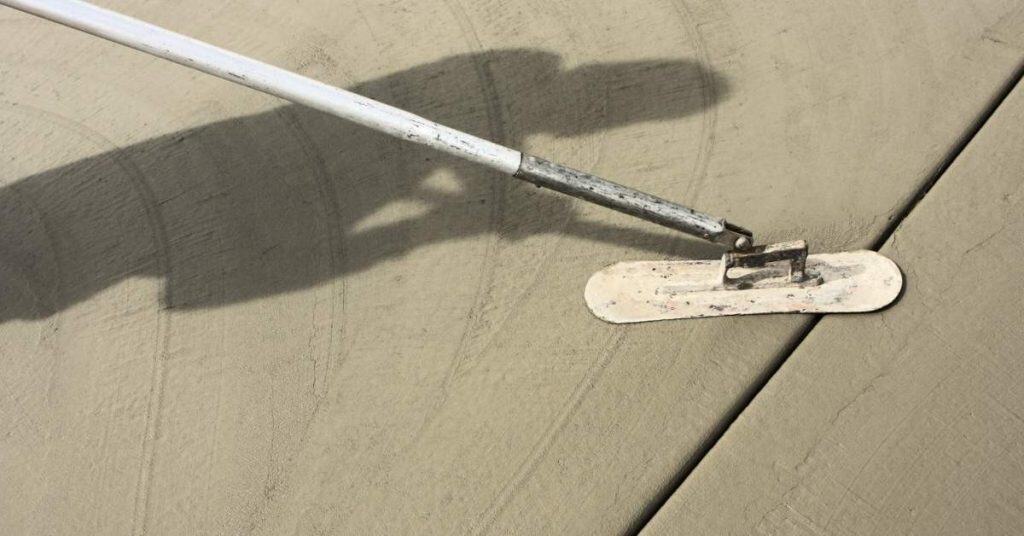
Bull float the surface next to remove air bubbles and create a smooth finish. Follow up with an edger to round off sharp edges along formwork lines, preventing cracking later on.
Choose your final finish based on aesthetics and function. A broom finish provides traction while a trowel finish gives a sleek look but requires careful timing for best results.
Curing, Joints, and Post-Pour Care
Maintain moisture on the slab during curing to prevent cracking. Use plastic sheeting or a curing compound for at least 7 days after pouring.
Place control joints every 10-15 feet in both directions to manage shrinkage cracks. Ensure they are cut deep enough (about ¼ of slab thickness) and straight.
Wait until the concrete reaches sufficient strength before removing forms, typically around 24 hours for footings and up to a week for slabs depending on mix design and environmental conditions.

Safety and Site Management
On the jobsite, start with a clear safety plan: everyone wears the basics—gloves, eye and ear protection, and respirators if you’re cutting or grinding—and you run a quick pre-job briefing so tasks and hazards are understood before any work begins. Handle concrete and tools with care, opening bags away from your body, measuring and mixing according to the product label, using wheelbarrows, trowels, and mixers in a clean, organized way, and keeping storage and cleanup to prevent trips or contamination. Control traffic and crowds with visible barriers and clear routes for vehicles and pedestrians, contain runoff and manage dust and noise, and have spill response and weather plans ready, along with readily accessible first-aid kits and a defined point of contact for emergencies.
The practical payoff is a smoother pour, fewer injuries, and less cleanup drama, so you can stay focused on good results rather than firefighting hazards. By establishing exclusion zones, signage, and a simple communication plan, you minimize clashes between workers, equipment, and bystanders and you protect the job from weather quirks that can derail a day. Knowing where the nearest hospital or emergency contact sits and having easy-to-follow steps for common injuries—cuts, burns, concrete burns—and when to pause work keeps you prepared, reduces damage, and keeps the project moving safely and responsibly without guessing or improvising in the moment.
Personal Protective Equipment & Handling
Wearing the right gear is crucial to avoid injuries and health issues. Here’s what you need:
- Gloves: Protect your hands from concrete burns and cuts. Use thick, durable gloves for mixing and handling tools.
- Eyewear: Safety glasses or goggles prevent dust and debris from damaging your eyes. Wear them anytime near the mixer or when pouring.
- Respirator: A mask with a filter to protect against concrete dust, especially if you’re cutting forms or grinding old concrete. Available at hardware stores for around $20-$30.
- Hearing Protection: Earplugs or earmuffs reduce noise from power tools and machinery. Essential during mixing and pouring stages.
- Steel-toed Boots: Protect your feet from heavy objects and sharp edges. Look for boots that are slip-resistant, which is crucial on wet concrete.
Site Hazards and Traffic Control
Managing site hazards and traffic control ensures everyone stays safe during the pour. Start by setting up clear exclusion zones around your work area to keep unauthorized personnel away.
Use bright signs and barriers to mark danger spots like sharp edges, wet concrete areas, or electrical cords. Make sure all workers know where these are located before starting any tasks.
Establish a communication plan with designated signals for vehicles entering the site and moving around during pouring. This helps prevent accidents caused by unexpected movements or equipment crossing paths.
Common DIY Mistakes and How to Avoid Them
The main culprits behind cracks and uneven slabs are poor subgrade prep, the wrong concrete mix, timing mistakes in pouring and finishing, inadequate reinforcement, and improper curing. These missteps let cracks form, slabs curl, and joints misbehave. Fixing them starts with honest prep, choosing a sound mix, and careful pour timing.
Why it matters to you is simple: a solid subgrade keeps the slab flat; the right mix and timing prevent cracks from forming and spreading; proper reinforcement and curing keep the slab durable over time. Use a pre-pour subgrade prep, verify your mix and slump, place reinforcement correctly, and cure properly to reduce cracking. If you spot signs of subgrade issues or honeycombing, intervene early or seek help.
Mistakes During Prep and Pour
Avoid these common mistakes during the preparation and pouring stages of your concrete slab to ensure a strong, even finish.
- Subgrade not compacted: Weak subgrade leads to settlement. Test soil compaction before pouring.
- Poor form setup: Improperly set forms cause uneven edges and leaks. Ensure forms are level and securely braced.
- Inadequate reinforcement: Not enough rebar can lead to cracking. Place rebar correctly, ensuring proper spacing and coverage.
- Concrete overworked: Excessive troweling causes surface cracks. Limit finishing passes once bleed water has evaporated.
Maintaining a well-prepared site and following precise pouring techniques will help prevent these issues and ensure your slab is durable and crack-free.
Finishing and Curing Mistakes
Avoid these common mistakes during the finishing and curing stages to maintain a high-quality concrete surface.
- Over-troweling: Excessive troweling causes surface cracks. Limit your final pass once bleed water has evaporated.
- Late joint cutting: Delayed joint installation leads to random cracking. Cut joints within 24 hours of pouring for best results.
- Inadequate curing: Insufficient curing time causes rapid drying and cracks. Use a curing compound or wet burlap to keep concrete moist.
Maintaining proper finishing techniques and ensuring adequate curing will help your slab achieve its full strength and durability.
Cost-Saving Tips and When to Hire Professionals
Saving money on a DIY project doesn’t mean cutting corners; it’s about smart planning, renting what you need, and doing solid prep so you don’t pay twice for mistakes. Here, the emphasis is on practical cost cuts that preserve safety and quality: rent or borrow tools, buy bulk materials when practical, reuse forms when allowed, and sequence tasks to minimize rental days while staying within safe limits.
Know when to call in a pro: complicated drainage or grading, large structural or slab pours, reinforcement design, soil stabilization, and any inspection requirements that your local rules mandate. Clear estimates matter, so compare itemized quotes, separate labor from material costs, and budget for contingency and long-term maintenance without assuming endless savings. A quick workflow helps you stay on track: prep, form setup, pour window, curing, and post-pour checks, plus a rental checklist to keep gear organized and costs predictable.
Economies of Scale and Renting vs Buying
When it comes to saving money on your slab-to-slab project, consider the economies of scale. For instance, buying concrete in bulk can significantly lower costs per cubic yard compared to smaller quantities. However, be mindful of storage space and potential waste.
Renting heavy equipment like a concrete pump or mixer is often more cost-effective than purchasing them outright, especially for one-off projects. A rented 10-yard mixer might set you back $250-$300 per day, whereas buying it could run into tens of thousands of dollars. Plus, renting allows you to spread out the expense over a shorter timeframe.
Another way to save is by combining efforts with neighbors or friends who are also doing similar projects. This can help share costs on tools and materials like formwork or rebar. Just make sure everyone understands their roles and responsibilities to avoid delays or safety issues.
When to Call a Contractor
There are times when it’s best to leave the concrete work to professionals, especially if you encounter complex challenges. For example, large spans over 20 feet or more require specialized knowledge and equipment to ensure proper reinforcement and support.
If your project involves tricky soil conditions like expansive clays or loose fill that might settle unevenly, it’s wise to consult a pro who can stabilize the ground properly. This is crucial for long-term structural integrity.
Additionally, if you’re unsure about compliance with local building codes and permits, hiring a contractor ensures your work meets all legal requirements without costly rework later on. Remember, cutting corners now could lead to bigger headaches down the road.
Long-Term Maintenance and Troubleshooting
Long-term maintenance means setting up a practical cadence for caring for your slab, including seasonal sealant refreshes, joint maintenance, and routine surface cleaning, while keeping a simple log so you can track how the slab behaves over time. It covers choosing the right sealant type—penetrating versus film-forming—and knowing when a seal needs reapplication or replacement, all with the caveat to check the product label or datasheet for compatibility and limits. It also includes crack monitoring to note width changes and growth, and clear steps for DIY filling on narrow cracks or wider gaps, plus when to bring in pro help for epoxy injections or routing to restore performance.
This matters because a proactive approach helps you spot trouble before it escalates into expensive repairs, minimizes downtime, and extends slab life by addressing drainage, weeds, and surface contaminants early. You’ll benefit from a practical season-by-season checklist and a simple maintenance log that records results, decisions, and any professional evaluations, making future repairs faster and more reliable. If you document findings and follow a plan, you’ll be better prepared to differentiate settlement, freeze‑thaw damage, and joint failures, and you’ll know when to escalate to a professional without guesswork.
Sealing, Cleaning, and Seasonal Care
To keep your concrete slab looking good and lasting long, regular sealing is key. Use a penetrating sealer in spring to protect against water damage and UV rays. Avoid film-forming sealers unless you need extra chemical resistance or slip prevention.
For cleaning, stick with mild detergents and avoid acid-based cleaners that can etch the surface. Rinse thoroughly after each wash to prevent residue buildup. In winter, apply a de-icing salt alternative like calcium chloride to protect against freeze-thaw damage.
Document your maintenance activities in a log book. Note when you sealed or cleaned, any repairs made, and overall slab condition. This helps track the health of your slab over time and guides future decisions on maintenance needs.
Repair Techniques for Common Problems
Hairline cracks are common but easy to fix with a good crack sealant. Apply it when the crack is dry, following the manufacturer’s instructions closely. For wider cracks up to 1/4 inch, use polyurethane or epoxy filler.
Spalling—where chunks of concrete chip off—is often due to poor curing or freeze-thaw cycles. Clean out loose debris and apply a patching compound over affected areas. Let it cure before sealing again.
If you notice minor settlement causing dips in the slab, fill with a leveling compound designed for concrete repair. For more severe issues like large cracks or extensive spalling, consider consulting a professional to assess if full slab replacement is needed.

Conclusion
Plan thoroughly, work methodically, and keep safety at the top. A solid slab lasts years and looks right when you control the cure, the joints, and the drainage from day one.
Confirm your plan in a simple sequence: measure the site and set the form, check grades and drainage, mix and test a small batch if unsure, assemble tools and materials, pour and screed in one steady pass, finish with the right texture, and finish with a proper cure. Check the plan against the site as you go, keep stress off unfinished edges, and verify each step before moving to the next. If anything looks off, pause and reassess before you risk rework.
Common mistakes to avoid are poor curing, skipped joints, and weak reinforcement or levered forms that move during pour. Protect the concrete from rapid temperature changes, keep forms clean and true, and never pour over wet ground or contaminated mixes. A simple safety rule: test a small area first, follow the mix instructions exactly, and wait for the slab to reach the right strength before loading it with use.
If the project involves complex grading, high load, or uncertain soils, know when to pull in a professional rather than pushing through. When in doubt about soil bearing, drainage, or a large slab, hire help to prevent costly mistakes. Stay disciplined, keep safety gear on, and you’ll finish with a durable, good‑looking slab you can be proud of. You’ve got this.
FAQ
1. What is slab to slab construction?
Slab to slab is when you pour one concrete slab, build on it, and then pour another slab above it. It creates a strong, continuous feel for a structure with floors or decks. It’s common in DIY basements and simple homes.
2. Do I need a permit for slab to slab work?
Yes. Check local rules before you dig or pour. A permit keeps you legal and helps you avoid fines or dangerous setups later.
3. What are the top risks I should watch for?
Cracking, wrong aggregate mix, and poor moisture control are the big ones. If the subgrade isn’t solid or you rush curing, you’ll see cracks and weak spots.
4. How long before I can walk on the new slab?
First pour cures in about 24 to 48 hours for light foot traffic. Full strength takes about 28 days. Protect it from heat, cold, and heavy loads during curing.