
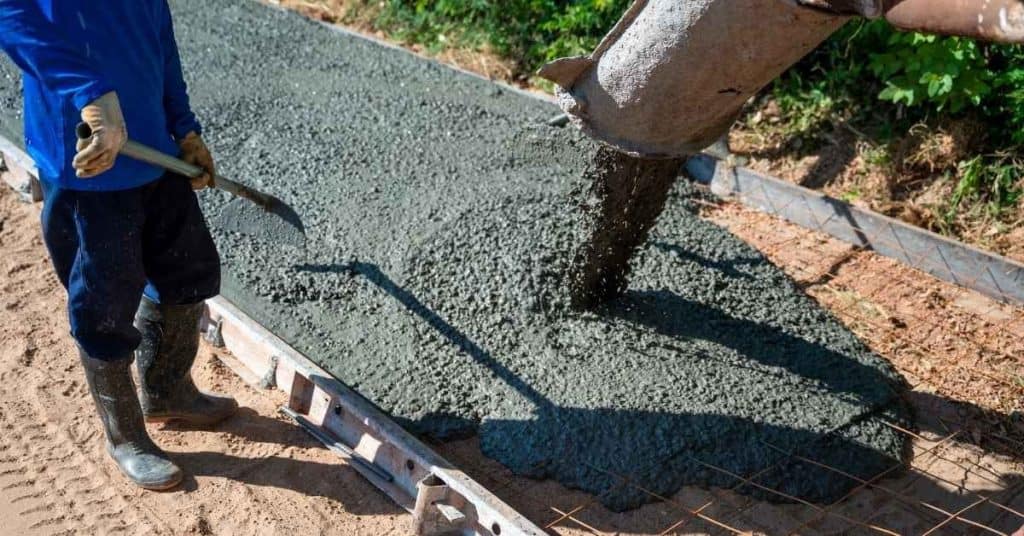
Introduction
A reinforced-concrete frame is the load-bearing skeleton of a structure: foundations, columns, beams, slabs, structural walls, reinforcement, and their connections. Completing the frame is not the same as completing a building; enclosure, roofing, utilities, finishes, site work, and final occupancy approval are separate scopes.
This is a planning guide, not a structural design guide. A small, simple, single-level frame with approved drawings, reliable access, a capable crew, and no major inspection or weather delays may take roughly 6 to 12 calendar weeks from ready-to-build site work through frame completion. That range is not a promise: a larger footprint, multiple floors, difficult soil, restricted concrete-truck access, site mixing, delivery delays, inspections, or strength-release requirements can extend it substantially.
Structural analysis, foundations, reinforcement detailing, formwork and shoring design, temporary bracing, concrete-mix changes, and decisions to strip forms or apply loads require the engineer of record or another qualified professional. Concrete design is governed by a coordinated code framework, not beam-span shortcuts or a universal load multiplier; see ACI 318 structural concrete code information.
The Concrete Frame Structure Timeline: Step-by-Step Duration Guide
Use this range for the frame only, after defining the footprint, number of floors and bays, foundation system, crew, formwork method, concrete supply, equipment, access, inspection needs, and weather protection. Calendar duration includes hands-on work, curing and strength development, inspection waits, delivery lead times, and weather delays.
| Phase | Typical calendar allowance | Prerequisite and completion check |
|---|---|---|
| Planning, permits, and design | 1–4 weeks or longer | Approved structural drawings, site and soil information, permit, utility locating, delivery access, and inspection plan are in place. |
| Site preparation and foundation work | 2–3 weeks | Layout and excavation match the drawings; bearing conditions, forms, reinforcement, embeds, and required inspections are accepted before placement. |
| Formwork and reinforcement | 1–2 weeks per lift or floor | Forms are aligned, clean, supported, and braced; reinforcement, cover, laps, embeds, and connections match approved drawings. |
| Concrete placement | 1–3 days per scheduled pour | Mix, placement crew, delivery or pump, consolidation equipment, curing materials, testing, and weather protection are ready before the truck arrives. |
| Curing, strength verification, stripping, and next lift | 1–3 weeks, often overlapping later planning | Curing is maintained and forms, shores, or bracing remain until the plans, specifications, or approved strength evidence authorize a change. |
| Frame closeout | Several days to 1 week | Required corrections, documentation, connections, temporary conditions, and inspections are complete. |
Total estimated duration: 6 to 12 weeks for a defined, straightforward frame scope. Add time rather than compressing the sequence if rain, freezing or excessive heat, groundwater, unsuitable soil, failed inspections, rework, unavailable labor, or concrete and formwork delivery conflicts arise.
Key takeaways
A reliable schedule is dependency-based. A pour cannot safely make up for missing approvals, unstable forms, displaced reinforcement, or inadequate curing protection.
- Define whether the estimate covers the frame only or the entire building.
- Separate labor time from curing, inspection, delivery, and weather waiting time.
- Use engineered drawings for all member sizes, foundations, reinforcement, connections, and temporary works.
- Schedule inspections before work becomes concealed and before each concrete placement where required.
- Use the approved concrete mix; do not add water or admixtures without authorization.
- Base stripping, reshoring, and loading on project criteria and verified strength—not a fixed number of hours or days.
Table of Contents
- Introduction
- Key takeaways
- Planning, Permits, and Design Considerations
- Tools, Materials, and Material Specs Explained
- Site Preparation and Foundation Work
- Mixing, Pouring, and Placing Concrete
- Reinforcement and Structural Strengthening Methods
- Finishing, Curing, and Quality Checks
- Safety, Common Mistakes, and Maintenance
- Conclusion
- FAQ
Planning, Permits, and Design Considerations
Start With an Approved Scope
Before pricing or scheduling, confirm the frame footprint, elevations, number of floors, foundation type, soil assumptions, lateral-load system, formwork system, concrete source, placement equipment, truck and pump access, staging area, and crew size. Ask the building department which permits and inspections apply before excavation and before reinforcement or other structural work is covered.
Do not use rules such as “one foot of beam per eight feet of span” or “twice the expected load” to size a frame. Beam, column, slab, wall, footing, and connection dimensions depend on the complete design, including loads, span, support conditions, materials, soil, deflection, stability, and local code requirements.
Budgeting and Timeline Estimation
Budget separately for concrete, reinforcement, formwork, shores and braces, equipment, testing, inspections, excavation, spoil handling, delivery, washout, weather protection, and qualified supervision. Keep a contingency for conditions discovered during excavation, schedule changes, corrections, and reinspection; the appropriate amount depends on the project rather than a fixed percentage.
Book ready-mix, pumps, testing, inspectors, and rental equipment before locking in a pour date. A small site-mixed batch may suit limited nonstructural work, but it can make consistency and placement rate harder to control on a structural frame. Do not schedule the next lift merely because a day has passed: it depends on the supporting member’s required in-place strength and the approved temporary-works plan.

Tools, Materials, and Material Specs Explained
Plan the equipment around the approved placement method: forms, shores, braces, working platforms, rebar supports, cutting and tying tools, placement equipment, screeds, a suitable vibrator, curing materials, washout controls, and any required testing arrangements. Provide eye and skin protection, gloves, boots, hearing protection, and task-appropriate fall protection and respiratory protection where needed.
Reinforcement Materials and Grades
Order the bar grade, size, shape, spacing, coating, supports, and accessories shown on the drawings. Verify identification and mill documentation when required. Grade 40 reinforcing bar has a 40,000-psi minimum yield strength, while Grade 60 has a 60,000-psi minimum yield strength; they are not interchangeable labels. See the ASTM A615 reinforcing-bar specification.
- Rebar: Do not substitute diameter, spacing, lap length, hooks, bends, anchorage, or cover without designer approval.
- Chairs and spacers: Use approved supports to hold bars at the cover shown on the drawings during placement.
- Welded wire reinforcement and fibers: Use only where specified. Fibers may serve a defined crack-control or performance role, but they do not automatically replace designed reinforcing steel.
- Condition: Keep reinforcement and forms clean enough to meet the project requirements; obtain direction before using corroded, damaged, or incorrectly coated materials.
Formwork Types and Selection
Plywood, metal, and reusable systems can all be appropriate when selected for the member geometry and planned placement loads. The critical issue is not the form material alone: forms, shores, ties, working platforms, and braces must be designed or approved for anticipated vertical and lateral loads, aligned, secure, and inspected before and during placement.
Site Preparation and Foundation Work
Set out corners, axes, elevations, and excavation limits from the approved plan. Locate utilities, arrange excavation safety measures, confirm access and spoil handling, and stop if the exposed soil, groundwater, rock, fill, or site dimensions differ from the design assumptions. Foundation type, bearing level, drainage, frost protection, compaction, and waterproofing are project-specific decisions—not DIY substitutions.
Creating a Stable Bearing Surface
Clear debris and unsuitable material only as directed by the project documents. Where a granular layer, geotextile, moisture barrier, insulation, or compaction is specified, install it to that specification and document any required inspection. Check layout and elevations before forms conceal the work.
Foundation Preparation Check
Before concrete is ordered, confirm that the bearing surface is accepted; forms are dimensionally correct and braced; reinforcement, cover, laps, dowels, and embeds match the drawings; the required inspection has passed; and the curing and weather-protection plan is ready. Do not pour over standing water or change the specified receiving-surface preparation without direction.
Mixing, Pouring, and Placing Concrete
Use the approved mix design or supplier-provided structural mix, not a generic cement:sand:aggregate ratio. Confirm the ordered strength, aggregate size, admixtures, delivery window, placement rate, testing plan, and curing method before placement. Do not add water to chase a preferred consistency; if an adjustment is permitted, obtain it through the supplier or project procedure and record it.
Consistency and Placement
Slump is a specified property tied to the mixture and placement method, not a universal DIY target. If testing is required, it should be performed by the designated personnel and compared with the project specification. Keep the pour continuous enough to avoid unintended cold joints, place concrete in the planned sequence, and watch for form movement or reinforcement displacement.
Consolidation and Immediate Checks
Use the approved consolidation method and crew. Internal vibration can remove entrapped air, but over-vibration can cause segregation; use it deliberately rather than indiscriminately. Stop the placement and obtain direction if forms move, ties fail, reinforcement shifts, aggregate separates severely, or honeycombing is visible after form removal.
After placing, begin the specified curing and protection promptly. Clean tools and control concrete washout in the planned area; do not rinse cementitious waste into soil, drainage routes, or stormwater systems.

Reinforcement and Structural Strengthening Methods
Rebar Layout and Detailing
Mark control lines and install reinforcement exactly as detailed. Bar spacing, cover, development, lap lengths, hooks, ties, confinement, beam-column joints, dowels, and embeds are structural design details. Reinforcement helps control and distribute cracking and provides the required strength and ductility where designed, but it does not guarantee crack-free concrete.
Before placement, inspect whether supports hold bars in position, clear cover is maintained, ties are secure, embeds are present, and no field bending or substitution has occurred without approval. Photographing the accepted reinforcement and embeds can help maintain the project record.
Admixtures and Fibers
Admixtures and fibers must be compatible with the specified mixture and approved use. A water-reducing or set-controlling admixture can affect placement and schedule; it is not a field improvisation. Fibers may address a particular performance requirement, but they do not generally strengthen a frame or replace bars, welded wire reinforcement, or designed confinement.
Finishing, Curing, and Quality Checks
Finish only the surfaces intended to be exposed or finished, without adding water to the surface. Start the specified curing method as soon as the surface and conditions allow, then protect the concrete from rapid drying, rain damage, freezing, excessive heat, and construction traffic according to the project documents and supplier dire