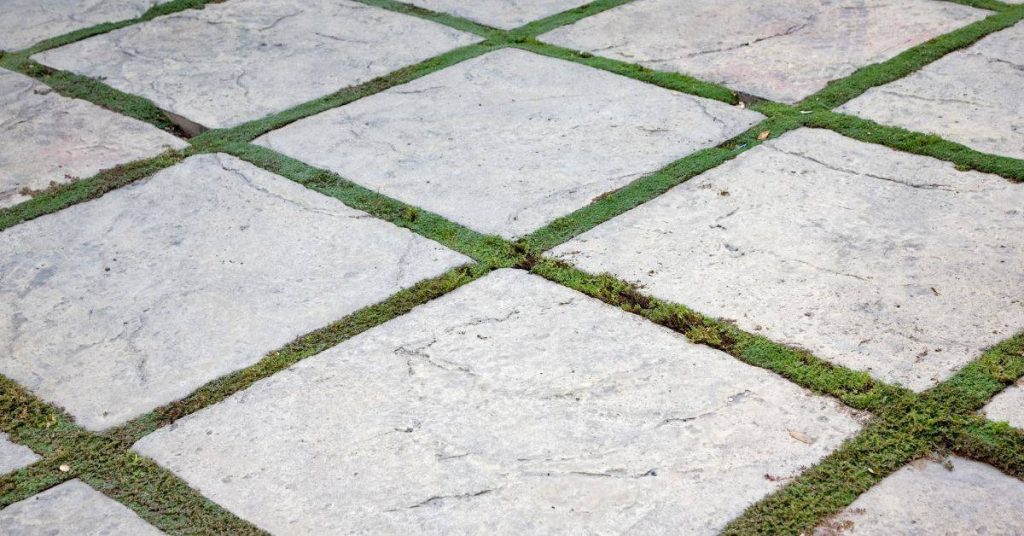
Square stone pavers with green moss in the joints

Sandblasted Finishes: Uniformity Tricks and How to Avoid Shadowing Around Joints

Introduction

Sandblasted finishes are a textured surface created by blasting marble with abrasive media to reveal the stone’s grain. The result is a matte, slip-resistant look that hides tiny flaws and can add character to a space. As a DIY project, it’s important to understand that consistency comes from planning, the right media, and steady technique.

To achieve uniformity, practice on a scrap area and keep the blasting pressure, distance, and movement steady across panels. Watch for shadowing around joints by protecting edges and detailing transitions, then adjust staging or masking as needed. Finally, check manufacturer instructions and local rules for cleaning, sealing, and maintenance, and use those guidelines to keep the finish looking even over time.

Key takeaways

  • Understand sandblasted finishes: dull, textured surface improves grip and light diffusion.
  • Achieve uniformity: use consistent media depth and pass count, overlap technique.
  • Avoid shadowing around joints: stagger joints, mask edges, and adjust nozzle distance.
  • Safety: wear eye and respiratory protection; follow local regulations and manufacturer guidelines.
  • Maintenance: seal or protect cleaned marble; clean spills promptly to prevent staining.
  • Troubleshooting: inspect for uneven texture; re-sand or reblast only as needed.
Table of Contents

Planning Your Sandblasted Finish Project

Start with a clear picture of what you want to achieve and where. Identify the substrate, its condition, and whether sandblasting is appropriate for each area. Flag joints, transitions, and zones prone to shadowing so you can plan around them.

Create a pre-work checklist that covers test panels, media, and technique choices, plus a realistic timeline and sequence. Note any permits or code considerations and outline safety protocols. Develop a qualitative budgeting approach and set criteria for contractor vetting based on experience and warranties. Plan edge treatments and masking strategies to reduce shadowing, and document everything so everyone stays aligned before work begins.

Site and Substrate Checklist

Before you start, inspect your site and substrate to ensure sandblasting is suitable. Here’s a quick checklist:

  • Surface type: Confirm it’s concrete, terrazzo, brick, or another suitable material.
  • Condition: Check for cracks, delamination, or weak spots that could worsen with blasting.
  • Joints and transitions: Flag areas where joints meet, changes in substrate occur, or shadowing might be an issue.
  • Moisture content: Ensure the surface isn’t too wet; sandblasting won’t adhere well to damp surfaces.
  • Surrounding materials: Protect nearby items from dust and debris with plastic sheeting or drop cloths.
  • Access: Assess if equipment can reach all areas safely and efficiently.
  • Safety hazards: Identify any potential tripping hazards, unstable structures, or other safety concerns.
  • Lighting: Ensure the area is well-lit for both safety and quality control.

Quick rule: If in doubt about any aspect, consult a professional before proceeding.

Cost Factors and Pro vs. DIY Considerations

Sandblasting costs vary based on several factors:

Accessibility – Tight spaces or hard-to-reach areas increase labor time and cost.

Surface area – Larger surfaces mean more media and longer blasting times, driving up the price.

Media type – Different abrasives have varying costs. Coarser materials like garnet are pricier than silica sand.

Skill level – DIYers may save on labor but risk rework or poor results if inexperienced. Hiring a pro ensures consistent, quality work but comes at a premium.

Consider hiring a pro when:

  • Safety concerns: Complex jobs with potential hazards are best left to professionals.
  • Time constraints: Tight deadlines may warrant the speed and efficiency of experienced crews.
  • Complex surfaces: Intricate patterns, multiple substrates, or delicate materials require expert handling.

Test Panels and Mock-ups

Before diving in, set up small test areas to dial in your sandblasting technique. Here’s how:

Choose a representative area, preferably hidden or inconspicuous.

Try different media types, pressures, nozzle distances, and dwell times to see what works best. Mark each test with its settings for easy comparison.

Masking – Test various masking methods around joints and transitions to minimize shadowing. Use painter’s tape, plastic sheeting, or even cardboard to protect areas from overspray.

Evaluate each test panel for consistency, depth of blast, and overall appearance. Make adjustments as needed before proceeding with the full job.

Back to top ↑

Tools, Media, and Material Choices

Compare abrasive media options and explain how each type affects texture and depth, with attention to potential shadowing around joints. Consider environmental and health implications and select options accordingly. Look for media labels that guide usage and disposal requirements.

List blasting equipment features to verify with manufacturers and explain how these influence uniformity and edge protection. Include guidance on joint sealants and adhesives compatible with blasted surfaces, and read product specs for adhesion and cure requirements. Use a practical testing protocol with small patches to document results and prevent later failures around joints.

Choosing abrasive media and finish targets

The type of abrasive media you choose greatly influences your final texture. Here’s how:

Sand: Inexpensive, but can leave a rougher, less uniform finish. It’s best for softer substrates like concrete or soft stone.

Glass Bead: Smooths surfaces, good for light blasting and revealing aggregate in concrete. But it’s pricier and can be harder to control.

Copper Slag & Aluminum Oxide: These are aggressive media that cut deep into hard substrates like granite or steel. They’re great for removing heavy coatings but require careful handling.

Equipment and nozzle/stand-off considerations

Your blasting equipment plays a big role in uniformity. Here’s what to check:

  • Nozzle Type: Different nozzles (fan, cone) create different patterns. Fan is wider but less aggressive.
  • Pressure Settings: Higher pressure means deeper blast. Check manufacturer specs to avoid damaging the substrate.
  • Airflow: Consistent airflow keeps your blast even. Ensure your compressor can handle it (CFM).
  • Hose Condition: A worn hose can cause inconsistent blasting and potential safety hazards.
  • Dust Collection & Containment: These keep your workspace clean and safe. Rentals are available, but expect to pay around $50-$100 per day.

Adhesives, grouts, and joint materials

Choosing the right materials ensures your joints don’t become shadows. Here’s what to consider:

  • Joint Sealants: Silicone, polyurethane, or acrylic? Read specs for adhesion, flexibility, and cure time. Avoid cracking by matching sealant movement with substrate.
  • Polymer-Modified Mortars & Epoxies: These are tough but need proper surface preparation. Check compatibility with your blasted surface.
  • Grout Color: Dark grout can make joints appear wider, accentuating shadows. Consider a lighter color to minimize this effect.

Back to top ↑

Step-by-Step Sandblasting Workflow

Outline the overall workflow from prep to final inspection, emphasizing masking, substrate protection, and joint considerations. Ensure the plan reduces shadowing risks by controlling exposure around edges. Keep the sequence flexible enough to accommodate site realities.

Explain a thorough masking and protection plan for edges, joints, and adjacent surfaces to preserve uniform exposure. Describe the conceptual blasting pattern and how to maintain consistent technique and travel flow. Include post-blast cleaning, moisture management, and surface conditioning as you prepare for sealing or curing, along with a robust test-verification checklist.

Step-by-Step Process

The following is a clear, numbered sequence of practical steps for your sandblasting workflow. It starts from preparation and safety checks, then does the main work, and finishes with cleanup or final checks.

  1. Preparation: Check weather, gather tools, wear PPE. Safety first, ensure no rain or wind.
  2. Masking: Protect edges, joints, fixtures using tape and plastic sheets. Precision here prevents damage and shadowing.
  3. Blasting: Start from one corner, work methodically across the field. Consistent technique maintains uniformity.
  4. Overlap Control: Ensure each pass overlaps the previous by 30-50%. This ensures full coverage and no missed spots.
  5. Final Inspection: Check for any missed spots, touch up if needed. Double-check now to avoid rework later.
  6. Cleanup: Remove masking materials, clean up debris. Proper cleanup maintains a safe jobsite.
  7. Moisture Management: Allow surface to dry before sealing or curing. Moisture can affect the final finish.
  8. Sealing/Curing: Apply sealant or cure as per manufacturer’s instructions. Follow guidelines for best results.

Surface preparation and masking

Before blasting, clean the surface to remove any dirt or debris. Repair any defects like cracks or holes to prevent them from worsening during blasting.

Masking is crucial to protect edges, fixtures, and joints. Use painter’s tape and plastic sheets. Press down firmly to create a tight seal and prevent sandblasting media from getting underneath.

Pay special attention to corners and joints where shadowing can occur. Ensure the masking is secure but flexible enough not to tear when removed.

Blasting technique and sequencing

Start blasting from a corner or edge, working methodically across the field. Keep your angle consistent, around 45 degrees to the surface, for even exposure.

Use a steady travel speed, about one foot per second, to maintain consistency. Overlap each pass by 30-50% to ensure full coverage and avoid missing spots.

Avoid blasting in direct sunlight or extreme heat. The surface can become too hot, causing the media to bounce off instead of etching the surface.

Post-blast cleaning and inspection

After blasting, use a broom or leaf blower to remove loose debris. Then, follow this checklist for a thorough inspection.

  • Check for missed spots: Look for any areas that were not exposed to the blast. Missed spots can be touched up with a smaller nozzle or by hand.
  • Inspect joints: Ensure no shadowing occurred around joints. Shadowing can indicate incomplete blasting or improper masking.
  • Check for over-blasting: Look for any areas that were blasted too long, causing excessive etching. Over-blasting can lead to a rough, uneven finish.
  • Verify surface moisture: Check that the surface is dry before sealing or curing. Moisture can affect the final finish and cause issues with adhesion.
  • Inspect edges: Ensure no damage occurred to edges during blasting. Damage can be repaired with a touch-up blast or by hand.
  • Check for media residue: Remove any remaining sandblasting media using a brush or compressed air. Residue can interfere with the final finish and cause issues with adhesion.
  • Verify surface profile: Use a profilometer to check that the surface meets your desired roughness. A proper profile is crucial for paint or coating adhesion.
  • Inspect adjacent surfaces: Check that no damage occurred to nearby surfaces during blasting. Damage can be repaired as needed.
  • Check for safety hazards: Ensure there are no sharp edges, loose debris, or other hazards left behind. Safety hazards can cause injuries and should be addressed immediately.

Quick rule: If any issues are found during inspection, address them before moving on to the next phase.

Back to top ↑

Techniques to Achieve Uniform Sandblasted Surfaces

Define consistent blasting geometry by establishing a practical target range for angle and stand-off distance, and a reliable travel speed. Describe simple ways to measure and maintain these parameters, such as basic gauges or jigs. Explain how small deviations can alter texture and create perceived differences along joints.

Detail controlled overlap and pass sequencing to avoid repetitive patterns and over-blasting at panel edges. Use staggered passes and directional markers to mirror sections. Incorporate sectional blasting with guides and templates to keep textures aligned across panels.

Controlling angle, stand-off, and overlap

The key to a uniform sandblasted surface lies in maintaining consistent blasting geometry. Here’s how:

Angle: Keep your nozzle at a 45° angle to the surface. Too flat or too steep will change the texture. Use a simple angle gauge taped to your nozzle.

Stand-off distance: Maintain a consistent distance from the surface, usually 6-12 inches. Closer blasting is more aggressive; farther is gentler. Use a stand-off jig or string line to maintain this.

Travel speed and overlap: Move at a steady pace, overlapping each pass by about 30-50%. Too much overlap can over-blast, too little leaves lines. Stagger passes to avoid repetitive patterns.

Sectional blasting and blending strategies

To achieve uniform texture across large areas, work in manageable sections. Here’s how:

Section boundaries: Divide your project into square or rectangular sections, aligning with joints where possible. This minimizes data loss at joints.

Edge guides and feathering: Use edge guides or templates to maintain flat, level surfaces. At panel interfaces, feather the blast near seams by increasing stand-off distance and reducing exposure time to blend textures.

Pre-testing: Before full-area work, pre-test on a dedicated panel in each section. Document parameters for consistent results across panels.

Visual checkpoints and quality criteria

Regular visual checks ensure uniform texture. Use this checklist:

  • Consistent texture: Check for evenness across the surface. Inconsistencies may indicate variations in angle, stand-off, or exposure time.
  • Joints and edges: Ensure no over-blasting or under-blasting at joints and edges. Use joint shields or masks to protect these areas.
  • Shadowing: Look for dark or light spots that indicate uneven blasting. These can be caused by variations in angle, stand-off, or media size.
  • Repetitive patterns: Check for any repetitive patterns from overlapping passes. Stagger passes to avoid this.
  • Test panel match: Compare your work with the test panel under target lighting. Any differences indicate adjustments are needed.
  • Media size consistency: Ensure the media size remains consistent throughout the job. Changes can affect texture.
  • Equipment condition: Regularly inspect nozzles and hoses for wear, and recalibrate your blasting system as needed.
  • Safety checks: Verify PPE and ventilation are in place before each blast.

Quick rule: If something looks off, stop and adjust. A little extra time spent checking now saves rework later.

Back to top ↑

Angle grinder tool and textured tiles on wooden surface

How to Avoid Shadowing Around Joints

Explain shadowing causes you’re likely to encounter, including depth variance, grout height and color differences, changing light, and edge rounding. Connect these factors to practical fixes you can apply during planning and execution. Emphasize testing and visual evaluation over fixed tolerances.

Provide diagnostic steps using portable lighting at multiple angles and mockups to observe shadow behavior. Discuss joint profile adjustments and controlled feathering at edges to minimize abrupt transitions. Address grout selection and finish to blend with surrounding concrete, and consider edge rounding techniques to reduce glare.

Step-by-Step Process

Follow this clear sequence to minimize shadowing around joints during your sandblasted finish project.

  1. Preparation and safety checks: Ensure all tools are in working order, wear appropriate PPE, and lay out the area to avoid tripping hazards.
  2. Mask off joint areas: Use painter’s tape and paper to protect joint edges from over-blasting. Keep the mask tight to prevent sand from getting underneath.
  3. Main blasting work: Start at one corner of the job, working in small sections. Hold the nozzle at a consistent angle and stand-off distance. Feather the blast at joint edges to avoid creating high ‘edges’.
  4. Inspect and clean up: After each section, inspect for any missed spots or over-blasted areas. Clean up any sand debris with a broom and dustpan.
  5. Final checks: Once complete, walk the job with a flashlight at various angles to check for any remaining shadows. Make touch-ups as needed.

Diagnosing types of shadowing

Identifying the cause of shadows around joints helps you choose the right remedy. Start by examining the joint geometry and texture depth.

Look for depth variance between pavers or slabs that might be causing abrupt transitions, trapping light, and creating shadows. Also, check if there are any grout color or height differences that could be causing contrast and apparent shadowing.

Observe how light direction affects the appearance of joints. Shadows may appear at certain times of day due to changing light angles. Lastly, consider if edge rounding is casting or trapping shadows, creating a stark contrast with the surrounding surface.

Joint-focused blasting and edge treatments

Careful masking and controlled blasting techniques help prevent deeper blasting at joint edges, reducing shadowing.

Use careful masking around joints to protect them from over-blasting. Apply painter’s tape tightly along the edge, ensuring no sand gets underneath during blasting.

When blasting near joints, reduce exposure by feathering the blast at joint edges. This helps avoid creating high ‘edges’ that could cast shadows. Keep your stand-off distance consistent and adjust your angle slightly to achieve a smooth transition.

Regularly inspect and clean up any sand debris around masked areas to maintain a tight seal and prevent over-blasting.

Choosing joint materials and colors to minimize contrast

Selecting the right grout color, sheen, and profile can help reduce apparent shadowing and complement your sandblasted texture.

  • Grout color: Choose a grout color that blends with the surrounding concrete. A close match reduces contrast and minimizes shadows.
  • Sheen level: Consider a low-sheen or matte finish for grout to minimize glare, which can exacerbate shadowing.
  • Grout profile: Select a sanded or fine-textured grout that matches the texture of your blasted surface. This helps maintain a uniform appearance across joints.
  • Avoid high-contrast materials: Steer clear of dark grouts with light concrete, or vice versa, to prevent stark contrast and apparent shadowing.

Back to top ↑

Common Mistakes, Troubleshooting, and Repairs

Offer a quick diagnostic framework to identify whether issues stem from travel irregularities, media inconsistencies, masking gaps, or grout color variance. Suggest simple checks and observations to guide troubleshooting. Focus on practical remedies you can apply on site.

List typical mistakes and pragmatic repairs, such as localized re-blasting, light grinding, or targeted masking rework. Include preventive checks for media sizing and flow, masking technique, and consistent blast angles. Provide a concise root-cause workflow to minimize rework and shadowing in future projects.

Typical DIY pitfalls and how to avoid them

As a DIY homeowner, it’s easy to make mistakes when sandblasting. Here are some common pitfalls and simple preventative practices.

  • Inconsistent pressure: Vary in pressure can lead to uneven textures. Solution: Practice on a scrap panel to get a feel for consistent pressure.
  • Wrong nozzle size: Using the wrong nozzle size can affect blasting efficiency. Solution: Verify your equipment settings before starting.
  • Overlapping too much: Overlapping too much can cause excessive wear on the surface. Solution: Keep a consistent overlap, around 50%.
  • Not wearing proper PPE: Not protecting yourself can lead to injuries. Solution: Always wear appropriate safety gear.

By being aware of these common mistakes and taking preventative measures, you can ensure a successful sandblasting project.

Repair tactics for uneven textures and shadowing

If you find your surface has uneven textures or shadowing after blasting, don’t worry. Here are some stepwise approaches to touch-ups.

For small areas: You can perform localized re-blasting or light grinding to even out the texture. Be sure to match the original blast pattern and depth.

For larger areas: If the unevenness is extensive, you may need to rework the entire area. Start by cleaning the surface thoroughly, then reapply the blasting process.

Remember, prevention is key. Always perform a test run on a small, hidden area first to ensure your technique and settings are correct.

Long-term durability and how finishing choices affect lifespan

The choices you make during the sandblasting process can significantly impact the longevity of your finish. Here’s how:

Media selection: Coarser media will create a deeper, more aggressive texture that may wear faster over time. Finer media creates a smoother, longer-lasting finish.

Blast depth: Deeper blasting can make the surface more susceptible to staining and damage. Solution: Keep blast depths consistent and appropriate for your substrate.

Sealing: A proper sealant can protect your finish from moisture, stains, and other contaminants. Solution: Apply a suitable sealant after blasting to extend the life of your finish.

Back to top ↑

Safety, Maintenance, and When to Hire a Pro

Summarize essential safety practices, including PPE, dust control, containment, and cleanup steps. Emphasize safe handling and ventilation to protect occupants and nearby landscaping. Outline a practical, on-site maintenance approach for blasted surfaces.

Discuss how to evaluate whether a project benefits from professional involvement based on complexity, access, and risk. Provide a decision framework that guides DIY versus hiring, without relying on price as the deciding factor. Include criteria for timing and scope that keep the project safe and progressing smoothly.

Safety precautions and environmental controls

Before you start sandblasting, safety and environmental considerations are crucial. Here’s what you need to know.

Personal Protective Equipment (PPE): Wear approved eye/face protection, gloves, and a respirator rated for dust particles. Safety glasses aren’t enough; use goggles or a face shield.

Dust control: Use wet cutting techniques, local exhaust ventilation, or HEPA vacuums to minimize dust. Keep work areas damp to reduce airborne particles.

Containment and disposal: Set up barriers to keep debris away from occupants and landscaping. Collect waste in designated containers for proper disposal. Check local regulations for hazardous waste handling.

Cleaning, sealing, and routine maintenance

Maintaining your sandblasted finish ensures it lasts and looks great. Here’s how to care for it:

Cleaning: Gently clean with mild soap and water using a soft brush or cloth. Avoid harsh chemicals that can damage the texture.

Sealing: Apply a suitable sealer every 3-5 years, depending on exposure to weather and traffic. This protects against moisture and stains.

Inspection: Regularly check for signs of deterioration like cracks or fading. Address minor issues promptly to prevent bigger problems.

Hiring guidance and contractor checklist

Knowing when to hire a pro is important. Use this checklist before signing any contract:

  • Experience: Ask for proof of experience with sandblasted finishes. Check references and past projects.
  • Equipment: Ensure they have appropriate sandblasting equipment and dust extraction attachments.
  • Safety measures: Confirm they follow safety protocols, including PPE, containment, and cleanup.
  • Waste disposal: Verify they handle waste disposal responsibly according to local regulations.
  • Quote details: Ensure the quote includes all costs, materials, and labor. Be wary of low-ball estimates.
  • Warranty: Check if their work is warrantied and what it covers.
  • Insurance: Confirm they’re insured to protect you from liability.
  • Timeline: Ensure the project timeline works for you, including cleanup and restoration of the area.

Quick rule: If complexity, access constraints, or safety risks are high, consider hiring a pro. Price shouldn’t be the only deciding factor.

Back to top ↑

Conclusion

Keep safety at the top and treat the finish like a lasting coating. A controlled, uniform sandblast job will look sharp, resist wear, and avoid costly rework.

Start with a small test patch, mask joints and edges, choose a compatible media, and wear the right PPE. Set a conservative pressure, maintain a steady distance, and move in overlapping passes. Inspect as you go, clean as needed, and finish with a simple maintenance plan to keep the finish even over time.

Common mistakes to avoid include rushing the setup, skipping a test area, and blasting too close or too long on one spot, which can cause dimples or shadowing. Always mask joints and corners, ventilate the workspace, and double-check the substrate for compatibility before you proceed.

If the project is large, involves delicate substrates, or you’re dealing with hard-to-reach joints, it makes sense to call a pro instead of forcing it. When in doubt, pause, reassess, and choose the safer route. A careful, well-planned approach now pays off with a durable, uniform finish that lasts.

Back to top ↑

FAQ

What exactly is a sandblasted finish, and what benefits does it offer for surfaces like stone or marble?

A sandblasted finish roughs the surface to create a matte, non-slip texture. It can hide minor flaws and improve grip, especially on floors or steps. Check with the material’s manufacturer for your exact product’s appearance and durability.

What are practical techniques to achieve more uniform sandblasting across a large area?

Use a consistent blasting button or nozzle pattern and keep a steady distance from the surface. Move at a uniform pace and avoid lingering in one spot. Confirm your chosen media and pressure with the material instructions before starting.

How can I prevent shadowing around joints or edges during sandblasting?

Mask edges and joints carefully with tape or protective film to keep the finish even. Use standoff guides to maintain a uniform distance near corners. If you see edges darker, adjust your pattern and move more slowly near joints.

How do I maintain a sandblasted marble surface after finishing?

Clean regularly with a gentle, neutral cleaner and avoid harsh chemicals. Re-seal only when the manufacturer recommends, and follow their guidance for frequency. Inspect for wear or dull spots and address them as needed.

Back to top ↑

More about this topic