
Introduction
Casing bead, J-bead, and L-bead each serve different roles around openings, so choosing the right one improves fit, protection, and finish.
This guide explains when to use each bead type and walks through practical tips, common installation scenarios, and rules of thumb you can apply on real projects.
You’ll learn how to assess reveals, seal gaps, and align trim around doors and windows.
Key takeaways
- Choose casing bead for traditional door/window casing with flat, plain edge transitions.
- J-bead prevents glass or panel protrusion, ideal for lightweight vinyl sashes.
- L-bead wraps exterior edges, provides sealant channel at drywall openings.
- For installation, cut accurately, align with stud line, secure with nails.
- Weatherproofing requires proper sealing and flashing beneath bead profiles where weather enters.
- Budgeting requires factoring material costs, labor, and potential replacements.
- Visual impact: match bead profile to trim style for cohesive appearance.
Table of Contents
- Introduction
- Key takeaways
- Quick definitions: what are casing bead, J-bead, and L-bead
- Where each bead belongs around openings (doors, windows, vents)
- Installation differences and step-by-step placement tips
- Material options, finishes, and durability
- Cost comparison and budgeting for projects
- Aesthetics and visual impact around openings
- Building codes, weatherproofing, and safety considerations
- Common mistakes, failures, and how to fix them
- DIY best practices, tools, and a materials checklist
- Visual checkpoints and illustrative examples
- Conclusion
- FAQ
Quick definitions: what are casing bead, J-bead, and L-bead
J-bead is a curved, J-shaped profile used at openings to provide flexible corner work and better water shedding, while its rounded edge helps seal and bridge movement. L-bead has a sharp, angular edge that creates clean, squared edges at openings and acts as a rigid stop for flashing and mesh, with a straight leg that helps control alignment. Casing bead is a straight, flat or stepped profile used for standard edge support and flashing integration around windows and doors, often providing a defined face for coatings and seals.
Where they go matters: J-beads handle movement at corners; L-beads fit flush openings and clean lines; casing beads secure edges and integrate with weather barriers. In practice, select based on the substrate and finish coat—cement stucco vs EIFS—and how you want crack control and water shedding to perform across joints. Install with appropriate nail or stucco screw patterns, correct embedment depth, and seal joints to maintain continuity with flashing and control joints; anticipate how each bead interfaces with mesh, flashing, and reinforcements. A quick guide: use J-bead if you need flexibility at corners, L-bead for sharp, clean edges, and casing bead for standard edge support and flashing integration.
Casing bead explained
A casing bead, also known as a flush bead, is used to create a clean edge where concrete meets another surface, like walls or floors. It’s typically made from plastic or metal and helps prevent water damage by sealing the joint tight.
When installing a casing bead, check base compaction first. Loose soil can cause your work to fail later on. Make sure everything is level before setting the bead in place. This ensures that your concrete will sit flush against it without any gaps or unevenness.
Remember, using the right bead for the job saves you time and hassle down the road. Don’t skimp on quality here; a cheap, flimsy bead might look okay now but won’t last long under pressure from settling soil or shifting concrete.
J-bead explained
The J-bead is a concrete formwork that creates an L-shaped edge, perfect for receiving the edges of cladding materials. It’s commonly used around windows and doors to give them a clean look.
When installing your J-bead, make sure it’s level. This ensures your cladding fits neatly without any gaps or unevenness. Also, check that the base is well compacted before setting the bead in place; this prevents shifting during concrete pour and curing.
The neat termination created by a properly installed J-bead isn’t just for looks—it also helps prevent water intrusion at critical points like window sills. So take your time to get it right, or you’ll regret it later when leaks start appearing.
L-bead explained
The L-bead is a concrete formwork used to protect corners and edges. It’s shaped like an L, making it perfect for those sharp angles where walls meet floors or ceilings. Unlike the casing bead, which we covered earlier, the L-bead doesn’t wrap around the entire edge but focuses on the corner.
When setting up your concrete pour, make sure to install the L-bead at corners and edges before pouring. This helps prevent damage during the finishing process and keeps those sharp angles clean and straight. Remember, check base compaction before installing any bead to ensure a solid foundation.
L-beads can also double as support for finishes like tile or carpet. By providing a clean edge, they make it easier to install these materials later without worrying about uneven edges or corners. Just remember that proper installation is key—misalignment here means headaches down the line.

Where each bead belongs around openings (doors, windows, vents)
Beads belong at specific spots around openings: casing beads around finished flush interior and exterior trim, J-beads next to siding and glazing bead edges, and L-beads where a simple corner or edge finish with drainage is needed. Place them with rough openings and trim profiles in mind, and always coordinate with flashing, drip edges, and siding to shed water. The choice matters for movement, drainage, and appearance, so pick the bead type that best matches the opening and the expected movement and weather exposure.
Install in a practical sequence: measure and cut squarely, dry-fit around the opening, fasten with proper nails or screws, seal joints with compatible caulk, and finish with paint or stain. Keep joints slightly open to aid drainage and to prevent moisture entrapment at corners. Check flashing alignment and avoid tight jams that trap water, and inspect after weather events to replace or reseal beads as needed.
Best uses for casing bead around openings
Casing bead is a must-have when you want to create a clean, finished look around doors and windows. Use it where the wall meets the frame, especially if your trim isn’t perfectly flush with the drywall or concrete. It’s also handy when you need that painted line to stop exactly at the edge of an opening.
When deciding on casing bead, check base compaction. If your walls are a bit uneven, this bead can help hide minor imperfections and give everything a neat appearance. Plus, it’s perfect for those who want to paint their trim a different color than the wall—just run the bead along where you don’t want the paint to go.
Avoid using casing bead if your walls are already perfectly straight or if you’re going for a more modern look that doesn’t require visible trim. In such cases, sticking with flush trim might be better. But for most DIY projects, especially in older homes or where aesthetics matter, casing bead is a go-to solution.
Best uses for J-bead around openings
J-beads are your go-to when you need a clean, finished edge that wraps into the opening. Use them on window flanges where the concrete needs to flow smoothly into the bead without any gaps or cracks. This is crucial for clean terminations. Avoid using J-bead around doors unless you’re sure about the fit and finish.
When placing J-beads, make sure they sit flush against the formwork on all sides. A common mistake is leaving a gap between the bead and the concrete pour, which can lead to water seepage or weak spots in your wall. Take extra care around vents too; these need a tight seal for proper function.
Remember, J-beads are not interchangeable with casing beads. Stick to their specific use cases for best results. If you’re unsure about the fit, measure twice and cut once—no room for error here.
Best uses for L-bead around openings
L-beads are your go-to when you’ve got inside corners to cover, sills that need a clean edge, or spots where the concrete needs extra backing support. For inside corners, like door jambs and window frames, an L-bead will give you a neat look and protect against water damage. On the other hand, if your sill edges are exposed to weather, slap on some L-beads there too for that finished touch.
Remember, when using L-beads, make sure your base is well compacted before setting them in place. A loose foundation means your beads won’t stay put and you’ll end up redoing the whole thing. Also, don’t forget to check base compaction around any areas where backing support is crucial for structural integrity.
L-beads are not a one-size-fits-all solution; they’re best paired with other types of beads like J-bead and casing bead depending on the specific needs of your project. For instance, if you’ve already got J-bead handling the outside edges, let L-bead handle those tricky corners and sills.
Installation differences and step-by-step placement tips
This section breaks down how casing bead, J-bead, and L-bead go in side by side, with a clear flow for anchoring, seam treatment, and the order you work in around openings, so you know when each bead is the better choice. You’ll see the typical applications for windows, doors, control joints, and pipe penetrations, and you’ll learn the purpose of each bead so you pick the right one without overthinking it. The emphasis is on a practical sequence: surface prep, bead placement, mud or dry-pack around the bead, then careful seam work and feathering to avoid gaps and lippage.
This matters on a real job because the wrong bead or sloppy setup leads to movement, leaks, or cracks, and that costs time and money down the road. You’ll get practical tips on anchoring methods (adhesive vs. mechanical fasteners), substrate compatibility, and how to keep joints airtight and waterproof for each bead type, plus the nuances of seating, alignment, and the right mortar consistency. There are clear, no-nonsense checks and a compact toolkit list to keep crews consistent across sites, so you minimize callbacks and finish with a flush, durable edge you can trust when you or the homeowner paints and seals it.
Step-by-Step Installation Process
This sequence will guide you through installing your concrete project efficiently and safely, ensuring a professional finish.
- Action: Conduct a final safety check before starting work.
Reason: Ensures all tools are ready and the area is clear of hazards.
Check: All equipment is accessible and no one else is in the immediate vicinity.
Stop & Call Pro: If you notice any electrical or structural issues that could be dangerous. - Action: Lay out your formwork accurately according to measurements marked earlier.
Reason: Proper alignment ensures a straight edge and correct dimensions for the concrete pour.
Check: Use a level to confirm the forms are perfectly horizontal and plumb (vertical).
Stop & Call Pro: If you find any gaps or unevenness that can’t be fixed easily. - Action: Pour concrete in layers, starting from one end and working towards the other.
Reason: Layering prevents segregation of aggregates and ensures even compaction.
Check: Use a float to smooth out each layer as you go, looking for air bubbles or voids.
Stop & Call Pro: If large cracks appear during pouring. - Action: Trowel the surface once the concrete has set enough but is still workable.
Reason: Smoothing removes imperfections and creates a uniform finish.
Check: The surface should feel smooth to touch, with no visible cracks or holes.
Stop & Call Pro: If the concrete starts to set too quickly due to high temperatures. - Action: Apply curing compound immediately after troweling and let it sit undisturbed for at least 7 days.
Reason: Curing allows the concrete to harden properly, increasing its strength over time.
Check: The surface should remain moist or have a clear film of curing agent visible.
Stop & Call Pro: If you notice any signs of cracking or peeling during this period.
Pro tip: Always wear protective gear like gloves and safety glasses to prevent injuries. Concrete can be harsh on skin and eyes, so take care!
Installing casing bead: anchoring and plaster stops
When you’re setting your casing beads, make sure to anchor them firmly into the basecoat. Use a 12-inch spacing for fasteners, no more than that. This keeps everything in place during plastering.
Before embedding the bead, give it a quick check to ensure the base is well-compacted and level. A loose or uneven surface can lead to problems later on. Once you’re sure about the base, embed the casing bead into the wet basecoat so that it’s flush with your finished plaster line.
Remember, the bead needs to act as a plaster stop. Make sure there’s no gap between the bead and the wall where plaster could squeeze through. This detail is crucial for a clean, professional look when you’re done.
Installing J-bead: sealing and integration with flashings
When it comes to installing J-beads, the key is in how you seal them around windows. First off, make sure your window flashing is properly laid out before you start on the J-bead. This means checking that all flaps are tucked under the sill and securely fastened. If you skip this step, water will find its way into your walls.
Next up, apply a bead of sealant along the edge where the J-bead meets the window frame. Use a good quality silicone or polyurethane caulk to ensure it sticks and seals properly. Don’t skimp on this; a thin line won’t cut it. You want that seal to be strong enough to handle any water pressure.
Finally, integrate your J-beads with other lap details by ensuring they overlap correctly. This means the lower J-bead should cover the upper one slightly as you work down the wall. If done right, this creates a continuous barrier against moisture. Remember, if it looks messy or doesn’t feel right, take a step back and redo it.
Installing L-bead: support and corner reinforcement
L-bead is a must for corners where walls meet, giving you the edge protection your concrete needs. Start by making sure your base compaction is solid before setting the L-bead in place. Use a straightedge to ensure it’s perfectly vertical and secure it with clips or fasteners every 12 inches.
For corners, cut your L-bead at a 45-degree angle for a clean fit. Double-check that both sides are aligned properly before moving on. Don’t forget to use corner guards to protect the edges during curing; this is crucial for avoiding chips and cracks later on.
Remember, L-bead isn’t just about looks—it’s all about reinforcing corners. Make sure you have a solid backer behind it too. If you’re integrating with flashings or casing beads, refer back to those sections for proper anchoring and sealing techniques.
Material options, finishes, and durability
Vinyl, PVC, aluminum, galvanized steel, and stainless options each have tradeoffs for concrete openings and beads, from cost and ease of cutting to UV resistance and corrosion risk, so you can’t assume one material fits all jobs. Vinyl and PVC are budget friendly and paintable to some extent, but they vary in UV stability and long term stiffness, while aluminum is light and dimensionally stable but can dent, and galvanized steel offers tough moisture resistance yet may corrode in certain mixes if not protected. Stainless stands out for wear and chemical resistance but costs more, and finishes such as powder coating or anodizing alter color options, UV durability, and compatibility with concrete curing agents, which affects long term adhesion and appearance.
In practice, assess the project context—indoor versus outdoor, humidity, sun exposure, and budget—and line up a quick pros/cons snapshot plus a simple maintenance plan to guide material choice and finish. Surface prep, primer, and compatible sealants matter as much as the base material, because good adhesion extends service life through freeze-thaw cycles, moisture exposure, and repeated framing or caulking work. Keep a simple decision checklist handy: indoor dry zones favor paintable plastics or aluminum; wet or outdoor spots lean toward corrosion resistant metals with proper coatings; and plan for replacement timelines based on expected service life.
Vinyl/PVC beads: pros and cons
When you’re looking at material options, vinyl or PVC beads can be a quick fix for your concrete needs. They come with their own set of perks and drawbacks.
Pros
- Affordable upfront cost compared to other finishes.
- Easily installed without specialized skills or equipment.
- Flexibility allows it to expand and contract with temperature changes.
- Available in various colors and patterns for a quick aesthetic update.
Cons
- Limited lifespan due to UV exposure, leading to fading and cracking.
- Sensitive to extreme temperatures, which can cause warping or breaking.
- Maintenance required to prevent damage from environmental factors.
- Not as durable as other finishes like stamped concrete or epoxy coatings.
Vinyl/PVC beads are best for short-term aesthetic fixes where budget is a concern and long-term durability isn’t the top priority. Think of it as a temporary solution before moving to more permanent options later on.
Metal beads: pros and cons
When you’re looking to add a touch of industrial strength, metal beads might be your go-to. They come with their own set of perks and drawbacks.
Pros
- Strength: Metal beads are tough and can handle heavy loads without breaking down.
- Paint Ready: Easily paintable to match any aesthetic or protect against corrosion.
- Durable: Last longer than vinyl options, making them a good investment for long-term projects.
Cons
- Corrosion Risk: Regular metal can rust over time, especially in wet climates or coastal areas.
- Cost: More expensive upfront compared to vinyl beads.
- Maintenance: Requires regular upkeep to prevent corrosion and maintain appearance.
Metal beads are a solid choice for projects needing extra durability, but weigh the cost and maintenance against your specific needs before deciding.
Coatings and color-matching
When it comes to coatings, you’ve got two main choices: factory-applied finishes and field painting. Factory coatings are pre-applied at the plant and usually come in a range of colors and textures. They’re durable but can be pricey if you need custom colors or specific finishes.
If you opt for field painting, make sure to prep your surface well. Clean it thoroughly and let it dry before applying any paint. Field coatings are cheaper but require more maintenance over time. Also, remember that color-matching is crucial if you’re working with existing concrete or vinyl/PVC beads. You don’t want a mismatched look.
To match colors correctly, take samples of the current material to your paint supplier. They can help find an exact match for both new and old surfaces. This step is key to maintaining aesthetic continuity across your project.
Cost comparison and budgeting for projects
For budgeting bead work, establish clear baseline price ranges for each bead type (casing bead, J-bead, L-bead) by material (PVC, metal), by size, and by quantity so you have solid anchors to start conversations and avoid wildly optimistic estimates. Labor matters as much as material: estimate install hours, account for surface prep, potential removals or replacements, and note whether metalworking, specialty fasteners, or sealant application add time or require extra crew, because these factors usually dwarf sticker price alone. Factor incidental costs such as fasteners, sealants, flashing integration, trimming, and backer rod; include a 5–10% contingency for waste or miscuts; and use a straightforward budgeting formula like material cost plus (labor rate times install hours) plus incidental costs.
Plan smart by comparing standard sizes, sourcing from local suppliers to reduce freight, and planning bulk purchases or project kits to lower per-unit prices, which also minimizes trips to the store and helps you keep a tighter schedule. This budgeting discipline clarifies total project cost and informs your choice of bead type based on performance needs: metals for movement and long life, J-bead or casing bead for faster finish and easier installation. If openings are high-traffic or prone to movement, investing in higher-cost metals may pay off long-term, while if aesthetics and a clean look are paramount, J-bead or casing bead often offers better finish and faster work.
Material cost breakdown
The materials you choose can make or break your project’s durability and appearance. Pick wisely to avoid costly mistakes down the line.
- Type N mortar: Used for laying bricks, blocks, and stones. Look for a strength class of at least M5. Mix it with clean water right before use; it has a working time of about 30 minutes. Avoid using if you’re in a rush or have poor mixing skills.
- Concrete mix: For pouring foundations, slabs, and walls. Opt for a high-strength class like C40/50 to ensure durability against weathering. Mix it thoroughly with clean water and use within 1 hour of mixing. Don’t skimp on quality; cheap mixes can crack easily.
- Rebar: Reinforces concrete slabs, walls, and columns. Use rebar with a diameter that matches your project’s load requirements. Ensure the rebar is clean and rust-free to prevent corrosion. A good rule: if you’re unsure about sizing, go bigger rather than risking failure.
- Grout: Fills gaps between tiles or bricks. Choose a grout with high acid resistance for outdoor use. Mix it according to the bag’s instructions; too much water can weaken the bond. Avoid using cheap grouts that may crack in cold weather.
- Sand and gravel: Base materials for concrete mixes. Use clean, well-graded sand and gravel to ensure proper compaction and strength. Buying pre-mixed bags is easier but more expensive; consider buying bulk if you have storage space.
Pro tip: Store your dry mix ingredients in a dry place away from moisture to prevent clumping. Mix only what you need for the day to avoid waste and ensure quality.
Labor and time factors
The amount of labor needed for your concrete project will depend on how complex the installation is. More intricate designs, such as curves or detailed stamping, require extra hands to get it right. Check base compaction before you start pouring; a weak foundation means more time fixing issues later.
Finishing touches like edging and sealing also take time but are crucial for the final look and durability of your concrete work. Skimping on these steps can lead to cracks or uneven surfaces down the road, costing you even more money in repairs.
Remember, cheaper isn’t always better when it comes to labor. Hiring professionals might cost more upfront, but they’ll save you time and headaches by doing a quality job right from the start.
Value-based selection tips
When you’re planning a concrete project, it’s crucial to know where to splurge and where to save. For instance, don’t skimp on base compaction. A solid foundation saves money in the long run by preventing cracks and shifting slabs. On the other hand, if your budget is tight, you can often get away with cheaper formwork materials like plywood instead of steel forms for smaller projects.
Always weigh upfront costs against potential maintenance issues down the line. Spending extra on quality concrete mix will reduce future repairs due to wear and tear. But if you’re working within strict limits, consider using lower-grade aggregates that still meet your project’s needs without breaking the bank.
In summary, focus on durability for critical areas like footings and slabs under heavy loads. For less demanding parts of your build, look for cost-effective alternatives to keep your budget in check while maintaining overall quality.
Aesthetics and visual impact around openings
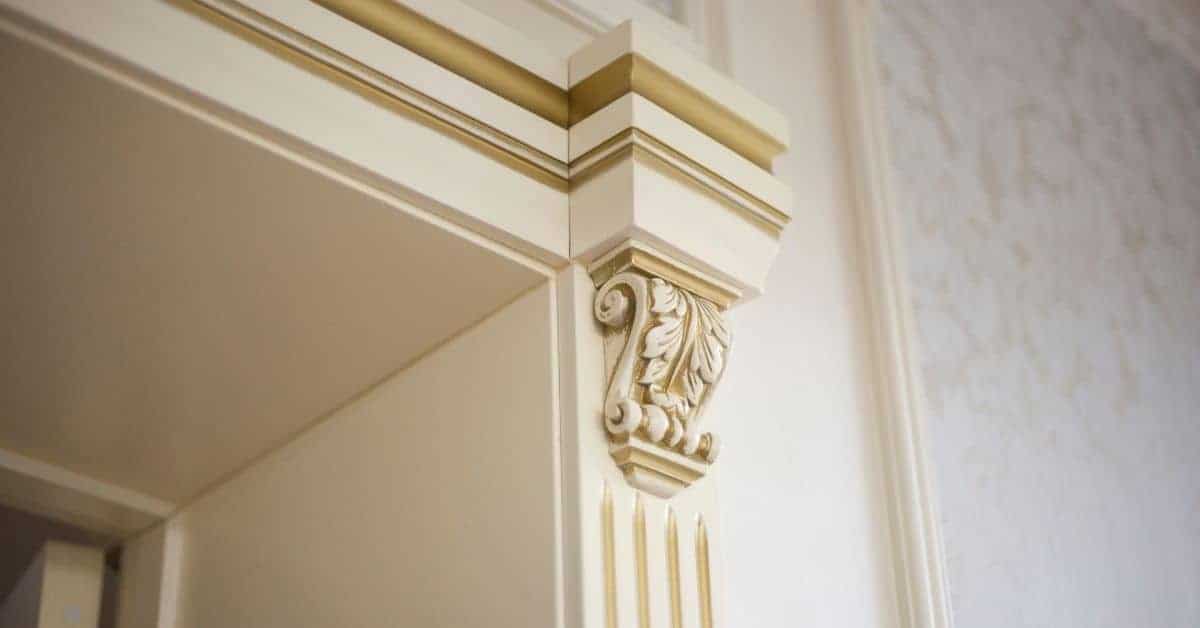
Beads around openings shape sight lines, shadow reveals, and the final profile. Casing, J-bead, and L-bead each interact differently with corners, edges, and sills—plan which one gives the sharpest transition for windows, doors, and vents. Match each bead to the opening to control depth and alignment with surrounding trim.
That choice drives how clean the joints look, how wide the reveals are, and the visual edge between concrete and drywall or masonry. Good alignment, proper anchoring, and careful caulking keep shadows even and gaps tight, which is key for a professional finish and future-proof aesthetics.
Creating clean sightlines with casing bead
Casing bead is your best friend when it comes to keeping things neat around openings. It helps you maintain a consistent reveal and hides the edge of your concrete, making everything look sharp. Before pouring, check base compaction—you want that foundation rock solid.
When placing the casing bead, make sure it’s straight and level. A little extra time here pays off big when you’re smoothing out the edges later. Remember, a clean sightline means less grout lines showing up after everything sets.
If you’re working with multiple openings, use spacers to keep your casing beads evenly spaced. This keeps your reveals consistent across the board and makes for a professional look without any fuss.
Using J-bead for crisp termination
J-bead is your go-to when you want clean edges around openings. It’s a small but mighty tool that wraps the concrete edge neatly, giving it a professional look. Make sure to check base compaction before installing J-bead to ensure everything sits right.
Once you’ve got your formwork set up and ready, slide in the J-bead along the edges of doors and windows. This will help prevent concrete from spilling over and create a sharp edge that’s easy on the eyes. Remember, it’s all about keeping things neat and tidy.
Avoid using too much caulk or sealant around your J-beads; this can make your work look sloppy. A clean install with just enough to hold in place is what you’re aiming for. This detail goes a long way in making your concrete finish stand out.
L-bead for pronounced edges and trim details
When you want a strong visual corner or crisp sill line, L-bead is your go-to. It gives openings a sharp edge that stands out. But remember, too much of this can look harsh. If you need to soften the look, consider adding some decorative stone or brick around it.
Check base compaction before installing L-bead to ensure a solid foundation. Weak spots will show up as cracks later on. Also, make sure your corners are square and plumb for a clean finish.
L-bead works great with casing bead for those who want both crisp edges and smooth transitions. Just keep in mind that J-bead is better if you’re aiming for a more subtle termination at the edge of your concrete work.
Building codes, weatherproofing, and safety considerations
Building codes, permits, and inspection expectations govern how you install openings and transitions, so know the IBC/IRC references, local amendments, required clearances, and what inspectors will look for around bead lines and flashing at windows and doors. Flashing, weather barrier continuity, and bead detailing matter to keep water out, so plan how casing/J/L beads meet flashing without gaps or step failures at junctions with siding, trims, and the weather-resistive layer. Water management means directing runoff away from seams, ensuring proper slope and weep/drain paths, and choosing sealants that resist capillary action, because a small mistake here shows up as staining, leaks, or trapped moisture later.
Material choices must be compatible with cladding, flashing, caulk, and sealants, and you should account for temperature changes and how beads expand and contract, or you’ll pay with cracks and misaligned transitions. Safety and installation best practices matter every day on the job, with PPE, fall protection, and a simple DIY safety checklist to prevent slips, falls, and hazards that create leaks before you finish the project. Missing a detail now costs more later, so respect code, install with a plan, and double-check flashing and drainage at every bead transition before you call it done.
Code drivers and compliance tips
When it comes to bead selection and installation, you gotta pay attention to the codes. Local building departments set rules for everything from base compaction to concrete mix ratios. Ignoring these can lead to serious issues down the line.
Before starting your project, make sure you know what the local codes say about bead usage and installation methods. This isn’t just a formality; it’s crucial for safety and structural integrity. If you’re unsure, talk to an inspector or consult with someone who knows the ropes.
Avoid cutting corners by skipping steps that seem minor but are actually code requirements. For instance, proper weatherproofing might mean adding extra layers of sealant around beads. It’s a hassle now, but it’ll save you from headaches later when water starts seeping in.
Flashing and drainage integration
When it comes to flashing, you gotta get it right the first time. Flashing is your first line of defense against water getting into cracks and crevices where it shouldn’t be. Make sure your concrete slab sits above grade so that water naturally drains away from it. If you’re pouring a wall or foundation, install metal flashing around any openings like windows and doors to direct water down and out.
Integrating drainage is just as crucial. You want to keep the base clean and dry under your new concrete pour. Before laying down your slab, check base compaction. If it’s not solid, you’ll have issues with settling and water pooling. Add a gravel layer underneath for good drainage, and make sure there are no low spots where water can collect.
Remember, building codes require proper flashing and drainage to prevent moisture damage. Don’t cut corners here; it’s not worth the headache later when your concrete starts cracking or spalling from water intrusion. Follow these steps and you’ll be golden.
Safety concerns of wrong bead choice
Picking the right beads for your concrete project isn’t just about looks. It’s a safety issue too. Wrong beads can trap moisture, causing structural risks. This leads to cracks and weak spots that could hurt someone or damage property.
Misplaced beads also mess up flashing and drainage systems you set up earlier. If water gets stuck under the concrete because of bad bead choices, it’ll rot your foundation from the inside out. So, check base compaction before deciding on beads to make sure they fit right.
In short, pick beads that let water drain away and keep moisture at bay. Don’t skimp here; it’s a small detail with big consequences for safety and durability.
Common mistakes, failures, and how to fix them
Common installation mistakes show up differently depending on bead type—Casing Bead, J-Bead, and L-Bead—so look for misalignment, poor capture of concrete edges, and gaps where the bead sits against irregular or chipped opening faces, and note how the bead’s shape and edge profile push you toward these specific errors. Each bead type drives its own set of failures: misfit on curved or recessed openings, edge cracking from over-tightening or shallow embeds, and awkward laps or butt joints that invite water intrusion and crack propagation. Diagnostic fast-checks run from visual gaps and edge cracking to separation between bead and concrete, plus a quick moisture/temperature check, checking whether the substrate is damp, and watching how longer setting times slow cure and degrade bonding over a season of weather swings.
Repair and retrofit steps are practical and must be deliberate: reseat or replace mis-installed beads, re-edge and reblend the surrounding concrete to restore a true line and clean edge, choose compatible sealants for the concrete climate, insert backer rods where needed, and address flashing or weep holes as required by the opening and wall assembly. Applied with proper surface prep, the right bead choice for opening size, weather awareness, and a concise retrofit checklist, these practices prevent repeat mistakes and save you from costly callbacks, all while reducing the risk of failed sealants, backer absence, or premature bead pull-out during vibration or seasonal movement.
Mistakes with casing bead and fixes
These common errors can lead to uneven reveals, improper embedment, or worse. Avoid them for a professional finish.
- Drilling too shallow: This leaves your casing bead sticking out, ruining the look of your concrete pour. Always drill deep enough to fully embed the bead below the surface.
- Inconsistent spacing: Uneven gaps between beads can cause water pooling and weak spots in your structure. Use a measuring tape or spacer tool for consistent placement.
- Ignoring alignment: Misaligned casing beads create an unprofessional look and may lead to structural issues over time. Double-check the bead’s position before pouring concrete.
- Failing to clean out debris: Leaving dirt, rocks, or other debris in your holes can prevent proper embedment of the casing bead. Clean thoroughly before setting each bead.
Take a moment to review these points and ensure you’re doing it right for a flawless finish every time.
Mistakes with J-bead and fixes
When working with J-beads, there are a few common mistakes that can lead to leaks or poor aesthetics. Here’s how to avoid them.
- Poor sealing to window flanges: This happens when the J-bead isn’t properly sealed around windows. To fix it, reseal with silicone caulk and make sure there’s a tight fit between the bead and the window frame.
- Skipping primer before painting: Primer is crucial for adhesion. Always apply primer to the J-bead before painting to ensure the paint sticks properly.
- Inadequate support at corners: Corners can be weak spots if not reinforced correctly. Use corner beads or additional supports to strengthen these areas.
Double-check your work on these points to avoid common pitfalls and ensure a professional finish.
Mistakes with L-bead and fixes
When working with L-bead, avoid these common pitfalls to ensure a professional finish.
- Inadequate backing: Not using enough wood or metal strips behind the L-bead can cause it to sag over time. Always check that your backing is solid and spans the entire length of the bead.
- Nail pops: Using nails instead of screws, or driving them too far from the edge, leads to nail pops. Use 1-inch drywall screws every six inches for a secure hold.
- Improper spacing: Leaving gaps between L-bead pieces can let water in and cause damage. Ensure each piece is tightly butted up against the next one without any visible space.
Double-check your work on these points to avoid costly repairs later.
DIY best practices, tools, and a materials checklist
Start with solid prep: clear the work area, check the forecast, and dry‑fit every opening so you know what you’re up against before you touch tools, planning for cleanup and storage after. Build a complete tools and materials kit, including hand tools, cutting tools, mixing containers, a level, trowel, caulking gun, tin snips, screwdrivers, gloves, eye and respiratory protection, and a cordless drill, and lay out the beads, sealants, backer rods, masking tape, and corrosion‑resistant fasteners in the order you’ll use them. Always verify substrate compatibility and environmental conditions, and note any special requirements for doors or windows so nothing needs rework after you start.
Careful installation is about precision: size and position the bead correctly for each opening, secure or embed it as required, and apply sealant with clean, continuous beads and smooth tooling, then observe curing times before the next step. Skipping steps or using the wrong bead type can cause gaps, leaks, and failed finishes, so follow the sequence, surface prep, bead fitting, sealing, tooling, and curing without shortcutting. This approach reduces call‑backs and ensures your project stands up to weather, code rules, and long‑term maintenance, giving you a durable, professional‑looking result and real savings in time and future repairs.
Tools and supplies checklist
Use this checklist before starting any concrete work to ensure you have everything needed for a smooth process.
- Snap line tool: Check that the snap line is straight and taut. A loose or kinked line can lead to crooked forms.
- Level: Ensure your level is accurate by checking it against a known flat surface. An inaccurate level will result in uneven concrete.
- Hammer drill: Confirm the drill bits are sharp and suitable for drilling into concrete. Dull or wrong-sized bits can damage tools and waste time.
- Screed board: Measure your screed board to ensure it’s long enough for your pour width. A board that’s too short will leave high spots in your slab.
- Concrete vibrator: Test the vibrator by turning it on; it should hum and vibrate smoothly without wobbling. A malfunctioning vibrator can lead to honeycombing.
- Safety glasses: Make sure they fit snugly over your eyes and provide full coverage from splashes. Missing protection can cause serious eye injuries.
- Gloves: Check for proper fit and durability; gloves should not have holes or thin spots that expose skin to concrete. Skin contact with wet concrete can lead to burns.
- Masonry chisel set: Ensure the chisels are sharp and the handles secure. Dull tools waste time, while loose handles can break unexpectedly during use.
Quick rule: Always double-check your tools before starting work to avoid costly mistakes on site.
Stepwise DIY workflow and tips to save time
This checklist should be used as you progress through your project to ensure each step is completed correctly before moving on.
- Prep area: Clear a 2-foot perimeter around the work zone. Confirm no obstructions or tripping hazards are present. Skip this and risk injury or damage to materials.
- Flash wall edges: Install flashing tape along all exposed edges of your concrete formwork. Check for proper overlap (at least 2 inches). Missing flashing can lead to water damage.
- Fit beads: Insert expansion joints and sealant beads into the prepared grooves. Ensure they are centered and snug against both sides. Loose or misaligned beads will cause leaks.
- Fasten forms securely: Use screws or nails to secure formwork firmly but not too tight (1-inch gap for concrete flow). Check by gently pulling on corners; should feel stable without movement. Over-tightening can warp the form, leading to uneven surfaces.
- Check level: Place a long straightedge across your forms and use a spirit level to ensure it’s perfectly horizontal. Adjust as needed with shims or sandbags. Uneven concrete will require costly repairs later.
- Install rebar grid: Lay out the reinforcing bars evenly spaced according to plan specs (usually 6 inches apart). Check spacing by measuring between centers of each bar. Improperly placed rebar can weaken your structure.
- Pour concrete: Start pouring from one end and work towards the other, filling forms in layers no thicker than 4 inches at a time. Use a screed board to level off excess concrete as you go. Pouring too thick or unevenly will cause cracking.
- Cure properly: Cover freshly poured concrete with plastic sheeting immediately after troweling smooth. Keep covered for at least 7 days, watering daily if dry conditions persist. Skipping curing can result in weak and brittle concrete.
Quick rule: Always double-check your work before moving to the next step; it saves time and money on rework later.
Cost-efficient sourcing and when to call a pro
This checklist helps you save money by buying smart and knowing when to step back and let the pros handle it.
- Budget materials: Choose economy options. Check for durability and quality. Look for imperfections that might cause issues later.
- Bundle deals: Buy in bulk or sets. Confirm you’re getting a fair price per unit compared to single items.
- Measure twice: Double-check all measurements before cutting materials. Skipping this can lead to wasted supplies and delays.
- Material compatibility: Ensure new parts fit existing ones. Test connections or fits visually and physically.
- Foundation stability: Check if the ground is level and firm enough for your project. Use a spirit level or straight edge.
- Weather conditions: Avoid working in extreme weather. Confirm temperature, humidity, and wind are within safe limits.
- Local building codes: Know what’s required by law. Check with local authorities if unsure about specific regulations.
- Professional expertise: Recognize when your skills aren’t enough. Look for complex tasks or safety concerns that need a pro’s touch.
- Tool availability: Have the right tools on site. Confirm you have everything needed before starting work.
- Material delivery: Verify all materials arrive undamaged and complete. Inspect packaging and contents immediately upon arrival.
- Project scope: Understand what’s within your skill set. Look for signs of overreach, like unfamiliar techniques or equipment.
- Time constraints: Assess if you can finish on time. Consider deadlines and unexpected delays when planning.
Quick rule: If it feels too big to handle alone, it probably is. Know your limits.
Visual checkpoints and illustrative examples
Key visual checkpoints guide you to choose the right bead for the opening and to confirm flange orientation, flush seating, and the correct setback for brick, stucco, or drywall finishes, with cross section visuals showing bead placement in the wall plane, mortar bed, and sealant layer so you can see how the edge is protected and where expansion gaps and water drainage belong. Include before/after sequences that highlight missteps like misaligned flanges or gaps and the corrected results side by side to demonstrate how proper bead use improves waterproofing and finish strength.
This approach matters because even lighting, clear scale references, and consistent annotations help readers reproduce the setup on their jobsite, while captions and callouts point readers to key features such as flange seating, notch alignment, and corner transitions. By emphasizing critical dimensions like edge distance, bead depth, and sealant bead width in relation to manufacturer specs and code expectations, you give DIY homeowners a tangible, actionable checklist they can follow to avoid common errors and achieve a durable, professional result.
What a correct installation looks like
This checklist helps you spot if your concrete work is done right. Use it to double-check after pouring and before curing.
- Tight Seams: Look for no gaps between forms or pours. Confirm by running your finger along the seam; should feel smooth.
What goes wrong: Gaps let water in, causing weak spots. - Proper Embedment: Check rebar is fully covered with concrete (at least 1 inch).
What goes wrong: Exposed rebar rusts and weakens the structure. - Sealed Junctions: Ensure all form joints are sealed tight. Look for no water leakage.
What goes wrong: Leaks can cause uneven curing or voids in concrete. - No Honeycombing: Surface should be smooth without exposed aggregates.
What goes wrong: Poor compaction leads to weak spots and cracks. - Correct Slope: Check for proper drainage slope (1/4 inch per foot).
What goes wrong: Improper slope causes water pooling, leading to erosion or damage. - No Air Bubbles: Surface should be free of air pockets visible on the surface.
What goes wrong: Air bubbles weaken concrete and can cause cracking. - Proper Alignment: Forms and rebar should align with your layout marks.
What goes wrong: Misalignment leads to structural issues or aesthetic flaws. - No Exposed Rebar: Ensure no rebar is sticking out of the concrete surface.
What goes wrong: Exposed rebar rusts, weakening the structure over time.
Quick rule: If it looks clean and smooth, you’re likely on track. If not, double-check your work.
Troubleshooting photos to include
This checklist helps you spot common issues before they become costly mistakes. Refer back to it when reviewing your work or catching problems early.
- Failed J-bead seal: Check for gaps between the bead and concrete. Confirm by running a thin piece of paper along the seam; no paper should fit. Skipping this can lead to water leakage.
- Popped casing bead: Look for cracks or breaks in the bead’s surface. Confirm by gently pressing on the bead; it shouldn’t move. If skipped, moisture and pests can enter.
- Properly flashed L-bead at sill: Ensure flashing is visible under the bead. Check that water flows away from the building. Missing this detail allows water to seep into walls.
- Inadequate sealant application: Look for uneven or missing sealant around joints and edges. Confirm by touching it; it should feel smooth and continuous. Skipping ensures leaks will occur.
- Incorrect bead alignment: Check that beads are straight and level with the surface. Use a level to confirm. Misalignment can cause water pooling and damage.
- Bubbles in sealant: Look for air bubbles within the sealant line. Confirm by inspecting closely; no bubbles should be present. Bubbles reduce sealant effectiveness.
- Improper bead installation: Check if beads are securely attached without gaps or cracks. Gently tug on the bead to confirm it’s set properly. Loose beads can lead to water damage.
- Misaligned flashing: Ensure flashing is correctly positioned under and around openings. Confirm by checking that no gaps exist between flashing and concrete. Misalignment causes leaks.
- Missing drip edge: Look for a clear gap where the roof meets walls to direct water away from the building. Confirm by inspecting edges; they should be clean and free of debris. Missing this detail can cause water damage.
- Inadequate concrete curing time: Check if new concrete is fully cured before applying beads or sealants. Confirm by testing hardness with a fingernail; it shouldn’t leave an impression. Rushing installation leads to poor adhesion and cracks.
Quick rule: Always double-check seals, beads, and flashing for proper fit and function to prevent water damage.

Conclusion
Choosing the right bead around doors, windows, and vents matters for safety, durability, and how the opening looks. Get the right bead for the job and install it cleanly, and you lock in weatherproofing and a solid, long-lasting finish.
To move from plan to finish, focus on this: verify the opening type, select the correct bead, measure accurately, prep and clean the surface, dry-fit the piece, apply sealant where required, fasten per the method, check alignment and plumb, test for weatherproofing, trim flush, and apply the final finish. Do the work in a logical order and document any deviations so you don’t miss a step later.
Common mistakes to avoid include using the wrong bead for the opening, overdriving fasteners, skipping sealant or flashing, and rushing trims that misalign or pinch movement. Always wear eye protection, cut away from you, test in a small area first, and respect building codes and weather conditions to prevent costly damage.
If the opening involves structural work, complex flashing, or persistent moisture issues, it’s smart to call a pro rather than push on. Stay deliberate, follow the steps, and you’ll finish with a clean, durable edge that performs as well as it looks. You’ve got this—steady progress means fewer call-backs and a solid project you can be proud of.
FAQ
What is the difference between casing bead, J-bead, and L-bead?
Casing bead is a rounded edge used where you want a clean, smooth finish around opening frames. J-bead and L-bead are metal trims that hold siding or sheathing in place; J-bead covers the edge, while L-bead forms a corner support. Choose based on the edge you’re finishing and the look you want.
Where should a casing bead go around openings?
Use casing bead on openings where you want a tight, finished edge that looks like a built-in frame. It’s common on doors and windows in traditional setups. If you want a trim that sits flush with the surface, casing bead is a solid choice.
When is J-bead the right option?
J-bead is best when you need to lock the edge of siding or paneling into a reveal. It hides the edge and keeps water out if installed from the exterior. Do not rely on it for a structural edge; it’s just trim.
When is L-bead the right option?
Use L-bead at corners or where two surfaces meet, like around window or door openings on the edge of siding. It gives a clean corner and helps prevent water intrusion at the seam. Avoid using it where a true casing frame is needed for a snug fit.