Search Results for: rebar

Close up of a concrete core drilled hole with wet slurry and orange pipe

Epoxy Setting Rebar Dowels: Hole Size, Cleaning, and Cure Time Basics

Introduction Epoxy setting rebar dowels are epoxy-anchored steel rods installed into concrete to transfer load. Getting the hole size, cleaning, and cure time right is a hands-on, DIY task you can manage with common tools. Check the manufacturer instructions for exact hole diameters, cleaning steps, and cure-time guidance. Hole size requirements vary by product, so […]

Epoxy Setting Rebar Dowels: Hole Size, Cleaning, and Cure Time Basics Read More »

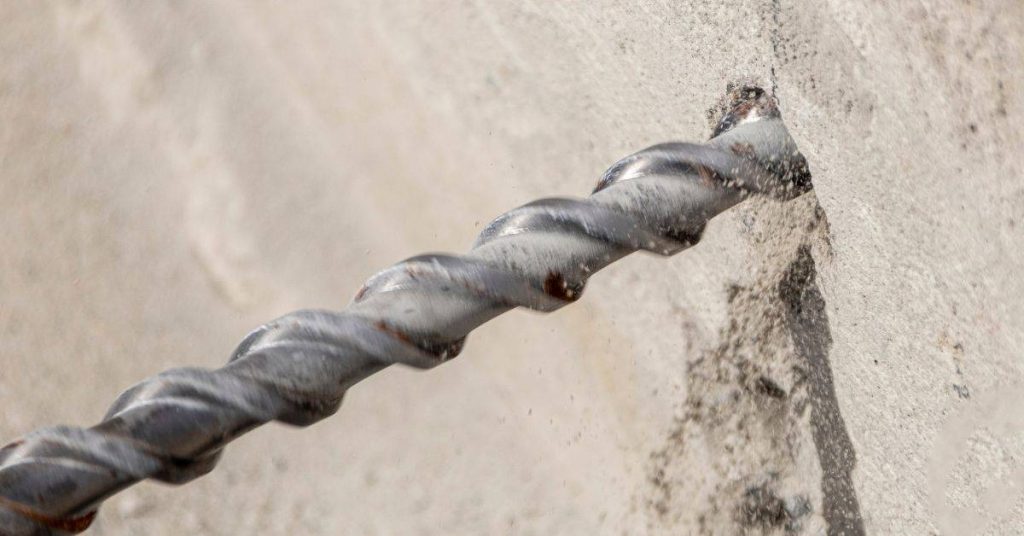
Close up of drill bit penetrating concrete surface

Drilling Rebar Dowels: How Deep to Go and How to Avoid Blowouts

Introduction Drilling rebar dowels is the process of making a hole that the steel bar can sit in securely. Key takeaways Verify embedment depth per plans and code requirements before drilling. Choose drill bits matching hole diameter and concrete hardness per label. Drill slowly with steady pressure to reduce blowouts and surface spalling risk. Clean

Drilling Rebar Dowels: How Deep to Go and How to Avoid Blowouts Read More »

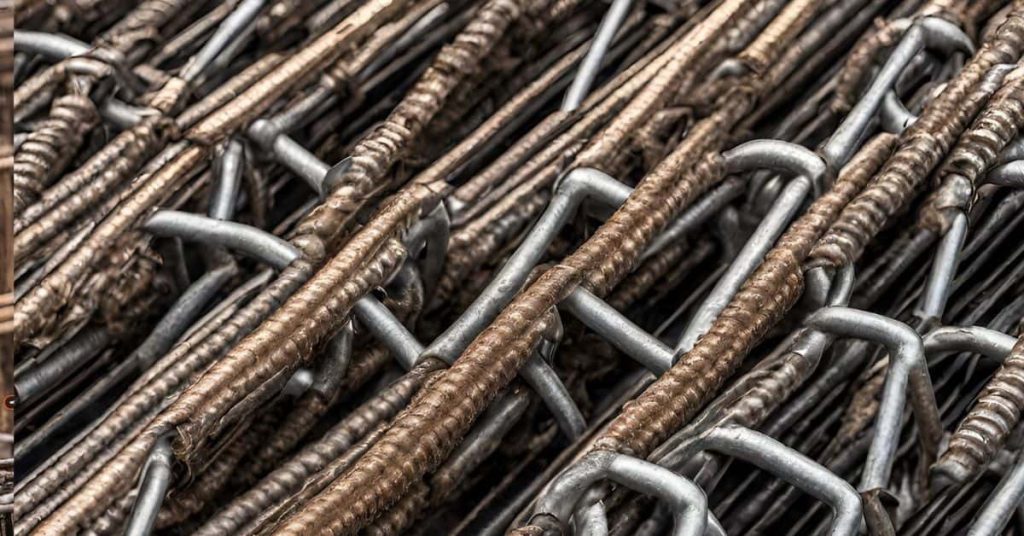
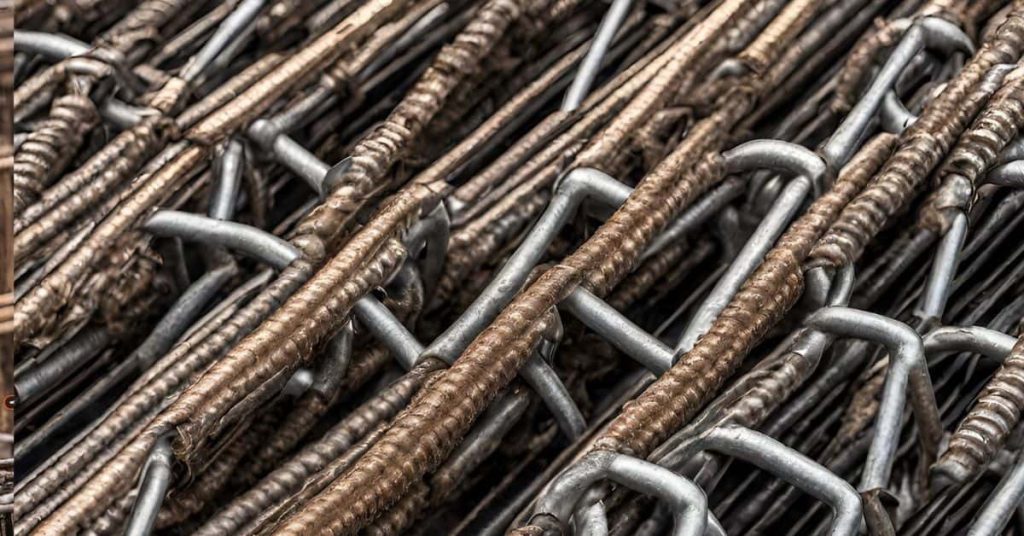
Close-up of galvanized steel rebar bundles tied with metal wires

Galvanized Rebar: Pros, Cons, and Compatibility with Repair Mortars

Introduction Galvanized rebar is steel reinforcing bar coated with zinc to resist rust. In DIY projects, that coating matters for longevity in moist concrete, but you still need to follow local rules and manufacturer guidance. When you’re tying it into repair work, consider how the galvanized surface will interact with repair mortars and what to

Galvanized Rebar: Pros, Cons, and Compatibility with Repair Mortars Read More »

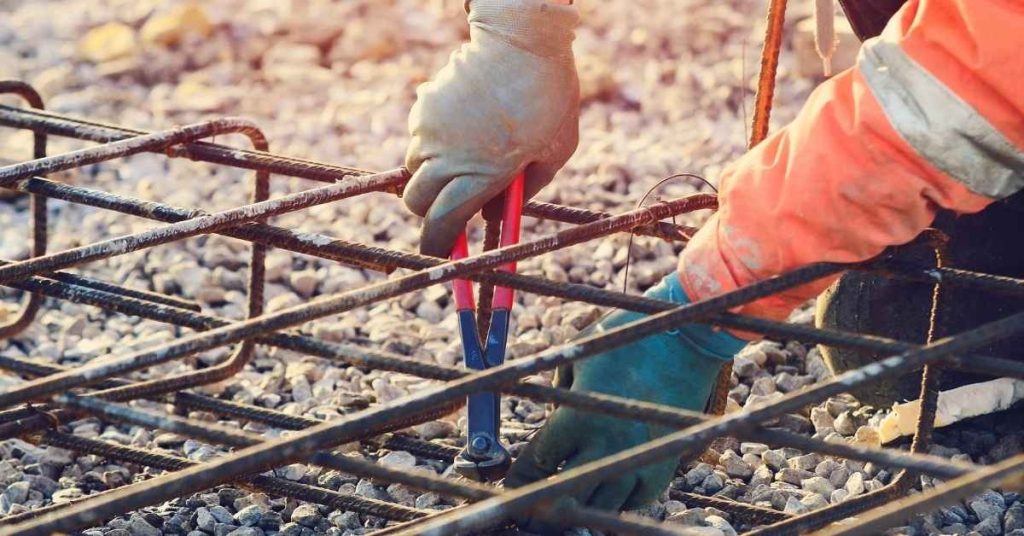
Worker tying rebar with pliers on gravel base

Epoxy-Coated Rebar: When It Helps—and When It Hurts Bond

Introduction Epoxy-coated rebar is steel reinforcing bar coated with epoxy to resist moisture and corrosion. It’s used in concrete projects where moisture or soil contact is expected. Think of it as a protective shell for rebar in harsher environments. Transport and handling can be different from galvanized bars, so plan how you load, carry, and

Epoxy-Coated Rebar: When It Helps—and When It Hurts Bond Read More »

Worker pouring concrete over steel rebar grid footing

Rebar Lap Splices: Simple Rules to Avoid Short Laps in DIY Footings

Introduction A rebar lap splice is the overlapping of two reinforcing bars to transfer load from one bar to the next. In footings, this overlap helps continue the reinforcement where bars end. Check local rules and manufacturer guidance for any required overlap length or placement specifics. Make sure you place bars with proper alignment and

Rebar Lap Splices: Simple Rules to Avoid Short Laps in DIY Footings Read More »

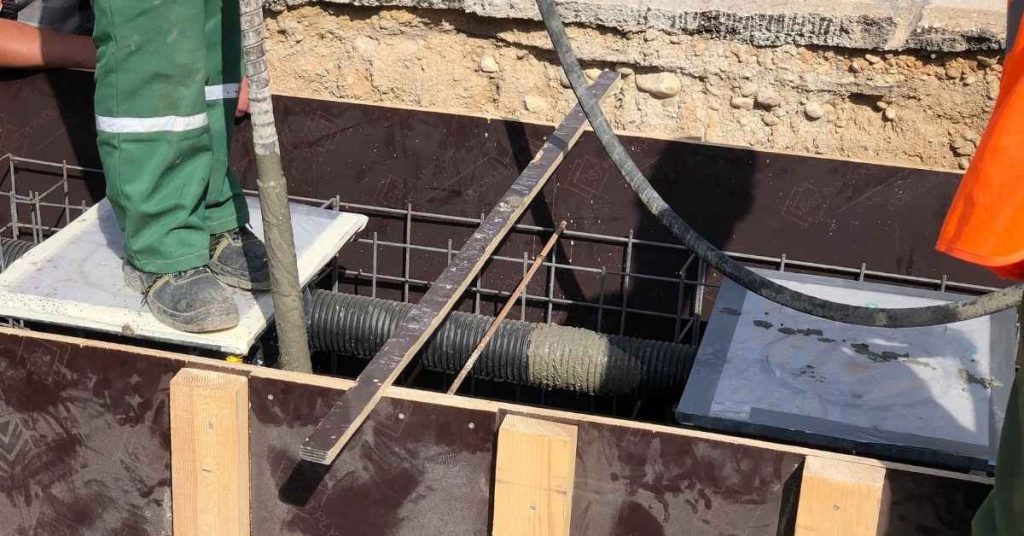
Workers pouring concrete over dense rebar on construction site

SCC vs Regular Concrete: Best Uses in Dense Rebar (and Can You DIY It?)

Introduction SCC, or self-consolidating concrete, is a flowable mix that settles around dense rebar without vibration. For DIY, this means less hammering and fewer air pockets, but you still need good formwork and clean rebar. Always check the product label and local rules for any restrictions or requirements on your project. Advantages and disadvantages depend

SCC vs Regular Concrete: Best Uses in Dense Rebar (and Can You DIY It?) Read More »

Close-up of vertical and horizontal steel rebar grid framework

Rebar Couplers: When to Use Them and How to Avoid Alignment Problems

Introduction Rebar couplers are threaded or mechanical connections that join two bars end-to-end. Use them when you need to extend bar length or connect bars in tight spaces where overlap is hard. Check manufacturer instructions and local rules to ensure proper fit and alignment. There are different types of couplers for different rebar sizes and

Rebar Couplers: When to Use Them and How to Avoid Alignment Problems Read More »

Worker in safety helmet holding drill near wall

FRP Rebar: Cutting, Drilling, Cover Requirements, and Bending Limits (DIY Guide)

Introduction FRP rebar is a non-metallic reinforcement made from fiber-reinforced polymer designed to reinforce concrete. It’s lightweight, corrosion resistant, and behaves differently from steel, so plan accordingly. If you’re unsure, check the manufacturer guidance and local rules before sizing or choosing it. Cutting and drilling FRP rebar requires specific tools and care; don’t treat it

FRP Rebar: Cutting, Drilling, Cover Requirements, and Bending Limits (DIY Guide) Read More »

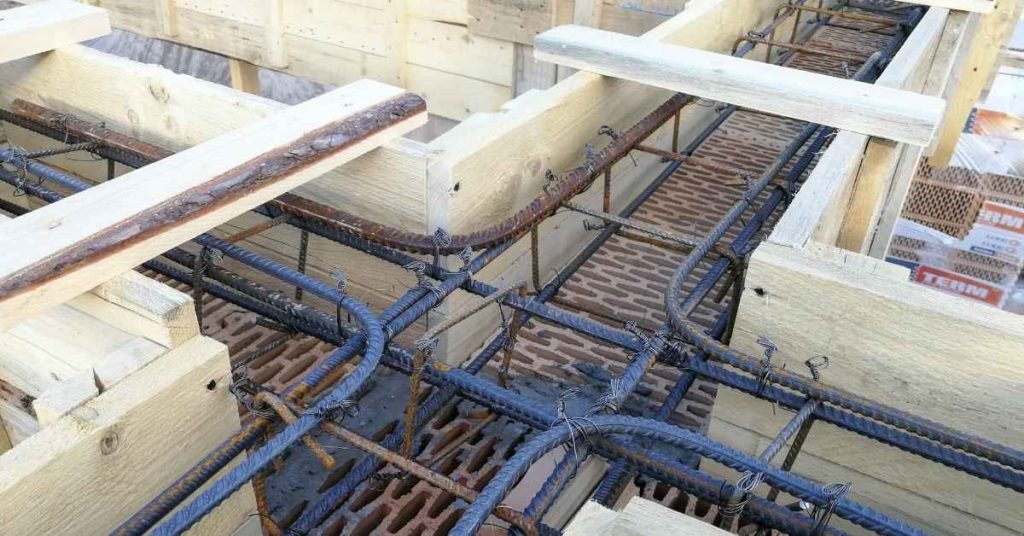
Steel rebar grid inside wooden concrete formwork in narrow space

Basalt Rebar: Where It Makes Sense and How to Detail It in Marine Zones

Introduction Basalt rebar is a non-metal reinforcement made from basalt rock fibers that can replace traditional steel in concrete. It’s designed to resist corrosion in coastal and marine settings. This introduction covers what basalt rebar is and how it fits into marine-zone detailing. In marine zones, basalt rebar helps reduce rusting and long-term maintenance compared

Basalt Rebar: Where It Makes Sense and How to Detail It in Marine Zones Read More »