Search Results for: rebar

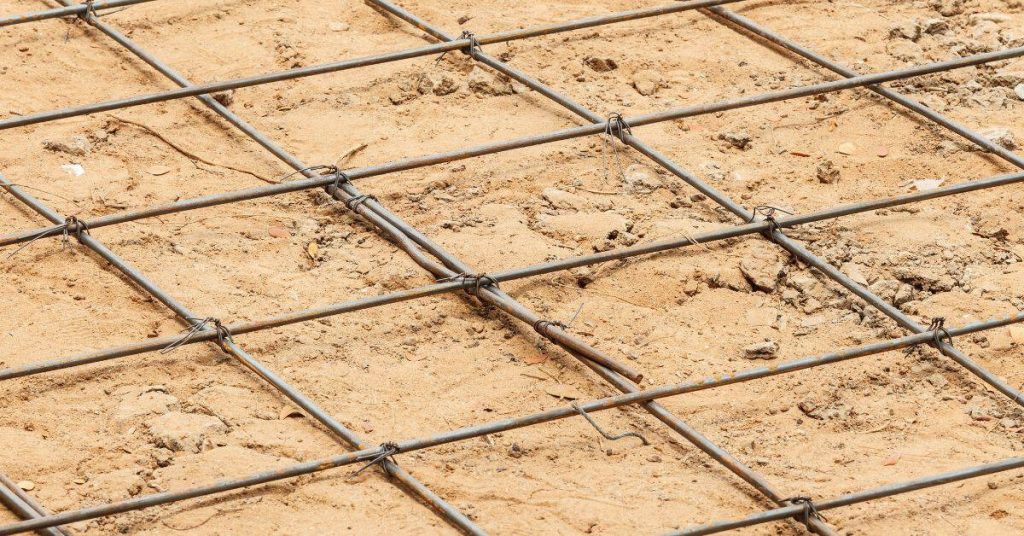
Steel rebar grid tied with wire on sandy ground

Reinforcement Beyond Steel Rebar: Basalt, FRP, Couplers, and Headed Bars

Introduction Reinforcement beyond steel rebar means using non-metallic or alternative materials to strengthen concrete, such as basalt fibers, FRP, couplers, and headed bars. They can resist corrosion and may install differently than traditional rebar. Always check manufacturer instructions and local rules to confirm suitability for your project. FRP rebar offers a value proposition in durability […]

Reinforcement Beyond Steel Rebar: Basalt, FRP, Couplers, and Headed Bars Read More »

Concrete formwork and rebar reinforcement at construction site

DIY Concrete Rebar Cover Fixes: When Grinding Helps and When You Must Patch

Introduction DIY concrete rebar cover fixes means deciding whether grinding to expose and clean the surface is enough or whether you must chip out and patch back to proper cover; start by confirming how deep the corrosion or delamination goes and whether the rebar is structurally compromised. If the trouble is only surface rust and

DIY Concrete Rebar Cover Fixes: When Grinding Helps and When You Must Patch Read More »

Worker pouring concrete over exposed rebar grid

Concrete Spall Repair with Rebar Exposure: Cleaning, Passivation, and Patch Build-Up

Introduction Concrete spall repair with rebar exposure means removing loose concrete, cleaning and protecting any exposed steel, and rebuilding the patch so the surface is sound and bonded. In DIY terms that means chipping out unsound material, getting the rebar clean and passivated, and building the repair in layers so it cures properly. Check product

Concrete Spall Repair with Rebar Exposure: Cleaning, Passivation, and Patch Build-Up Read More »

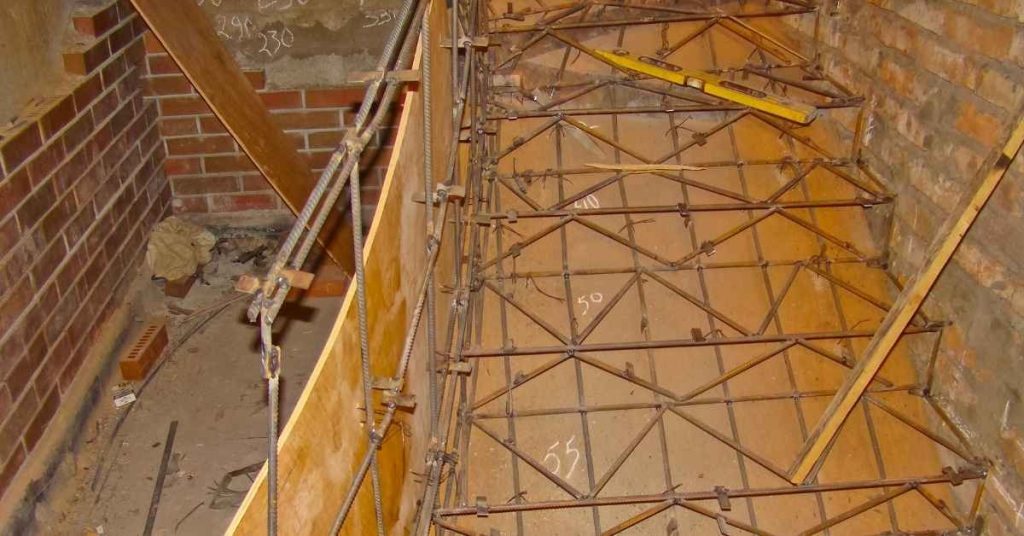
Concrete formwork with metal rebar reinforcement inside

DIY Concrete Footings for Pergolas: Sizing Basics, Rebar Cages, and Inspection Prep

Introduction DIY concrete footings for pergolas are the concrete bases that carry the post loads down to the soil and keep your structure stable; size them based on post size, soil conditions, and local inspection requirements. Think practical: pick a footing diameter and depth that your local rules accept, choose concrete mix and cure time

DIY Concrete Footings for Pergolas: Sizing Basics, Rebar Cages, and Inspection Prep Read More »

Ants marching along a white kitchen countertop edge

Concrete Countertop ‘Ghosting’ From Rebar or Mesh: Prevention and Fix Options

Introduction Ghosting on concrete countertops means the imprint or shadow of rebar or mesh showing through the surface. It usually happens when the reinforcement sits too close to the surface or moves during the pour. To avoid it, confirm your reinforcement is properly located in the forms with enough cover and secured before the mix

Concrete Countertop ‘Ghosting’ From Rebar or Mesh: Prevention and Fix Options Read More »

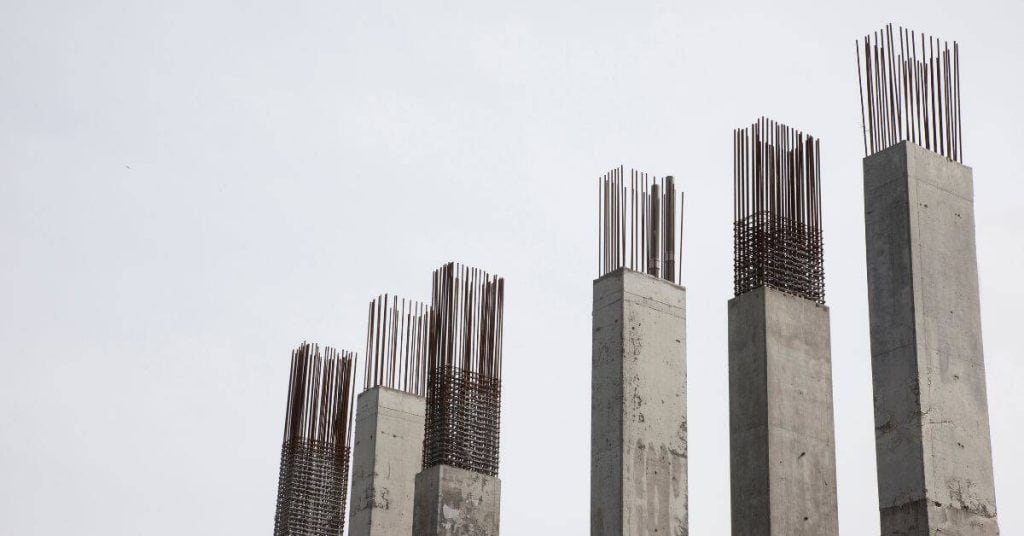
Concrete columns with exposed vertical rebar against sky

Fixing Rust ‘Telegraphing’ Through Concrete Patch Repairs (When Rebar Is Too Close)

Introduction Rust telegraphing through concrete patches happens when corroded rebar pushes outward, showing up as stains, cracks, or rough patches on the surface. This is a sign the patch is not fully sealing the reinforcing and moisture is getting to the steel. In this article we’ll explain what to look for and how to approach

Fixing Rust ‘Telegraphing’ Through Concrete Patch Repairs (When Rebar Is Too Close) Read More »

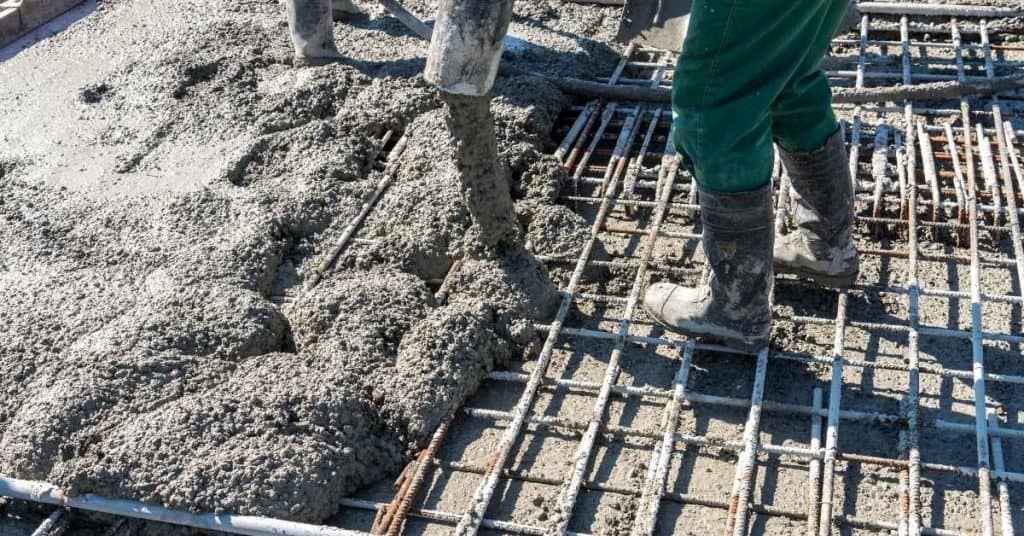
Workers pouring wet concrete over steel rebar grid

Concrete Rebar Shadowing: Why Lines Appear and What You Can Do

Introduction Concrete rebar shadowing is when the lines of embedded steel rebar show up as darker or lighter lines on the surface after curing. This happens as moisture, temperature, and the metal interact during the cure, with the surface sometimes mirroring the rebar pattern. Differences in finishing between forms or around the rebar can further

Concrete Rebar Shadowing: Why Lines Appear and What You Can Do Read More »

Wet concrete being poured over metal rebar mesh

Concrete Carbonation: What It Means for Rebar and Surface Durability

Introduction Concrete carbonation is the natural process where carbon dioxide penetrates hydrated cement and neutralizes the alkaline environment. This change can influence how rebar corrodes and how the surface holds up. In plain terms, it’s the carbonation front moving inward and changing the chemistry you relied on for durability. The mechanism involves CO2 diffusing through

Concrete Carbonation: What It Means for Rebar and Surface Durability Read More »

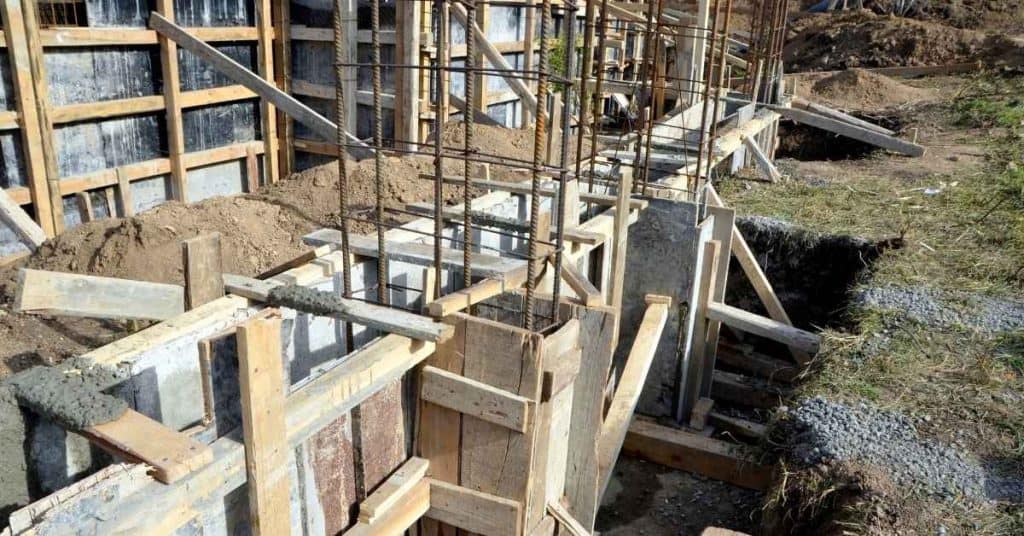
Wooden concrete forms with metal rebar inside trenches

Crack-Resistant Concrete Prep: Base, Rebar, Mix, and Curing

Introduction Crack-resistant concrete prep means setting up the base, reinforcement, mix, and curing plan to minimize cracking and movement in the slab. Start with a solid, well-drained base and clean forms, then place appropriate reinforcement and ensure everything is tied and supported before mixing. Follow the manufacturer’s instructions for any additives or metalwork, and check

Crack-Resistant Concrete Prep: Base, Rebar, Mix, and Curing Read More »

What Is Rebar Made Of: Materials, Steps, and Mistakes to Avoid

What Is Rebar Made Of: Materials, Steps, and Mistakes to Avoid

Introduction Rebar is primarily steel, with common variants including epoxy-coated and stainless options for specialty uses. This article explains the materials, the general production steps, and the mistakes to avoid so you can choose the right type and install it correctly. You’ll learn how to assess material options, follow practical steps for handling and placement,

What Is Rebar Made Of: Materials, Steps, and Mistakes to Avoid Read More »