Search Results for: rebar

Worker in hard hat and vest handling rusty rebar

Tying new block walls into old ones: rebar lap details that keep cracks away

Introduction Tying new block walls into existing ones involves overlapping rebar to create a continuous path for load transfer and crack control. This requires careful placement and proper lap details so the new and old walls behave as a single structure. Follow manufacturer guidelines and local building rules for lap length and rebar spacing. Plan […]

Tying new block walls into old ones: rebar lap details that keep cracks away Read More »

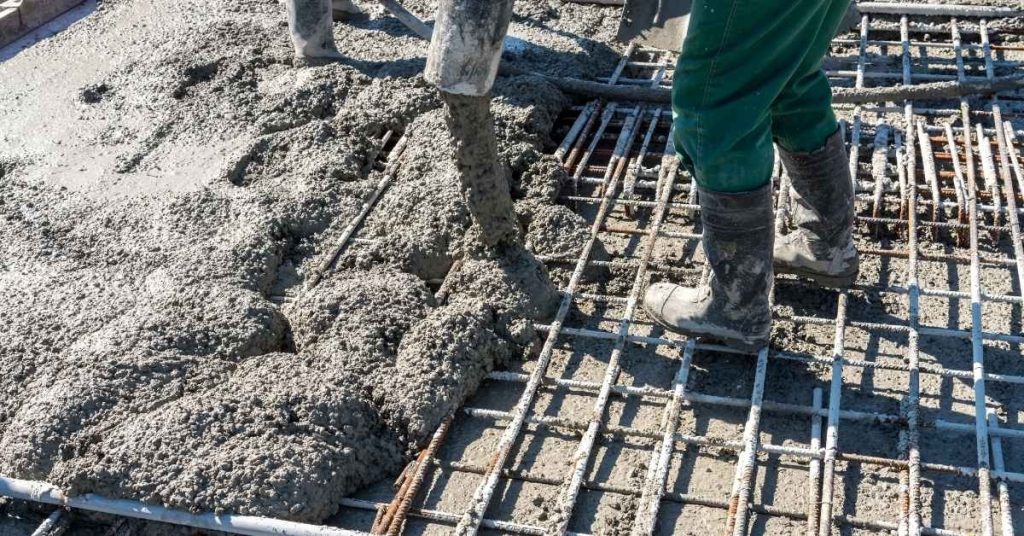
Worker pouring concrete over steel rebar grid

Rebar lap splice failures in DIY concrete work: real-world examples and how to avoid them

Introduction A rebar lap splice failure happens when the overlap between reinforcing bars does not transfer load effectively, weakening the concrete. This article explains real-world examples and practical checks you can perform to avoid it in DIY work. You’ll learn how to spot common mistakes and fix them before the concrete sets. Key factors to

Rebar lap splice failures in DIY concrete work: real-world examples and how to avoid them Read More »

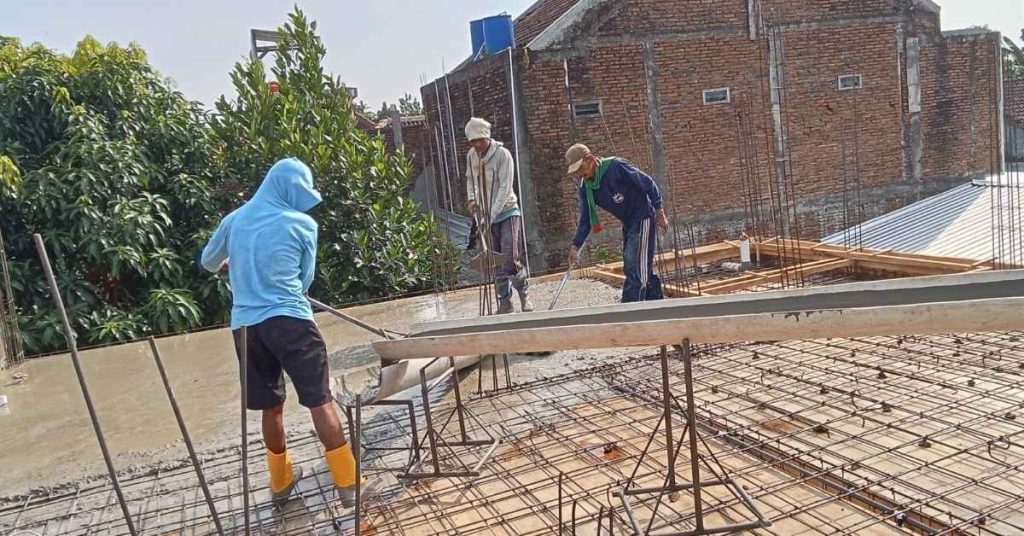
Workers pouring concrete over rebar grid on construction site

Rebar lap splice failures in DIY concrete work: real-world examples and how to avoid them

Introduction Rebar lap splice failures occur when the overlap between reinforcing bars is insufficient to transfer load through the concrete. In DIY projects, that weakness can show up as cracks, settlement, or unexpected movement at joints. Always check the minimum overlap guidance and follow the manufacturer’s or local rules for placement and tying. To avoid

Rebar lap splice failures in DIY concrete work: real-world examples and how to avoid them Read More »

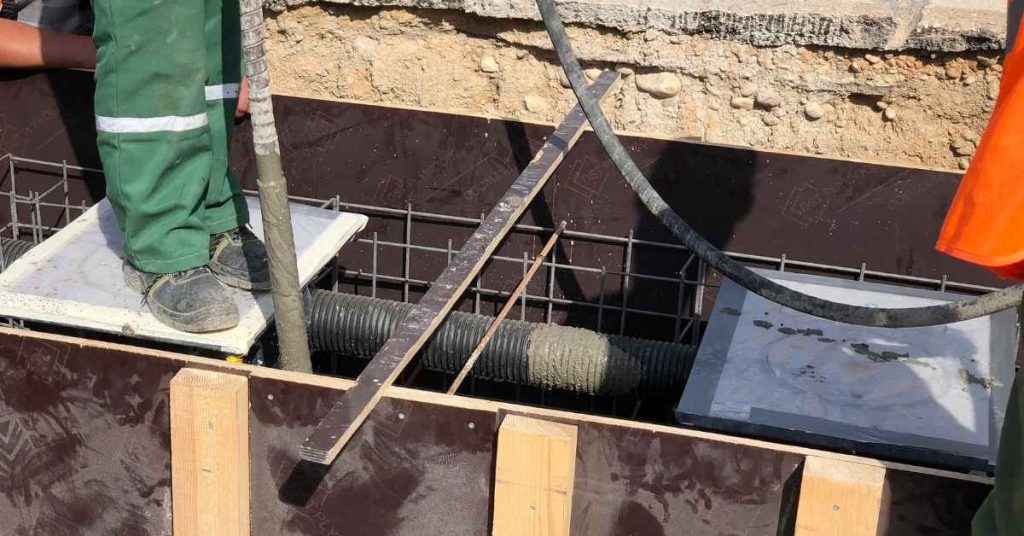
Worker standing on concrete footing form with exposed rebar

Rebar Cover Mistakes in Small Concrete Footings: a DIY Inspection Checklist Before the Pour

Introduction Rebar cover mistakes in small concrete footings happen when the reinforcing steel isn’t adequately protected by concrete cover. This article walks you through a practical pre-pour inspection you can perform on site. It focuses on spacing, cover, and corrosion prevention in plain, hands-on terms. Before you pour, check that rebar is spaced and positioned

Rebar Cover Mistakes in Small Concrete Footings: a DIY Inspection Checklist Before the Pour Read More »

Worker pouring concrete over steel rebar grid

Fiber Vs Mesh Vs Rebar in Small Concrete Projects: What Each Actually Controls and Where It’s Wasted Money

Introduction Fiber, mesh, and rebar are concrete reinforcement options that control cracking, strength, and durability in small projects. Fibers add distributed micro-reinforcement, mesh provides a lattice to hold concrete, and rebar gives local strength where loads are concentrated. Each choice affects how a small concrete job holds up over time and is worth weighing against

Fiber Vs Mesh Vs Rebar in Small Concrete Projects: What Each Actually Controls and Where It’s Wasted Money Read More »

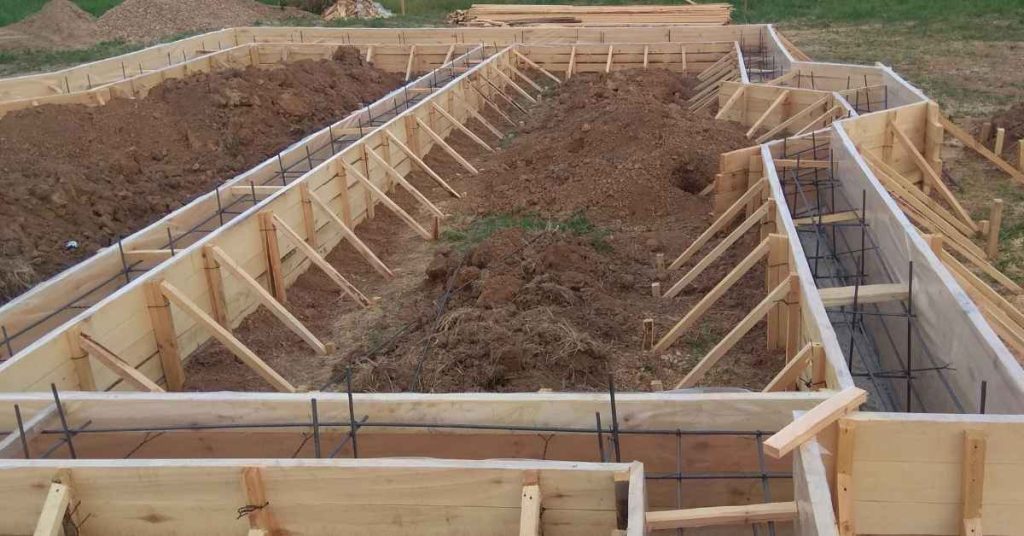
Steel rebar framework assembled inside wooden concrete formwork

Rebar Cover in Concrete for Small Pours: Chairs, Spacers, and Keeping Steel Centered

Introduction Rebar cover in concrete for small pours means placing steel reinforcing bars with a protective concrete layer to prevent moisture and corrosion. Work safely by understanding basic rebar handling, clean space, and proper cutting and tying practices. Always check local rules and manufacturer instructions for any required clearances or protection. Chairs and spacers are

Rebar Cover in Concrete for Small Pours: Chairs, Spacers, and Keeping Steel Centered Read More »

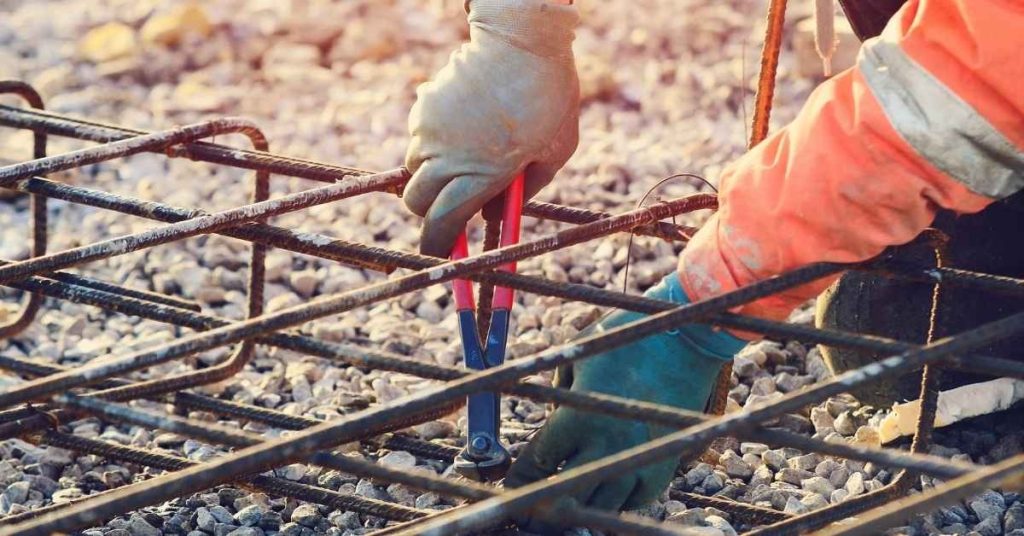
Worker tying rebar with pliers on gravel base

Concrete Block Reinforcement Basics: Rebar Placement, Grout, and Bond Beam Logic

Introduction Concrete block reinforcement is the practice of adding steel bars, grout, and bond beams to strengthen block walls. This article covers where rebar goes, how grout fills the cores, and why bond beams matter in a DIY project. Stay practical and safety-minded: check local rules and follow manufacturer guidance when placing rebar and mixing

Concrete Block Reinforcement Basics: Rebar Placement, Grout, and Bond Beam Logic Read More »

Wet concrete being poured over steel rebar grid

Rust “Ghosting” in Concrete: Preventing Stains from Chairs, Ties, and Rebar

Introduction Rust ghosting is stains left in cured concrete by corroded metal in contact with the mix. It happens when moisture and metal react, causing rust to bleed into the surface during curing. Common culprits are chairs, ties, and rebar that sit in the pour. Prevent it by choosing non‑corroding or protected hardware and by

Rust “Ghosting” in Concrete: Preventing Stains from Chairs, Ties, and Rebar Read More »

Concrete formwork with rebar and spacer components inside

Concrete Spall Repairs at Rebar: Cleaning Standards, Corrosion Protection, and Patch Build-up

Introduction Concrete spall repairs at rebar involve cleaning the damaged area, exposing corroded steel, and rebuilding the surface. This is a hands‑on task you can handle with basic tools, patience, and attention to safety. You’ll focus on cleaning to remove loose material, protecting rebar from further corrosion, and patching with compatible concrete. Check manufacturer instructions

Concrete Spall Repairs at Rebar: Cleaning Standards, Corrosion Protection, and Patch Build-up Read More »

Worker pouring concrete over steel rebar reinforcement grid

Working Concrete Around Reinforcement: How to Place Without Creating Voids Under Rebar

Introduction Properly placing and supporting rebar before pouring concrete prevents voids. This is the core idea behind working concrete around reinforcement. Keeping the bar(s) elevated and centered helps the concrete bond and carry load. Use appropriate spacers or chairs to hold rebar at the right height and position. Make sure the bars are clean, tied

Working Concrete Around Reinforcement: How to Place Without Creating Voids Under Rebar Read More »