Search Results for: rebar

Two groups of white plastic zip ties on blue surface

Using Zip Ties vs Tie Wire on Rebar: When It’s Okay and When It’s a Bad Idea

Introduction Zip ties can be used to hold rebar in place temporarily, but they are not a universal substitute for wire. They’re handy for quick positioning at the formwork stage, but they’re not intended for structural ties that bear load. If you’re unsure, check the manufacturer instructions and local rules to see what’s allowed in […]

Using Zip Ties vs Tie Wire on Rebar: When It’s Okay and When It’s a Bad Idea Read More »

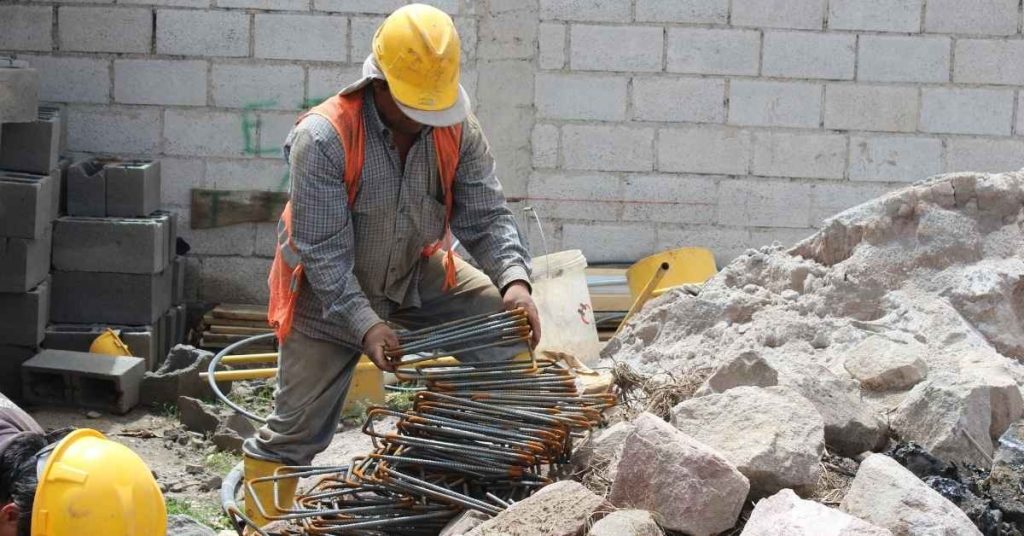
Worker in safety gear handling rusty rebar on construction site

Cleaning Rebar for Small Repairs: When Wire-Brushing Is Enough and When It Isn’t

Introduction Wire-brushing rebar is a surface cleaning method used to remove loose rust and scale from small repair bars before patching. It can be enough when the rust is light and the bar is still solid, with clean steel showing through. Check that the metal is not deeply pitted or flaky; if it is, further

Cleaning Rebar for Small Repairs: When Wire-Brushing Is Enough and When It Isn’t Read More »

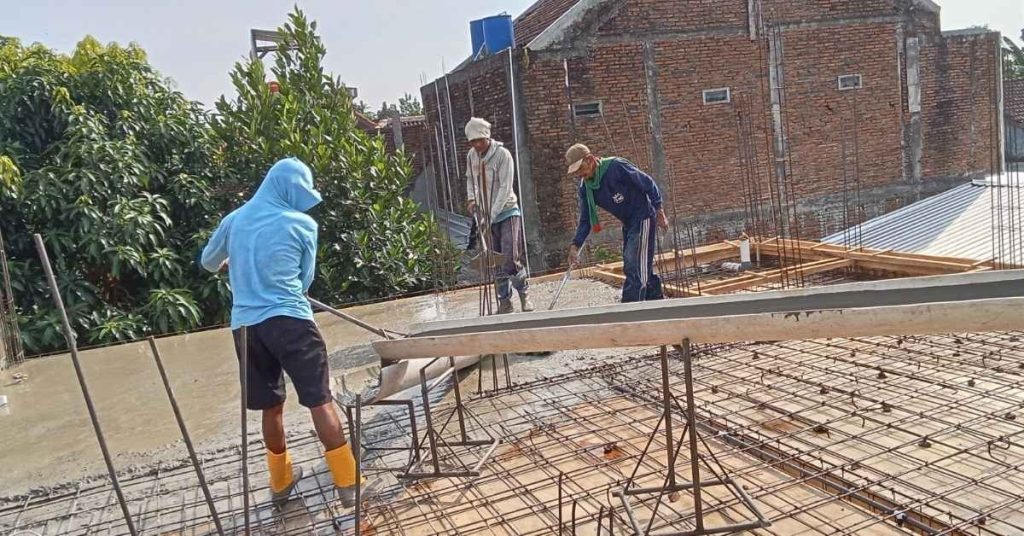
Workers pouring concrete over rebar reinforcement on building roof

Concrete Placement in Congested Rebar Without Honeycombing: Sequencing, Head Pressure, and Vibration Control

Introduction Concrete placement in congested rebar without honeycombing means planning and executing pours so concrete flows around dense steel without leaving voids. Take time to prep formwork and rebar layout, then sequence pours to keep flow paths open and minimize segregation. Choose direct discharge or pumping as your method, and use appropriate vibration and tamping

Concrete Placement in Congested Rebar Without Honeycombing: Sequencing, Head Pressure, and Vibration Control Read More »

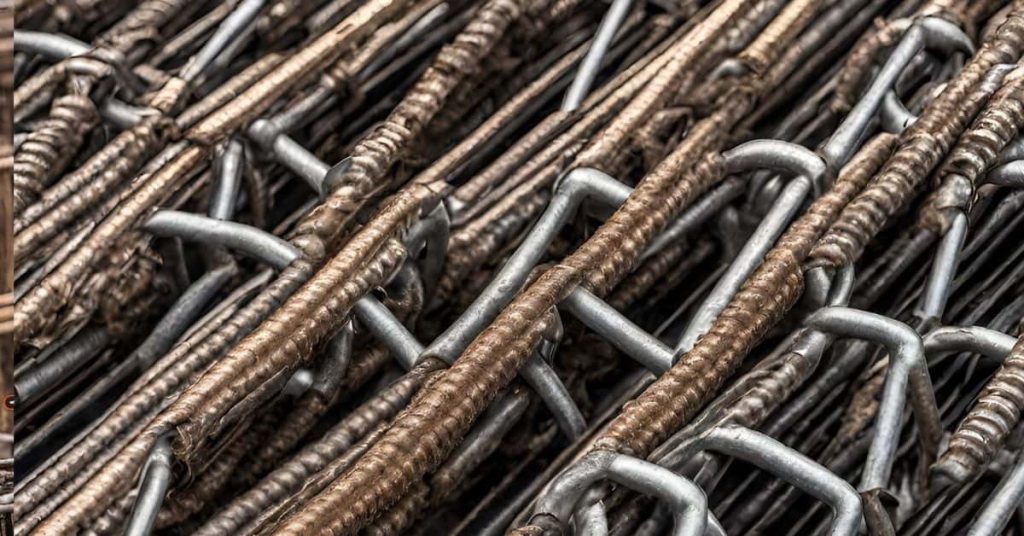
Close-up of rusted steel rebar tied with metal wire chairs

Plastic Rebar Chairs vs Wire Chairs: Avoiding Rust Staining and Punch-Through

Introduction Plastic rebar chairs are non-metal, lightweight supports that keep rebar off the form and away from the wet concrete. Unlike wire chairs, they won’t rust and stain the concrete, which helps with a cleaner pour. Check that the chairs are rated for the cover you need and compatible with your rebar size before using.

Plastic Rebar Chairs vs Wire Chairs: Avoiding Rust Staining and Punch-Through Read More »

Concrete countertop with integrated sink and black faucet

How to Avoid Rebar Shadowing on Thin Countertops: Cover, Pigment, and Sealing Strategies

Introduction Rebar shadowing on thin countertops happens when embedded metal rebar or mesh shows through the surface. This article explains practical ways to prevent that by using proper cover, pigment strategy, and sealing steps. Always verify manufacturer instructions and local rules for materials and installation before you start. Cover techniques focus on keeping the metal

How to Avoid Rebar Shadowing on Thin Countertops: Cover, Pigment, and Sealing Strategies Read More »

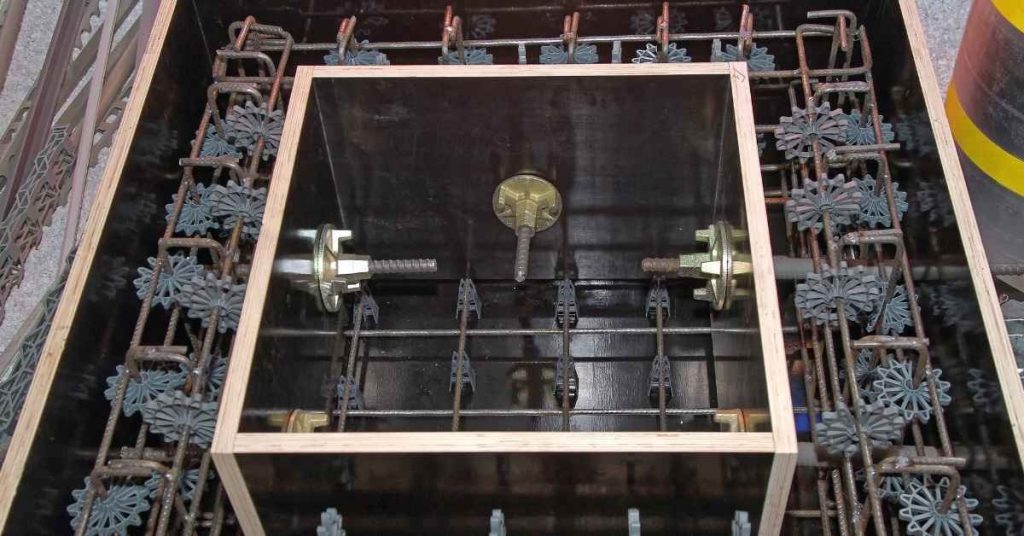
Concrete pour with exposed rebar in metal formwork

Repairing Spalls With Exposed Rebar: Cleaning Standards, Priming Steel, and Patch Layering

Introduction Repairing spalls with exposed rebar means patching concrete where the surface has chipped away and rebar is visible. Before you dig in, determine if the area can be saved or needs replacement, and plan for proper bonding between old concrete and the patch. Decide on a bonding method based on the site and materials,

Repairing Spalls With Exposed Rebar: Cleaning Standards, Priming Steel, and Patch Layering Read More »

Close-up of rusted steel rebar with metal ties

Steel Microfibers in Overlays: When They Outperform Rebar Mesh

Introduction Steel microfibers in overlays are tiny reinforcement fibers mixed into concrete to control cracking and improve durability, often replacing some needs for traditional rebar mesh. They disperse with the mix and can reduce crack widths, making overlays tougher for DIY projects. For a DIY job, compare them to rebar mesh in terms of installation

Steel Microfibers in Overlays: When They Outperform Rebar Mesh Read More »

Worker standing on concrete formwork pouring concrete

Concrete Spalling Without Rebar: How deep to remove and how to feather the repair

Introduction Spalling without rebar happens when the surface concrete flakes away, leaving a damaged area that needs patching. You’ll want to remove enough material to reach sound concrete and to create a gradual feathered edge for the new mix to blend in. Check the extent by probing the edge and looking for underlying cracking or

Concrete Spalling Without Rebar: How deep to remove and how to feather the repair Read More »

Workers pouring concrete over steel rebar on construction site

Monolithic Slab Thickened Edge: Layout, Rebar, and Insulation Details

Introduction A monolithic slab thickened edge is a single concrete slab with a wider edge around the perimeter to act as part of the structural footing. It combines layout, reinforcement, and thermal details in one pour for a simpler, continuous structure. In plain terms, you’re planning the edge thickness, where the rebar goes, and how

Monolithic Slab Thickened Edge: Layout, Rebar, and Insulation Details Read More »