

Introduction
Zip ties can be used to hold rebar in place temporarily, but they are not a universal substitute for wire.
They’re handy for quick positioning at the formwork stage, but they’re not intended for structural ties that bear load. If you’re unsure, check the manufacturer instructions and local rules to see what’s allowed in your project.
For permanent or load-bearing work, use wire or the method specified by the site engineer and code requirements.
Keep zip ties for temporary holds only, and replace them with approved fasteners before pouring or stressing the concrete. Always verify with product labels and local rules before using any alternative, and plan for inspection by a qualified person.
Key takeaways
- Zip ties can secure lightweight ties temporarily; do not rely on structural reinforcement alone.
- Use metal ties or wire for main lateral rebar connections and critical laps.
- Check manufacturer instructions and local codes before choosing fastening method.
- Inspect ties for damage, spacing, and compatibility with coatings prior to pour.
- Avoid zip ties near corners or high-stress areas; plan alternative around edges.
- Safety warning: compromised fastening can lead to dangerous movement during concrete pour.
Table of Contents
- Introduction
- Key takeaways
- Material Properties and Types: Zip Ties, Metal Ties, and Coatings
- Codes, Standards, and Inspection Expectations
- Structural and Safety Risks of Using Zip Ties on Rebar
- Appropriate Use Cases and Best Practices for Zip Ties on Rebar
- Best Practices and How-to for Tie Wire on Rebar
- Installation Checklist and Visual Checkpoints Before Pour
- Alternatives and Hybrid Approaches
- Common Questions, Troubleshooting, and Decision Flow
- Conclusion
- FAQ
Material Properties and Types: Zip Ties, Metal Ties, and Coatings
Understanding the options helps you pick the right fasteners for rebar. Different materials behave differently in concrete environments, so knowing the basics matters. Check the label or datasheet to confirm composition and ratings.
Consider nylon zip ties, metal ties, and various coatings on rebar or ties. Coatings can affect corrosion resistance and longevity. Always verify material certificates or manufacturer instructions before tying anything in place.
Zip tie varieties and limitations
When it comes to zip ties, you’ve got options. But not all are created equal.
Temperature tolerance is key. Some can handle heat up to 180°F (82°C), others only 140°F (60°C). Check the label or datasheet before you buy.
UV-stability matters too. If your project’s outdoors, get UV-rated ties. They won’t degrade as fast in sunlight.
Chemicals can melt or weaken zip ties. If you’re working around harsh chemicals, ask for chemical-resistant ties.
Tie wire and metal tie options
For metal ties and wires, you’ve got three main types: annealed, galvanized, and stainless.
Annealed wire is soft and easy to work with. But it rusts fast. Use it indoors where it won’t see moisture.
Galvanized wire has a zinc coating for corrosion resistance. It’s good for most outdoor jobs, but not in harsh marine environments.
Stainless is the top choice for heavy-duty applications and areas with high moisture or salt. It’s pricey, but it lasts.
Codes, Standards, and Inspection Expectations
Local rules, structural drawings, and project plans drive what is allowed. Codes and standards guide acceptable fastening methods in concrete work. Look up the spec section and any engineer notes for direction.
Consult the engineer, inspector, or designated authority to confirm the required approach. Do not substitute code language with personal judgment. Verify requirements with the appropriate authority before proceeding.
What inspectors usually look for
Before you pour your concrete, use this checklist to ensure everything is up to snuff. Inspectors will check these points to make sure your concrete job is safe and sound.
- Secure ties: Check that all rebar ties are secure and tight. Give them a gentle tug to confirm they’re not loose.
- Correct location/spacing of rebar: Verify that rebar is placed according to your approved plans. Measure from the formwork to ensure it’s in the right spot.
- Rebar displacement during pour: Before pouring, check that rebar isn’t displaced or moved out of place. If it is, realign it before proceeding.
- Formwork alignment and level: Ensure forms are properly aligned and level using a laser level or water gauge. Out-of-level forms can cause issues with the final pour.
- Proper concrete mix design: Check that you’re using the correct mix design for your application (e.g., M25, C30). Look up the mix on the cement bag or ask your supplier.
- Concrete slump test: Perform a simple slump test to ensure your concrete has the right consistency. Aim for a 4-6 inch slump for most applications.
- Proper consolidation of concrete: After pouring, use a vibrator to remove air pockets and ensure proper compaction. Check that the vibrator is working properly before using it.
- Curing methods in place: Inspectors will check that you’re curing your concrete correctly (e.g., keeping it moist for 7 days). Have your curing method ready to go.
Quick rule: Always follow your local building codes and consult with a professional if you’re unsure about any aspect of your concrete work. It’s better to be safe than sorry!
How to confirm compliance for your project
Before you start any work, use this checklist to ensure your project meets the required codes and standards. This will help you avoid costly rework and delays.
- Review Contract Specs: Check that all materials and methods match what’s specified in your contract. If unsure, consult with your architect or engineer.
- Check Local Building Codes: Ensure your project adheres to local building codes. You can find these at your local permit office or online.
- Verify Materials’ Certifications: Check that all materials have the necessary certifications (e.g., ASTM, ACI) and meet the required standards.
- Obtain Engineer/Manufacturer Approval: If using alternate methods or nonstandard materials, get written approval from an engineer or the manufacturer.
- Check Inspector’s Acceptance: Before using nonstandard materials, obtain written acceptance from your inspector.
- Confirm Reinforcement Schedule: Ensure that reinforcement is placed as per the approved drawings and meets the required spacing and coverage.
- Check Concrete Mix Design: Verify that the concrete mix design meets the required strength (e.g., 3000 psi) and slump (e.g., 4-6 inches).
- Inspect Formwork Before Pouring: Check that formwork is level, plumb, and braced properly. Ensure it can withstand the weight of the concrete.
Quick rule: Always consult with your local inspector before starting any work. They can provide guidance specific to your project and location.
Structural and Safety Risks of Using Zip Ties on Rebar
Zip ties can slip or degrade under load and vibration during placement and pouring. Plastic ties may fail if exposed to heat, moisture, or UV in some environments. Assess how these factors could affect your specific job.
The risks vary with application and environment, so evaluate cover, spacing, and support. Poor tie performance can impact shear connections and consolidation. Consider alternative methods if conditions look unfavorable.
Risks during concrete placement and vibration
When you’re pouring concrete, the formwork takes a beating. The weight of the wet concrete, combined with vibrations from placing and consolidating it, can cause zip ties to slip or even break.
Rebar movement is another issue. If ties aren’t tight enough, rebar can shift during these processes. This changes your structure’s geometry, weakening it.
The result? A compromised structure that might not meet code standards or perform as expected over time.
Long-term durability and corrosion concerns
Zip ties are made of plastic. That means they can degrade over time, especially in harsh environments. Moisture, chlorides from de-icing salts, and UV exposure all speed up this process.
Once degraded, zip ties lose their strength. This can lead to hidden failures in embedded applications, where you can’t see the damage until it’s too late.
Corrosion isn’t a worry with metal ties, but it is with rebar. If moisture gets in and starts rusting the rebar, it expands. This can cause concrete to crack and spall, compromising your structure’s integrity.
Appropriate Use Cases and Best Practices for Zip Ties on Rebar
Zip ties may be acceptable for temporary or non-structural bundling and certain prefabrication tasks. Use ties that meet quality ratings and follow trusted practice. Double-tie critical spots if you determine a temporary fix is warranted.
Avoid embedding zip ties in permanently loaded high-stress locations. Always confirm with the engineer and follow project-spec guidance. Use the outreach to verify what works for your specific job conditions.
Installation tips when using zip ties
When using zip ties on rebar, follow these practical tips for a secure and durable installation:
Use UV- and temperature-rated ties. These ties are designed to withstand the elements and maintain their strength during concrete placement.
Orient ties to minimize abrasion. Run them parallel to the rebar’s length to reduce friction and wear on the tie during vibration.
Keep excess tail trimmed. Cut off any extra tail after tying to prevent snagging or interference with other elements in your formwork.
When to escalate to an engineer or inspector
While zip ties can be useful in certain situations, there are times when you should consult with a structural engineer or inspector:
Structural continuity required. If your project requires rebar to run continuously through splices or joints, an engineer’s input is crucial.
High-load splices. For high-stress areas like beam-column connections or heavy loading points, tie wires or other approved methods may be necessary.
Seismic requirements. In seismic zones, consult with an engineer to ensure your rebar connections can withstand the additional forces.
Corrosive exposure. If your project is exposed to corrosive elements like saltwater or chemicals, you may need to use coated ties or other corrosion-resistant methods.
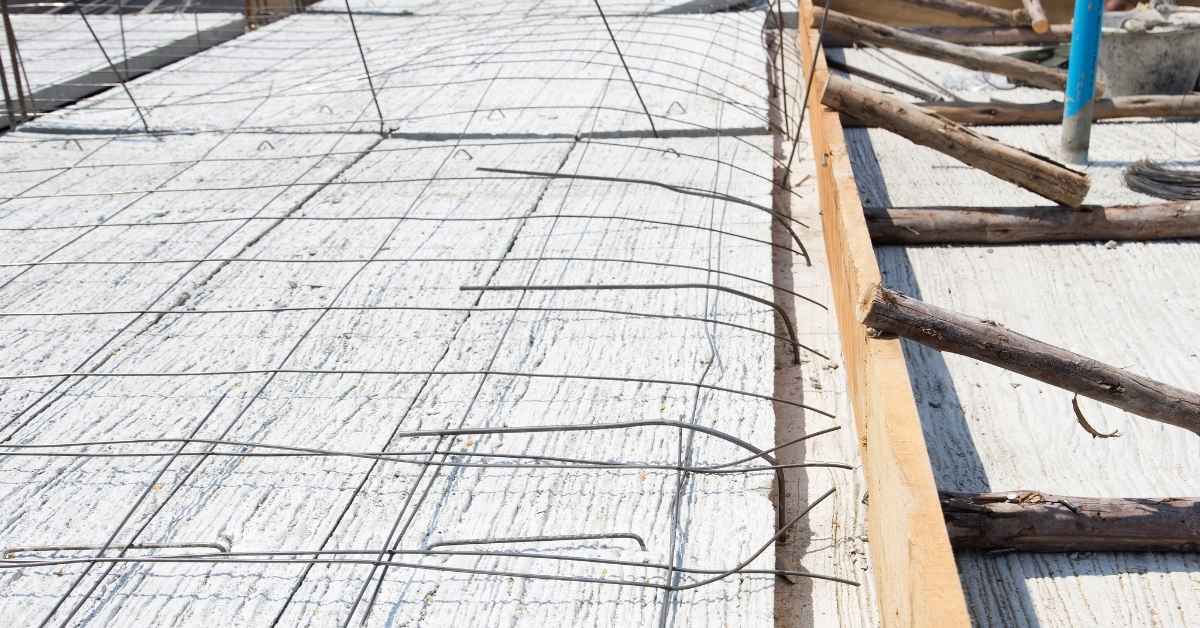
Best Practices and How-to for Tie Wire on Rebar
Tie wire remains a common choice for many structural applications due to its proven behavior. Employ the right tools and maintain safe handling during tying. Practice on scrap pieces to gain consistency and rhythm before working on the actual project.
Consider using a tie tool when possible to improve ergonomics and uniformity. Keep to a standard method that you can repeat across similar joints. Always align your approach with the engineer’s guidance and project requirements.
Tools and materials checklist for wire tying
Before you start, ensure you have the right tools and materials to create secure ties. Here’s a quick checklist.
- Tie wire: Use appropriate grade (e.g., 17-5 or 20) with corrosion protection for your application.
- Rebar tie tool: Essential for consistent, ergonomic tying. Check it’s in good working order.
- Pliers: For manipulating wire ends and making adjustments.
- Wire cutters: To trim excess wire. Ensure they’re sharp and functional.
- Gloves: Protect your hands from cuts and scrapes. Choose durable, flexible ones.
- Tape measure: For accurate spacing and positioning of ties.
- Marking tool: To mark tie locations before starting.
- Safety glasses: Protect your eyes from debris during tying and cutting.
Quick rule: Skipping any of these can lead to poor ties, rework, or safety hazards.
Visual and tactile indicators of a good wire tie
A well-tied joint should look and feel secure. Here’s what to check:
Snugness: The wire should be tight against the rebar, with no visible slack.
No sharp ends: Protrudi