
Introduction
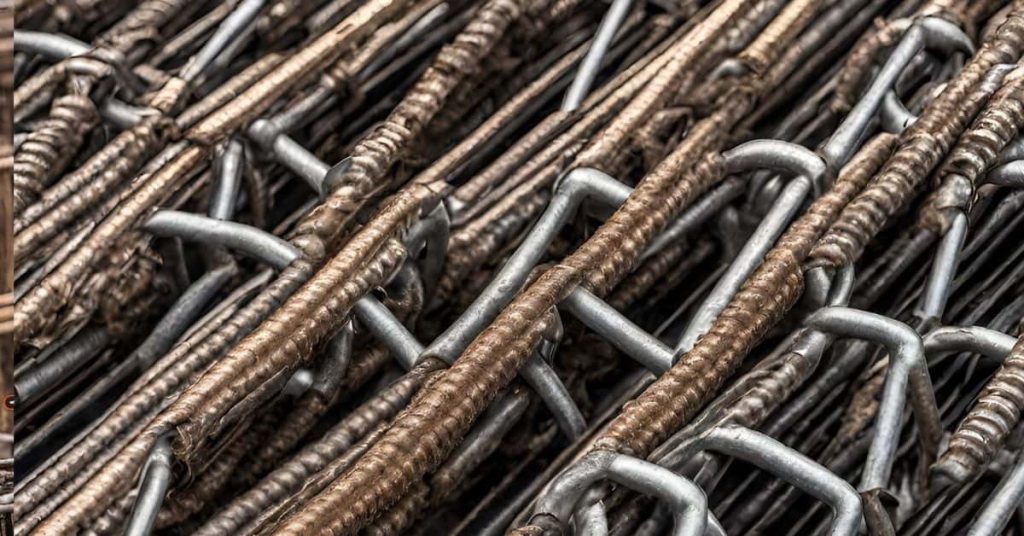
Plastic rebar chairs are non-metal, lightweight supports that keep rebar off the form and away from the wet concrete.
Unlike wire chairs, they won’t rust and stain the concrete, which helps with a cleaner pour. Check that the chairs are rated for the cover you need and compatible with your rebar size before using.
Wire chairs can rust and punch through if the coating fails, so many DIYers prefer plastic where moisture is heavy. Make sure to follow manufacturer guidelines and local rules for spacing and seating height, and inspect for cracks or deformities before pouring. Choose based on your site conditions and what you can easily source locally.
Key takeaways
- Choose plastic chairs to minimize rust staining and reduce punch-through risk.
- Inspect wire chairs for burrs, bent legs, and coating damage before use.
- Secure chairs firmly in upright orientation to maintain consistent concrete cover.
- Plan for field tests: verify chair spacing and alignment with rebar grid.
- Consider life-cycle costs including replacement frequency and labor if rust occurs.
- Safety: never reuse damaged chairs; stop work if rust staining appears.
Table of Contents
- Introduction
- Key takeaways
- Why Rust Staining and Punch-Through Matter in Concrete Jobs
- Materials Compared: Plastic Rebar Chairs Vs Wire Chairs
- How Each Chair Causes or Prevents Rust Staining
- Punch-Through Mechanisms and Mitigation Strategies
- Installation Best Practices and Visual Checkpoints
- Tools, Materials Checklist, and Simple Field Tests
- Cost, Durability, and Life-Cycle Considerations
- Decision Guide and Recommendations by Project Type
- Conclusion
- FAQ
Why Rust Staining and Punch-Through Matter in Concrete Jobs
Rust staining and punch-through can affect both appearance and performance on a job site. Aesthetic concerns include visible streaks that may lead to finish rejection and touch-up work. Structural and durability implications can translate into localized repair costs and liability if the problem is not addressed.
Preventing these issues helps reduce rework and accountability questions later in the project. Understanding how chair choice influences staining and punch-through helps field teams plan safer, cleaner pours. Real-world examples show why early decisions matter for long-term outcomes.
What is rust staining?
Rust staining happens when iron oxide from reinforcing steel bleeds through the concrete surface. This occurs due to the oxidation of iron, a process that starts as soon as rebar is exposed to oxygen and moisture.
Visually, it appears as orange or brown stains on your concrete. Chemically, you might notice a higher pH level around these areas, indicating the presence of rust.
Prevention involves using proper concrete cover depth and preventing water from penetrating the concrete to reach the rebar.
What is punch-through failure?
Punch-through, also known as chair penetration, occurs when wire chairs or other supports used for spacing rebar during concrete pouring become embedded in the concrete instead of remaining at the desired level.
This can create voids in the concrete, weakening its structure. It can also expose rebar, leading to rusting and staining. Punch-through is more common with wire chairs due to their flexibility.
Prevention involves using rigid plastic chairs that maintain their shape under pressure and proper consolidation techniques.
Project risk and liability implications
Rust staining and punch-through can lead to significant project risks. Aesthetically, they can cause architectural finish rejection, leading to costly rework.
Structurally, they can weaken the concrete, potentially causing cracks or even collapse. This could result in expensive localized repairs or even total replacement of affected sections.
Moreover, these issues can impact project schedules, as repairs often require additional time and resources. They may also have code or warranty implications, potentially leading to legal liabilities.
Materials Compared: Plastic Rebar Chairs Vs Wire Chairs
Plastic rebar chairs come in various molded forms, while wire chairs rely on metal components joined or bent for support. Manufacturing variants can affect edge sharpness, seating stability, and how they interact with concrete mixes. Material choice also ties to corrosion risk and basic structural behavior under load.
When selecting, consider strength, chemical stability, and how each option behaves in your environment. Look for guidance from manufacturers and local codes to balance performance with practicality. Always verify the intended use with the product data sheet or label before committing to a specific type.
Types of plastic chairs and additives
Plastic rebar chairs come in various types, with polypropylene being the most common. It’s strong, durable, and resistant to chemicals found in concrete.
To enhance UV resistance, manufacturers add stabilizers like carbon black or titanium dioxide. These help prevent chair degradation from sunlight exposure during construction and service life.
Some chairs also have flame-retardant additives for safety reasons, but these aren’t typically needed on residential jobsites.
Wire chairs: steel types and protective coatings
Wire chairs are made from plain steel. While strong, they’re prone to corrosion without protection.
Galvanized wire chairs have a zinc coating that provides initial corrosion resistance. However, once the zinc layer is consumed, rusting can begin.
Epoxy-coated chairs offer better long-term protection. The thick, durable epoxy layer seals out moisture and prevents rust. Stainless steel chairs are also an option but are usually reserved for high-end or specialty projects due to their cost.
Load-bearing and creep behavior
Plastic chairs can bear significant loads, but they’re not as strong as steel. They’ll deform slightly under heavy loads, which is why it’s important to use the right size chair for your rebar spacing.
Steel wire chairs are stronger and stiffer than plastic. They won’t deform as much under load, making them suitable for heavier concrete pours or when precise rebar spacing is critical.
Creep behavior refers to long-term deformation under sustained loads. Plastic chairs may creep more than steel, but this isn’t usually an issue in residential construction where loads are relatively low and consistent.
How Each Chair Causes or Prevents Rust Staining
Metal chairs can contribute to rust staining when moisture and chlorides reach the steel or galvanized surfaces. Leaching can occur through capillary action as concrete hydrates and cures around the chair. Plastic chairs typically do not have this pathway, reducing stain risk in many cases.
Edge cases exist where coatings fail or plastics degrade under certain exposures or chemical environments. Environmental conditions, placement, and curing practices all influence staining risk. Always review product instructions and suitability for your specific project conditions.
Galvanized vs bare steel staining potential
Galvanization protects steel from rust, but it’s not foolproof. Chlorides in concrete or nearby soil can penetrate the zinc layer and cause rust to form underneath. Prolonged moisture exposure speeds up this process.
Physical damage to the galvanizing, like scratches or dents during installation, also leaves steel vulnerable to rusting. Bare steel chairs have no protection and will start rusting as soon as they’re exposed to moisture.
Takeaway: While galvanization helps prevent staining, it’s not a guarantee. Keep chairs clean and undamaged during installation to minimize risks.
Plastic degradation and staining risks
Plastic chairs are resistant to rust, but they’re not immune to issues that could affect concrete appearance. In rare cases, additives in the plastic can migrate into the concrete, causing discoloration or other visual defects.
Contamination during manufacturing or on-site can also lead to problems. For instance, if plastic chairs are exposed to certain chemicals before installation, they might transfer those chemicals into the concrete, leading to staining.
Takeaway: While plastics reduce rust risks, they’re not entirely problem-free. Keep them clean and undamaged, and avoid exposing them to potential contaminants.
Interaction with admixtures and finish types
Concrete mix water chemistry can influence staining. For instance, if the water contains high levels of chlorides or sulfates, it could increase the risk of rust staining, even with plastic chairs.
Surface treatments like sealers or stains can also play a role. If they’re not compatible with the chair material, they might cause discoloration or other visual issues. For example, some sealers can react with plastic, causing it to turn yellow over time.
Takeaway: Understand your concrete mix and chosen finish. Consult with a professional if you’re unsure about compatibility to avoid unexpected staining or other problems.
Punch-Through Mechanisms and Mitigation Strategies
Punch-through happens when footing area and load concentrate forces through the chair into the concrete, creating a through-embedment issue. Vibration and improper seating can exacerbate movement and wear. Understanding these mechanisms helps you choose and place chairs to minimize risk.
Mitigation relies on geometry, proper footing, and sound in-pour procedures. Practical steps include selecting chairs with appropriate seating surfaces and aligning them with rebar grids during setup. Use manufacturer or project guidelines to confirm the recommended approach for your conditions.
Chair geometry, footing size, and stability
Choosing the right chair starts with understanding their base. Larger bases provide more stability, reducing the risk of penetration.
Multi-legged designs also help distribute weight evenly, preventing sinking. Think of it like a table – four legs are steadier than three.
Wider saddles cradle rebar better, keeping it in place and minimizing movement during concrete pouring.
Remember, the chair’s job is to keep rebar off the footing, preventing rust staining. So, choose chairs that can do their job well under your specific conditions.
Vibration and consolidation best practices
Proper vibration is key to consolidating concrete around chairs. But too much, or poorly placed vibrators, can shift chairs and cause problems.
Place vibrators near the bottom of forms, not at the top where they can dislodge chairs.
Run them for just long enough to remove air pockets – over-vibration can also cause issues. A good rule of thumb is until you see no more air bubbles rising.
Time your vibration right too. Do it just before the concrete starts to set, when it’s still fluid but starting to thicken a bit.
Using supplemental supports and spacers
Sometimes, you need extra help keeping chairs in place. That’s where supplemental supports come in.
Precast blocks can be used under chairs to raise them higher off the footing, preventing rust staining from any remaining moisture.
Mesh chairs or plastic-topped wire chairs provide additional support for rebar, reducing the risk of punch-through. They’re great for areas with heavy loading or where extra stability is needed.
Just remember, these supports should be used in addition to, not instead of, proper chair selection and placement. They’re tools to help you get the job done right.

Installation Best Practices and Visual Checkpoints
Start with a clear plan for chair spacing, alignment, and support height before the pour begins. Place chairs so that rebar remains adequately supported throughout the pour. Document any deviations from the plan for quality control later.
During and after installation, perform routine visual checks for level seating, clean contact with the rebar, and stable positioning. Post-pour checks should verify chairs remained in place and there are no obvious shiftings or gaps. Use the project’s standard inspection criteria to capture evidence.
Pre-pour layout and spacing rules
Use this checklist before pouring concrete to ensure chairs are placed correctly for even coverage and proper cover depth.
- Check spacing: Maintain consistent gaps between chairs. Too close can cause overcrowding, too far apart may lead to weak spots.
- Verify layout: Ensure chairs follow the designed pattern. Off-grid placement can result in uneven concrete distribution.
- Measure cover depth: Confirm chairs are at the right height for desired slab thickness. Insufficient cover exposes rebar, excessive cover wastes material.
- Avoid chair overlap: Overlapping chairs can