Search Results for: how to paint galvanized sheet metal

Hand wearing white glove installing brown plastic anchor on foam board

Installing a New Vent Through Stucco: Sleeves, Slope, and Sealant Geometry

Introduction Installing a new vent through stucco means creating a weather-tight opening in stucco siding to run a vent sleeve and sealant geometry. This keeps airflow functional while protecting the wall from water penetration. You’ll want to plan the sleeve, slope, and seal around the opening so the vent directs moisture away from the home. […]

Installing a New Vent Through Stucco: Sleeves, Slope, and Sealant Geometry Read More »

Textured blue stucco wall with recessed section

Retrofitting Drainage Behind Barrier Stucco: What’s Realistic and What’s Wishful Thinking

Introduction Retrofitting drainage behind barrier stucco means creating a practical path for moisture to escape from behind the stucco without compromising the wall. Start with a careful visual check of the barrier, flashing, and any visible weep gaps, then plan based on your wall type and conditions. Always verify with manufacturer instructions and local rules

Retrofitting Drainage Behind Barrier Stucco: What’s Realistic and What’s Wishful Thinking Read More »

Slate roof with metal flashing under golden sky

Window Head Flashing Behind Stucco: Drip Caps, End Dams, and How to Stop Head Leaks

Introduction Window head flashing behind stucco is a weatherproofing detail that directs water at the top of the window away from the opening. It often relies on drip caps, end dams, and proper sealing to shed water behind the stucco rather than into the wall. When you’re working, look for gaps, torn flashing, or loose

Window Head Flashing Behind Stucco: Drip Caps, End Dams, and How to Stop Head Leaks Read More »

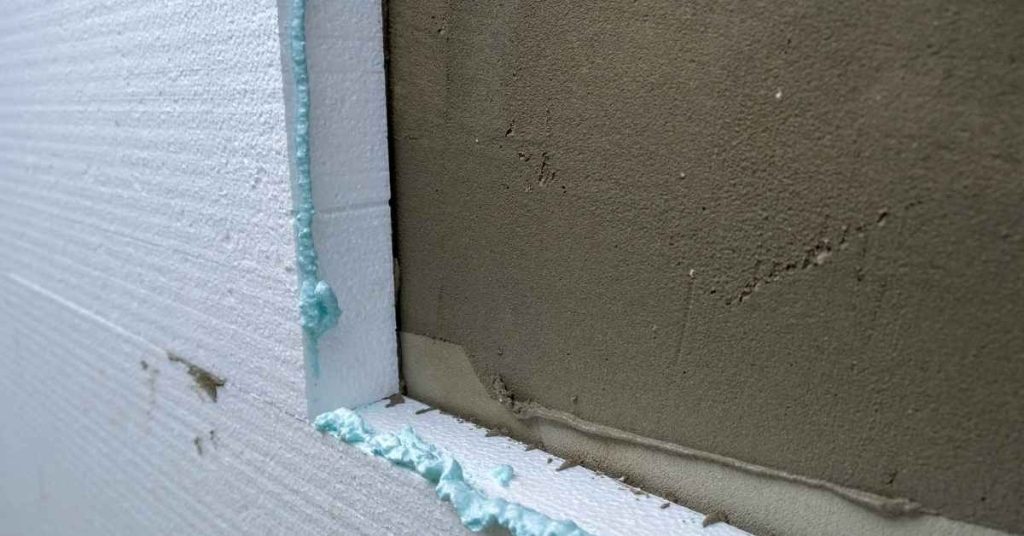
Close-up of stucco edge with foam insulation and sealant

Stucco Parapet Walls: Coping, Cap Flashing, and Why the Top Edge Is the #1 Leak Source

Introduction Coping, cap flashing, and the top edge are the critical areas that control leaks on stucco parapet walls. This article explains why the top edge leaks and how to approach coping and flashing like a DIY job. Because every project is different, check manufacturer instructions and local rules for your setup. We’ll cover coping

Stucco Parapet Walls: Coping, Cap Flashing, and Why the Top Edge Is the #1 Leak Source Read More »

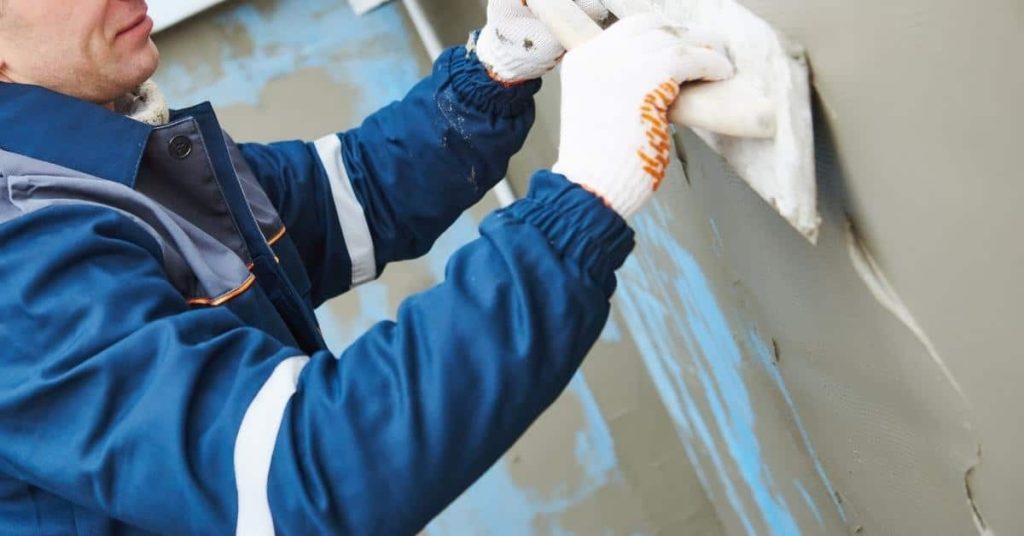
Worker applying first coat of stucco on wall with trowel

Three-Coat vs One-Coat Stucco: Thickness Targets, Cure Times, and Where Each Fails

Introduction Three-coat stucco uses three separate layers, while one-coat finishes are completed in a single composite application. Thickness targets and cure times depend on the system you choose, so always check the product label and local rules rather than guessing. Also verify how a weather-resistive barrier is used and how the lath is installed, since

Three-Coat vs One-Coat Stucco: Thickness Targets, Cure Times, and Where Each Fails Read More »

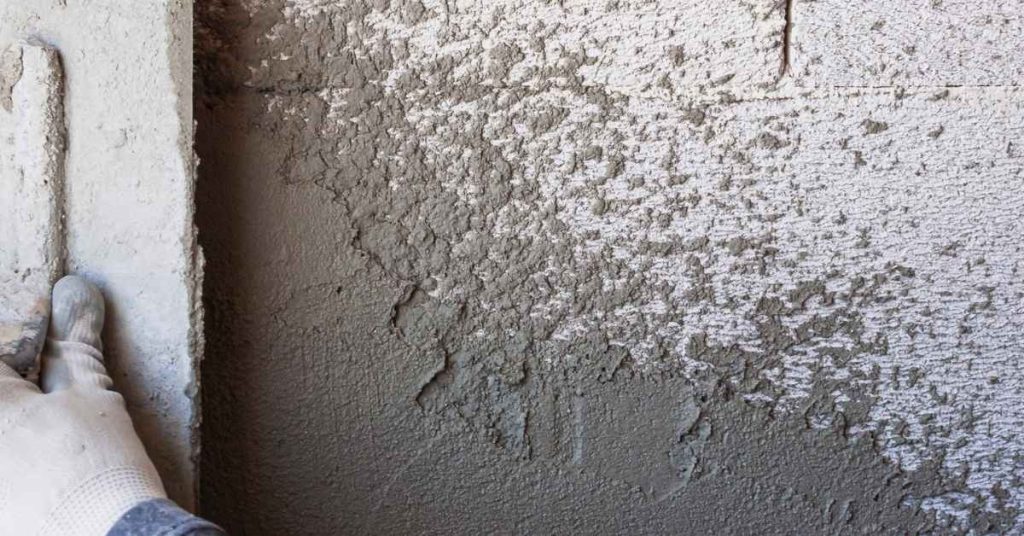
Hand smoothing wet scratch coat over base wall surface

Stucco Over Autoclaved Aerated Concrete (AAC): Base Coat Choice, Fasteners, and Suction Control

Introduction Stucco over AAC is applying a compatible base coat to Autoclaved Aerated Concrete walls. Pre-installation prep is key—clean surfaces, seal any joints, and plan how you’ll store and handle panels to avoid damage. Handle AAC panels with care, store flat in a dry, shaded area, and check manufacturer guidance for any site-specific restrictions. Choose

Stucco Over Autoclaved Aerated Concrete (AAC): Base Coat Choice, Fasteners, and Suction Control Read More »

Worker applying stucco plaster onto wall with trowel

Stucco Movement Joints: Spacing Rules, Joint Profiles, and Sealant Detailing That Lasts

Introduction Movement joints in stucco are intentional gaps that let the plaster move with temperature and framing shifts. They help prevent cracks by giving the wall a controlled place to flex, not tear. Check local building rules and follow manufacturer instructions for spacing and placement in your area. There are different joint profiles and sealants,

Stucco Movement Joints: Spacing Rules, Joint Profiles, and Sealant Detailing That Lasts Read More »

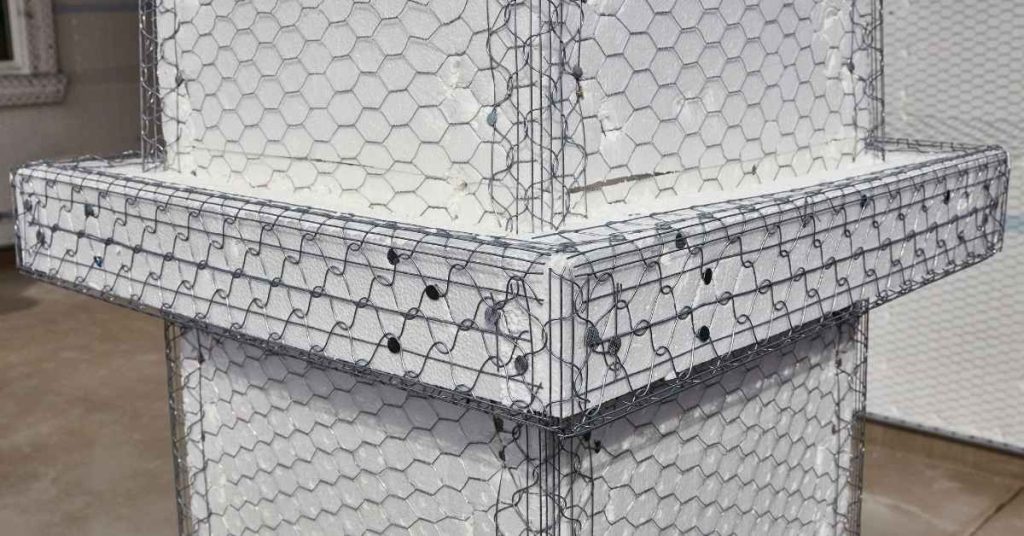
Corner of foam insulation covered with metal wire lath for stucco

Inside Corner Stucco Cracks: Reinforcement details that reduce repeat cracking

Introduction Reinforcement details inside a corner of stucco help prevent cracks from redeveloping. This article gives practical, home-friendly ways to strengthen the joint as you repair. Think of it as a light rebuilding of the corner so movement from framing or temperature doesn’t keep tearing at the surface. Start by inspecting the crack and removing

Inside Corner Stucco Cracks: Reinforcement details that reduce repeat cracking Read More »

beige textured stucco wall close up

Rust Stains on Stucco: Removing iron marks without damaging the finish coat

Introduction Rust stains on stucco are iron marks that show up as reddish or orange streaks on the surface. This article explains how to remove those marks without harming the finish coat. You’ll learn practical, hands-on steps that you can try on your own wall. Start by testing a small, hidden area to ensure the

Rust Stains on Stucco: Removing iron marks without damaging the finish coat Read More »