Search Results for: how to paint galvanized sheet metal

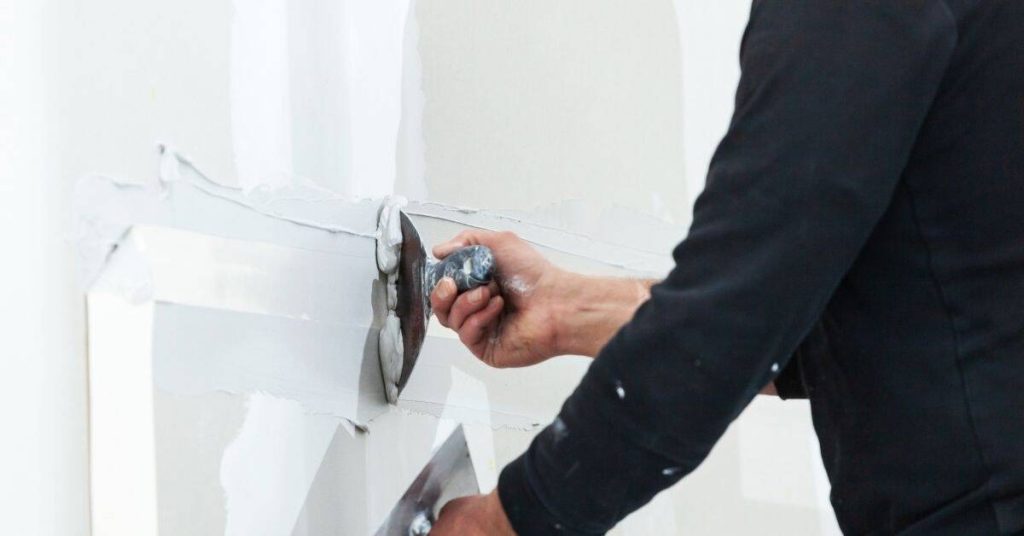
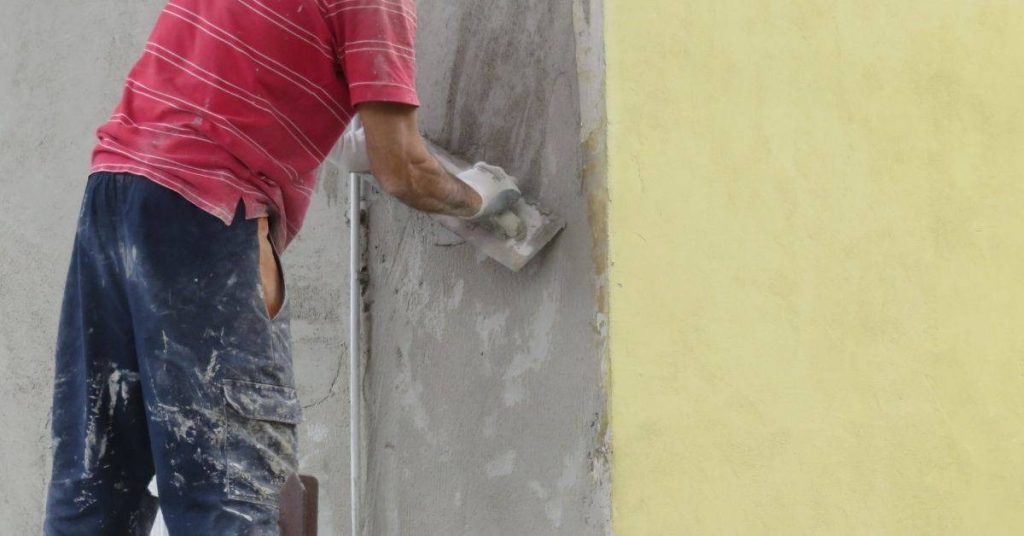
Person applying plaster with trowel on drywall seams

Clay Plaster Over Drywall: Primer Selection, Screw Head Telegraphing, and Dent Resistance Upgrades

Introduction Clay plaster over drywall is a finish where a clay-based plaster is applied on standard wallboard after proper priming. Start with a compatibility-friendly primer; check the label to ensure it works with clay plasters and the drywall surface. Apply multiple thin coats, let each dry, and feather the edges for a flat, even surface.

Clay Plaster Over Drywall: Primer Selection, Screw Head Telegraphing, and Dent Resistance Upgrades Read More »

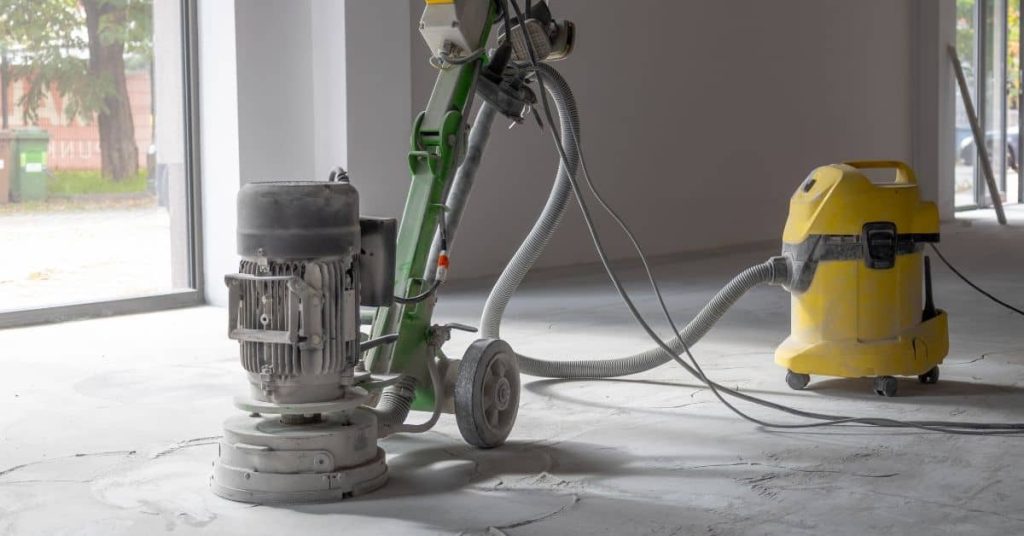
Concrete floor grinder connected to yellow vacuum cleaner indoors

Diagnosing Concrete Delamination: Chain Drag vs Hammer Sounding and What Each Misses

Introduction Delamination in concrete is when layers or patches separate, revealing hollow or weaker zones beneath the surface. Using a chain drag helps you feel for soft spots by listening and feeling where the chain catches. Hammer sounding can also reveal hollow tones, but it may miss shallow or narrow separations. Both tests have limits

Diagnosing Concrete Delamination: Chain Drag vs Hammer Sounding and What Each Misses Read More »

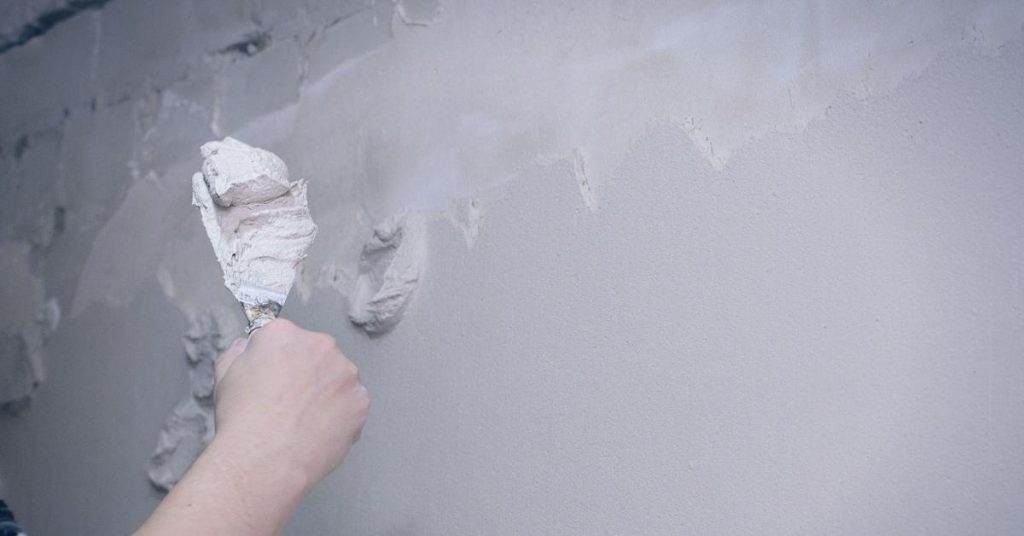
Hand applying plaster to damaged wall with trowel

Repairing Plaster Keys From the Back Side: When Access Exists and How to Lock It In

Introduction Repairing plaster keys from the back side means fixing the hidden anchors behind the plaster when you can reach them. You work from the cavity side, not the face, and you aim to reattach loose plaster to the lath or keys. This approach relies on solid access and careful placement to lock the repair

Repairing Plaster Keys From the Back Side: When Access Exists and How to Lock It In Read More »

White stucco coated brick wall texture close-up

Stucco Control Joint Layout: Where They Belong and Why Random Cracks Follow Bad Layout

Introduction Control joints in stucco are deliberate gaps that guide where cracks will form, instead of letting random cracks run everywhere. They serve as a planned break for movement due to temperature, moisture, and framing shifts. Placement guidelines depend on factors like height, openings, and changes in plane; check manufacturer instructions for specifics. Use appropriate

Stucco Control Joint Layout: Where They Belong and Why Random Cracks Follow Bad Layout Read More »

Worker applying stucco on an exterior wall section

Stucco Kickout Flashing Retrofit: Minimal Removal Approaches That Actually Work

Introduction Stucco kickout flashing is a piece of flashing, usually metal or plastic, installed at the edge where the roof overhang meets a stucco wall to redirect water away. This article outlines minimal-removal retrofit ideas that still guide water correctly and protect the wall. You’ll need simple hand tools, basic fasteners, and compatible flashing material

Stucco Kickout Flashing Retrofit: Minimal Removal Approaches That Actually Work Read More »

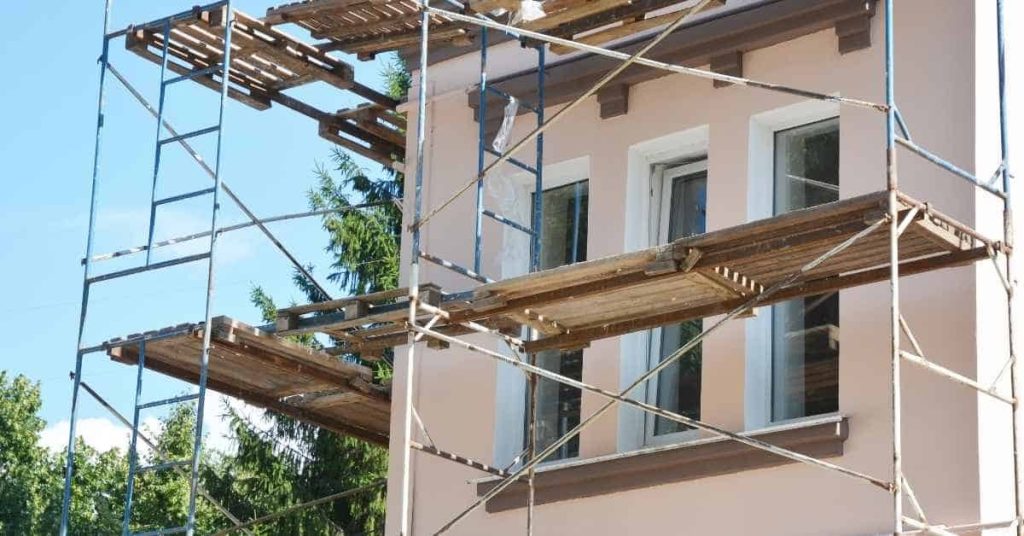
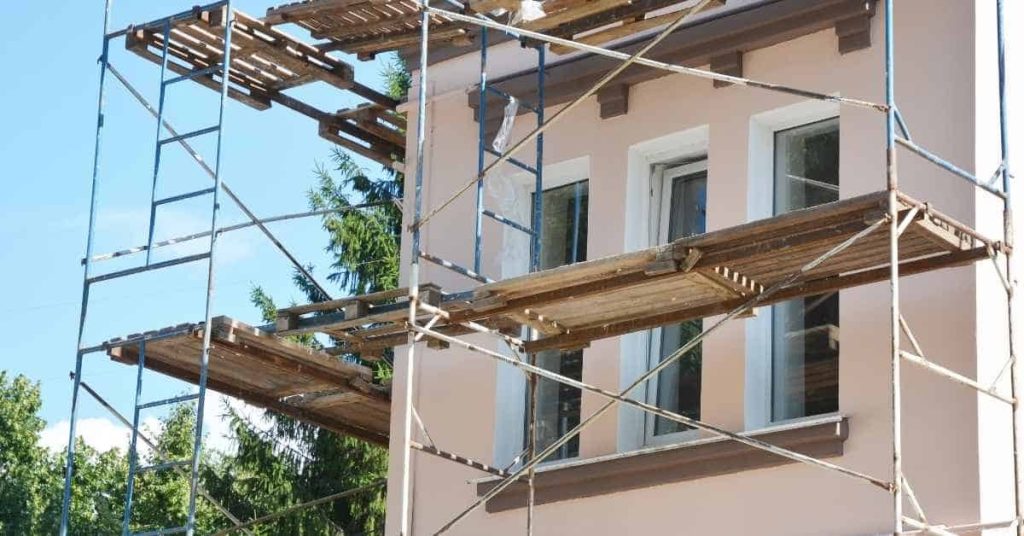
Metal scaffolding around exterior stucco wall

Stucco Fasteners That Rust: Choosing Corrosion-Resistant Options for Accessories

Introduction Corrosion-resistant fasteners for stucco are screws and anchors designed to resist rust and deterioration in exterior plaster assemblies. Choosing these options helps prevent staining and premature failure on outdoor walls. Always follow manufacturer instructions and local rules when selecting materials. For durability, compare stainless steel and coated steel fasteners and read the product labels

Stucco Fasteners That Rust: Choosing Corrosion-Resistant Options for Accessories Read More »

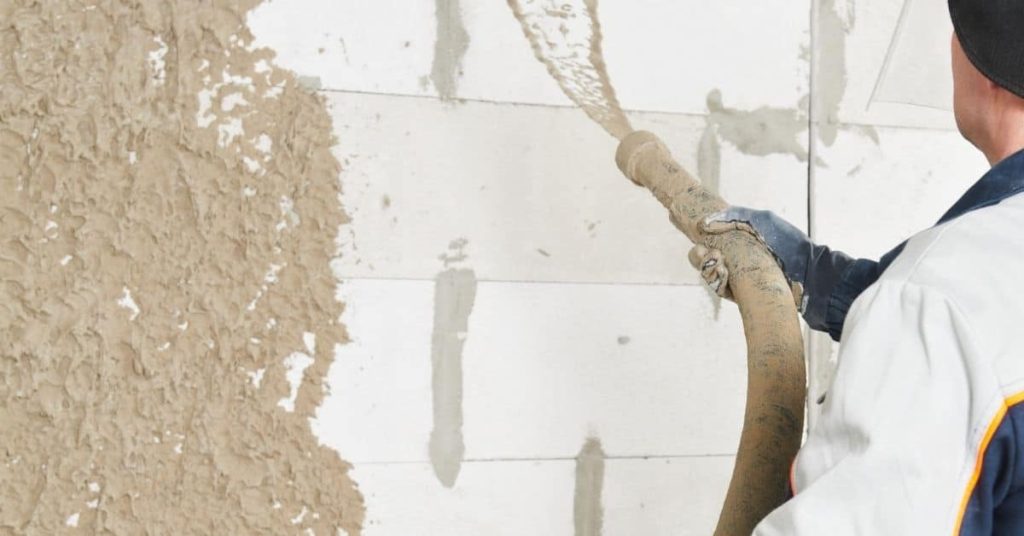
Worker spraying brown stucco on white wall

Adding Blocking Behind Stucco for Mounts: Finding Studs and Keeping Drainage Paths

Introduction Blocking behind stucco provides a solid mount point that the hardware can bite into. To find studs behind stucco, look for the interior framing and intended anchor points, and test suspected areas with a stud finder or by tapping and listening. Check manufacturer instructions and local rules for acceptable methods, and proceed only after

Adding Blocking Behind Stucco for Mounts: Finding Studs and Keeping Drainage Paths Read More »