Search Results for: how to paint galvanized sheet metal

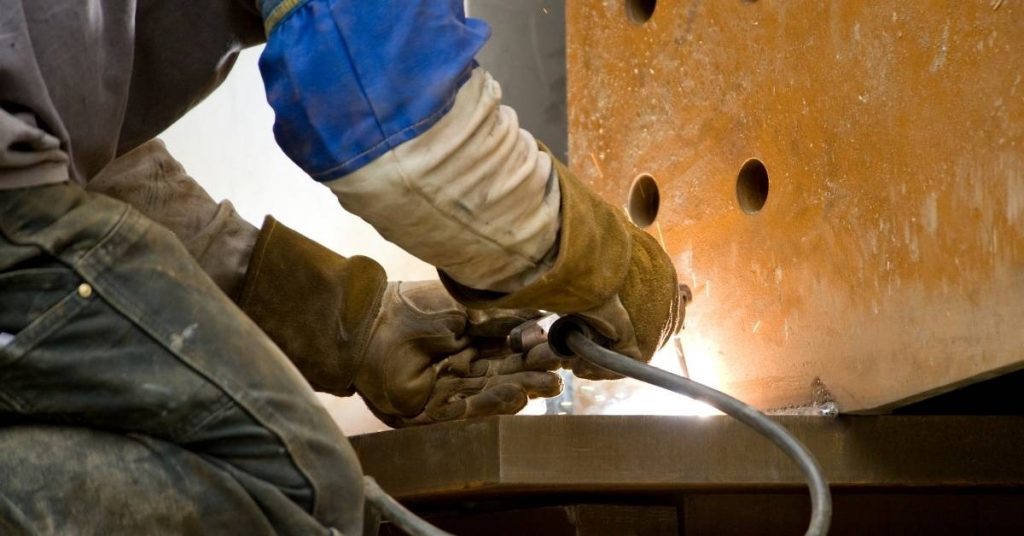
Worker welding metal plate with protective gloves and clothing

Preventing Rust Stains on Brick: Metal Isolation and Runoff Control

Introduction Rust stains on brick happen when metal fasteners or components contact brick and moisture carries iron to the surface. This article covers simple ways to isolate metal and manage runoff so stains don’t form. Think of it as a practical, DIY approach you can do with common tools. Inspect all metal that sits against […]

Preventing Rust Stains on Brick: Metal Isolation and Runoff Control Read More »
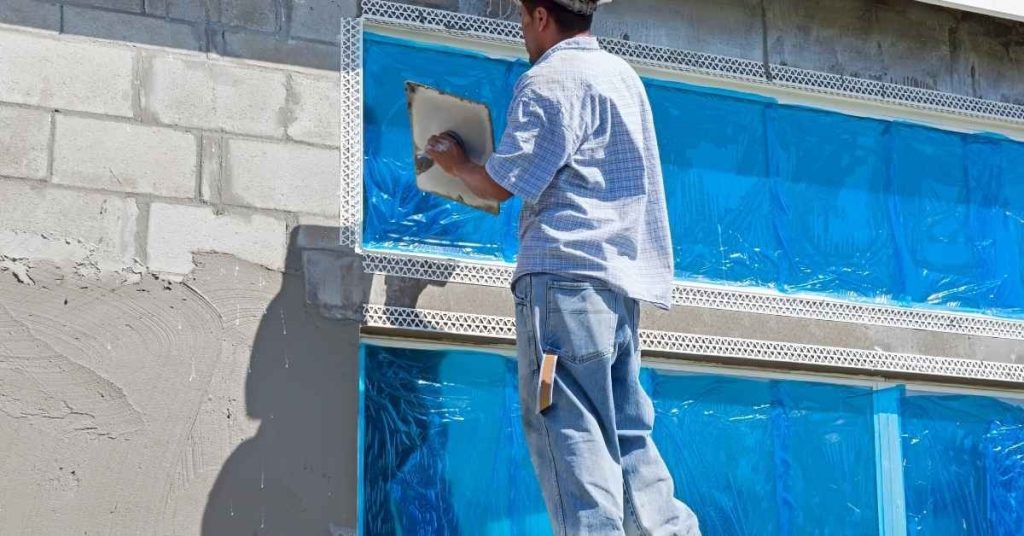
Worker applying stucco over concrete block wall near blue covered windows

Stucco Over Painted Concrete Block: Adhesion Tests and Prep That Prevents Delamination

Introduction Stucco over painted concrete block requires proper surface prep and adhesion testing to prevent delamination. We’ll walk through simple checks you can do with basic tools to judge if the old paint will hold and what to rough up or clean. This is a hands-on, DIY-friendly overview, not a full contractor guide. You’ll start

Stucco Over Painted Concrete Block: Adhesion Tests and Prep That Prevents Delamination Read More »

Closeup of metal chain link fence with blurred background

Metal Accessory Corrosion (Beads, Screeds) in Coastal Zones: Material Upgrades and Isolation Tricks

Introduction Coastal metal accessories like beads and screeds that contact concrete are prone to corrosion from salt and moisture. This topic covers practical upgrades and isolation tricks you can use during DIY work. Treat it as a hands-on job: plan, protect, and seal where metal meets concrete. Look for corrosion-resistant alloys or coatings and install

Metal Accessory Corrosion (Beads, Screeds) in Coastal Zones: Material Upgrades and Isolation Tricks Read More »

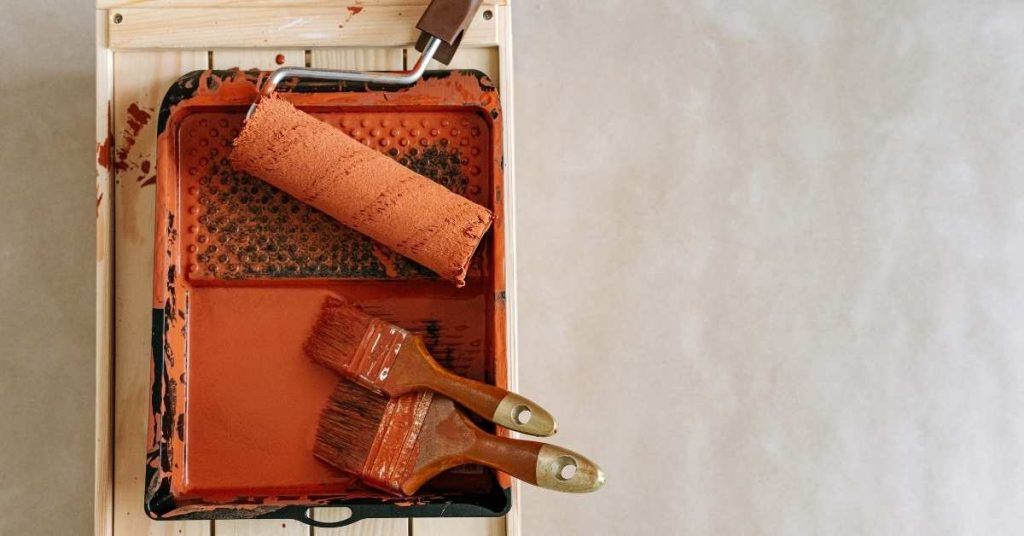
rust-colored paint roller and paintbrushes in tray on wooden surface

Painting Over Rust: Stopping bleed-through and preventing return rust

Introduction Painting over rust means sealing and coating metal surfaces to stop rust bleed-through and prevent future rust. You’ll assess the rust, clean the area, and choose a compatible primer and paint that sticks. Be sure to follow product labels and local rules. Plan to remove loose rust, neutralize corrosion as needed, and apply a

Painting Over Rust: Stopping bleed-through and preventing return rust Read More »

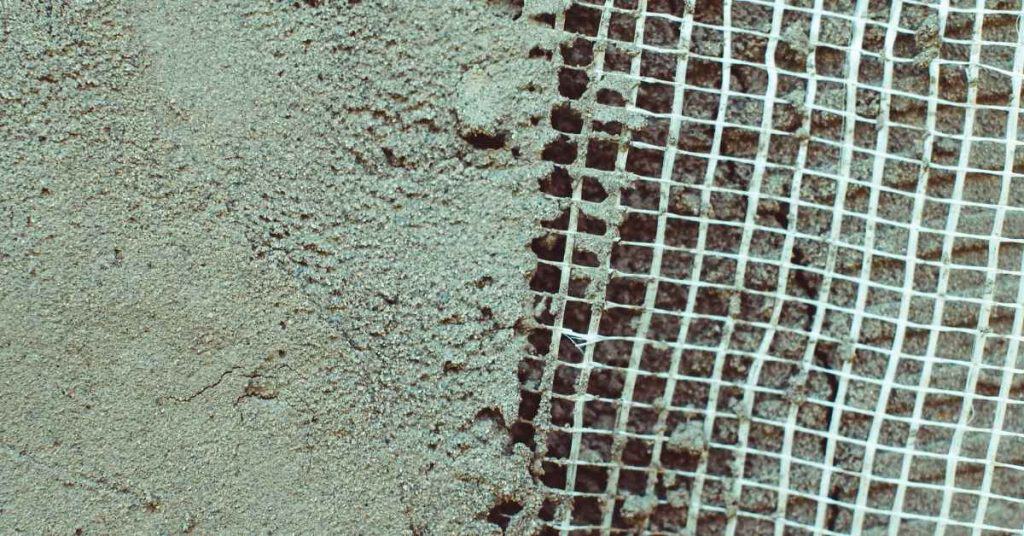
White mesh lath grid adjacent to cement-coated surface.

Replacing Rusted Metal Lath in a Small Area: Patch Boundaries and Fastener Choices

Introduction Replacing rusted metal lath in a small area means cutting out the corroded section, fitting a matching piece of new lath, and fastening it so the patch ties into solid surrounding material. Identify the rotted or rust-stained parts and pick a replacement lath type that matches or is compatible; check product labels or manufacturer

Replacing Rusted Metal Lath in a Small Area: Patch Boundaries and Fastener Choices Read More »

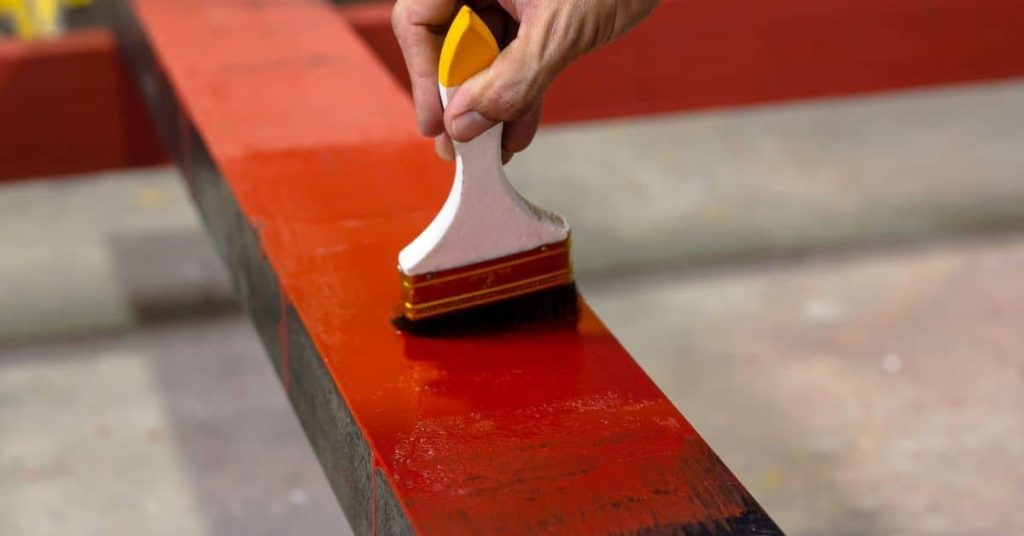
Hand painting metal beam with red primer brush

Painting Stainless Steel: Step-by-Step Timeline and Duration Guide

Introduction The process of painting stainless steel involves several steps that require careful timing to ensure a durable, long-lasting finish. Understanding the timeline and duration for each stage is crucial for planning your DIY project effectively. In this guide, we’ll walk you through the step-by-step process, including cleaning, etching, priming, painting, and curing, with approximate

Painting Stainless Steel: Step-by-Step Timeline and Duration Guide Read More »

White metal downspout gutter outdoors with tree and house siding

Plaster Patch Over Metal Lath: Preventing Rust Bleed and Using the Right Fasteners

Introduction A plaster patch over metal lath is a repair made by patching the damaged area with plaster or patch material over the metal lath to restore a smooth surface. The goal is to seal the patch and prevent rust bleed from the lath into the plaster. Check manufacturer guidelines for patch materials and compatible

Plaster Patch Over Metal Lath: Preventing Rust Bleed and Using the Right Fasteners Read More »

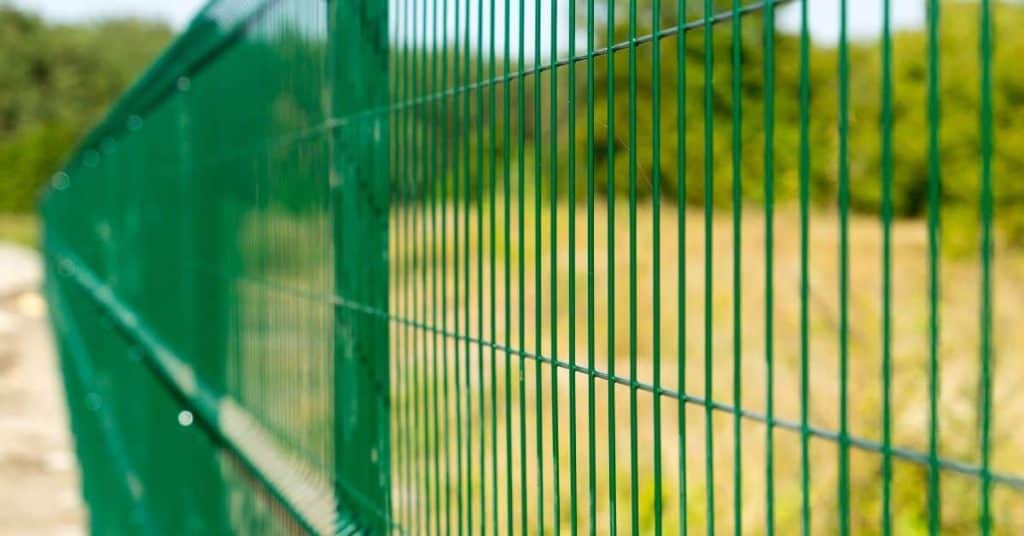
Green painted metal wire panel fence outdoors

Painting Galvanized Metal Outdoors: New vs. Weathered Zinc and Proper Primers

Introduction Galvanized metal is steel or iron coated with zinc to resist rust, and painting it outdoors requires the right primer and prep. Galvanizing can be done by hot-dip in zinc, which creates a sacrificial coating that will weather and may need surface prep before paint. New galvanized metal versus weathered material matters because the

Painting Galvanized Metal Outdoors: New vs. Weathered Zinc and Proper Primers Read More »

Row of modern industrial metal building units with large doors

Painting Over Rusty Metal Railings: Rust Converter vs. Full Removal (Decision Guide)

Introduction Painting over rusty metal railings means deciding between rust-conversion sealing or full removal. It covers how to prep the surface, what to expect from each method, and how a DIYer can approach the job safely. This guide keeps things practical and hands-on, without fancy jargon. When choosing, start with surface prep and then compare

Painting Over Rusty Metal Railings: Rust Converter vs. Full Removal (Decision Guide) Read More »

Vinyl corner bead strip with perforations beside orange safety mesh.

Corner Bead Choices: Metal vs. Vinyl vs. Paper-Faced (When Each One Wins)

Introduction Corner bead choices are metal, vinyl, or paper-faced trims used to form and protect drywall corners. Metal beads are sturdy, vinyl beads stay flexible, and paper-faced beads rely on drywall paper and mud to hold shape. This article keeps the talk practical for DIY installs. To pick one, consider where the corner will see

Corner Bead Choices: Metal vs. Vinyl vs. Paper-Faced (When Each One Wins) Read More »