
Introduction
Rust stains on stucco are iron marks that show up as reddish or orange streaks on the surface. This article explains how to remove those marks without harming the finish coat. You’ll learn practical, hands-on steps that you can try on your own wall.
Start by testing a small, hidden area to ensure the method won’t damage the finish. Use a gentle cleaner first and follow the product directions, then rinse thoroughly. If the stain sticks, don’t scrub hard—check the cleaner’s label or local rules, and consider getting professional guidance for safer options.
Key takeaways
- Inspect the finish and stain depth before choosing a cleaning method.
- Test cleaners on a hidden area to prevent damage or color change.
- Wear eye protection, gloves, and long sleeves when working near stucco.
- Start with milder methods, progressing to stronger options only if needed.
- Rinse and neutralize thoroughly, then verify stain removal without residue.
- Refinish with spot-priming and compatible sealant after stain removal to restore uniform color.
Table of Contents
- Introduction
- Key takeaways
- How Rust Stains Form on Stucco and Why They Matter
- Assess the Stain and the Condition of the Finish Before Cleaning
- Tools, Materials, and Personal Protection Checklist
- Step-by-Step, Low-Risk Removal Methods (Progress from Mild to Stronger)
- Rinsing, Neutralizing, and Verifying Results Without Harming the Finish
- Repair, Spot-Priming and Finish-Coat Restoration After Stain Removal
- Preventing Recurrence: Maintenance and Material Fixes
- Troubleshooting, Common Mistakes to Avoid, and When to Hire a Professional
- Conclusion
- FAQ
How Rust Stains Form on Stucco and Why They Matter
Iron can reach stucco finish coats from several sources, including fasteners, flashings, rain runoff, and metal outdoor furniture. When these metals corrode or contact moisture, iron ions can transfer to the surface. The staining may appear as orange-brown marks that can migrate or set into the finish over time.
The longer the stain sits, the more the finish can lose its uniform appearance and sheen. Left untreated, there is a risk of deeper discoloration and potential damage to the surface texture. Protecting the look of the stucco depends on understanding where the iron comes from and how it travels through the finish.
Common sources of iron contamination
Rust stains on your stucco can come from various sources. Here are the most common ones:
Corroding metal trim and flashings: These are usually found around windows, doors, and roof edges. They’re easy to spot as they’ll have visible rust streaks.
Nails and other fasteners: If not properly treated or covered, nails and screws can corrode over time, leaving rust marks on your stucco.
Roof runoff: Rainwater running off your roof can carry iron particles from the gutters or downspouts, especially if they’re made of metal. This is often seen near corners or where water tends to collect.
Metal furniture and equipment: Outdoor chairs, tables, or equipment stored against the house can also leave rust marks, especially after rain or when they get wet.
How stucco finishes react to rust
The way your stucco finish reacts to rust depends on the type of finish you have:
Cement-based finishes: These are less absorbent and less sensitive to iron staining. They’re made with cement, sand, and water, so they don’t readily absorb iron particles.
Lime-based finishes: Lime-based finishes are more absorbent than cement-based ones. They can absorb iron particles from rust, leading to stains that may be harder to remove.
Acrylic finishes: Acrylic finishes are the most sensitive to rust. They’re designed to be breathable and flexible, which makes them more susceptible to absorbing iron particles and turning those particles into visible stains.
Assess the Stain and the Condition of the Finish Before Cleaning
Start with a visual assessment of stain size, location, and how deep it looks. Note the finish type and any nearby materials that could affect cleaning results. Age of the stain helps determine which method to try first.
Test a small, inconspicuous area before committing to a full cleaning. Document or label the test results so you can compare later. This step reduces the risk of unintended damage to the finish.
Visual checkpoints and small test patch
Before you start scrubbing, take a moment to assess the stains and your stucco’s condition. This step helps prevent damage and ensures you’re using the right cleaning approach.
- Stain size: Measure the largest stain. Small spots need less aggressive treatment than large ones.
- Stain depth: Check if stains have penetrated deep into the stucco or are only on the surface.
- Stain location: Note if stains are near windows, doors, or other areas prone to water damage.
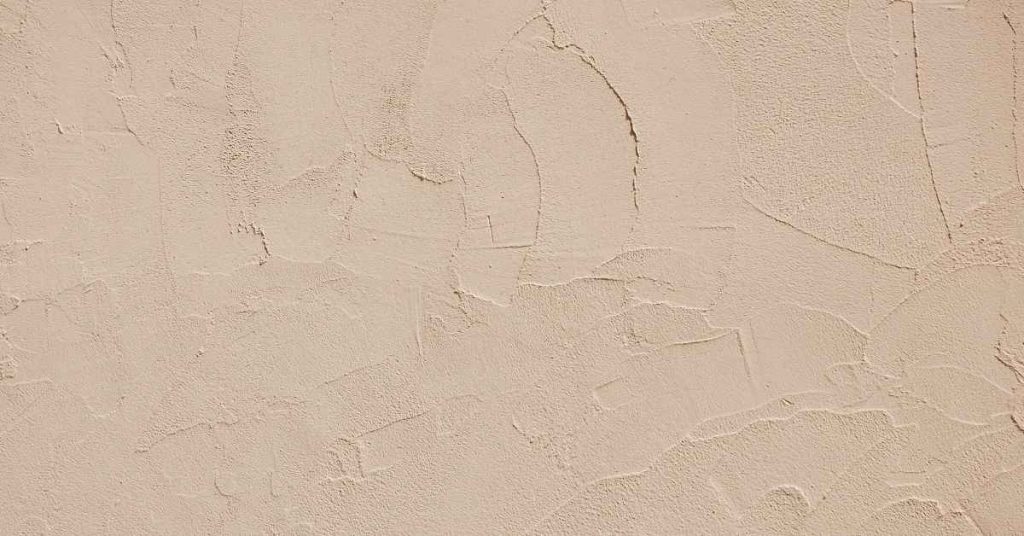
- Finish type: Identify if your stucco has a smooth, textured, or colored finish. Some finishes may be more sensitive to cleaning agents than others.
- Stain age: Older stains can be harder to remove and may require stronger chemicals.
- Adjacent materials: Check if stains are near other materials like brick, concrete, or metal that could react with your chosen cleaner.
- Inconspicuous test spot: Pick a small, hidden area for a test patch to see how your chosen cleaner reacts with your specific stucco finish.
- Cleaning approach: Based on your findings, decide if you’ll need mild cleaners, heavy-duty chemicals, or professional help.
Quick rule: Always test first to avoid damaging your finish coat.
When the substrate or finish may be structurally compromised
Sometimes, rust stains indicate deeper issues that cleaning alone can’t fix. Here’s how to spot potential problems:
Look for crumbling stucco, which could signal a weak substrate or improper installation.
Check for delamination, where the finish coat is peeling away from the substrate. This often happens when moisture gets trapped and causes the stucco to delaminate.
Deeply stained substrates may have structural issues. If stains penetrate deep into the stucco, it might be a sign of cracks or other damage that needs repair before cleaning.
Tools, Materials, and Personal Protection Checklist
Gather soft brushes, plastic scrapers, a garden hose, and masonry-safe rust cleaners. Include chelating agents and pH-neutral cleaners as options. Have buckets, tarps, and masking tape ready to protect surrounding surfaces.
Always wear PPE such as gloves and eye protection. Check the product label or manufacturer instructions for compatibility with stucco and finish coatings. Verify local rules if needed before using any chemical cleaner.
Choosing cleaners that are safe for stucco
Before you start cleaning, make sure to select the right products to avoid damaging your stucco finish.
- Check product labels: Look for cleaners labeled ‘masonry-safe’ or ‘stucco-safe’.
- Chelating agents: Use products containing oxalates, which are effective at removing rust without harming stucco.
- Avoid strong acids: These can damage the finish. Only use if tested on a small area first.
- Avoid abrasive powders: These can scratch the surface. Again, test on a small area before proceeding.
- Read Safety Data Sheets (SDS): Understand potential hazards and proper handling of each product.
- pH-neutral cleaners: For general cleaning after rust removal, use pH-neutral products to prevent further damage.
- Avoid bleach: It can discolor or damage stucco.
- Test first: Always test any cleaner on a small, hidden area before applying it to the entire stain.
Quick rule: When in doubt, test and follow label instructions to keep your stucco safe.
PPE and environmental containment
Protect yourself and the environment while cleaning rust stains from your stucco.
- Gloves: Wear rubber gloves to protect your hands from chemicals.
- Eye protection: Use safety glasses or goggles to shield your eyes from splashes.
- Respirator: If using strong cleaners, wear a respirator to protect against fumes.
- Old clothes: Wear old clothing that you can dispose of afterwards if necessary.
- Tarps: Lay down tarps to contain any runoff and prevent it from reaching plants or storm drains.
- Masking tape: Use masking tape to seal the edges of your tarps, preventing runoff from seeping underneath.
- Collect runoff: If possible, collect runoff in a bucket for proper disposal later.
- Avoid windy days: Clean on calm days to prevent dust or chemicals from being blown around.
Quick rule: Always prioritize safety and environmental responsibility during your cleaning project.
Step-by-Step, Low-Risk Removal Methods (Progress from Mild to Stronger)
Begin with dry brushing and rinsing to remove loose material and surface iron. Move to a mild, pH-neutral cleaner if the stain persists. Advance to a masonry-safe rust remover only after testing on a hidden area.
Use gentle agitation and rinse thoroughly between steps. Follow each product’s label directions and keep notes from your tests to guide the next action. Avoid aggressive approaches that could mar the finish.
Step-by-Step Cleaning Process
Follow this clear, numbered sequence to safely and effectively remove rust stains from your stucco without damaging the finish.
- Prepare the area: Clear debris, wear gloves, and protect nearby surfaces.
- Test a small patch: Apply your chosen cleaner on a hidden or inconspicuous spot to check for any adverse reactions.
- Dry brushing (if applicable): Gently remove surface deposits using soft-bristled brushes and plastic scrapers. Rinse thoroughly.
- Apply cleaner: Follow label instructions, ensuring even coverage and allowing the recommended dwell time.
- Agitate gently: Use a soft-bristled brush or cloth to lightly agitate the cleaner without scrubbing aggressively.
- Rinse immediately: Thoroughly rinse off the cleaner with clean water to prevent it from damaging the finish.
- Inspect and repeat (if necessary): Check your progress, and if stains persist, repeat the process with a stronger cleaner or additional applications, following label instructions.
- Final check and cleanup: Once all stains are removed, perform a final inspection and clean up the area.
Dry and mechanical methods first
Before resorting to chemicals, try these gentle, low-risk methods to remove surface deposits without harming your stucco finish.
Start by removing loose debris with a soft-bristled brush or plastic scraper. This helps expose the stains and prevents further damage.
Next, gently scrub the stained areas using a soft-bristled brush or cloth dampened with water. Be careful not to scrub too hard, as this can damage the finish.
Finally, rinse thoroughly with clean water to remove any remaining deposits and prepare the surface for chemical cleaning if necessary.
Using masonry-safe chemical cleaners
When mechanical methods aren’t enough, use a masonry-safe cleaner to tackle rust stains. Always follow label instructions for the best results.
First, apply the cleaner evenly across the stained areas using a sprayer or brush. Ensure full coverage and allow it to dwell on the surface as directed by the manufacturer.
Next, gently agitate the cleaner with a soft-bristled brush or cloth. Be careful not to scrub too hard, as this can damage the finish.
Finally, rinse immediately with clean water to remove the cleaner and any loosened stains. Keep in mind that repeated applications may have cumulative effects on the finish, so monitor your progress closely.
When and how to try stronger or repeated treatments
If mild methods aren’t effective, consider escalating your approach. Always test first and monitor the finish closely for any adverse reactions.
Before applying a stronger cleaner or repeating treatments, consult the manufacturer’s guidelines for your specific stucco finish. Some finishes may not tolerate repeated cleaning or stronger chemicals.
When testing, apply the cleaner to a small, hidden patch and allow it to dwell as directed. After rinsing, inspect the area closely for any signs of etching, softening, or discoloration. If you notice any issues, stop immediately and consider calling a professional.
If the test patch passes, proceed with stronger cleaners or repeated treatments, following label instructions and monitoring your progress carefully to prevent damage to your stucco finish.
Rinsing, Neutralizing, and Verifying Results Without Harming the Finish
Rinse the treated area with clean water from a controlled distance to avoid forcing cleaner into textures. If a cleaner requires neutralization, follow the specified steps and rinse again.
Check for stain reduction and preserve the finish sheen and texture. Allow the area to dry and perform a visual re-check before deciding on further action. Document any remaining concerns for later reference.
Rinse methods that protect texture and paint
After applying cleaner, it’s crucial to rinse carefully to avoid damaging your stucco finish. Use low-impact water flow from a garden hose or spray bottle.
Soft bristle brushes are ideal for scrubbing. They won’t erode the texture or remove paint like harder bristles might.
Check your pressure washer manual if you’re using one. Most have adjustable settings. Avoid high-pressure settings, as they can strip away finish and damage texture.
Post-cleaning inspection and repeat-treatment criteria
Before you decide to reapply cleaner or try a stronger one, wait at least 24 hours. This gives the stucco time to dry and the cleaner time to work.
- Check for stain removal: Look closely. If stains are still visible, consider another round of cleaning.
- Feel the surface: It should be dry. If it’s not, wait longer before reapplying.
- Inspect finish: Make sure no texture or paint has been damaged.
- Recheck substrate: Ensure it’s still structurally sound.
- Evaluate cleaner effectiveness: If the stain is gone, great! If not, consider a stronger cleaner next time.
- Avoid reapplying too soon: This can cause more harm than good. Patience is key here.
- Consider weather conditions: If it’s humid or raining, wait for drier weather before reapplying.
- Remember: Safety first– Always wear your PPE and contain any runoff.
Quick rule: If after two rounds of cleaning the stain persists, it might be time to call a professional. They have tools and knowledge you might not have.
Repair, Spot-Priming and Finish-Coat Restoration After Stain Removal
If stains persist in the substrate, consider spot priming to seal the area before finishing. Color-match and patch the finish coat to restore uniform appearance. In some cases, a full re-coat may be necessary to achieve even texture and color.
Ensure the repair materials are compatible with the existing finish and texture. Test patches and follow the coating manufacturer’s guidance for curing and adhesion. Prioritize blending and matching both color and texture for best results.
When to use a stain-blocking primer vs. re-coating
After removing rust stains from your stucco, you might wonder whether to apply a stain-blocking primer or recoat the entire surface. The answer depends on the condition of your finish.
Use a stain-blocking primer when:
- The finish is intact and only minor discoloration remains.
- You want to prevent any residual iron oxide from bleeding through the new paint.
Consider recoating when:
- The finish is damaged, faded, or inconsistent in color.
- You notice cracking, peeling, or other signs of deterioration.
Matching texture and color for small repairs
Repairing small areas on your stucco can be tricky. The key is to match the texture and color as closely as possible.
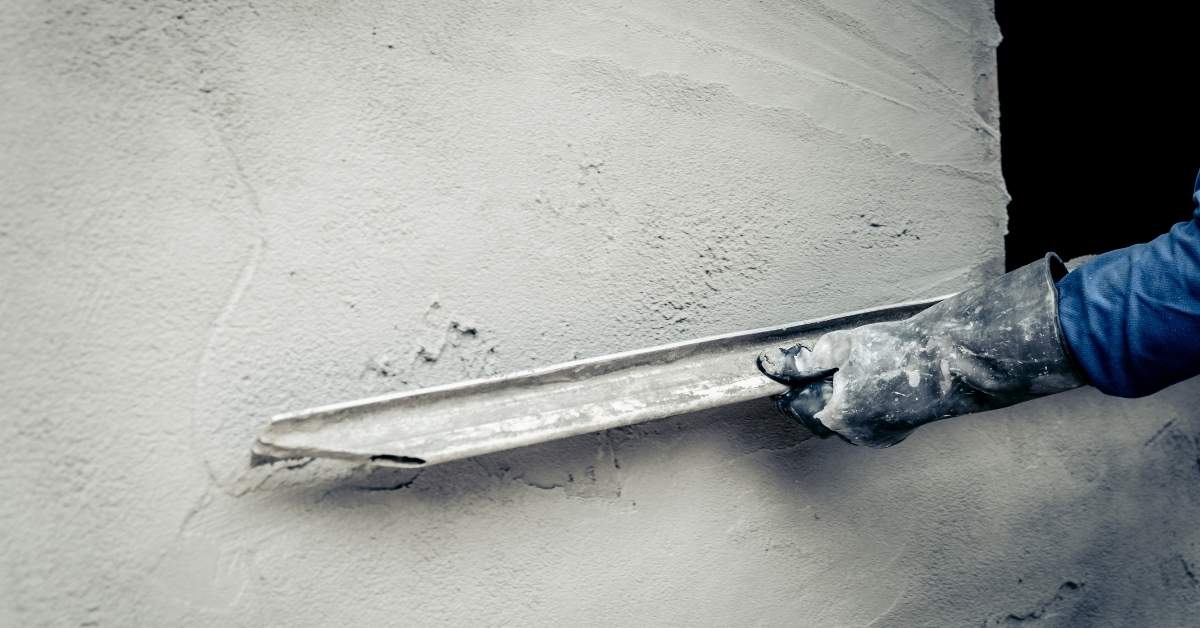
First, feather out the repair area using a drywall knife or trowel. This helps blend the new material with the existing finish.
Next, use matching texture tools. For example, if your stucco has a smooth finish, use a smooth trowel. If it’s textured, use a textured trowel or brush.
Before applying the new material, create test panels to compare colors and textures. If you’re unsure, don’t hesitate to consult a professional for larger or highly visible areas.
Preventing Recurrence: Maintenance and Material Fixes
Replace or paint corroding metal components that contribute iron to the system. Inspect and repair flashings, drip edges, and fasteners to reduce ongoing leakage. Manage landscaping to minimize iron-containing water splashes on the stucco surface.
Implement low-cost, repeatable maintenance steps to lower the chance of new stains. Schedule periodic inspections to catch issues early before they affect the finish. Keep records of past stains and fixes for reference.
Fixing the source: metal protection and flashing
Rust stains on stucco often come from corroding metal nearby. To stop them, you need to protect your metal and ensure proper drainage.
First, inspect all metal near your stucco. Look for rust, especially around nails, screws, or other fasteners. If you find any, replace them with stainless steel or galvanized ones. These won’t corrode and cause stains.
Next, check your flashings and drip edges. These are the metal strips that direct water away from your walls. If they’re damaged or missing, water can run down your stucco, leaving rust stains. Make sure they’re in good shape and directing water away from your home.
Lastly, consider applying a rust-inhibitive coating to any metal near your stucco. This won’t stop existing stains but will prevent new ones from forming.
Routine inspection and quick-response tips
Regular checks and quick action can keep rust stains at bay. Here’s a simple seasonal checklist:
- Spring: Inspect metal fasteners. Check all nails, screws, and other fasteners near your stucco for signs of corrosion.
- Summer: Look for water runoff. After heavy rains, check if water is running down your walls. If it is, you may need to adjust your landscaping or fix your gutters.
- Fall: Clean off any stains. Before winter, clean off any small rust stains that have appeared. This will prevent them from getting worse over the cold months.
- Winter: Check for ice dams. If ice forms at the edge of your roof and melts, it can run down your walls, causing stains. Make sure your gutters are clear and your roof is properly insulated.
Quick rule: When you spot a new stain, clean it off immediately. The sooner you act, the less likely it is to penetrate deep into your stucco.
Troubleshooting, Common Mistakes to Avoid, and When to Hire a Professional
Avoid using acids or aggressive cleaners that can damage the finish or alter texture. Don’t skip test patches or assume all rust cleaners behave the same on stucco. Beware of high-pressure washing that can erode finish or drive cleaners deeper into pores.
Know when to call a stucco or masonry professional: persistent staining, suspected substrate damage, or finish delamination. Have documentation ready about stain history to support warranties or contractor consultations.
Red flags that indicate professional intervention
If your rust stains are deep, penetrating the stucco’s finish coat, it might be time to call a pro. These stains could indicate structural damage or moisture issues behind the stucco.
Large areas affected by staining may also require re-coating, which is best left to experienced contractors. They have the tools and know-how to match your existing texture and color perfectly.
Persistent stains, despite your best efforts with dry methods or mild chemicals, are another sign you need professional help. Some stains just won’t budge without specialized equipment or techniques.
Questions to ask a pro or product manufacturer
Before hiring a contractor or using any cleaning products, ask questions to ensure you’re making the right choices for your home.
For contractors: Ask about their experience with stucco, their process for stain removal, and what kind of results they expect. Make sure they understand your specific finish type and can match it perfectly if re-coating is needed.
For product manufacturers: Inquire about the compatibility of their products with your finish coat, any expected outcomes or limitations, and how these cleaning efforts might affect your warranty. It’s always better to know upfront what you’re dealing with.
Conclusion
Acting now keeps the finish intact and the stain from spreading. Stay safe, test before you commit, and move methodically from mild to stronger steps only as needed.
Start by confirming the stain type and the finish condition in a small, hidden area. Proceed with the recommended sequence: set up protection, clean with approved mild methods, rinse thoroughly, neutralize, verify that the stain is gone without harming the finish, and repair or spot-prime if the coating shows wear. If any step risks lifting texture or color, pause and re-evaluate before proceeding.
Common mistakes to avoid include rushing to stronger cleaners without testing, skipping the rinse or neutralize step, and assuming the stain is gone without verifying the finish. Always wear eye protection and gloves, work in good light, use the smallest area first, and document results to guide the rest of the work. If you see cracking, peeling, or color change, stop and consider professional help rather than pushing on.
Call in a pro when the stain is embedded deep, the finish is compromised, or you’re unsure about patching and re-coating. With careful, staged steps and the right precautions, you can restore appearance and protect the stucco for years to come. You’ve got this—finish strong and keep the surface looking solid.
FAQ
What’s the best first move if I see rust stains on stucco?
Start with the mildest method you’re comfortable with and test a small, inconspicuous spot first. If the stain fades and the finish looks intact, you can proceed carefully across the area. If discoloration or damage appears, stop and reassess before continuing.
How can I tell if the stain is actively rust or just iron staining in the finish?
Active rust usually looks like orange or reddish-brown streaks with a clear source nearby. If you can wipe or scrub the stain and it keeps returning, it may be ongoing rust contact. If the stain only fades after cleaning and doesn’t reappear, it’s likely inert iron staining.
What cleaning steps are safe to try before calling a pro?
Begin with gentle cleaning and avoid harsh acids or abrasive scrubbing. Use a mild cleaner recommended for stucco and apply with a soft brush or cloth, then rinse with water. If the finish shows pinholes, flaking, or you see color transfer near the stain, stop and reassess.
When should I stop DIY and hire a professional?
Stop if the stain returns quickly after cleaning, if you notice cracking or softening of the finish, or if the source of moisture isn’t addressed. A professional can diagnose hidden rust sources, test repair options, and restore the finish properly.