Search Results for: andy concrete

Caulking gun applying expanding foam sealant in corner gap

Keeping Brick Sealant Lines Clean: Masking, Tooling, and Smear-Free Cleanup

Introduction Keeping brick sealant lines clean means masking, tooling, and cleanup practices that prevent smear. Masking the surround surface with tight edges helps you control where the sealant goes. Work in small sections and wipe excess before it skins. Keep a damp rag handy to clean up as you go and protect the brick face. […]

Keeping Brick Sealant Lines Clean: Masking, Tooling, and Smear-Free Cleanup Read More »

Power drill mixing gray cement in black bucket

Mixing Gypsum Basecoat for Patches: Water Ratios, Set Control, and No-Retemper Rules

Introduction Mixing gypsum basecoat for patches means preparing a plaster-like mix by combining gypsum with water to arrive at a workable, patch-ready consistency. Follow the product label and manufacturer instructions to determine the proper water amount and mix texture. Check local rules or codes if they govern patch work or setting times in your area.

Mixing Gypsum Basecoat for Patches: Water Ratios, Set Control, and No-Retemper Rules Read More »

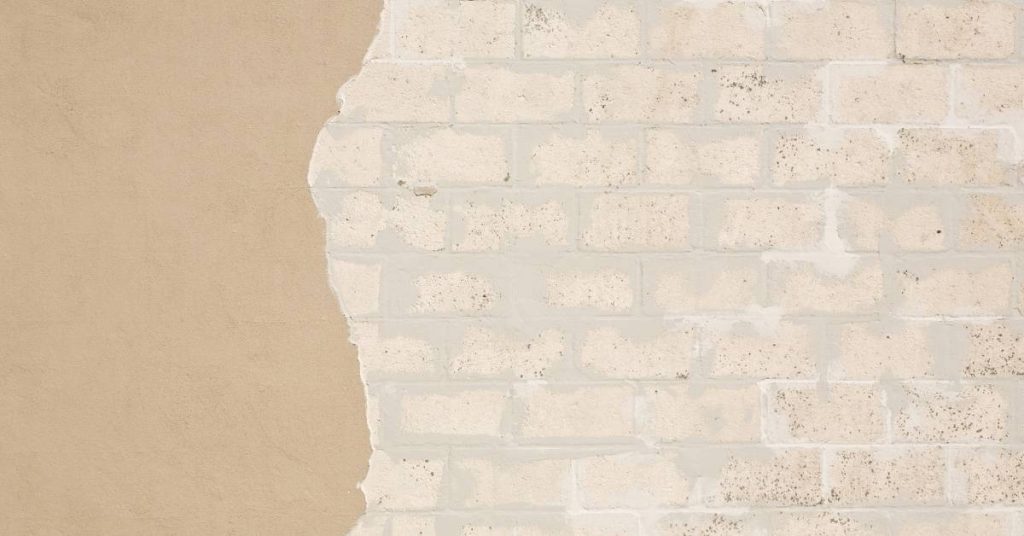
Partially removed stucco revealing brick wall underneath

Crumbling Stucco Bottom Edges: Rebuild Steps and Keeping the Base Dry

Introduction Crumbling stucco bottom edges are where the material pulls away from the base near the ground, often letting moisture into the wall. This article shows you how to inspect the problem, remove damaged stucco safely, and plan repairs in plain, hands-on terms. You’ll learn what to look for so you can decide what needs

Crumbling Stucco Bottom Edges: Rebuild Steps and Keeping the Base Dry Read More »

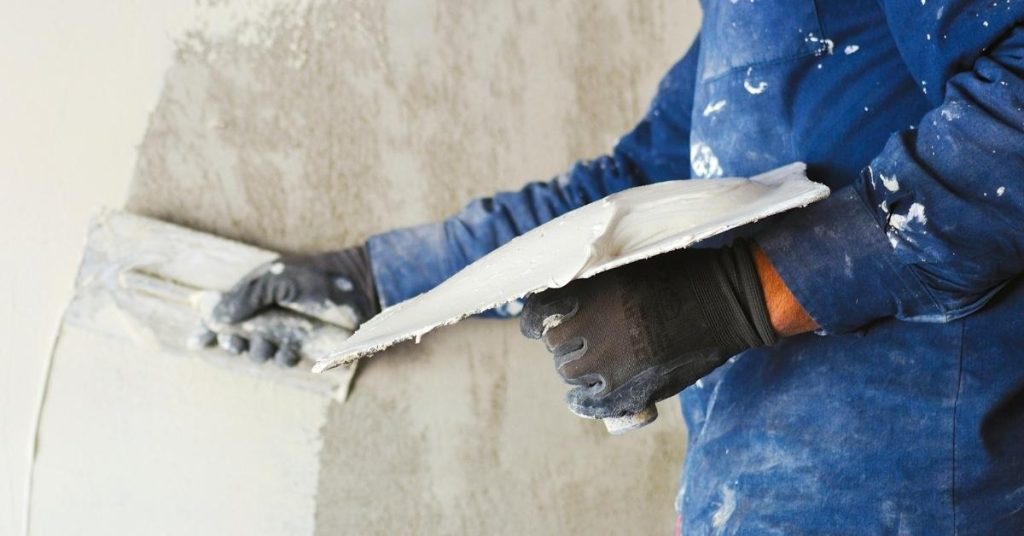
Worker applying plaster to wall with trowel and hawk

Venetian Plaster Over Existing Tile: Prep, Bond Bridges, and Edge Detailing

Introduction Venetian plaster over existing tile is applying plaster onto a tile surface to create a seamless, stone-like finish. Prep and bond are critical, because you’re sticking plaster to a non-porous base. You’ll need to clean, roughen, and seal as needed, then choose a compatible bonding product and follow its directions. Start with careful prep,

Venetian Plaster Over Existing Tile: Prep, Bond Bridges, and Edge Detailing Read More »

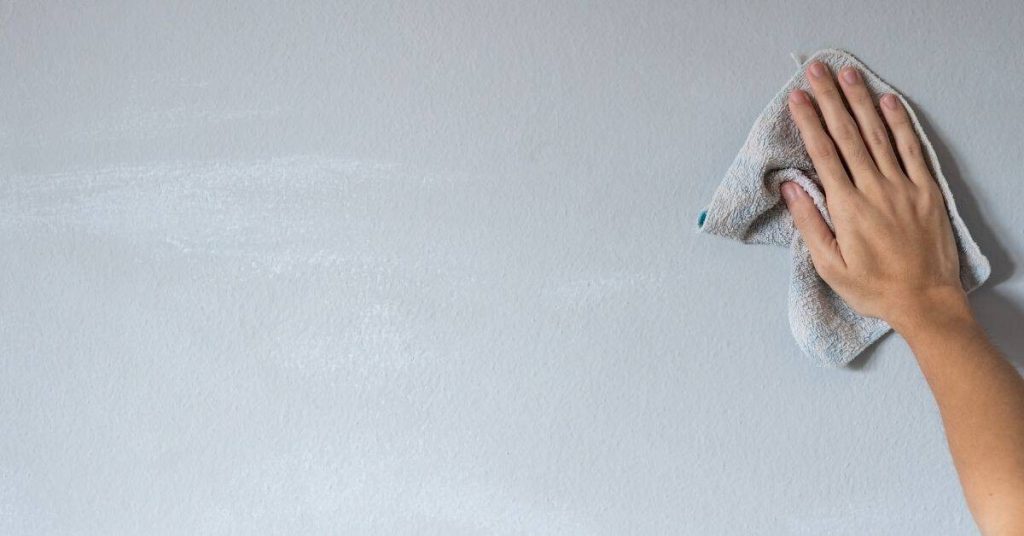
Hand wiping plaster wall with gray cleaning rag

Restoring Plaster After Smoke Damage: Cleaning, Sealing, and When Skims Won’t Bond

Introduction Restoring plaster after smoke damage means cleaning soot from surfaces, sealing with an appropriate primer, and addressing spots where skim coats won’t bond. This is a hands-on job you can tackle with basic tools, but you’ll need to verify suitability with product labels and local rules. Start with a gentle cleaning method that won’t

Restoring Plaster After Smoke Damage: Cleaning, Sealing, and When Skims Won’t Bond Read More »

Close-up of patterned decorative plaster with floral design

Patterned Decorative Plaster Patches: Aligning Repeats and Hiding Seams

Introduction Patterned decorative plaster patches are small, repeatable designs applied to damaged plaster to create a seamless look. The goal is to line up the pattern so the patches blend with the surrounding wall and hide the seams. Work with the existing texture and color as a guide. Start by cleaning the area and roughing

Patterned Decorative Plaster Patches: Aligning Repeats and Hiding Seams Read More »

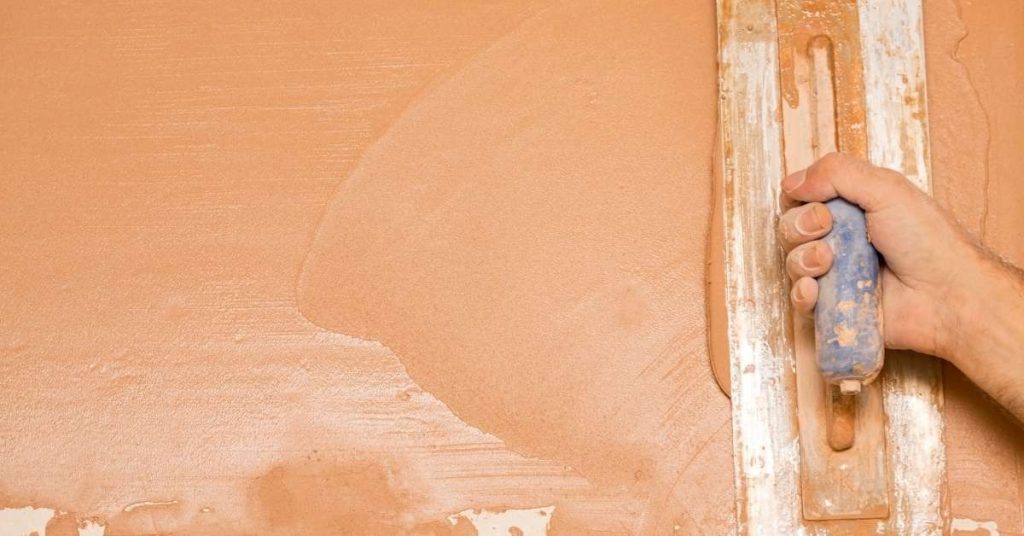
Hand applying brown stucco coat with trowel on wall

Stucco Over AAC or Soft Masonry: Suction Control and Base Coat Choices

Introduction Stucco over AAC or soft masonry requires managing suction and choosing a suitable base coat to ensure a durable finish. Prepare the substrate properly and assess suction levels before applying any finish coat. Always check the product labels and manufacturer instructions for compatible base coats and local requirements. Practice proper application techniques for plaster

Stucco Over AAC or Soft Masonry: Suction Control and Base Coat Choices Read More »

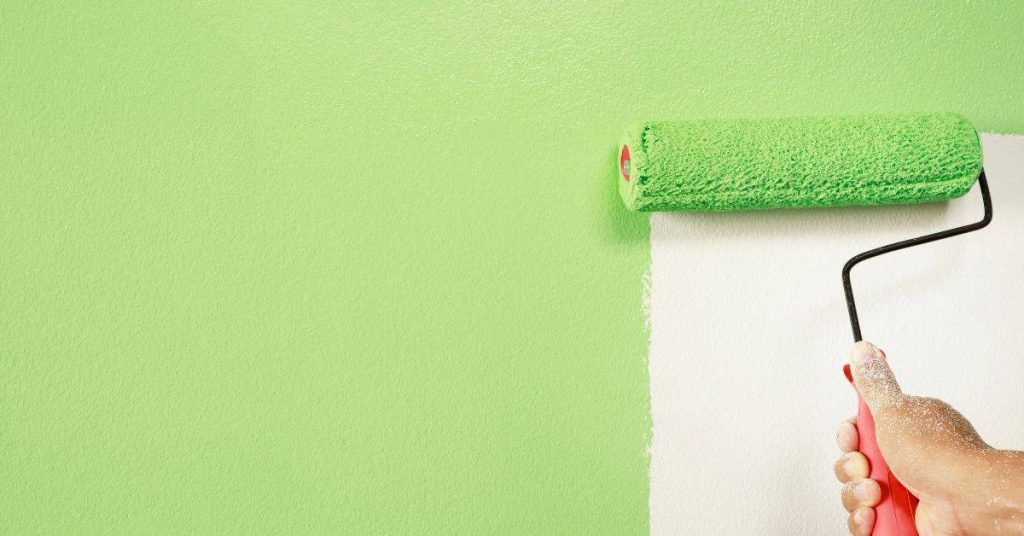
Hand applying green paint to white wall with roller

Roller-Applied Base Coats for Plaster Skims: When They Improve Flatness

Introduction Roller-applied base coats are thin plaster coats spread with a roller to help flatten and level a wall before the final skim. This approach is done after the substrate is prepped and dampened as needed. It gives you a smoother starting surface, but it isn’t a substitute for proper substrate prep or final finishing.

Roller-Applied Base Coats for Plaster Skims: When They Improve Flatness Read More »

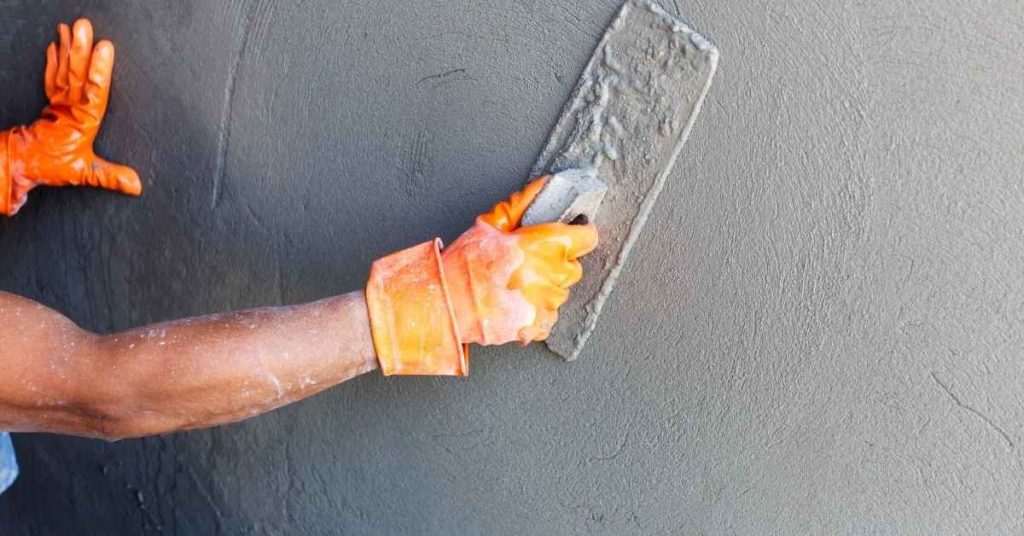
Worker smoothing wet plaster on wall with trowel wearing orange gloves

Plaster Blisters from Trapped Moisture: Drying Strategy Before You Re-Skim

Introduction Blisters in plaster happen when moisture is trapped behind the skim coat, causing bubbles. Before you re-skim, the goal is to dry out the area and reattach loose material. Check the plaster surface for loose edges and follow manufacturer instructions or local rules for drying. Give the area plenty of ventilation and use gentle

Plaster Blisters from Trapped Moisture: Drying Strategy Before You Re-Skim Read More »