
Introduction
Restoring plaster after smoke damage means cleaning soot from surfaces, sealing with an appropriate primer, and addressing spots where skim coats won’t bond.
This is a hands-on job you can tackle with basic tools, but you’ll need to verify suitability with product labels and local rules. Start with a gentle cleaning method that won’t push soot deeper, then test a small area before committing to a full skim or seal. If a skim won’t bond, identify the underlying issue and follow the manufacturer’s instructions for prep, primers, and any surface conditioning steps.
Key takeaways
- Assess plaster type and moisture before cleanup or sealing; different plasters behave differently.
- Ventilate area thoroughly and wear PPE; avoid smoke inhalation and dust exposure.
- Test adhesion, moisture, and residue before deciding skim coat or replacement.
- Clean soot with gentle, compatible cleaners; protein residues require proper rinse, not harsh scrubbing.
- Choose sealers and primers compatible with plaster and finish; follow label guidance.
- Skimming failures often due to poor surface prep; fix by addressing moisture, adhesion, and dust.
Table of Contents
- Introduction
- Key takeaways
- How Smoke Affects Different Plaster Types
- Safety, Ventilation, and PPE Before Any Work
- Inspection and Testing: Adhesion, Moisture, and Residue Checks
- Cleaning Strategies for Soot and Protein Residues
- Sealing and Priming: Options, Compatibility, and Application
- Skimming Failures — Root Causes and Fixes
- Repair Options: Spot Repair, Full Skim, or Removal and Replacement
- Tools, Materials Checklist and Visual Checkpoints
- Conclusion
- FAQ
How Smoke Affects Different Plaster Types
Soot, acidic residues, and heat don’t affect gypsum, lime, and traditional hard plaster the same way. Each material responds to moisture, cleaning solutions, and abrasion differently, so the substrate choice drives your approach. The underlying binder and porosity set the stage for cleaning and repair decisions.
Knowing which plaster type you’re dealing with helps you pick compatible products and methods. A mismatch can cause bond loss, staining, or surface crazing, so verify the plaster type and any historical mixes before you start. Check labels, manufacturer instructions, and local guidelines to confirm suitable cleaners and primers for each substrate.
Common smoke residues (soot, protein, nicotine)
Smoke damage leaves behind various residues that affect your plaster differently. Let’s break them down:
Soot is dry and powdery, turning walls grey or black. It’s easy to clean but can clog pores in traditional plasters.
Protein-rich residues from hot fires are sticky and brown. They stain easily and make surfaces tough to clean. Nicotine films are oily and yellowish, causing discoloration and poor adhesion for new plasterwork.
Physical damage from heat and fire
Heat from fires causes physical damage to your plaster:
Cracking: High temperatures cause plasters to shrink and crack. You’ll see hairline cracks or larger ones, depending on the severity.
Delamination: Heat can make layers of plaster peel away from each other or the substrate. Tap gently – if it sounds hollow, there’s delamination.
Spalling: Severe heat causes chunks to break off (spall) from the surface. This is serious structural damage that needs immediate attention.
Safety, Ventilation, and PPE Before Any Work
Open any work area to promote air movement and reduce smoke particulates. Use a respirator or appropriate mask, eye protection, and gloves at all times. Contain work to limit soot tracking and potential cross-contamination.
Ask about hazardous materials if the building is old or shows signs of lead paint or asbestos. Test or confirm with the right professionals before disturbing materials, and follow label directions for all products and local rules for containment and disposal.
Containment and minimizing cross-contamination
First things first, you don’t want to spread soot around your home. Set up a work zone at the affected area’s entrance.
Use plastic sheeting to create a barrier. Seal it tightly with tape at the top and bottom. This helps contain the mess within the work zone.
Negative-pressure ventilation is crucial. It sucks air out of the room, preventing soot from migrating to unaffected areas. Use a HEPA vacuum and fans set up in doorways or windows to achieve this.
When to call a professional (hazardous materials, structural risk)
Some jobs are best left to the pros. Your safety and your home’s integrity depend on it.
- Suspected asbestos/lead: If your home was built before 1978, there could be asbestos or lead. Don’t risk exposure. Hire certified abatement specialists.
- Widespread structural compromise: Fire can weaken walls and ceilings. If you see cracks, sagging, or other signs of damage, call a structural engineer before proceeding.
- Persistent toxic odors: Smoke can leave behind harmful chemicals. If smells linger after cleaning, it’s time to bring in professionals with specialized equipment.
- Mold growth: Smoke and water damage create ideal conditions for mold. If you see or smell mold, call a professional.
- Extensive damage: If more than 50% of the plaster is damaged, it’s often best to replace rather than repair. Consult with a contractor.
Inspection and Testing: Adhesion, Moisture, and Residue Checks
Systematically probe the plaster for soundness, listening for hollow spots and watching for powdering edges. Check for hidden moisture by feel and by simple moisture indications in suspicious areas. Map visual residues to focus cleaning and repair priorities.
Perform basic adhesion checks on small patches to gauge how well surfaces bite into primers and coatings. Use moisture testing as a guide, and keep notes on suspect zones so you don’t miss lingering dampness or film buildup.
Simple adhesion and soundness tests
Before skimming, check your plaster’s adhesion and soundness. These quick tests help spot delamination issues.
- Knife scrape: Gently scrape the surface with a sharp knife. If it peels off easily, you’ve got delamination.
- Tap testing: Tap the plaster with a hammer or knuckle. Hollow sounds indicate loose material.
- Small pull-off test: Stick a piece of tape on the surface, then pull it off quickly. If paint comes off with it, that’s bad news.
- Check for cracks: Inspect for hairline cracks or larger ones. They can compromise adhesion.
- Feel for soft spots: Press firmly on the plaster. Soft areas might be signs of damage.
- Look for discoloration: Dark patches could indicate moisture or other issues affecting adhesion.
- Test with a magnet: If it sticks, that’s a sign of rust behind the plaster – a big problem.
- Check corners and edges: These areas are often weak points. Make sure they’re solid.
Quick rule: If you find any issues, address them before skimming to avoid costly rework.
Moisture and odor assessment
Before you start repairs, check for moisture and odors. These can prevent bonding and cause future issues.
- Use a moisture meter: Insert probes into the plaster to measure moisture levels. High readings mean trouble.
- Smell test: Sniff around. Musty or unpleasant odors could indicate trapped moisture or mold.
- Check behind furniture: Move heavy items and inspect for hidden moisture or damage.
- Look under sinks: Check plumbing areas for leaks that might be affecting the plaster.
- Inspect around windows and doors: These areas can be prone to condensation and moisture buildup.
- Test with a piece of tissue paper: Stick it on the wall. If it stays damp, there’s too much moisture.
- Check for efflorescence: White powdery deposits could mean rising damp or other moisture issues.
- Feel for cold spots: These can indicate moisture behind the plaster.
Quick rule: If you find high moisture levels or strong odors, address these issues before proceeding with repairs to prevent bonding problems and health risks.
Cleaning Strategies for Soot and Protein Residues
Start with dry removal to reduce spread: HEPA vacuum and dry sponges in a gentle touch. Work gradually to lift loose soot and protein films from the surface without digging into the plaster.
Move to damp cleaning with appropriate detergents or solutions, following product instructions. For protein or grease films, consider targeted solvent or oxidation treatments and verify compatibility with the substrate and any primers you plan to use.
Dry-cleaning and HEPA vacuuming
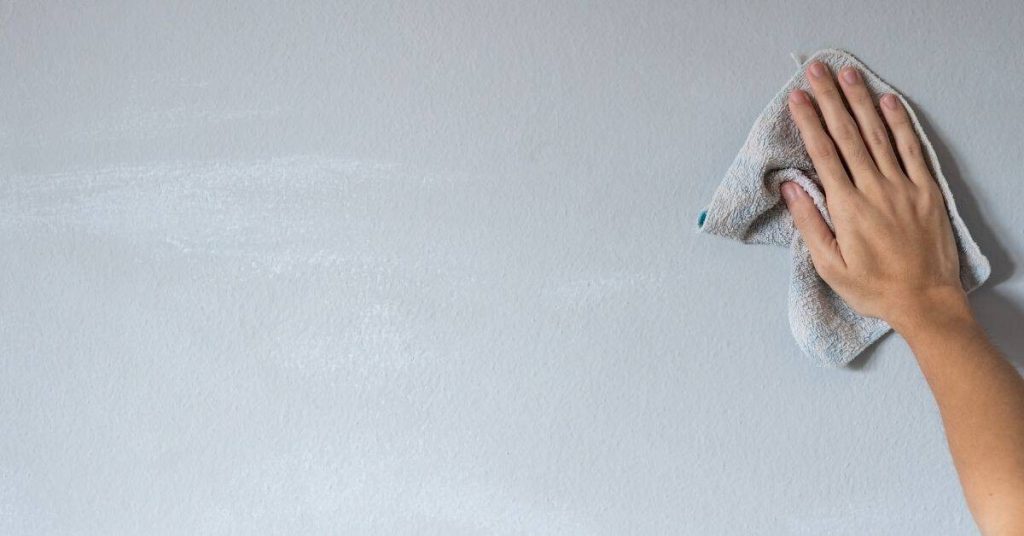
Start by dry cleaning your plaster surfaces to remove loose soot. Use soft, dry sponges or cloths to gently wipe away residue.
Why dry first? Dry cleaning preserves the integrity of the plaster. Wet cleaning can cause residues to re-emulsify and spread, making them harder to remove.
After dry cleaning, use a HEPA vacuum to suck up remaining particles. These vacuums have high-efficiency filters that trap tiny particles, preventing them from being blown back onto surfaces or released into the air.
Wet cleaning and detergent selection
Once dry cleaning is complete, move on to wet cleaning. Use a soft-bristled brush or cloth dampened with water and a mild detergent.
Choosing detergents: Opt for neutral-pH, low-foaming detergents designed for plaster cleaning. Avoid harsh chemicals that can damage plaster or cause discoloration.
Dilute detergents according to the manufacturer’s instructions. Overwetting plaster can cause it to soften and crumble, so be careful not to use too much water.
Tackling stubborn protein or nicotine staining
Some residues, like protein-rich films or nicotine, require targeted treatments. Start with an oxidation agent, like hydrogen peroxide, to break down these tough stains.
Specialty cleaners: If oxidation isn’t enough, try a specialty cleaner designed for protein or nicotine removal. Always test these products on a small, inconspicuous area first to ensure they don’t damage your plaster.
For particularly stubborn stains, consider solvent-based cleaners. These should be used as a last resort and only after consulting with the manufacturer about safety guidelines. Never mix cleaning agents together without proper knowledge of their chemical reactions.

Sealing and Priming: Options, Compatibility, and Application
Evaluate stain-blocking systems such as shellac-based, oil/alkyd primers, high-performance waterborne stain-sealers, and epoxy or urethane primers. Choose based on the type of residue and how porous the plaster is.
Match the primer to the substrate and residue, and test a small patch first. Read label guidance for application, cure times, and any compatibility notes with subsequent coatings.
When to use shellac or alcohol-based sealers
Alcohol-based and shellac sealers are your go-to for heavy staining. They’re designed to penetrate deep into the plaster, binding with the residue and preventing it from bleeding through subsequent coatings.
Why choose them? These sealers work well on porous surfaces, like old or damaged plaster. They’re also great when you’ve got a mix of residue types – soot, protein, nicotine – as they can tackle most stains.
However, keep in mind that these sealers have a strong odor and require proper ventilation. Also, they might not be the best choice if you’re looking for a quick turnaround, as they take longer to dry compared to other options.
Waterborne vs. solvent primers: pros and cons
Choosing between waterborne and solvent-based primers depends on your specific needs. Both have their advantages and disadvantages.
Pros of Waterborne Primers
- Low odor, making them safer to use indoors
- Fast drying time, allowing for quicker progress
- Good adhesion properties, ensuring a strong bond with the plaster
- Easy clean-up with just water
Cons of Waterborne Primers
- May not be suitable for heavily stained or porous surfaces
- Requires compatible topcoats to avoid issues
- Performance may degrade if not stored properly
- Limited stain-blocking capabilities compared to solvent-based primers
On the other hand, solvent-based primers offer excellent stain blocking and adhesion but come with a strong odor and slower drying time. Always test your chosen primer on a small patch first to ensure compatibility with your specific plaster and residue type.
Skimming Failures — Root Causes and Fixes
Common failures come from contamination, residual smoke film, trapped moisture, poor key, or incompatible primers. Each issue can prevent a new skim coat from bonding and leveling properly. Identifying the root cause guides targeted corrections.
Contamination may require cleaning or surface preps; residual film often needs solvent or oxidation steps; moisture requires drying and re-testing; a poor key may need surface profiling or fresh primer before retrying. Align fixes with the specific failure to restore bond and finish.
Mechanical preparation and achieving adequate key
Before applying a new skim coat, you need to prepare the surface mechanically. This means removing any loose plaster and creating a ‘key’ for the new material to bond with.
Start by scraping off any loose or crumbling plaster using a sharp scraper. Be thorough but careful not to damage the underlying substrate.
Creating a key is crucial. You can do this in two ways:
– Scarifying: Use a scarifier tool to create small grooves or ‘keys’ on the surface. This increases the surface area and helps the new plaster adhere better.
– Key coats: Apply a thin layer of plaster, let it set slightly, then score it with a trowel before it dries completely. This creates a textured surface for the new skim coat to bond with.
In some cases, you might need to use bonding slurries or primers to improve adhesion. Follow the manufacturer’s instructions for these products.
Dealing with residual contaminants and salts
Smoke damage often leaves behind residues that can prevent new plaster from bonding properly. These include soot, protein residues, and even efflorescence – salt deposits left by moisture.
First, clean the surface thoroughly using the methods outlined earlier in this article. Remember to test for moisture and ensure it’s dry before proceeding.
Neutralizing salts: If you find efflorescence, you’ll need to neutralize these salts before re-plastering. Use a solution of muriatic acid (hydrochloric acid) diluted with water (about 1 part acid to 5 parts water). Apply it sparingly with a brush, rinse well, and allow the surface to dry.
After cleaning and neutralizing, apply a suitable sealer to lock in any remaining contaminants and provide a better base for your new skim coat. Follow the manufacturer’s instructions for application and drying times.
Repair Options: Spot Repair, Full Skim, or Removal and Replacement
Decide based on the extent of damage, plaster thickness, lath condition, odor persistence, and recurring staining. Small areas may be spot repaired, while larger zones demand skim coats or more extensive work. Consider full removal and rebuild if damage is widespread or performance is compromised.
Use a structured decision path: assess structural integrity first, then surface condition, and finally odor or stain recurrence. Document each step so you know when a partial repair is no longer viable and what scope is required for a durable result.
Best practices for patching and feathering skims
Prepping the substrate is key. Scrape off loose material, then sand to create a good key.
Use a suitable base coat, like PVA or a bonding primer, before applying your first skim. This ensures better adhesion.
Build up layers gradually – no more than 3mm at a time. Let each layer cure properly before adding the next. This prevents cracking and promotes durability.
Feathering the edges is crucial to blend repairs with surrounding plaster. Use a wide trowel, working outwards from the repair area.
When to remove plaster and start over
If plaster is widespreadly delaminating, it’s best to remove it all. Patching won’t solve the underlying issue.
Plaster that’s become brittle or crumbles easily is another sign you need to start fresh. It won’t hold up under further skimming.
Rotted lath also warrants removal. You can’t trust a support system that’s failed like this.
Persistent contamination or odor, despite your best efforts at remediation, indicates that removal is necessary. These issues won’t go away with just a skim coat.
Tools, Materials Checklist and Visual Checkpoints
Keep a practical set of tools handy: cleaning supplies, PPE, primers, plastering tools, containment materials, and a camera to record progress. Maintain a running list to avoid missing items during the job sequence. Photograph key stages as references for future touch-ups.
Note visual checkpoints at each stage: surface cleanliness, key quality, moisture status, primer adhesion, and skim coat uniformity. Use these observations to guide next steps and verify readiness before moving to the next phase.
Tools and materials for cleaning and plaster repair
Before you start, make sure you have all the necessary tools and materials to ensure a successful restoration.
- HEPA vacuum: To remove dry soot and dust. Don’t skip, or you’ll spread contamination.
- Dry sponges: For gentle dry cleaning of surfaces. Wrong ones can cause damage.
- Brushes: Soft-bristled for delicate cleaning. Hard bristles can scratch the surface.
- Approved cleaners: Choose the right one for your smoke damage. Incompatible cleaners can cause bonding issues.
- Respirator: Protect yourself from harmful particles. No respirator means potential health risks.
- Plastering trowels: Various sizes for different stages of application. Missing one might hinder progress.
- Hawk: Essential for mixing and carrying plaster. Without it, mixing and applying will be messy.
- Bonding agents: To ensure new plaster adheres to old. Skipping this can lead to delamination.
- Test materials: Always test on a small area first. Not testing can result in costly mistakes.
Quick rule: Verify product compatibility before starting any work.
Visual checkpoints and documentation
Documenting your progress helps ensure you’re on the right track. Here’s what to photograph, note, and keep record of.
- Before/after photos: Take pictures before cleaning and after each stage. Helps track progress and identify issues.
- Test patch records: Note down test patch results. Missing this can lead to repeated failures.
- Label/spec documentation: Keep records of primers, cleaners used. Losing these can cause confusion later on.
- Visual signs of readiness for skimming: Check for dryness, no active contaminants. Skimming too early can result in poor bonding.
Quick rule: Regular documentation helps catch issues early and ensures consistent results.
Conclusion
Safety first drives a durable, good-looking result. If you clean, seal, and skim in the right order and test as you go, you protect the structure and your wallet from costly rework.
Proceed with a simple, steady checklist: ventilate and wear PPE, test adhesion, moisture, and residue in a small area, identify the plaster type, choose appropriate cleaning for soot and protein residues, dry thoroughly, apply a compatible sealer or primer, decide on spot repair or full skim or removal if needed, and recheck adhesion and moisture before finishing.
Avoid these common missteps: skip the tests or ignore moisture and residue checks, use the wrong primer or sealer for your plaster type, over-wet patches or skims, rush through cleaning or skim planning, or skip drying time. Keep a lid on moisture, stay within the products and methods discussed, and work in controllable stages. If you encounter persistent odor, damp areas, flaky patches, or unusual plaster mixes, pause and reassess before continuing.
When in doubt, bring in a professional for advice or hands-on work—especially for large areas, unclear plaster types, or signs moisture and structural issues. With careful testing, proper sealing, and deliberate repairs, you can restore appearance and integrity without unnecessary risk. Stay methodical, stay safe, and you’ll finish with solid results you can trust.
FAQ
Why might plaster refuse to bond after a skim repair?
If the surface still has oil, soot, or protein residue, the new skim won’t grab. Clean well, roughen the surface, and use a bonding primer or conditioner approved for plaster. If it still won’t bond after following manufacturer instructions, consider removing the skim and re-scorching the surface or replacing the damaged area.
How do I know the wall is dry enough before sealing or finishing?
Moisture affects bonding and finish quality. Use the test methods recommended by the product you’re using and follow local guidelines for when the surface is dry. If in doubt, wait longer or dry with proper ventilation and re-test before sealing.
What sealer should I use over smoke-damaged plaster?
Pick a sealer that’s compatible with plaster, the type of finish you’ll apply, and the residue on the surface. Read the label for protein or oil resistance and any recoat limits. Do a small test patch and follow up with the rest of the area if it behaves well.
What signs tell me it’s time to re-skim or replace the plaster?
If adhesion is poor, skim keeps peeling after prep, or cracks keep appearing after finishing, something basic is wrong with the substrate or prep. Consider removing the damaged skim area and re-skim, or replacing that section of plaster if adhesion won’t hold after proper cleaning and priming.