Search Results for: andy concrete

Hand in pink glove scrubbing stucco wall with brush

Algae on Stucco: Cleaning Methods That Don’t Bleach Color or Etch Finish

Introduction Algae on stucco is algae growth that appears as green or dark spots on the surface. Identify it by color, texture, and where it’s growing, especially in shaded or damp areas. This guide keeps things simple for DIY homeowners and avoids bleaching or etching. Use safe cleaners that are milder than bleach and follow […]

Algae on Stucco: Cleaning Methods That Don’t Bleach Color or Etch Finish Read More »

Mortar mixing bucket with drill mixer attachment and tools inside

Brick Mortar Mixing in Small Batches: Consistent Water, Consistent Results

Introduction Small-batch brick mortar mixing means keeping the same amount of water in each mix so the mortar behaves the same every time. That consistency helps you get uniform workability and a solid mortar bed. Work in clean buckets, keep tools handy, and adjust only as needed to maintain that consistent texture. To keep batches

Brick Mortar Mixing in Small Batches: Consistent Water, Consistent Results Read More »

Worker smoothing plaster on wall with trowel

Curved Wall Plaster Repairs: Feathering Without Creating Flat Spots

Introduction Feathering curved wall plaster repairs means blending new plaster into a curved surface so the seam disappears. Keep the edges thin and gradually widen the feather so you don’t leave a detectable transition. Check the work by stepping back and looking for a consistent curve and light reflections. Use a light touch and work

Curved Wall Plaster Repairs: Feathering Without Creating Flat Spots Read More »

Close-up of textured white plaster wall surface

Finding Studs Behind Plaster and Lath: Magnets, Probing, and Avoiding Wire Hits

Introduction Finding studs behind plaster and lath means locating the wall framing behind the plaster so you know where to anchor. In practice, DIY folks use magnets to find fasteners and then verify with a probing method to confirm stud depth. This approach helps you avoid guessing and reduces the risk of drilling into wires

Finding Studs Behind Plaster and Lath: Magnets, Probing, and Avoiding Wire Hits Read More »

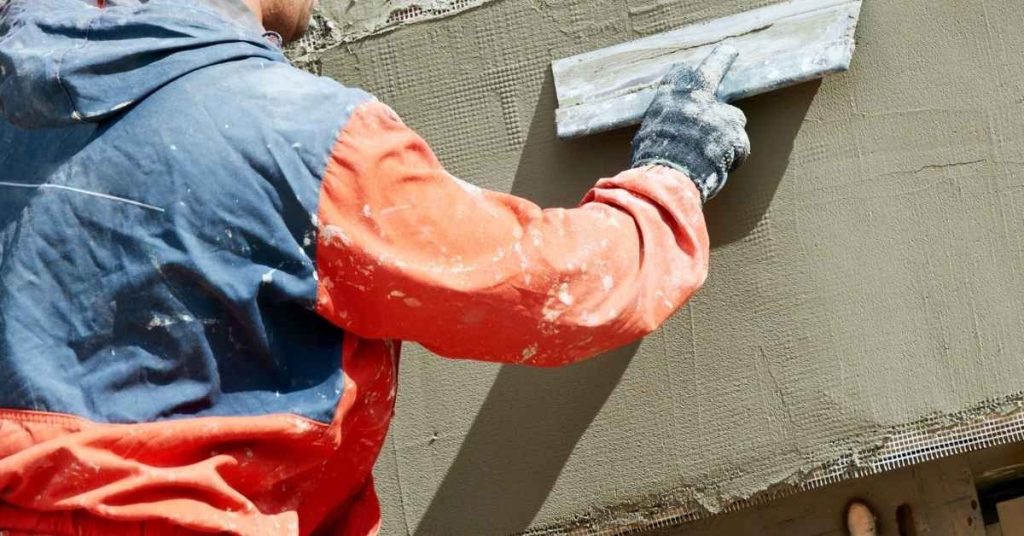
Worker applying fresh stucco with trowel to wall surface

Soft Stucco Diagnosis: Probe Tests to Separate Erosion from Lath Failure

Introduction Soft stucco indicates exterior plaster that feels soft or hollow, signaling potential erosion or lath failure. You’ll see blistering, crumbling edges, or patches where the wall sounds hollow when tapped. This intro helps you spot trouble before you rip into major repairs. Probe tests involve gently tapping or lifting at suspect spots to feel

Soft Stucco Diagnosis: Probe Tests to Separate Erosion from Lath Failure Read More »

Person applying stucco to wall with trowel

Stucco Window Sills Done Right: Slope, End Dams, and Rot Prevention

Introduction This is about making stucco window sills that shed water properly and resist rot. You’ll focus on the right slope, install end dams, and plan for long-lasting rot prevention. Tackle it like a practical DIY project with common tools and careful flashing. Choose materials and details that stand up to moisture, and verify with

Stucco Window Sills Done Right: Slope, End Dams, and Rot Prevention Read More »

Exterior building wall with scaffolding and stucco application in progress

Stucco Lath Fasteners That Last: Corrosion, Length, and Avoiding Loose Walls

Introduction Stucco lath fasteners are the hardware that attach exterior stucco lath to the framing and keep the wall solid. They come in several styles for different substrates, so you should pick ones that fit your lath and backing material. Check the label or manufacturer guidance to ensure corrosion resistance and proper compatibility with your

Stucco Lath Fasteners That Last: Corrosion, Length, and Avoiding Loose Walls Read More »

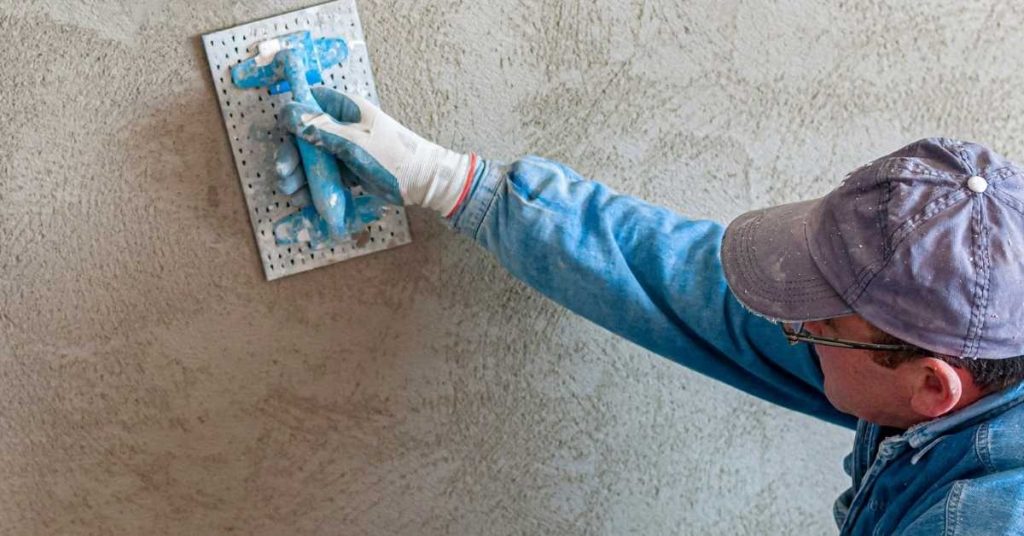
Worker applying stucco texture with a blue float tool

Sand Float Stucco Texture Matching: Tool Angles, Timing, and Avoiding Shine

Introduction A sand float stucco texture is a lightly rough, matte finish achieved by floating mortar with a sanded tool to create texture. This article covers practical techniques and the feel of the finish when you’re applying it on a DIY project. It stays away from glossy shine and aims for a consistent, hand‑worked look.

Sand Float Stucco Texture Matching: Tool Angles, Timing, and Avoiding Shine Read More »

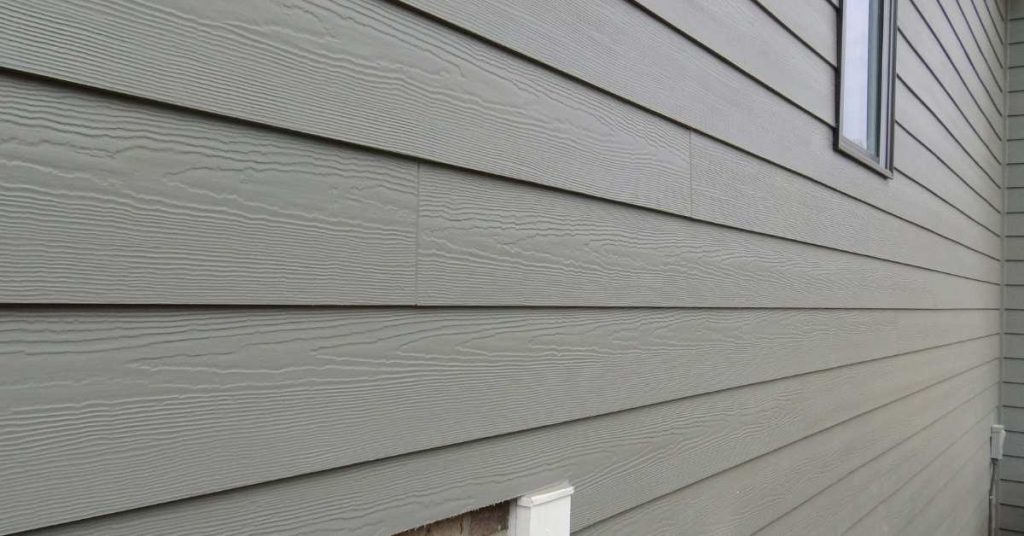
Close-up of beige fiber cement siding on house exterior

Fiber Dispersion Tricks: Preventing Clumps Without Overmixing and Entraining Air

Introduction Fiber dispersion tricks are techniques to evenly distribute reinforcing fibers in a concrete mix without forming clumps or introducing excess air. The goal is a smooth, consistent mix that holds fibers where they belong. Follow the manufacturer’s guidance on when and how to add fibers to avoid guessing. Start by following the fiber label

Fiber Dispersion Tricks: Preventing Clumps Without Overmixing and Entraining Air Read More »

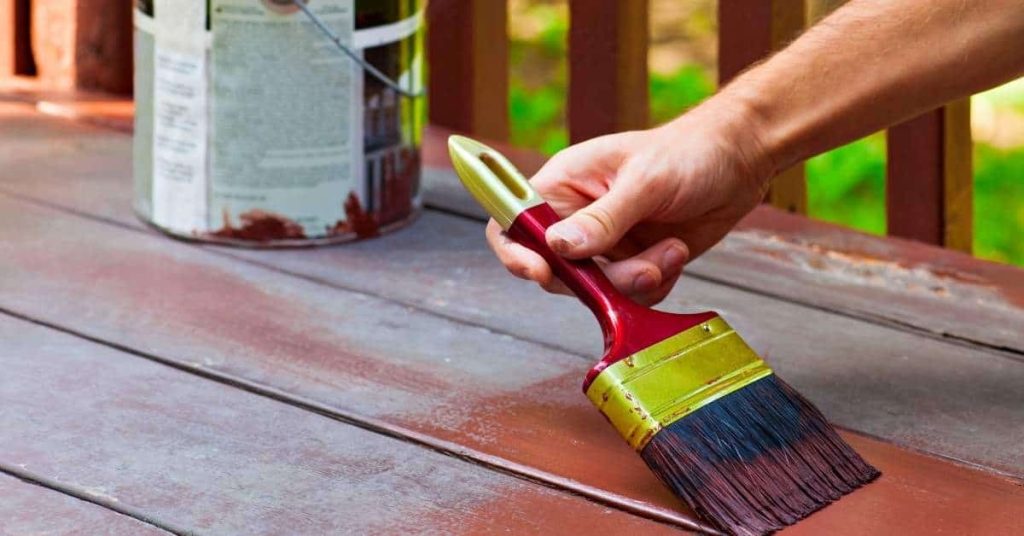
Hand painting wooden deck with red paint and brush

How to Paint When Nights Are Cold: Dew, Condensation, and Why Morning Painting Sometimes Fails

Introduction Cold nights create dew and condensation that can sabotage paint adhesion. If you paint when surfaces are damp or the surface is cooling through the night, you risk cloudy finishes and peeling. This article explains practical checks and timing to avoid those problems. To plan smartly, check the forecast and test surfaces for moisture

How to Paint When Nights Are Cold: Dew, Condensation, and Why Morning Painting Sometimes Fails Read More »