Search Results for: andy concrete

Precast concrete wall panels stored outdoors under cloudy sky

Concrete dust respirator habits: storage, filter changes, and staying protected on off-and-on tasks

Introduction Concrete dust respirator habits are the routines you follow to store, maintain, and use your respirator so you stay protected when working with dusty concrete. Store it in a clean, dry place and inspect seals and straps before each use. Check manufacturer instructions for any care steps and avoid exposing the respirator to extreme

Concrete dust respirator habits: storage, filter changes, and staying protected on off-and-on tasks Read More »

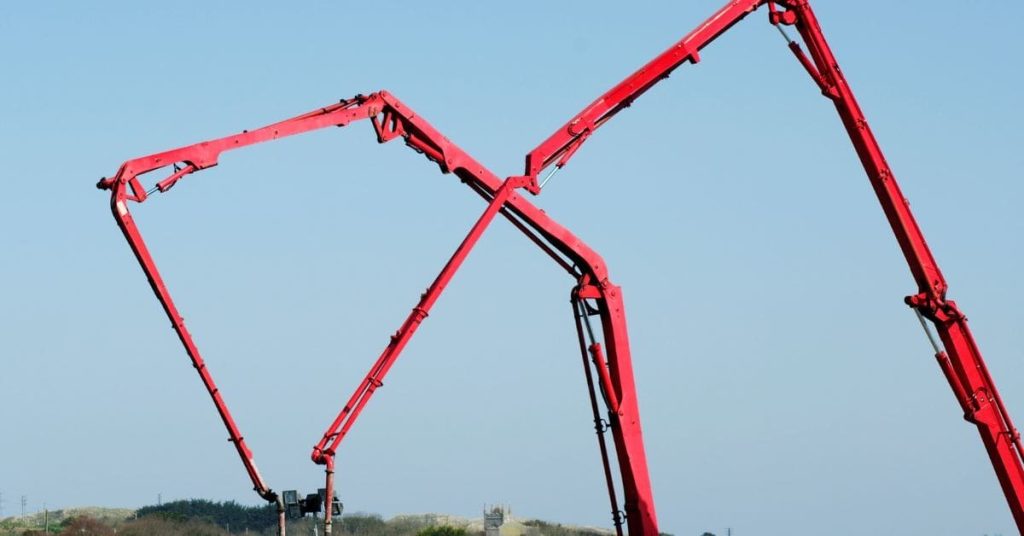
Red concrete pump booms against clear blue sky

Infrared thermometer hacks on concrete and stucco: spotting hot spots and curing temps without guessing

Introduction An infrared thermometer lets you measure surface temperatures without contact, helping you spot temperature patterns on concrete and stucco. Use it to scan flat areas and edges to identify unexpected hot spots and cool zones. Read the readings as indicated by the device’s scale or color display. When evaluating curing temps for stucco, use

Infrared thermometer hacks on concrete and stucco: spotting hot spots and curing temps without guessing Read More »

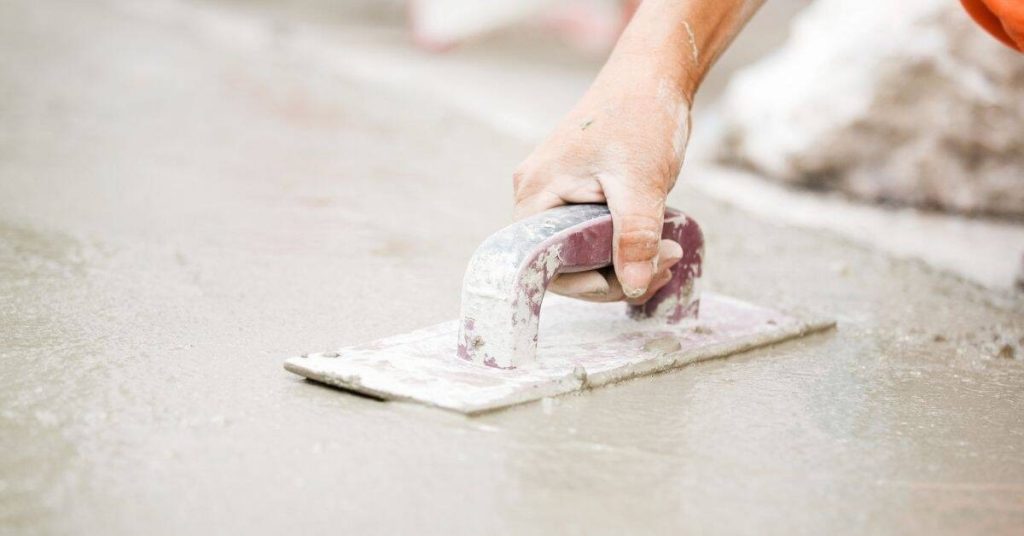
hand holding hand trowel smoothing wet concrete surface

Hand trowel sizing for concrete and plaster work: what beginners should buy first and what to skip

Introduction Hand trowel sizing means choosing the blade width and handle style to match the task, material, and user comfort, so beginners know what to buy first and what to skip. Start with a basic mid-size trowel suitable for both concrete and plaster, and avoid buying rare or specialty shapes until you’ve used a standard

Hand trowel sizing for concrete and plaster work: what beginners should buy first and what to skip Read More »

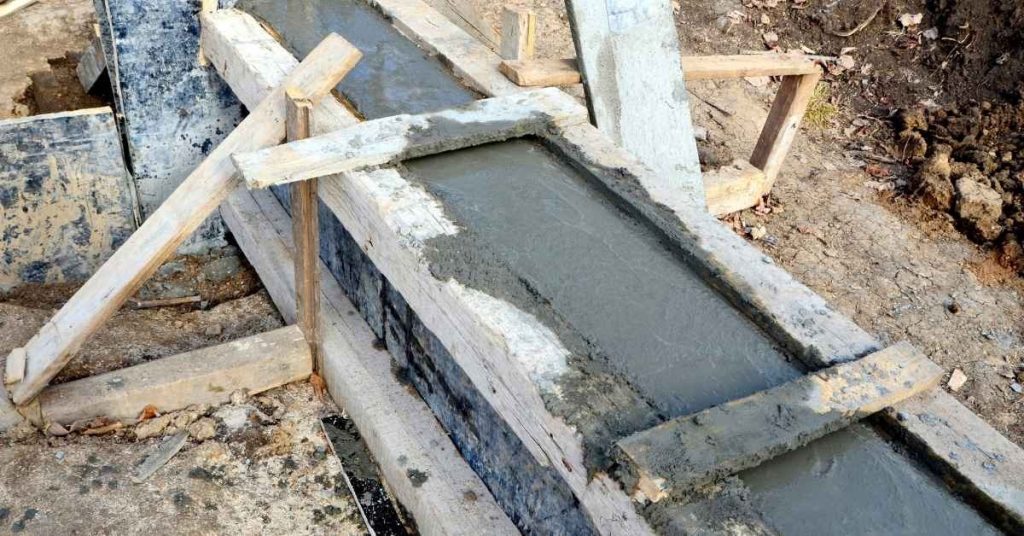
Fresh concrete poured in wooden formwork at construction site

Concrete vibrator mistakes in DIY forms: honeycombing, blowouts, and how to avoid them

Introduction Honeycombing and blowouts are defects in concrete caused by improper compaction. This article explains how to spot these issues and why they happen in DIY pours. We’ll cover how to use a vibrator correctly and what to check to avoid problems. Identify honeycombing by looking for voids, exposed aggregate, and a rough, porous surface

Concrete vibrator mistakes in DIY forms: honeycombing, blowouts, and how to avoid them Read More »

Unfinished multi-story concrete building structure outdoors

Self-leveling overlays on concrete: dams, primers, and stopping pinholes and ripples

Introduction Self-leveling overlays are pourable surface toppings designed to flow into low spots and produce a flat, smooth concrete surface. They rely on proper surface preparation, containment dams at edges, and primer or bond agents to promote adhesion. Always follow the material manufacturer’s instructions for mixing, compatibility with the concrete, and cure requirements. Before you

Self-leveling overlays on concrete: dams, primers, and stopping pinholes and ripples Read More »

Stone water well with bucket hanging on pulley system

Choosing the right concrete crack repair for your situation: movement, width, and water

Introduction Choosing the right concrete crack repair depends on movement, width, and water exposure. This article explains how these factors guide material choice and repair approach. It keeps the guidance practical and focused on real‑world DIY work. Cracks come from settlement, drying shrinkage, or load stress, and they vary from hairline to wider gaps. Prepare

Choosing the right concrete crack repair for your situation: movement, width, and water Read More »

Empty indoor parking garage with smooth concrete floor and white lines

Dusty Concrete Garage Slabs: When Sweeping and Densifiers Help and When Resurfacing Is the Only Fix

Introduction Dusty concrete garage slabs are surfaces that shed loose concrete dust and fine particles, creating a chalky layer on the floor. Sweeping and densifying can help restore stability, while resurfacing may be needed for heavy or persistent dust. Use sweeping and densifying for light dust and in slabs that show wear but still have

Dusty Concrete Garage Slabs: When Sweeping and Densifiers Help and When Resurfacing Is the Only Fix Read More »

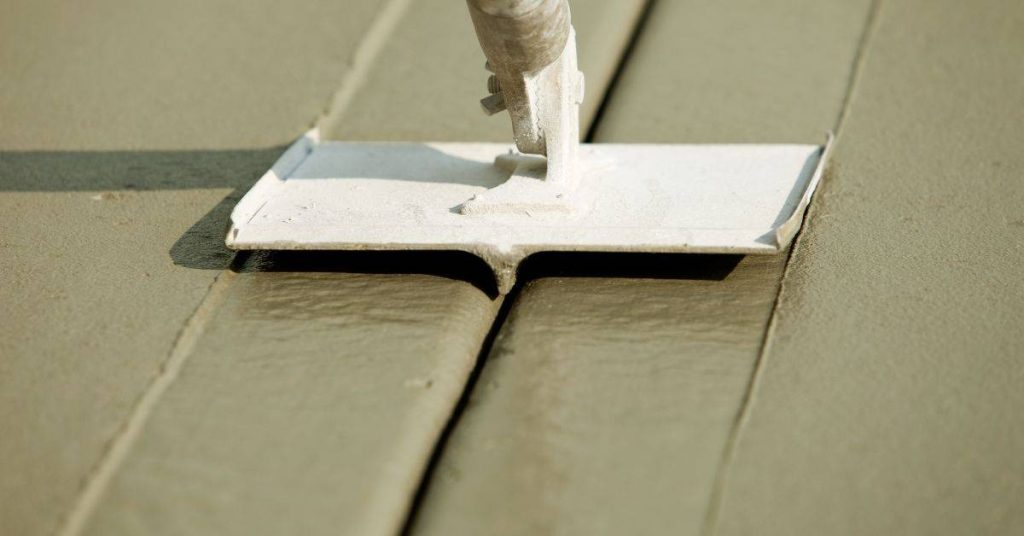
Concrete joint being tooled with a hand trowel

Concrete Finishing Sequence for Beginners: Bull Float, Edge, Joint, Then Walk Away (Sometimes)

Introduction The finishing sequence for this concrete work is the order of steps you follow after pouring: bull float, edge, joint, then walk away. This approach helps keep the surface workable while reducing roughness and lines. It works best when you have the right tools and a fresh pour to guide the finish. Before you

Concrete Finishing Sequence for Beginners: Bull Float, Edge, Joint, Then Walk Away (Sometimes) Read More »

Empty room with smooth polished concrete floor and large windows

Fixing a Bad Concrete Broom Finish: Rescue Tricks for Chatter Marks, Streaks, and Overworked Slabs

Introduction A bad concrete broom finish is an uneven, rough texture on a broom-finished slab with chatter marks and streaks. This article offers practical, hands-on techniques to smooth out the look while preserving the surface integrity. For DIY fixes, assess the surface and plan a remediation approach with simple tools and safe methods. Check guidelines

Fixing a Bad Concrete Broom Finish: Rescue Tricks for Chatter Marks, Streaks, and Overworked Slabs Read More »