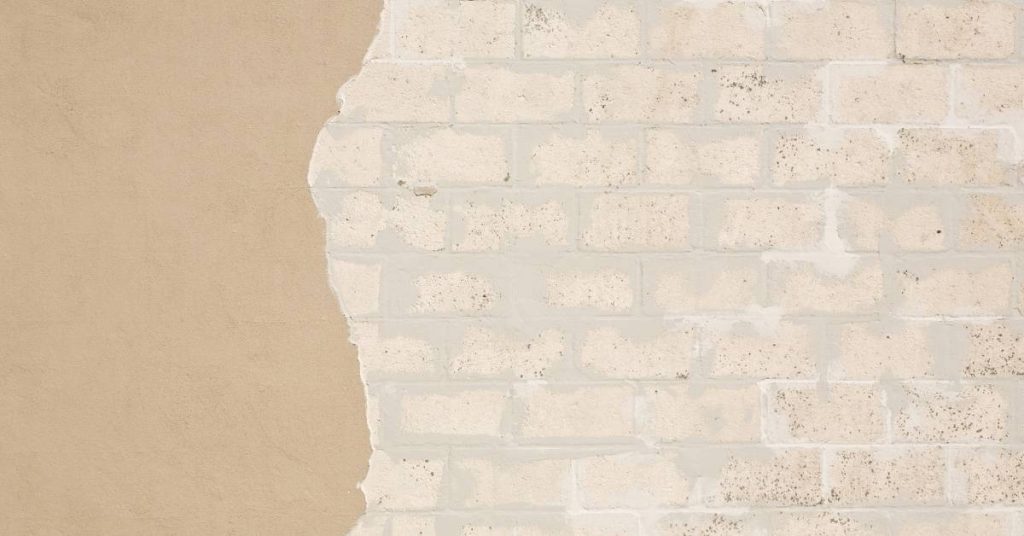
Partially removed stucco revealing brick wall underneath

Crumbling Stucco Bottom Edges: Rebuild Steps and Keeping the Base Dry

Introduction

Crumbling stucco bottom edges are where the material pulls away from the base near the ground, often letting moisture into the wall. This article shows you how to inspect the problem, remove damaged stucco safely, and plan repairs in plain, hands-on terms. You’ll learn what to look for so you can decide what needs replacing.

“Diagnosis, safe removal of the compromised layer, and fixing cracks or crumbling edges are covered with practical steps you can follow. We explain how to choose common tools and materials, and what to check on labels, manufacturer instructions, and local rules before buying. If you’re unsure about a spec, refer to the product label and instructions for guidance.

Key takeaways

  • Diagnose stucco failure by checking for crumbling edges, moisture staining, and hollow sounds.
  • Remove damaged stucco with careful chipping; wear eye protection and respirator.
  • Map all cracks and delamination zones to guide substrate repair and lath replacement.
  • Use breathable cementitious base coats and appropriate mesh for durable rebuild.
  • Drying, curing, and environmental control prevent new cracks and moisture problems.
  • Track costs, avoid common mistakes, and schedule maintenance to extend stucco life.
Table of Contents

Quick Diagnostic Overview: Causes and When to Rebuild

Crumbling bottom edges usually start with moisture intrusion. Look for surface water, leaks, or irrigation paths feeding the base. Also check flashing or WRB failures, poor initial detailing at the base, and any mechanical damage from nearby surfaces or foot traffic.

Use clear indicators to decide patch versus rebuild. Note damp staining, efflorescence, delamination, or soft edges along the bottom. Cracking patterns, repeated patching history, or gaps in flashing can push toward a rebuild rather than a simple patch.

Diagnosing root causes

The first step in tackling crumbling stucco bottom edges is understanding what caused the damage. Here’s how to read the symptoms:

Staining or efflorescence: These are signs of moisture intrusion. Stains could be from surface water, leaks, or irrigation. Efflorescence, a white powdery substance, indicates moisture has been present.

Rust or delamination: Rust on nails or laths suggests water has been getting in and causing corrosion. Delamination, where the stucco is peeling away from the substrate, points to a structural problem that needs immediate attention.

Soft or springy areas: These indicate that the stucco has absorbed moisture and lost its strength. Poke and prod the area gently with a screwdriver or similar tool to feel for soft spots.

Repair vs. rebuild criteria

Deciding between a repair and a full rebuild depends on several factors:

Substrate integrity: If the underlying structure is sound, a repair might be sufficient. But if there’s significant damage or rot, a rebuild may be necessary.

Extent of delamination: Small areas of delamination can often be patched. But if it’s widespread, it’s a sign that the entire base needs to be rebuilt.

Repeated failures: If you’ve already patched an area and it’s failing again, it might be a sign that the underlying problem hasn’t been fully addressed. In such cases, a full rebuild is often the best solution.

Cost-effectiveness: While a full rebuild seems expensive, it might actually save you money in the long run if repeated repairs are needed.

Visual checkpoints to map the damage

Before starting any work, use this checklist to document the visible signs of damage. It’ll help you understand the extent of the problem and plan your repair strategy.

  • Crack patterns: Note where cracks are located, their width, and whether they’re horizontal or vertical. This can indicate the source of the problem.
  • Skirtline condition: Check the condition of the stucco at the base of the wall. Is it crumbling, delaminating, or stained?
  • Flashing and gutter issues: Inspect nearby flashing and gutters. Are they damaged, missing, or improperly installed? This could be directing water towards your walls.
  • Efflorescence: Look for the white powdery substance that indicates moisture has been present.
  • Rust on nails or laths: This is a sign of moisture intrusion and corrosion.
  • Soft or springy areas: Gently poke and prod the stucco to feel for any soft spots.
  • Foundation gaps: Check if there are any visible gaps between the foundation and the wall. These can let water in.
  • History of patching: Note any previous repairs. This can indicate recurring problems.

Quick rule: The more widespread the damage, the more likely it is that a full rebuild will be necessary.

Back to top ↑

Safety, Tools, and Materials Checklist

PPE should cover eye protection, a respirator or dust mask, gloves, a hard hat, hearing protection, and suitable footwear. Fit each item properly and inspect before use. Explain when each item is required on the job.

Dust control is essential. Use plastic barriers, HEPA vacuums, or wet cleanup to minimize dust. Set up containment to protect occupants and adjacent surfaces.

Safety precautions for stucco work

Before you start your stucco project, review this checklist to ensure a safe and successful job.

  • Wear appropriate PPE: Check you have a hard hat, safety glasses, gloves, and sturdy boots. Ensure your clothing covers skin to minimize cementitious material contact.
  • Dust suppression: Verify your mixing area is dampened down to reduce dust. Use a spray bottle or hose as needed.
  • Ladder safety: Inspect your ladders for stability and secure them properly before climbing. Ensure the top of the ladder extends at least 3 feet above the landing.
  • Cement bag handling: Check bags for damage or cracks before moving them. Use a dolly to transport heavy bags safely.
  • Mixing safety: Ensure you’re mixing in a well-ventilated area and wear a respirator when mixing cementitious materials.
  • Protect eyes from rebound: Wear safety glasses with side shields to protect against stucco rebound during application.
  • Grounding for power tools: Check that all power tools are properly grounded before use. Use GFCI outlets near water sources.
  • Fire prevention: Keep a fire extinguisher nearby and ensure no flammable materials are present during application.

Quick rule: Always prioritize safety over speed. A few extra minutes spent on precautions can prevent costly injuries or rework.

Tools you’ll need

Before starting your stucco removal and installation project, make sure you have all the necessary tools. This checklist will help you assemble a complete kit to ensure a smooth and efficient process.

  • Safety glasses – Protect your eyes from debris. Check they fit well and provide adequate coverage.
  • Work gloves – Ensure they’re durable, comfortable, and provide good grip for handling tools and materials.
  • Hearing protection – Use when operating power tools to protect your ears from loud noises. Check the noise reduction rating (NRR) on the product label.
  • Respirator or dust mask – Essential for protecting against stucco dust. Choose one with a particulate filter and check it fits properly.
  • Tape measure – Accurate measurements are crucial for calculating material needs and ensuring proper installation. Check the tape’s accuracy before use.
  • Level – A 2-4′ level is handy for checking horizontal and vertical lines during removal and installation. Ensure it’s in good working condition.
  • Utility knife – For scoring and cutting stucco. Check blade sharpness before use to ensure clean cuts.
  • Hammer or pry bar – Used for removing old stucco. Ensure the tool is in good condition with no damaged parts.
  • Sledgehammer – For breaking up large pieces of stucco. Check the handle’s grip and ensure it’s secure.
  • Power tools (optional but recommended) – An oscillating multi-tool or reciprocating saw with a demolition blade can speed up removal. Check tool condition, battery life, and blade sharpness.

Quick rule: Always inspect your tools before starting work to ensure they’re in good condition and safe to use. This helps prevent accidents and ensures efficient work.

Materials and specs to check

Before starting your stucco project, use this checklist to ensure you have the right materials and understand their specifications. This will help prevent costly mistakes and rework.

  • Stucco System: Check if it’s a traditional three-coat system (scratch, brown coat, finish) or a one-coat system. Verify compatibility with your substrate and climate.
  • Lath Options: Inspect whether you’re using metal lath or expanded metal lath. Ensure they’re properly secured to the framing with appropriate fasteners.
  • Water-Resistive Barrier (WRB): Check if it’s a housewrap, felt paper, or a liquid-applied WRB. Make sure it’s installed correctly and overlaps at seams.
  • Flashing Materials: Inspect weep screeds, corner flashings, and window/door flashings. Ensure they’re made of durable materials like metal or high-quality plastic.
  • Fasteners: Check if you’re using the right fasteners for your lath type (nails or screws). Verify they meet local code requirements and are long enough to penetrate into framing.
  • Stucco Mix Design: If mixing your own stucco, check manufacturer instructions for proper sand-to-cement ratio. For pre-mixed stucco, ensure it’s compatible with your system type.
  • Additives and Primers: Verify you have the right additives (e.g., accelerators, retarders) for your climate and mix design. Check if a primer is required before applying stucco.
  • Tools: Quickly review tools needed: trowels, hawk, darby, finish float, etc. Ensure they’re in good condition and the right size for your project.

Quick rule: Always check manufacturer instructions and local building codes to ensure compatibility and compliance with your chosen materials and methods.

Back to top ↑

Inspecting and Mapping the Damage Before Work

Start with a methodical walk of the area. Identify all crumbling, cracked, or hollow sounding edges and note any bulges or delamination at the base. Mark affected sections for reference.

Map moisture pathways and sources. Look for leaks, splash zones, and interior dampness signatures. Create a simple diagram with measurements and color-code issues by urgency.

Probing, sounding, and extent mapping

Start by giving your stucco a gentle tap with a hammer. Listen for a hollow sound; that’s loose or missing material.

Mark these spots with chalk or paint to keep track. Use a screwdriver or awl to probe deeper, feeling for solid backing or finding hidden voids.

Measure and note down the size of each damaged area. Sketch it out on your diagram, using different colors for different severities.

Assessing substrate, framing, and fasteners

Check your exterior walls’ sheathing. Look for warping, soft spots, or discoloration that might indicate rot.

Inspect the lath backing behind the stucco. Rust on nails or screws could mean moisture issues. Check for loose or missing fasteners too.

Examine your wall framing. Look for signs of decay, especially where it meets the ground. Water can wick up here, causing problems.

If you find any of these issues, note them down and consider them in your repair plan. They might need extra attention before you start rebuilding.

Back to top ↑

Preparing the Wall and Measures to Keep the Base Dry

Assess the current drainage plane and bottom edge; find cracks, gaps, or displaced flashing that invite water intrusion. Plan to restore a continuous drainage plane and integrated flashing that directs water away from the rebuilt edge.

Check the weep screed and base termination for integrity and proper slope. Prepare the substrate by cleaning, sound-drying, and applying a suitable moisture barrier. Establish a plan to keep the area dry during the rebuild.

WRB, Building Paper, and Flashing Repairs

The first step is to assess your wall’s drainage plane. That’s the water-resistive barrier (WRB) or building paper behind the stucco. If it’s damaged, torn, or missing, you need to repair or replace it.

Start by removing any loose or damaged WRB. Use a utility knife to carefully cut away the bad sections. Be sure not to damage the framing underneath.

Next, install new WRB or building paper. Make sure it’s compatible with your existing materials and extends at least 6 inches above the rebuilt bottom edge. Secure it with staples or nails, spacing them no more than 4 inches apart.

Flashing is crucial to direct water away from the base. Check your flashing at the bottom edge. If it’s displaced, rusted, or missing, replace it. Ensure it integrates properly with the WRB and extends at least 2 inches above the rebuilt edge.

Weep Screed, Capillary Breaks, and Drainage-Plane Best Practices

The weep screed is the horizontal piece at the bottom of your stucco that allows moisture to escape. If it’s damaged or missing, replace it with a new one. Ensure it has a slight slope (about 1/4 inch per foot) towards the exterior to encourage water drainage.

Capillary breaks are small gaps in the stucco that prevent moisture from wicking up into the base. If yours are clogged or missing, clean them out or install new ones. They should be about 1/8 inch wide and spaced every 32 inches horizontally.

The weep screed and capillary breaks work together with your WRB to create a functioning drainage plane. Make sure they’re all integrated properly. The WRB should extend at least 6 inches above the weep screed, and the flashing should overlap it by at least 2 inches.

Site Drainage, Gutters, and Grading

Exterior factors play a big role in how much water reaches your stucco base. Start by checking your gutters. Make sure they’re clean, intact, and directing water away from the wall. If not, repair or replace them.

Downspouts should extend at least 5 feet away from the foundation to prevent water from seeping back towards the base. If yours don’t, consider extending them or installing underground drainage systems.

The grade around your home is also important. Water should flow away from the foundation. If it doesn’t, you may need to regrade the area or install a French drain to redirect water.

Back to top ↑

gray rough textured stucco wall surface

Removing Damaged Stucco and Repairing Substrate

Define the scope by determining how far damage extends at the bottom edges. Identify moisture intrusion and inspect the underlying lath, sheathing, and flashing.

Safety and prep come first: contain dust, protect nearby finishes, and plan disposal of debris. Remove crumbling stucco carefully, avoiding disturbance to intact sections, then assess lath and substrate for needed repairs.

Safe removal techniques

Start by scoring the damaged stucco with a utility knife to make it easier to remove. This helps prevent further damage to the lath and surrounding intact stucco.

Wear safety glasses and a dust mask when removing stucco to protect yourself from debris. Use a chisel and hammer to carefully chip away the damaged stucco, working from top to bottom.

Go slow and steady. You don’t want to damage the lath or cause more stucco to crumble. If you hit a spot that’s hard to remove, soften it with water first before chipping it away.

Vacuum up any dust as you go to keep your work area clean and safe.

Repairing or replacing lath and sheathing

Inspect the exposed lath (wood or metal) for any damage. If it’s wood, look for rot; if it’s metal, check for corrosion.

To replace damaged lath, cut out the bad section using a hacksaw or reciprocating saw. For wood, use galvanized nails or screws to attach new lath. For metal, use self-drilling screws designed for metal lath.

If sheathing is rotted, cut it out and replace with new plywood or OSB, using appropriate fasteners and attachment patterns. Make sure to install a moisture barrier (WRB) over the new sheathing before replastering.

Use compatible fasteners that match your lath type. For wood, use galvanized nails or screws; for metal, use self-drilling screws designed for metal lath.

Details around openings and edges

Around windows and doors, check flashing to ensure it’s intact and properly installed. If not, replace or repair it before replastering.

At outside corners, make sure control joints are in good condition. If they’re cracked or missing, install new ones to prevent recurring leaks.

At the base of the wall, install a weep screed if one isn’t already present. This allows moisture to escape and prevents water from building up behind the stucco.

Ensure proper drainage around the base of the wall. Grade the ground away from the house, install gutters if necessary, and make sure any flashing or drip edges are in good condition.

Back to top ↑

Rebuild Steps — Mixing and Applying Stucco Layers

Choose between a two-coat or three-coat system based on substrate condition and desired performance. Outline the sequence from scratch to finish, and keep an eye on even capture at each stage.

Cover mixing and batching, surface prep, and bonding protocols. Use the right ratios, workability, and curing considerations to prevent early cracking. Ensure proper handling at the bottom edge to stop moisture wicking upward.

Selecting system and layer sequence

Before you start slinging stucco, you gotta decide on your system. Two-coat or three? It’s like choosing between a quick sandwich (two) or a full-blown meal (three).

Two-coat systems are quicker and cheaper. They’re fine for small jobs or touch-ups. But remember, they don’t last as long as three-coats. Check your product labels and local codes to be sure it’s right for you.

Three-coat systems, now that’s a proper job. First coat is the base, then comes the brown coat, and finally, the finish. It’s more work but gives you a durable, long-lasting finish. Again, check your product labels and local codes to make sure it’s what you need.

Mixing, application technique, and curing best practices

First things first, check your stucco mix ratio. It’s usually 1 part cement to 2.5-3 parts sand, with water added until you reach the right consistency. Too much water weakens it, too little makes it hard to apply.

Now, let’s talk application. There are three layers: scratch, brown, and finish. For each:

  • Scratch coat: Apply about 3/8″ thick, using a hawk and trowel. Work it into the base, checking base compaction first. Use a scratch tool to create grooves for better bond.
  • Brown coat: Similar thickness, but apply with a machine or by hand, depending on your skill level. Smooth it out with a trowel.
  • Finish coat: Thinest layer, about 1/8″ thick. Apply by hand, using a finish trowel to create your desired texture.

After each layer, let it cure properly. That means keeping it damp for at least three days, but not soaking wet. Cover with plastic if needed. Don’t rush this step; it’s crucial for a strong, durable finish.

Back to top ↑

Texturing, Finishing, and Color Matching

Assess texture compatibility and select a patch texture that matches the surrounding surface. Prepare the area by feathering edges and applying a suitable bonding agent.

Apply the patch in thin lifts, then reproduce the texture with matching tools. Consider a color-matched finish and a protective seal to help color stability and long-term appearance.

Texture-matching techniques

Matching the texture of your existing stucco is crucial for a seamless repair. First, identify the type of finish you have: smooth, stippled, knockdown, or sand.

Practice your technique on scrap material before tackling the wall. For smooth finishes, use a trowel to apply thin coats and feather edges. For stippled, use a brush with stiff bristles. Knockdown requires a knockdown trowel, while sand finish needs a textured roller or spray texture.

Replicate the nearby pattern by mimicking the strokes and pressure used on the existing stucco. Work in small sections at a time to ensure consistency.

Color matching and finish-coat options

Matching the color of your existing stucco can be tricky due to weathering. Start by taking a small sample from an inconspicuous area. Test this color on a hidden part of the wall or scrap material.

Consider applying a skim coat first, then a finish coat in a matching color. Alternatively, you can paint the entire elevation to ensure consistency. Keep in mind that new patches may look different until they weather naturally.

If repainting, use an exterior acrylic latex paint with similar sheen (matte, eggshell, or satin) as your existing finish. Consider using a color wash or glaze to unify the tone of the patch and surrounding area.

Protecting the finish during cure and final inspection

Use this checklist after applying your finish coat to ensure a successful cure and catch any issues early.

  • Rain protection: Cover the area with plastic sheeting if rain is expected within 24 hours of application.
  • Sun exposure: Keep the area shaded from direct sunlight for at least 72 hours to prevent rapid drying and cracking.
  • Freeze protection: If temperatures dip below freezing, protect the area with heat tape or insulation.
  • Adhesion check: Gently scrape a corner of the patch with a nail. If it lifts easily, adhesion is not complete.
  • Cracking check: Look for hairline cracks, which may indicate improper curing or mixing.
  • Sheen check: Ensure the sheen matches the surrounding area. If it’s too glossy or matte, you may need to adjust your finish coat.
  • Color consistency: Check that the patch blends well with the surrounding stucco under different lighting conditions.
  • Edge check: Ensure edges are well-feathered and blend smoothly into the existing stucco.

Quick rule: Inspect your work daily for at least a week to catch any issues early. Address them promptly to prevent further damage.

Back to top ↑

Costs, Common Mistakes to Avoid, and Long-Term Maintenance Plan

Identify the main cost drivers, including materials, labor, scaffolding, permits, and potential hidden damage. Use this to guide budgeting and contingency planning.

Watch for common DIY mistakes like skipping moisture barriers or improper flashing. Plan a maintenance schedule with inspections after heavy rains and periodic resealing to prevent recurrence.

Budget factors and estimating tips

Repairing crumbling stucco bottom edges can vary in cost depending on several factors. Here’s what to consider when estimating your project:

Materials: The type of stucco mix, wire lath, mesh, sealants, backing board, and any needed substrate repairs will impact the material costs. Expect to spend around $0.50 – $2 per square foot on materials alone.

Labor: Hiring professionals can range from $30 – $60 per hour. DIY work may save you labor costs, but consider your skill level and time commitment. A rough estimate for a 100 sq ft repair could be $500 – $2,000 for labor.

Scaffold/setup, permits, disposal: These additional costs can vary by region. Allocate around 10-20% of your total budget for these items and any hidden damage or flashing/reinforcement contingencies.

Common mistakes that cause repeat failures

To prevent recurring issues, avoid these common pitfalls:

  • Neglecting the WRB/flashing: Skipping this crucial step allows moisture to seep behind your stucco, leading to rot and crumbling.
  • Poor curing: Improperly curing your new stucco can cause it to crack and crumble over time. Follow manufacturer guidelines for proper curing.
  • Mismatched materials: Using incompatible materials can lead to premature failure. Ensure all components are compatible and suitable for your specific application.
  • Insufficient site drainage: Poor grading or clogged gutters can cause water to pool around your home, leading to moisture issues in your stucco.

Addressing these common mistakes will help ensure a long-lasting repair.

Ongoing maintenance checklist and inspection intervals

Regular upkeep is key to preventing future damage. Use this checklist to keep your stucco in top shape:

  • Gutter cleaning (Spring, Fall): Clear debris to ensure proper water drainage away from your home’s foundation.
  • Sealant checks (Annually): Inspect and touch up sealants around windows, doors, and corners as needed.
  • Visual inspections (After heavy rains, Quarterly): Check for signs of moisture intrusion or cracking. Address any issues promptly to prevent further damage.
  • Repaint every 3-5 years: Repainting helps protect your stucco from UV damage and keeps it looking fresh.

Quick rule: If you notice recurrent moisture signs or suspect hidden damage, consult a professional immediately to prevent costly repairs down the line.

Back to top ↑

Conclusion

Keeping the base dry and the wall stable matters for long-term durability and curb appeal. When you follow solid steps, you protect the structure, avoid costly call-backs, and finish with a look that lasts.

First, check the damage, map it out, and inventory tools and weather windows before you touch anything. Then work in small, controlled sections: remove only damaged stucco, repair or replace the substrate, mix and apply the stucco in the correct order with proper curing, texture to match, and color-match before you seal and protect. Always test patch a small area first, protect the base from moisture during the job, and move from bottom up so you don’t trap water behind new work.

Common mistakes to avoid include rushing the removal and rebuild, skipping a proper moisture barrier, and skipping a patch test or a realistic cure time. Safety rules are simple: wear gloves, eye protection, and a respirator if dust is present; keep power tools dry and off a wet surface; and work from a stable ladder or scaffold with a helper. If you encounter active water intrusion, rotted substrate, or signs of structural movement, call a professional instead of forcing the work yourself.

If you know where you stand and follow the plan, you can finish confidently and minimize future damage. When in doubt, pause, reassess, and proceed step by step—and remember, a solid rebuild now saves bigger headaches later.

Back to top ↑

FAQ

What are the telltale signs that stucco damage is crumbling at the bottom edge and needs repair?

Look for powdery or crumbly material at the base, loose chunks that come off with light pressure, and cracks that run along the edge where moisture collects. Staining or moss growing at the bottom can also indicate ongoing moisture intrusion. If you see hollow sounds behind the edge when you tap, that’s a sign the substrate or lath may be failing.

How do I remove old damaged stucco safely at the base without making a bigger mess?

Wear eye protection, gloves, and a dust mask. Remove damaged material in manageable chunks, keeping the area as clean as possible and protecting surrounding finishes. Tie back metal lath if you see loose pieces and avoid tearing into sound mortar or sheathing.

What fixes are best for cracks and crumbling edges after removal?

Clean the edge and feather the existing substrate. Use an appropriate repair mortar or base coat that bonds well to the substrate and follows the manufacturer’s instructions. Match the repair to the existing wall system and don’t overbuild in one shot; build in layers as needed.

What tools and materials should I have ready for applying new stucco at the bottom edge?

Have a trowel, hawk, mixing bucket, mixing drill with paddle, masonry float, and a suitable base coat material. Use a bonding agent if recommended by the material you choose and protect the area from rain during cure. Check labels for pot life and application temperature guidance before mixing.

Are there texturing tips to help the new stucco match the old wall?

Try a light swirl or kick finish that resembles the surrounding texture, and apply while the base coat is still workable. Practice on a scrap board or inconspicuous spot first. If you’re unsure, aim for a subtle texture and plan to blend color after curing, sticking to manufacturer guidance.

Back to top ↑

More about this topic