Search Results for: Finish

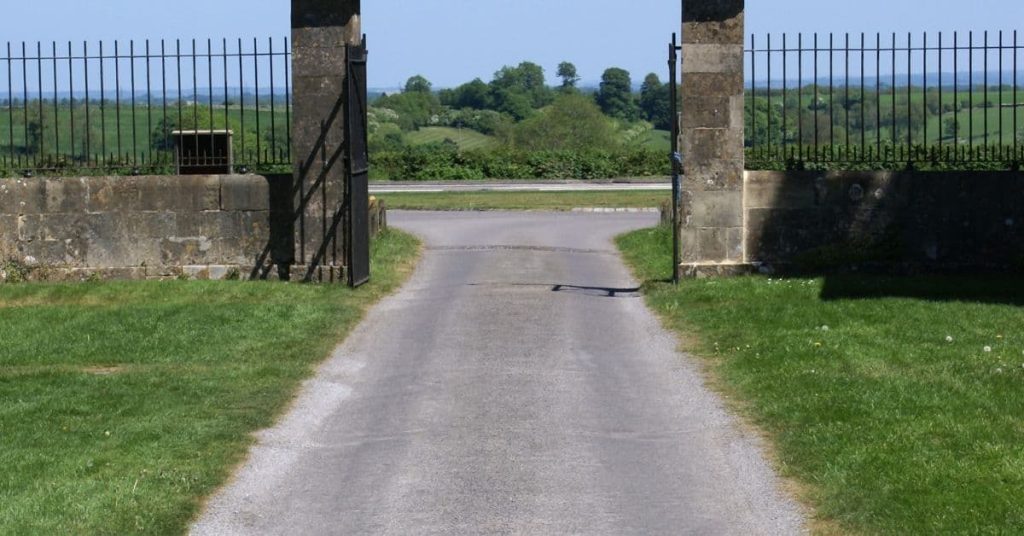
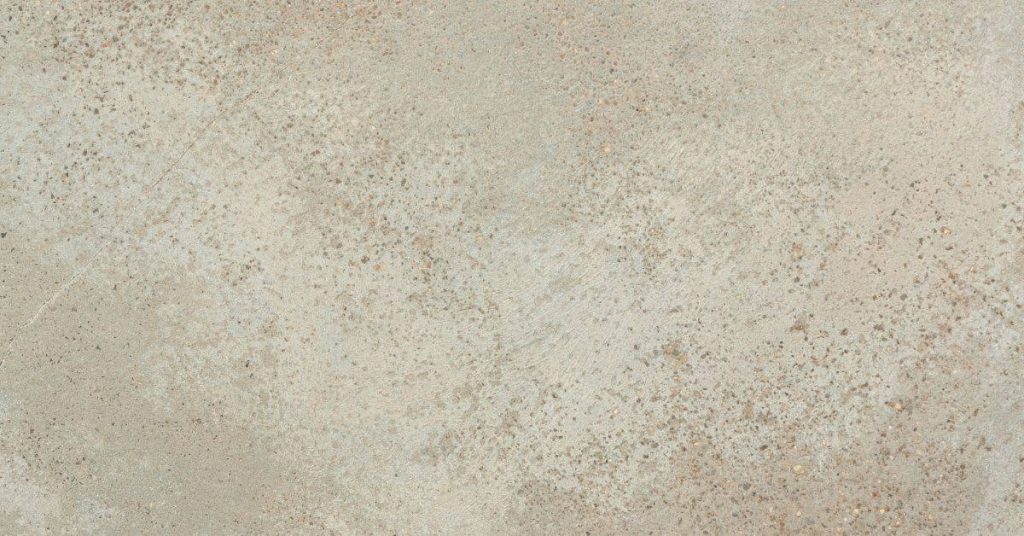
Stone-look concrete gate pillars with metal fence panels

Stone-Look Concrete Finishes: Rub Techniques, High Spots, and Sealer Choices

Introduction Stone-Look Concrete Finishes are achieved by rubbing and refining a concrete surface to resemble natural stone. On the job, you’ll use hand tools and trowels to work the surface while it’s still workable, then wipe, rub, and burnish to blend colors. Check product labels and manufacturer instructions for cure times and safety before starting. […]

Stone-Look Concrete Finishes: Rub Techniques, High Spots, and Sealer Choices Read More »

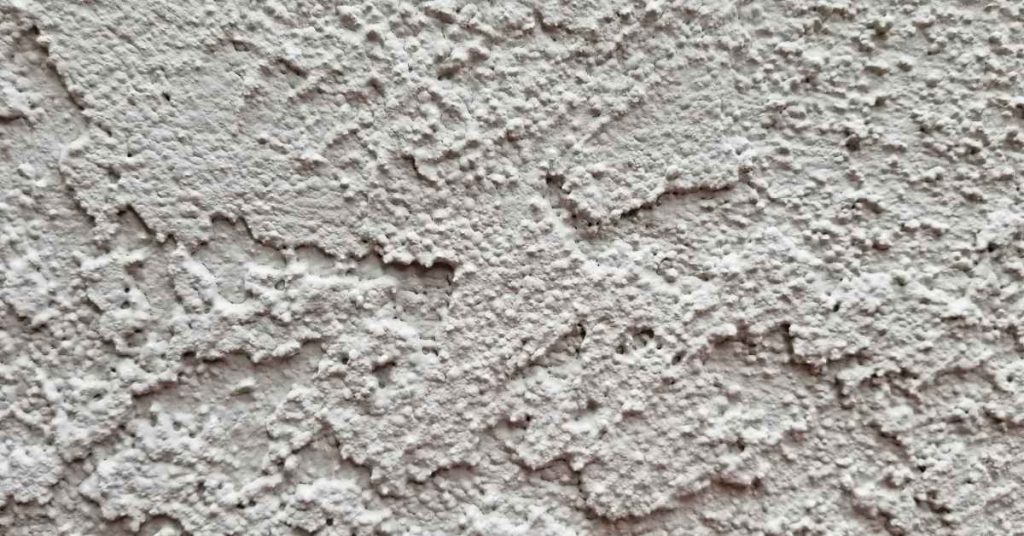
Close-up of white stucco wall texture

Mounting Heavy Items on Stucco: Spacers, Blocking, and Not Crushing the Finish

Introduction Mounting heavy items on stucco means creating solid backing behind the finish and using spacers to keep the surface intact while fasteners carry the load. Choose an anchor type appropriate for stucco and plan spacers and backing to avoid crushing the finish. Follow installation steps for the chosen anchor, check for proper spacing and

Mounting Heavy Items on Stucco: Spacers, Blocking, and Not Crushing the Finish Read More »

Hand in pink glove scrubbing stucco wall with brush

Algae on Stucco: Cleaning Methods That Don’t Bleach Color or Etch Finish

Introduction Algae on stucco is algae growth that appears as green or dark spots on the surface. Identify it by color, texture, and where it’s growing, especially in shaded or damp areas. This guide keeps things simple for DIY homeowners and avoids bleaching or etching. Use safe cleaners that are milder than bleach and follow

Algae on Stucco: Cleaning Methods That Don’t Bleach Color or Etch Finish Read More »

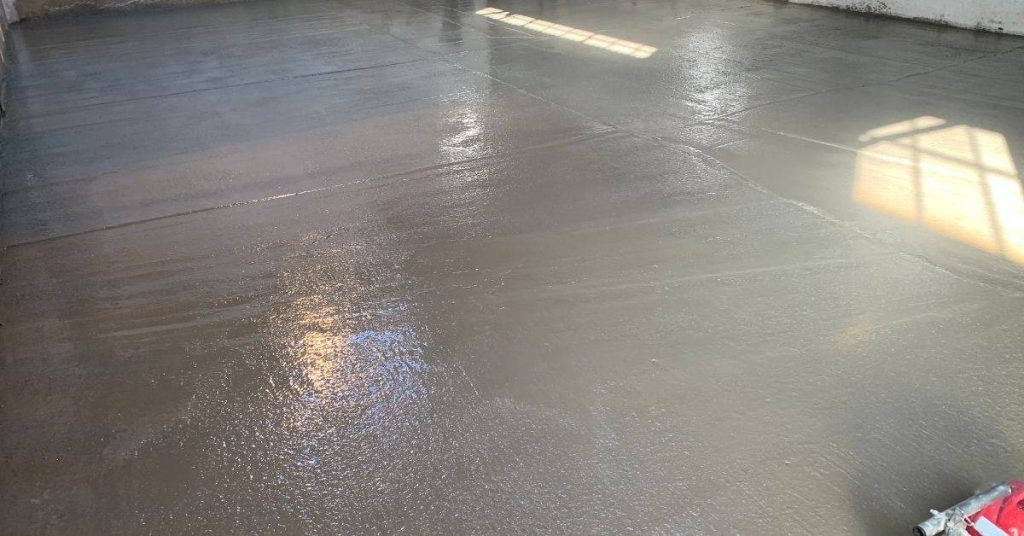
Freshly poured smooth wet concrete slab inside a building

Broom-Finished Concrete Driveways: Timing, Direction, and Tear-Out Prevention

Introduction A broom-finished concrete driveway is a surface texture created by brushing a broom over freshly poured concrete to leave short, even lines. This finish adds a non-slip surface and a utilitarian look that hides minor imperfections as it wears. Keep the work simple and consistent, moving at a steady pace and planning your crossings

Broom-Finished Concrete Driveways: Timing, Direction, and Tear-Out Prevention Read More »

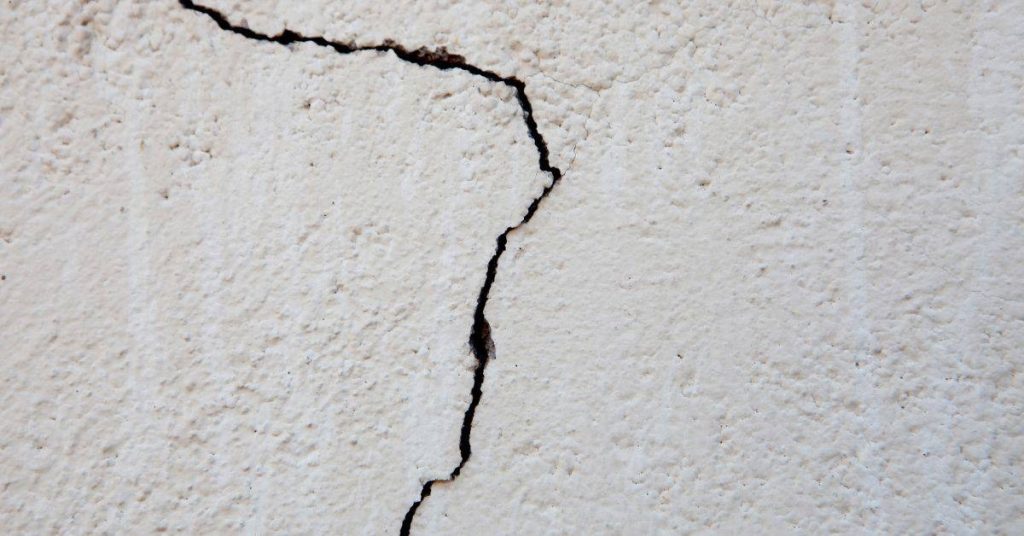
Closeup of stucco surface with a visible crack

Curing Stucco Patches in Heat and Wind: Mist Schedules and Weak-Finish Prevention

Introduction Curings stucco patches in heat and wind means maintaining a light, frequent mist to keep the surface from drying too fast and cracking. Misting is usually done on a schedule you adjust to the day, shielding the patch from direct sun when needed. Always monitor the patch for dryness, and check product and local

Curing Stucco Patches in Heat and Wind: Mist Schedules and Weak-Finish Prevention Read More »

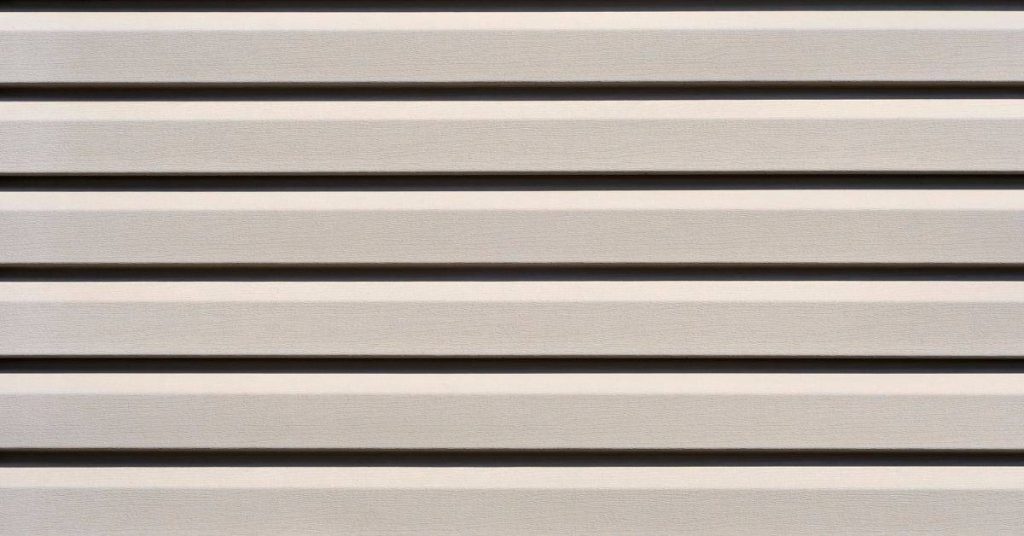
Close-up of beige horizontal lap fiber-cement siding

Painting Fiber-Cement Siding: Primers, Cut Edges, and Why Factory Finishes Still Fail

Introduction Painting fiber-cement siding means choosing compatible primers, sealing exposed cut edges, and recognizing that factory finishes can still peel or wear. This is a practical, hands-on guide you can follow without fancy tools or theory. Check manufacturer instructions and local rules for product compatibility and weather windows. Start by inspecting boards for damage, then

Painting Fiber-Cement Siding: Primers, Cut Edges, and Why Factory Finishes Still Fail Read More »

Stone fireplace surrounded by plaster walls and large windows

Clay Plaster in Entryways: Scuff Resistance, Touch-Ups, and Protective Finishes

Introduction Clay plaster in entryways is a clay-based finish applied to walls to create a durable, breathable surface. In busy entry spots you’ll want to understand how it resists scuffs and how touch-ups go when scuffs happen. Check product labels and local rules for any limits on sealing or indoor use before you start. Touch-ups

Clay Plaster in Entryways: Scuff Resistance, Touch-Ups, and Protective Finishes Read More »

Concrete beams with exposed rebar on construction site

Salt-Finish Concrete on Small Projects: Timing, Cleanup, and Sealing Without Haze

Introduction Salt-finish concrete is a decorative surface created by applying and later washing away salt to expose a textured layer. On small projects, it’s a practical way to add grip and character, but timing and technique matter for a clean look. Always check manufacturer guidelines for how long to work the surface, how to apply

Salt-Finish Concrete on Small Projects: Timing, Cleanup, and Sealing Without Haze Read More »

closeup of textured sand-finish concrete surface

DIY Sand-Finish Concrete: Getting a Fine Texture Without Weak Surface Paste

Introduction DIY Sand-Finish concrete is a surface texture created by applying a fine sand mix to the top to achieve a smooth, speckled look. It’s a hands-on technique that can hide light trowel marks and give the surface a gentle, gritty feel. It’s meant to be practical for a DIY project, not a showroom finish.

DIY Sand-Finish Concrete: Getting a Fine Texture Without Weak Surface Paste Read More »

Close-up of white textured plaster wall surface

Blending Broom Finish Patches: Matching Texture Without Creating a ‘Patch Rectangle’

Introduction Blending broom finish patches means you extend the texture so the repair doesn’t look like a clean, rectangular patch. Aim for a seamless transition by aligning the finish direction with the surrounding concrete and feathering the edges. This is a practical, hands-on approach you can try on a weekend. Prepare the patch by cleaning

Blending Broom Finish Patches: Matching Texture Without Creating a ‘Patch Rectangle’ Read More »