Search Results for: Finish

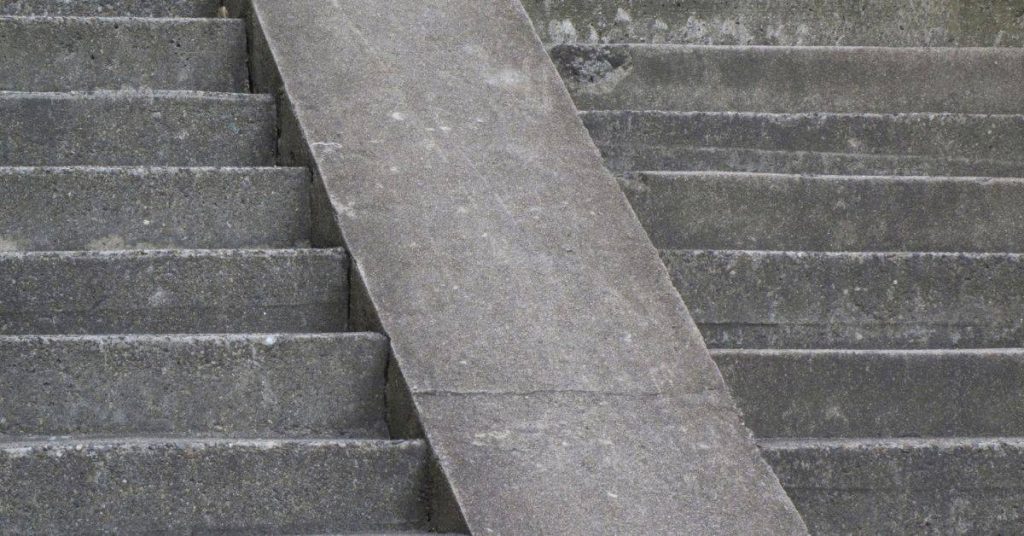
Concrete stairs with a smooth concrete ramp in the middle

Finishing Concrete Along Stairs and Steps: Clean Risers, Tight Corners, and No Ragged Edges

Introduction Finishing concrete along stairs and steps means smoothing and shaping risers and treads to remove ridges and achieve clean, even faces. This work uses hand tools and careful edging to keep joints tight and consistent along each stair edge. The goal is a safe, neat look that lasts without ragged edges. Start by outlining […]

Finishing Concrete Along Stairs and Steps: Clean Risers, Tight Corners, and No Ragged Edges Read More »

Residential exterior wall with stucco finish and windows

Mounting Hose Reels on Stucco: Blocking, Fasteners, and Sealing Without Crushing the Finish

Introduction Mounting hose reels on stucco requires careful blocking, fasteners, and sealing to protect the finish. This article walks you through practical steps that respect the surface and the underlying structure. You’ll learn how to prep, choose safe fasteners, and avoid crushing the texture. Understanding stucco composition and the wall behind it helps you pick

Mounting Hose Reels on Stucco: Blocking, Fasteners, and Sealing Without Crushing the Finish Read More »

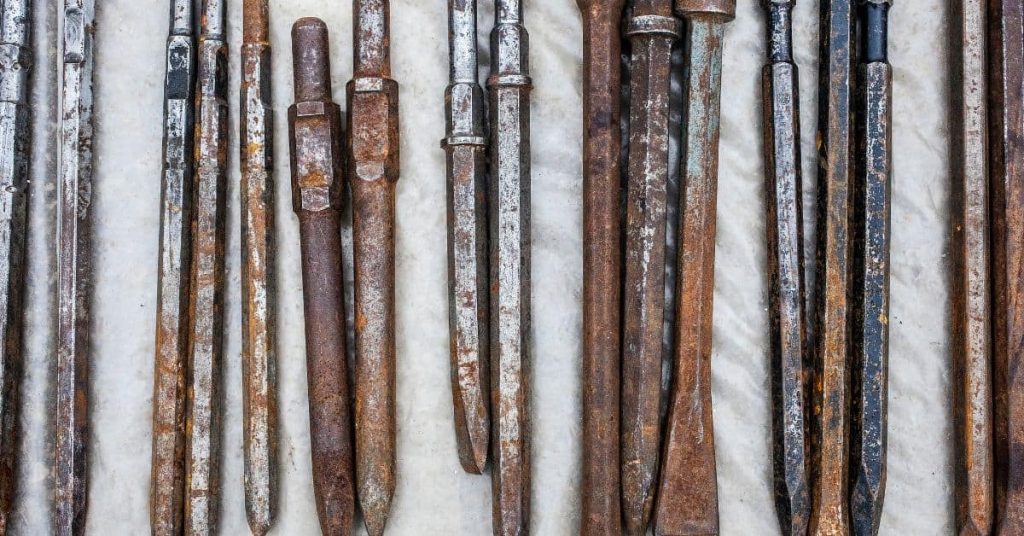
Rusty concrete chisels and tools laid out on a surface

How to Keep Concrete Tools From Rusting: Cleaning, Storage, and Why Oil Can Cause Finish Defects

Introduction Keeping concrete tools from rusting means cleaning, drying, and storing them properly to prevent corrosion. This article walks you through practical steps you can take after a cement job to reduce rust on rakes, trowels, chisels, and other gear. You’ll learn how to clean concrete residue, dry thoroughly, and choose a simple storage setup.

How to Keep Concrete Tools From Rusting: Cleaning, Storage, and Why Oil Can Cause Finish Defects Read More »

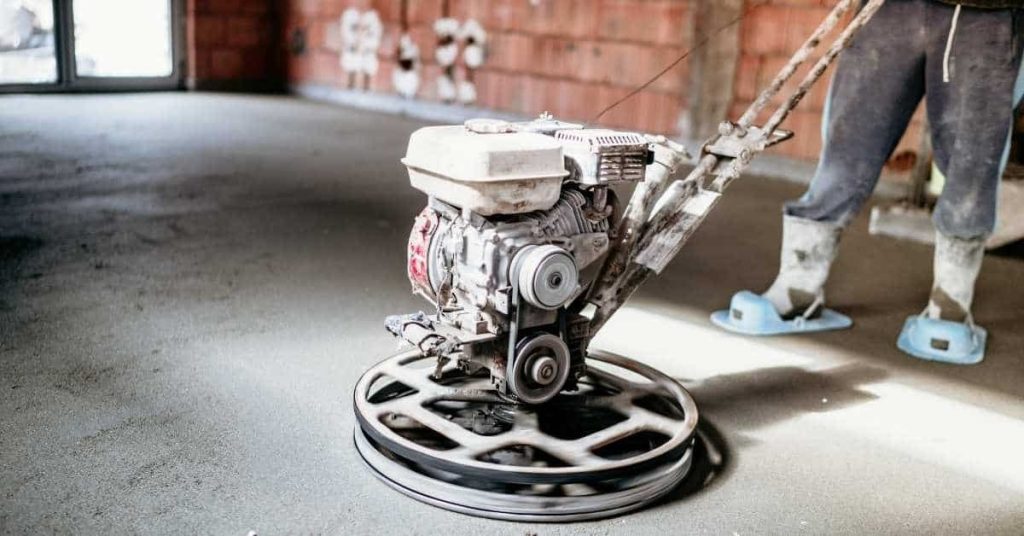
Concrete power trowel smoothing freshly poured floor

DIY Knee Board for Finishing: How to Spread Weight Without Leaving Marks

Introduction A knee board for finishing is a lightweight, portable surface that distributes your weight to prevent marks on finished floors while you work. It helps you keep your lines clean and your knees comfortable as you move along the job. Check the product label or manufacturer instructions for max load and surface grip, and

DIY Knee Board for Finishing: How to Spread Weight Without Leaving Marks Read More »

Paint roller covered in white paint dripping into paint can

Roller Lint in Paint: How to Pre-Wash Rollers and Stop Fuzz in the Finish

Introduction Pre-washing rollers removes loose fibers and lint to improve the finish. Before you load paint, rinse the roller with clean water or a recommended solvent, then spin or squeeze out the moisture and let it dry before use. Lint and fuzz usually come from new rollers, rough surfaces, or poor storage, so check the

Roller Lint in Paint: How to Pre-Wash Rollers and Stop Fuzz in the Finish Read More »

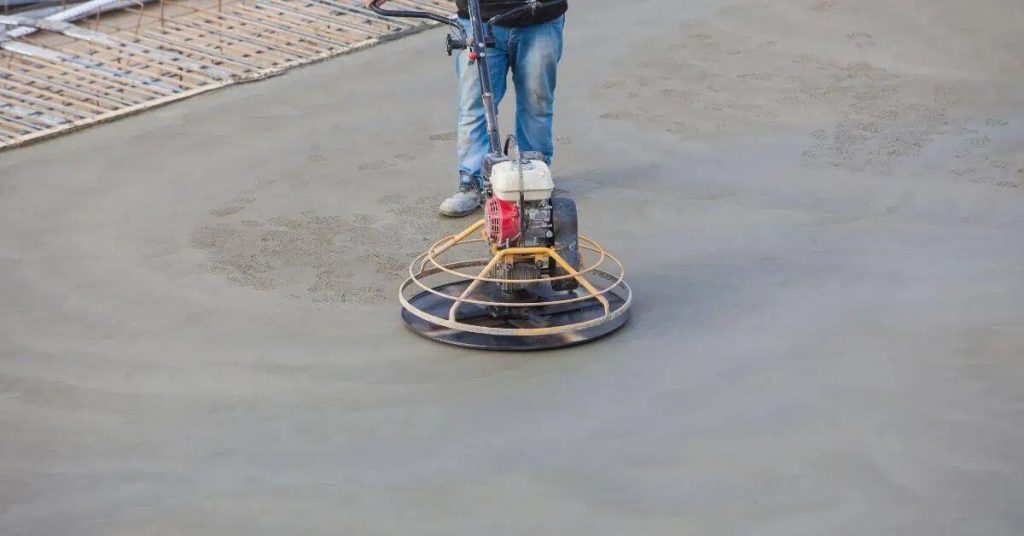
Person operating power trowel on fresh concrete surface

Concrete Finishing at High Altitude: Evaporation Spikes, Set Time Changes, and Curing Adjustments

Introduction Concrete finishing at high altitude means adjusting your process and materials to account for thinner air and changing weather so the slab cures properly and finishes stay intact. Keep the surface protected from rapid evaporation by scheduling pours for cooler parts of the day, covering with appropriate material soon after finishing, and watching wind

Concrete Finishing at High Altitude: Evaporation Spikes, Set Time Changes, and Curing Adjustments Read More »

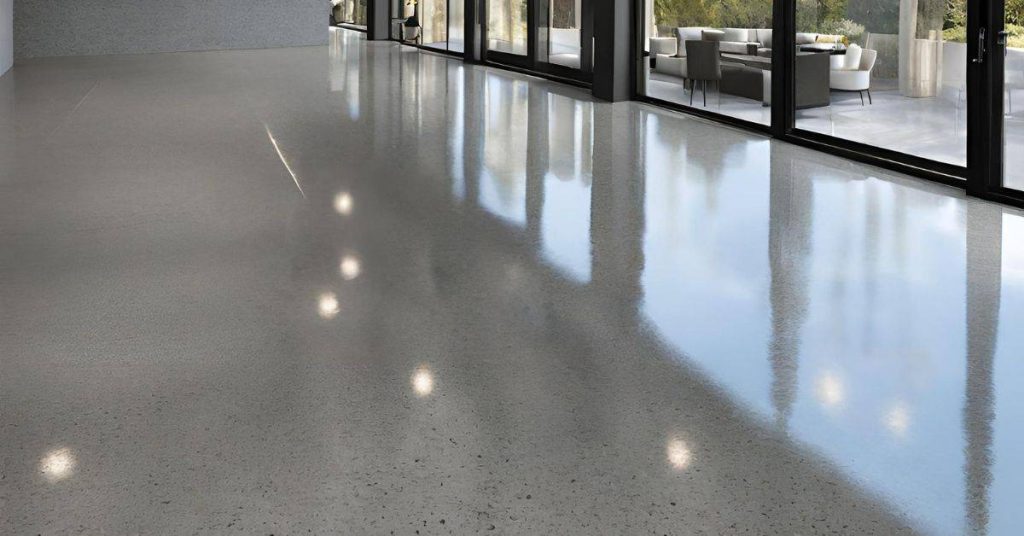
Smooth polished concrete floor reflecting windows and lights

Concrete Finishing for Broom Direction: Traction vs Cleanability Tradeoffs

Introduction Concrete finishing for broom direction is the texture you create when you drag a broom across fresh concrete to set a pattern. This defines how much traction you get and how easy it is to clean. Keep it simple and work with what your slab can tolerate—no gimmicks. Broom patterns range from tight, firm

Concrete Finishing for Broom Direction: Traction vs Cleanability Tradeoffs Read More »

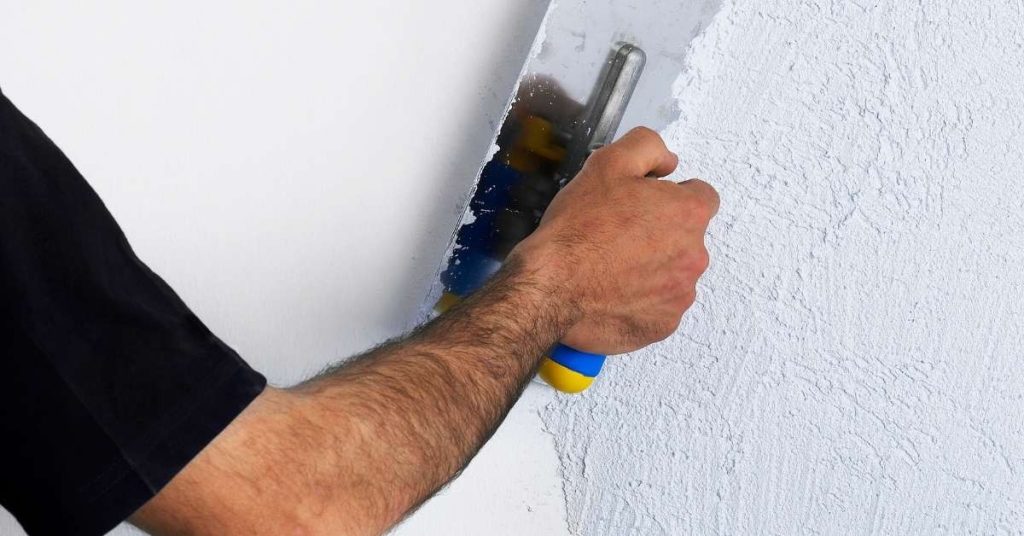
Hand applying textured plaster finish on wall with trowel

Stucco Patch Curing: Misting Schedules That Prevent Weak, Dusty Finish Coats

Introduction Misting during curing helps prevent weak, dusty finish coats on stucco patches. A light, even spray keeps the surface from drying too fast and pulling water away from the patch. Keep it consistent and watch for a slightly damp look without pooling. Set a gentle misting routine and stick with it for the full

Stucco Patch Curing: Misting Schedules That Prevent Weak, Dusty Finish Coats Read More »

Weathered pink stucco wall with discoloration and patches

Acrylic Finish Coats (Synthetic Stucco): When They’re Appropriate and How to Avoid Plastic-Looking Patches

Introduction Acrylic finish coats are a synthetic stucco layer applied to exterior walls for a hard, weather-resistant surface. They’re appropriate when you want a durable, low-maintenance outer coat that can flex with shifting framing. Choose a system that matches your substrate and climate, and verify guidance from the manufacturer or local rules. The installation steps

Acrylic Finish Coats (Synthetic Stucco): When They’re Appropriate and How to Avoid Plastic-Looking Patches Read More »