Search Results for: Finish

Person smoothing wet concrete sidewalk using long-handled tool

Lighting for concrete and plaster finish work: raking light tricks that reveal waves before it’s too late

Introduction Raking light uses side-on illumination to highlight surface irregularities in concrete and plaster. This technique helps you spot waves and tool marks early, so you can address them before finishing. Set up an adjustable light at a low angle and sweep it across the area to reveal texture. Use a portable light with a […]

Lighting for concrete and plaster finish work: raking light tricks that reveal waves before it’s too late Read More »

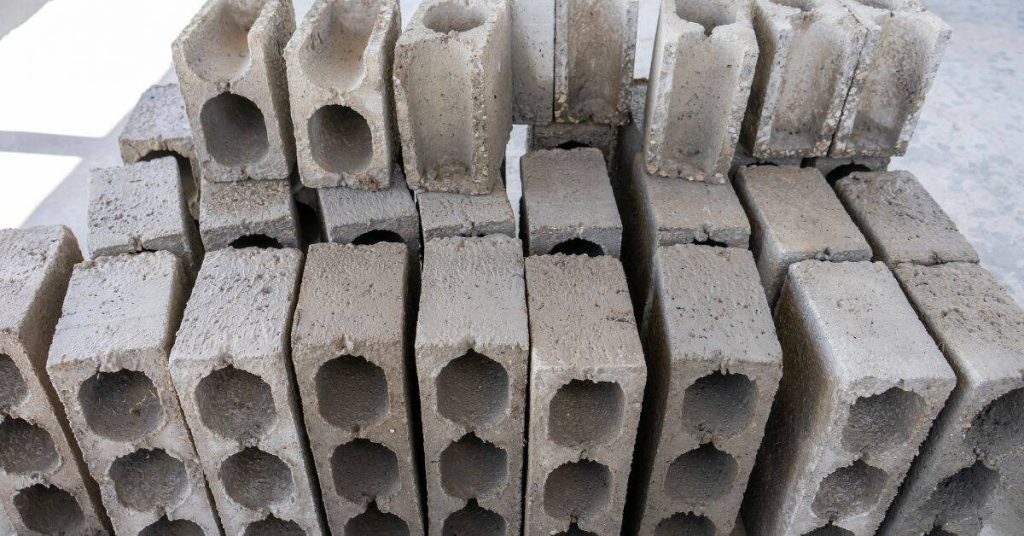
stacked hollow concrete blocks in various shapes and sizes

Knee pads and kneeboards on concrete slabs: when they save finishes and when they ruin texture

Introduction Knee pads and kneeboards are protective and guiding tools used on concrete slabs to cushion joints and protect the surface. They can help finishes stay clean by preventing gouges, but improper use can mar textures or leave indentations. Choose pads and boards that fit your knee height and project needs, and adjust as you

Knee pads and kneeboards on concrete slabs: when they save finishes and when they ruin texture Read More »

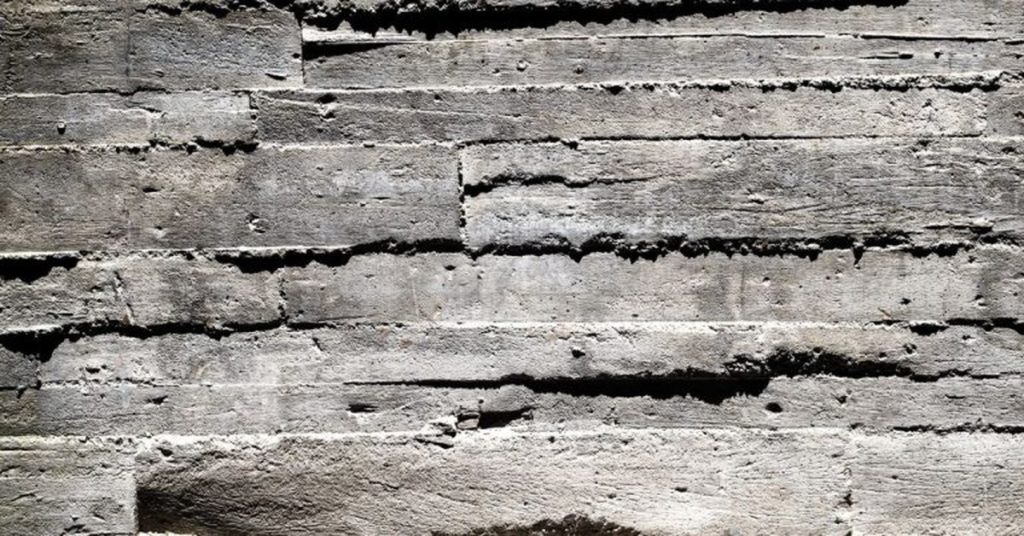
Close-up of rough concrete surface with wood grain texture

Concrete float comparison: mag, wood, resin—how each changes the finish

Introduction A concrete float comparison explains how magnesium, wood, and resin floats affect the surface finish. This article frames what each float type does as you work a concrete slab or patch, with plain, hands-on guidance. You’ll see what to expect in real-world use and how to judge the finish as you go. Magnesium floats

Concrete float comparison: mag, wood, resin—how each changes the finish Read More »

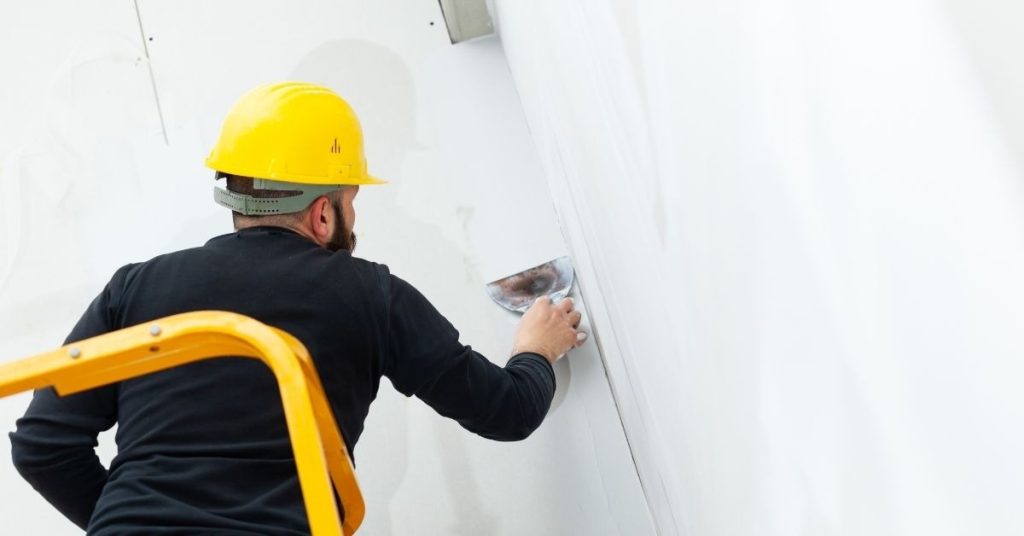
Worker in yellow helmet applying plaster on white wall

Blending sheen on polished plaster finishes: spot repair vs full-wall rework

Introduction Spot repair and full-wall rework are two approaches to restore or adjust sheen on polished plaster finishes. This article compares when to use each method and what you should expect in terms of result and effort. It keeps the focus practical, with plain-language guidance you can follow on a real job. Polished plaster has

Blending sheen on polished plaster finishes: spot repair vs full-wall rework Read More »

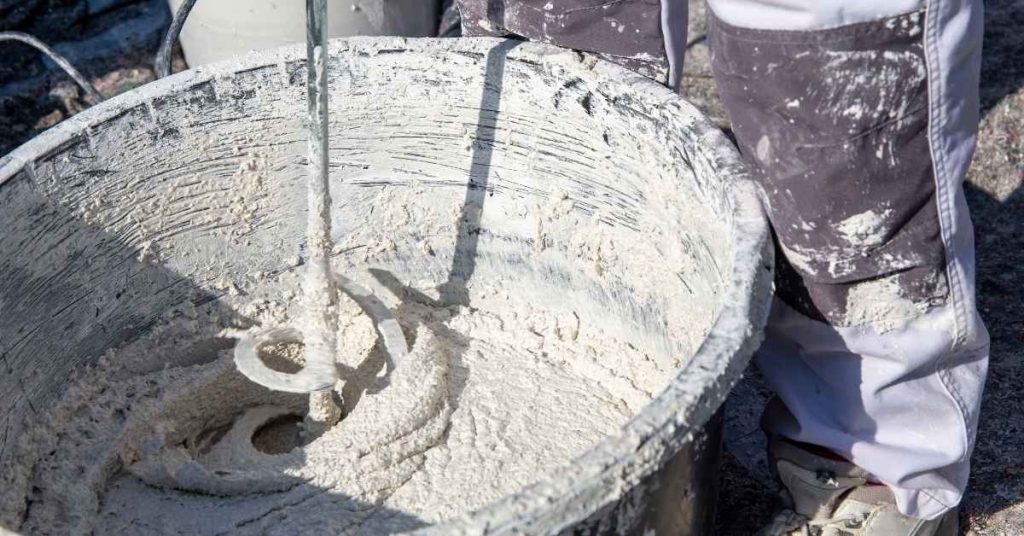
Close-up of plaster being mixed in a large bucket with a drill mixer

Mixing small plaster batches: setting time control without weakening the finish

Introduction Setting time control for small plaster batches means managing how fast plaster hardens without compromising surface quality. Keep an eye on temperature and humidity, since they influence cure speed and finish. Use small, workable batches and follow the manufacturer’s guidance for mixing and setting, then adjust for environmental conditions in your space. If you

Mixing small plaster batches: setting time control without weakening the finish Read More »

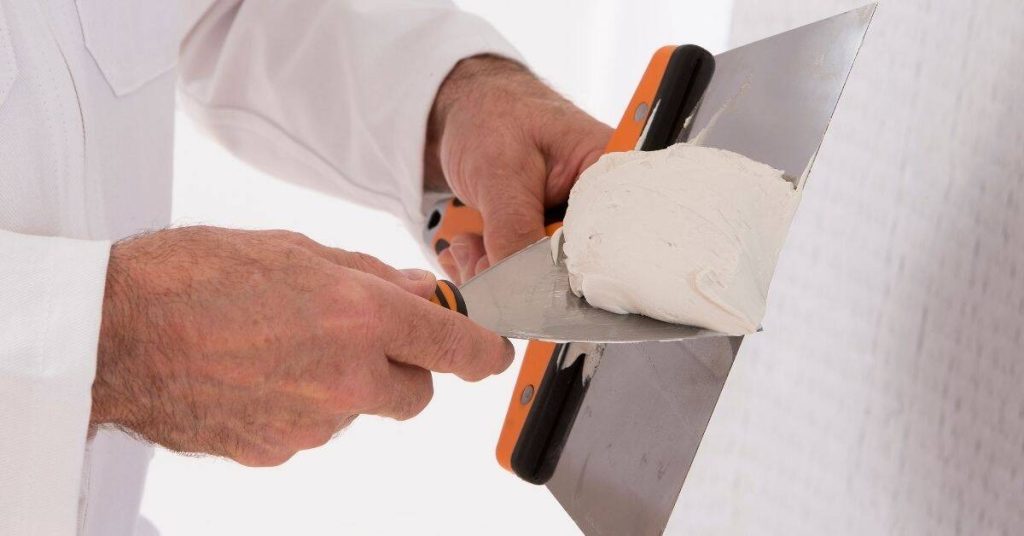
Hands applying white plaster to a trowel

Venetian plaster finish basics: burnish stages and fixing drag marks and chatter

Introduction Venetian plaster finish basics explain how burnish stages create depth and how to manage drag marks and chatter during application. This guide walks through practical steps you can take when applying the plaster on walls or ceilings. It focuses on technique over theory, with plain language and real‑world checks. You’ll learn how the burnish

Venetian plaster finish basics: burnish stages and fixing drag marks and chatter Read More »

Person smoothing plaster on wall with trowel wearing red glove

Matching a 1920s plaster finish: how to recreate subtle trowel marks and sheen

Introduction A matching 1920s plaster finish is a subtle, handmade wall surface that uses light trowel marks and a soft, aging sheen. The goal is to recreate the quiet texture and depth of period walls without looking overdone. It involves careful surface work, controlled plaster mixes, and patient application. Before you start, assess the existing

Matching a 1920s plaster finish: how to recreate subtle trowel marks and sheen Read More »

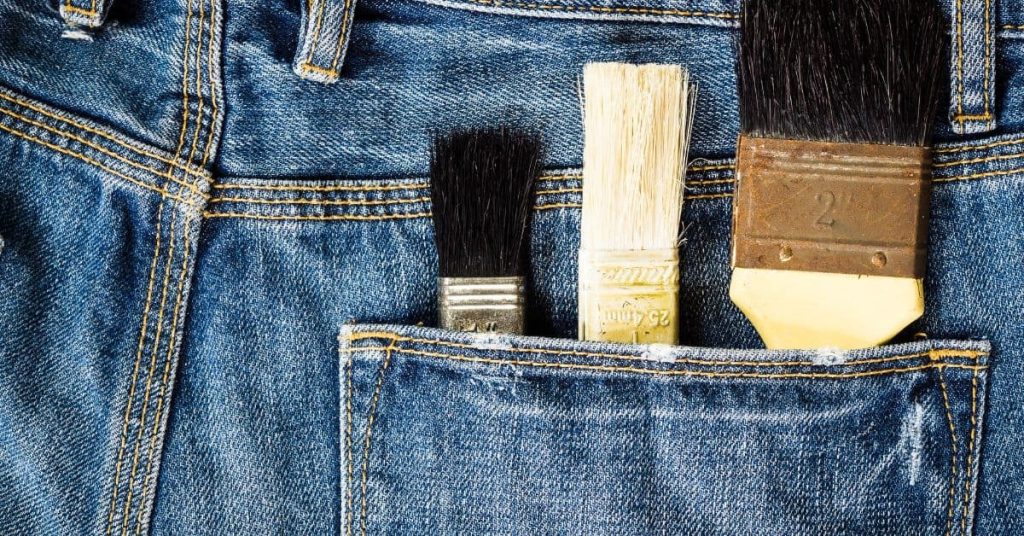
Three different paintbrushes in a blue denim pocket

Stucco texturing tools and patterns: how to replicate dash, lace, and sand finishes

Introduction Stucco texturing tools and patterns refer to the tools and methods used to create dash, lace, and sand finishes on stucco surfaces. This introduction explains how different textures are achieved and what to expect during a DIY application. Start by checking local rules and manufacturer instructions for surface prep and safety. The article covers

Stucco texturing tools and patterns: how to replicate dash, lace, and sand finishes Read More »

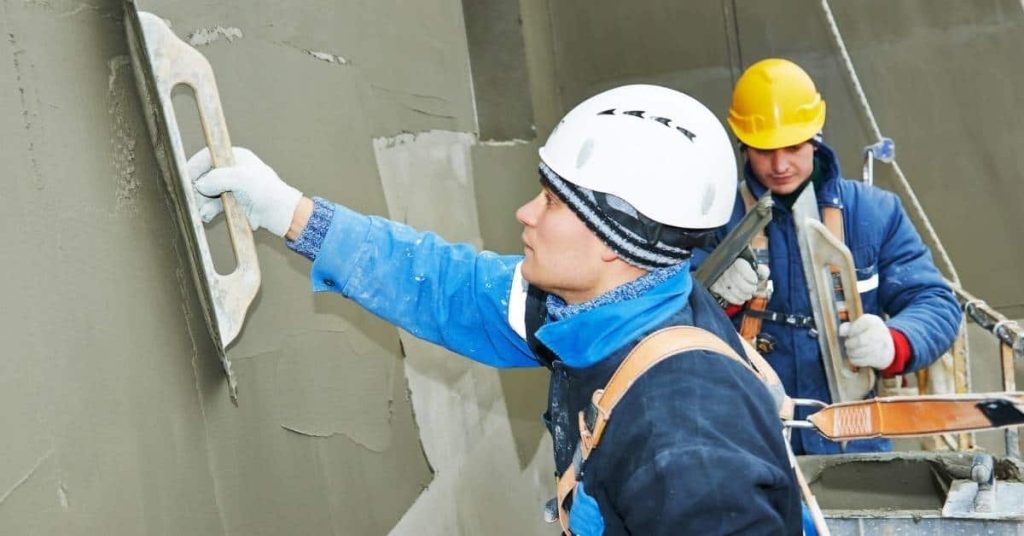
Two workers applying stucco finish coat on wall outdoors

Stucco finish coat batch matching: keeping color consistent across multiple days

Introduction Batch matching for stucco finish coat means keeping the color and texture consistent between mixes produced on different days. This article offers practical, hands-on guidance for achieving a uniform look across project days. You’ll learn basic steps to test color, record your results, and adjust as needed. Materials you’ll need include the finish coat

Stucco finish coat batch matching: keeping color consistent across multiple days Read More »

Closeup of beige textured stucco wall surface

Efflorescence on colored stucco: cleaning without bleaching or streaking the finish

Introduction Efflorescence on colored stucco is mineral salts that migrate to the surface and form a white, powdery or crusty residue. It signals salts moving through the wall from within the substrate or from moisture in the wall. The appearance doesn’t reflect color fade in the finish itself, but a surface phenomenon you can address

Efflorescence on colored stucco: cleaning without bleaching or streaking the finish Read More »