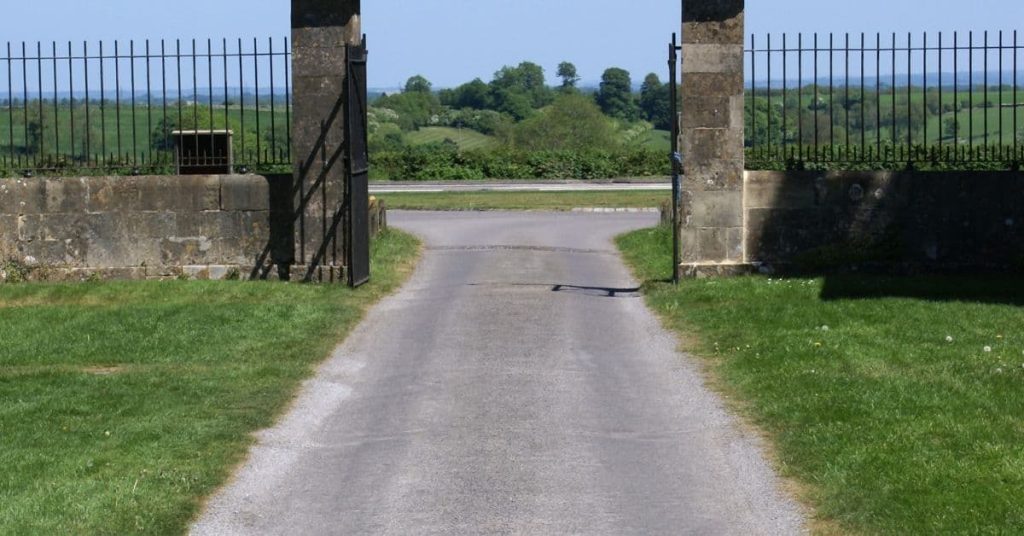
Stone-look concrete gate pillars with metal fence panels

Stone-Look Concrete Finishes: Rub Techniques, High Spots, and Sealer Choices

Introduction

Stone-Look Concrete Finishes are achieved by rubbing and refining a concrete surface to resemble natural stone. On the job, you’ll use hand tools and trowels to work the surface while it’s still workable, then wipe, rub, and burnish to blend colors. Check product labels and manufacturer instructions for cure times and safety before starting.

To address high spots, focus on feathering with lighter passes and consistent pressure, then sand lightly if necessary. For sealers, choose between penetrating and film-forming types based on foot traffic and appearance, and follow label directions for application, drying times, and recoat intervals. Always verify local rules and product labels for specific recommendations and safe ranges.

Key takeaways

  • Select stone-look finishes and rub techniques aligned with manufacturer instructions.
  • Gather reliable resources and tools from reputable suppliers and recognized competitors.
  • Identify high spots early, then plan grinding or patching before sealing.
  • Prepare surface by cleaning and scoring edges to improve sealer adhesion.
  • Choose sealers based on finish, breathability, and maintenance; follow label directions.
  • Apply sealers evenly, maintain ventilation, and wear PPE to avoid fumes.
Table of Contents

What Is a Stone-Look Concrete Finish and When to Choose It

A stone-look concrete finish imitates natural stone textures and tones on a concrete surface. It aims to resemble patterns like flagstone or slate through rubbing, texture depth, and controlled color, rather than plain smooth concrete. It blends visual richness with the durability of a concrete base and avoids heavy stone installation costs when done right.

Rubbing-based textures differ from decorative stamping or staining by relying on surface texture and abrasion to create realism. This method can work on floors, patios, and even countertops, offering a tactile depth that certain colors alone cannot achieve. Plan for sample boards, test patches, and stone archetypes before committing to color and texture to manage expectations and maintenance needs.

Styles, Textures, and Design Outcomes

The stone-look finish can mimic various natural stones. Here’s how:

  • Weathered: Use a coarse grit to create deep, worn texture. Seal with a flat or matte sealer.
  • Honed: Fine grit for smooth, subtle texture. Glossy sealer brings out the sheen.
  • Textured: Combine grit sizes and techniques for varied, realistic look. Semi-gloss sealer balances depth and reflectivity.

New Pours vs Existing Concrete

Applying stone-look finishes to newly poured (green) concrete:

  1. Wait for initial set (4-6 hours).
  2. Wet the surface.
  3. Apply rubbing compound, working quickly.

On existing slabs, first:

  • Clean and prep the surface.
  • Check for stability and soundness.
  • Moisten before applying rubbing compound.

Back to top ↑

Tools and Materials Checklist

Define essential tool categories: rubbing blocks or pads, grinding or sanding discs, hand tools like trowels and brushes, and measuring or marking tools to ensure even coverage. These basics keep texture consistent from area to area. Keep tools clean and in good condition to avoid transfer of old textures.

List key consumables and abrasives with task guidance: abrasive grades, grit progression, bonding or release agents, and clean-up supplies. Match abrasive type to surface condition and the finish you want, rather than chasing model numbers. Include PPE, dust control gear, and a organized workspace to prevent texture contamination.

Power tools and hand tools

Before you start, make sure you have the right tools for the job. This checklist helps you gather everything you need.

  • Grinders/angle grinders: For heavy-duty grinding and shaping. Check if discs are secure and in good condition.
  • Surface polishers: For fine-tuning the finish. Ensure pads are attached properly and in good shape.
  • Rubbing stones: For smoothing out surfaces. Inspect for cracks or warping.
  • Trowels: For spreading and leveling materials. Check trowel edges for sharpness.
  • Hand rasps: For rough shaping. Ensure teeth are intact and not too dull.
  • Hand floats: For smoothing and leveling small areas. Inspect for any damage.

Quick rule: Always inspect tools before use to avoid accidents or poor results.

Abrasives, pads, and consumables

Choose the right abrasives for your task. This checklist helps you select the best ones.

  • Abrasive pads: For rubbing down concrete. Match grit size to surface condition (coarse for rough surfaces, fine for smooth).
  • Grit progression: Start coarse, progress to fine. Skip too many grits and you’ll damage the finish.
  • Bonding agents: For adhering abrasives to pads. Check compatibility with your sealer or stain.
  • Release agents: To prevent concrete from sticking to tools. Apply sparingly, follow manufacturer’s instructions.
  • Masking tape: To protect adjacent surfaces. Press down firmly to seal edges.

Quick rule: Always verify abrasive compatibility with your sealer or stain to avoid issues later on.

Safety gear and site setup materials

Protect yourself and your workspace. This checklist ensures you’re ready for a safe job.

  • Respirator: To protect from dust. Ensure it fits properly and is in good working order.
  • Eye protection: Safety glasses or goggles to prevent debris from entering eyes.
  • Ear protection: Earplugs or earmuffs for loud tools. Check if they’re comfortable and block noise effectively.
  • Gloves: To protect hands from cuts and abrasions. Ensure they fit well and provide good grip.
  • HEPA vacuum: For dust control. Test it before starting to ensure it’s working properly.
  • Water suppression system: For wet grinding or polishing. Check all connections and ensure water flows freely.
  • Containment materials: Plastic sheets, tape for protecting adjacent surfaces. Ensure they’re securely attached.

Quick rule: Always prioritize safety. A safe workspace means a better finish.

Back to top ↑

Rub Techniques for Creating Realistic Stone Texture

Core rubbing approaches include controlled dry rub, damp rub, and guided patterns like cross-hatch or linear passes. Each method reveals aggregate and creates relief to different depths. Choose based on the target stone look and desired level of texture visibility.

Follow a practical sequence: prep the surface, perform rough passes, then apply progressive passes with lighter pressure, finishing with refining passes. Maintain steady strokes, monitor resistance, and test texture on scrap spots to avoid overdoing it. Safety, dust management, and clean-up support a reliable finish and smoother sealer results afterward.

Wet rubbing vs dry rubbing: when to use each

Dry rubbing is the go-to for most stone-look finishes. It’s quick and reveals aggregate well. But it kicks up a lot of dust.

Wet rubbing, on the other hand, controls dust but slows down progress. It’s great for preserving texture and safety around sensitive areas like windows or plants.

Use wet rubbing when you want to minimize dust, protect surrounding surfaces, or achieve a subtle sheen from the damp surface. For most jobs though, dry rubbing is your friend.

Step-by-step rub technique for stone-look finishes

This sequence helps you create a consistent, realistic stone texture. Follow these steps and check your progress along the way.

  1. Prep surface: Clean, dry, and let concrete cure at least 28 days.
  2. Initial pass: Use coarse abrasive (e.g., 30-grit) in linear strokes to reveal aggregate. Work against the grain for best results.
  3. Progressive grits: Switch to finer grits (60, 120) with each pass, using cross-hatch or circular motions to create relief and refine texture.
  4. Texture sculpting: Use a soft brush or broom to remove loose aggregate and define edges. Check for desired level of relief.
  5. Final fine rub: Lightly go over the surface with a very fine grit (220+) to smooth out any harsh spots and prepare for sealing.

Common rubbing problems and fixes

Overcutting happens when you apply too much pressure or use a coarse grit too long. To fix, switch to a finer grit and feather the edges of the overcut area.

Inconsistent texture can be due to varying pressure or grit size. Go back with a consistent grit and even pressure to blend it out.

Haze is a thin film left behind by some abrasives. To remove, lightly wet the surface and wipe off with a clean cloth. If it persists, use a haze remover product.

Back to top ↑

Identifying and Removing High Spots

High spots are raised areas that hinder texture continuity and sealer performance. They stand out under oblique light and can distort the overall look if not addressed. Early identification helps keep the pattern intact and prevents localized failures.

Inspect with a long straightedge, feel with a gloved hand, and document each spot on a simple map. Start removal gently with hand sanding or a dry rub, then proceed to localized actions only where needed. Protect adjacent texture and edges during the process and recheck flatness after each pass.

Inspection and visual/tactile checkpoints

Before you start removing high spots, follow this checklist to map them out. It’s best to do this after the concrete has cured but before sealing.

  • Oblique lighting: Use a flashlight at an angle to cast shadows and reveal any raised areas.
  • Straightedge test: Run a long straightedge across the surface. High spots will show as gaps between the edge and the concrete.
  • Tactile feel: Wear gloves or use a feeler gauge to gently touch the surface. You’ll feel any irregularities.
  • Walk the pattern: Follow the stone-look texture with your eyes. Any sudden changes in level will stand out.
  • Mark priority areas: Note down high spots and their severity using a simple grid or map. This helps you focus on the worst areas first.
  • Avoid skipping: Overlooking high spots can lead to poor sealer adhesion and an uneven finish.

Quick rule: Always inspect with the naked eye, a straightedge, and by touch. This ensures you catch all high spots.

Mechanical removal methods

Once you’ve identified high spots, use these careful grinding techniques to remove them without damaging the surrounding texture.

Angle grinders: Use a low-speed setting and a coarse grit disc. Work in small circles, following the stone-look pattern. Keep the disc flat on the surface to avoid creating low spots.

Floor grinders can also be used for larger areas. Follow the same principles – slow speed, coarse grit, and keep it flat.

Control material removal: Regularly check your progress with a straightedge. Stop grinding once the high spot is level with the surrounding texture. Always follow manufacturer guidelines for blade/pad selection to avoid damaging the concrete.

Fine finishing and touch-up after removal

After removing high spots, blend the corrected areas into the adjacent stone-look texture with these techniques.

Sanding: Use progressively finer grits to smooth out any rough edges. Start with 80-grit, then move up to 120 and finally 220 for a smooth finish.

Hand-rubbing: Use a rubbing pad dampened with water or a suitable lubricant to blend the corrected area into the surrounding texture. Work in small circles, following the stone-look pattern.

Thin patching: If there are any small voids left after grinding, use a thin concrete patch mixed according to manufacturer instructions. Apply it sparingly and smooth it out with a trowel or rubbing pad. Always do test patches first to match the color and texture.
Back to top ↑

Concrete driveway passing through stone gate pillars and metal fence

Preparing the Surface Before Sealing

Thorough cleaning and degreasing remove dust, oils, and contaminants that hinder sealer adhesion and uniform appearance. Repairs should be finished and feathered so sealer pools don’t form in depressions. Safety and dust control are easier when prep stays organized.

Check moisture, pH, and profile requirements before sealing. Use compatible patching compounds and consider primers if recommended. Plan environmental windows for temperature and humidity, and keep manufacturer data on hand for reference during the seal step.

Cleaning, degreasing, and etching considerations

Start by removing any loose debris with a broom or shop vacuum. Use a degreaser to tackle oils, curing compounds, and residues. Be sure to follow the manufacturer’s instructions for safe handling and application.

For tough stains, you might need mechanical cleaning like sandblasting or grinding. Always verify product compatibility before mixing cleaners.

Etching can improve sealer adhesion. Use an acid-based etcher if your concrete is dense and smooth. Test a small area first to ensure no adverse reactions.

Repairing cracks, voids, and delaminations

For hairline cracks, use a flexible epoxy injection. For larger gaps or voids, apply a patch mortar. Match the texture and color to the surrounding concrete for seamless results.

Delaminations need microtoppings or self-leveling overlays. Grind the affected area smooth before applying. Always feather edges to prevent sealer pooling.

Moisture, temperature, and adhesion checks

Excess moisture can ruin your sealant job. Use a moisture meter to check the concrete’s moisture vapor emission rate (MVER). Follow your sealer’s guidelines for acceptable levels.

High humidity or low temperatures can hinder adhesion. Apply sealers when temps are between 50-90°F (10-32°C) and humidity is below 70%. Always follow the manufacturer’s application instructions.

Back to top ↑

Sealer Choices and How to Choose for Stone-Look Concrete

Sealer families fall into penetrating versus film-forming groups, with water-based and solvent-based options. Each category fits different stone-look results, environment, and wear patterns. Understand how the base texture and prior rub work with the sealer you select.

Appearance options range from a natural look to a more pronounced wet or glossy finish, affecting color depth and texture. Durability, maintenance needs, and recoat intervals depend on the sealer type and substrate. Compare technical datasheets for solids, VOCs, coverage, and substrate compatibility when making your choice.

Penetrating vs Film-forming Sealers

When it comes to sealing your stone-look concrete, you’ve got two main types of sealers: penetrating and film-forming.

Penetrating sealers, like silane or siloxane, soak into the concrete’s pores. They protect from within, retaining the texture and natural look of your surface. These are great for a more subtle, matte finish.

Film-forming sealers, such as acrylics, polyurethanes, or polyaspartics, create a protective layer on top. They alter the sheen and provide extra surface protection but can slightly change the texture and appearance.

Water-based, Solvent-based, and High-performance Coatings

Sealers come in different formulations. Here’s what you need to know:

Water-based sealers are low VOC, have minimal odor, and clean up easily with water. They’re great for indoor use or when ventilation is a concern. However, their performance may not match solvent-based or high-performance options.

Solvent-based sealers offer better durability but come with higher VOCs, strong odors, and require solvent-based cleaners. They’re typically used outdoors due to these factors.

High-performance coatings, like urethanes or polyaspartics, provide excellent protection and durability. They’re often used in heavy-traffic areas but may have higher VOCs and require professional application.

Matching Sealer to Usage and Maintenance Expectations

Choosing the right sealer depends on how you’ll use your space:

For interior, low-traffic areas, a water-based, penetrating sealer might suffice. It’s easy to apply, low-maintenance, and won’t alter the natural look of your concrete.

For exterior or high-traffic areas, consider solvent-based or high-performance sealers for better durability. If you want a glossy finish, opt for film-forming sealers. But remember, they’ll require more maintenance and touch-ups.

Before committing, test different sealers in small areas. Document their appearance, durability, and how well they hold up to your specific conditions.

Back to top ↑

How to Apply Sealers to Stone-Look Concrete Surfaces

Texture influences application: ribbed or irregular surfaces often require slower application, back-brushing, or multiple coats to avoid pooling and ensure even sheen. Choose a sealer type and sheen that complements the look while staying compatible with the rub work. Plan small test areas to verify adhesion and appearance.

Outline application methods and tools, including brush, roller, or sprayer, with any required dilution and coat sequence. Maintain a wet edge, stagger passes, and address textured zones with multiple directions to reduce holidays. Note recoat windows, cure times, edge gaps, and safety guidelines for ventilation and PPE.

Step-by-Step Process

Follow these practical steps to apply sealers to your stone-look concrete surfaces safely and effectively.

  1. Preparation: Clean, degrease, and etch the surface. Repair cracks and voids.
  2. Moisture Check: Ensure the slab is dry and free from moisture using a calcium chloride test.
  3. Safety First: Put on appropriate PPE (gloves, goggles), ensure proper ventilation, and follow manufacturer’s safety guidelines.
  4. Sealer Application: Use recommended tools (brush, roller, or sprayer) for even coats. Follow dilution and coverage instructions.
  5. Final Checks: Allow the sealer to cure as per manufacturer’s recommendations. Inspect for any missed spots or inconsistencies.

Application methods and tips (roller, sprayer, mop)

Each application method has its pros and cons for textured surfaces. Choose the right one based on your surface and comfort level.

Rollers: Good for even coverage but may leave lap marks if not done carefully. Use a 9-inch roller cover for best results.

Airless sprayers: Provide quick, even coverage but require proper technique to avoid over-application in low spots. Use a wide fan tip (e.g., 0.015 or 0.017) for textured surfaces.

Applicator mops: Ideal for large, flat areas and can help achieve an even sheen. However, they may not reach into deep texture grooves as effectively.

Layering, flash times, and recoat guidance

Building up the sealer in thin coats ensures even coverage and prevents pooling. Follow manufacturer’s guidelines for dry/flash times between coats.

Environmental conditions like temperature and humidity can affect drying times. Don’t rush recoats; wait until the surface is fully cured to avoid damaging the seal.

Dry/Flash Times: Typically range from 12-48 hours, depending on sealer type and environmental conditions. Always follow manufacturer’s recommendations.

Dealing with textured/porous stone-look surfaces

Textured surfaces can pose challenges when applying sealers. Here are some tactics to prevent puddling and ensure even sheen.

Work in thin coats: Apply sealer in multiple thin coats rather than one thick coat to avoid over-application in low spots.

Back-rolling/back-brushing: Work the sealer into the texture using a back-and-forth motion with your roller or brush. This helps ensure even coverage and penetration.

Check sheen consistency: Inspect test patches for consistent sheen before applying the sealer to the entire surface. Adjust application techniques as needed.

Back to top ↑

Common Mistakes, Safety Considerations, and Project Planning (Budget and Timeline)

Top mistakes include inadequate surface prep, using incompatible sealers, skipping moisture tests, and rushing cure times. For each issue, plan practical fixes like additional prep passes, species-appropriate sealers, or extended drying windows. A methodical approach reduces rework and surprises on site.

Safety basics cover PPE, ventilation, chemical handling, and dust control. Pre-project checks should cover substrate moisture, environmental limits, and a test patch protocol. When planning, break tasks into phases and document scope and sequencing to support realistic timelines and contingency planning without listing costs.

Top mistakes to avoid (prep, technique, sealer mismatch)

Here are common pitfalls that can ruin your stone-look concrete finish and sealer performance. Learn from these to get it right the first time.

  • Inadequate cleaning: Dirt and grease prevent sealers from bonding. Always clean and degrease before applying any product.
  • Skipping test areas: Every surface is unique. Test sealers on a small patch to ensure compatibility and desired outcome.
  • Wrong sealer type: Using the wrong sealer can lead to discoloration, poor adhesion, or inadequate protection. Match your sealer to the finish and usage expectations.
  • Over- or under-rubbing: Too much or too little rubbing can cause inconsistent texture or weak bond. Follow manufacturer guidelines for rub time and technique.

Remember, prevention is better than cure. Take your time to prep right, test, and follow instructions.

Safety precautions and best practices

Your safety and the longevity of your project depend on following these essential guidelines.

Personal Protective Equipment (PPE): Wear gloves, safety glasses, and a respirator when handling chemicals. Long sleeves and pants protect against concrete dust and sealers.

Ventilation: Ensure adequate ventilation to prevent fumes from building up. Use fans if necessary, but keep them away from dust sources to avoid spreading it.

Always follow product Safety Data Sheets (SDS) for safe handling, storage, and disposal of chemicals. Follow local regulations regarding waste disposal. Keep your workspace clean and organized to minimize trip hazards.

Budgeting, sourcing materials, and timeline planning

The right materials and a well-planned schedule ensure your project stays on budget and looks great. Here’s how to plan:

  • Surface prep tools: Invest in quality tools like diamond blades, grinders, and vacuums for dust control.
  • Patching compounds: Use high-quality, fast-setting compounds to minimize downtime.
  • Abrasion methods: Choose between mechanical (grinding) or chemical (etching) abrasion based on your desired finish and substrate condition.
  • Sealer types: Consider penetrating, film-forming, water-based, solvent-based, or high-performance coatings. Each has its pros and cons.
  • Reliable resources: Get quotes from reputable suppliers and contractors. Check reviews and ask for references.
  • Test patches: Allocate time for test patches to ensure desired results before full-scale application.
  • Cure times: Factor in cure times for sealers, patching compounds, and the final finish. Rushing can lead to weak bonds or poor adhesion.

Document your project scope, sequencing, and allow for contingencies like weather delays. Regularly review and update your timeline as needed.

Back to top ↑

Conclusion

Clean, stone-like finishes last when you respect the prep, texture work, and sealing steps. The right approach keeps the surface durable, looks authentic, and reduces costly fixes later. Safety comes first—work methodically, test, and don’t rush the seal.

Start with a small test patch to verify texture and adhesion, then address any high spots you find, and choose a sealer that matches the look you want. Follow the order: prep, rub technique refinements, correct high spots, then seal; test each stage in good lighting and a discreet area, and always read and follow the product directions. When in doubt, proceed slowly, document what you did, and keep surrounding areas protected and clean.

Common mistakes to avoid include skipping surface preparation, overworking the same spot and creating unnatural borders, and sealing before the surface is fully dry or cured. Protect surrounding surfaces, wear proper PPE, and work in good ventilation with steady, moderate temperatures. If the project scope grows, or you’re unsure about substrate compatibility or sealer compatibility, don’t push ahead—calling in a pro can save time and money in the long run.

Back to top ↑

FAQ

What rubbing technique gives a realistic stone look without creating flat spots?

Use a firm, even motion and keep the pad at a consistent angle. Work in small sections and blend edges as you go. Check your finish by stepping back to spot any uneven texture and touch it up only where needed.

How do I address high spots that show up after rubbing and grinding?

Identify the high spots and rework only those areas with a lighter pass or a finer pad. If a spot remains proud, you may need to re-dampen lightly and blend it into the surrounding texture. Always follow the pad manufacturer’s guidance and local safety rules.

What should I look for when choosing a sealer for stone-look concrete?

Match the sealer to your surface and exposure. Check the label for gloss level, wear resistance, and if it’s suitable for decorative, textured finishes. If in doubt, compare the manufacturer instructions and local recommendations.

How do I apply different types of sealers and what are the pros and cons?

Penetrating sealers soak in and are easy to maintain; film-forming sealers add a surface layer and can enhance color but may require upkeep. Follow the product label for surface prep,施工 temperature range, and reapplication intervals. If you’re unsure, ask the supplier or read the DIY guidance before starting.

Back to top ↑

More about this topic