Search Results for: 10 INCH ROUND CONCRETE

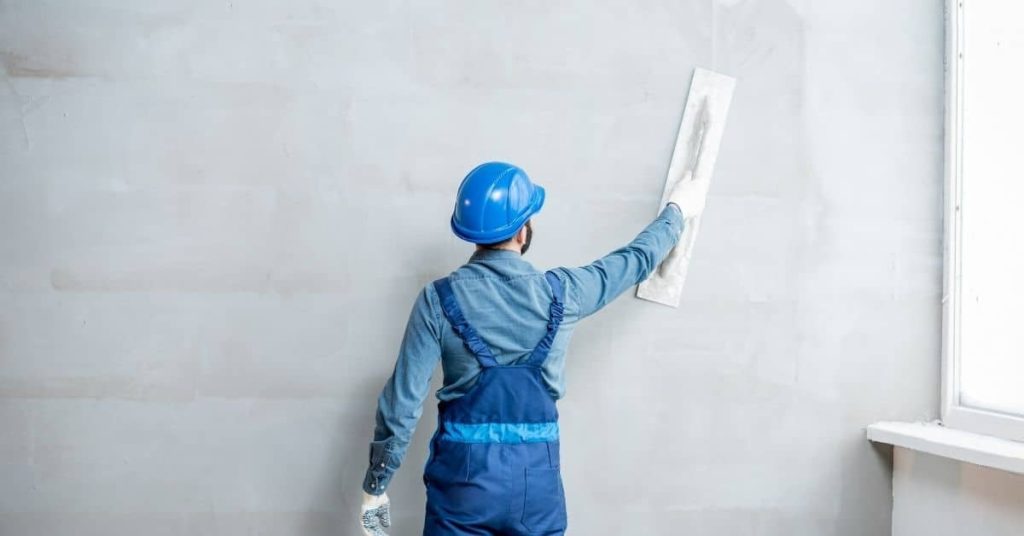
Person applying stucco texture on exterior wall with hawk and trowel

Stucco Around Gas Meters: Clearances, Mounting, and Leak-Safe Sealing

Introduction This article explains how to stucco around gas meters with proper clearances, mounting, and leak-safe sealing. Work must follow safety rules and local codes, and you should verify with the meter installer and building department. Use this as a practical, hands-on guide rather than a theory manual. You’ll learn how to plan the stucco […]

Stucco Around Gas Meters: Clearances, Mounting, and Leak-Safe Sealing Read More »
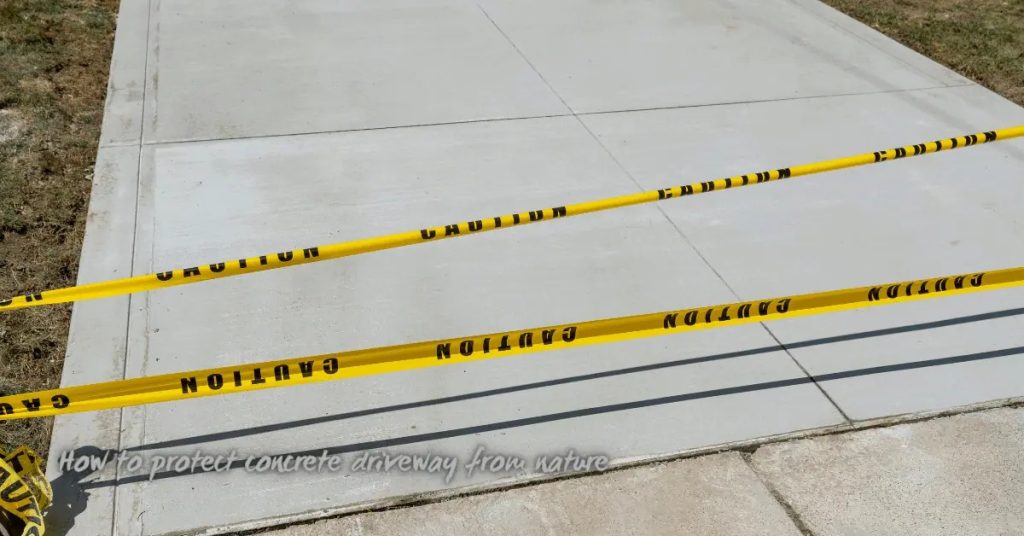
Concrete driveway section blocked by yellow caution tape

Concrete Vapor Barrier Seams and Penetrations: Tape, Patches, and “Oops” Fixes

Introduction A concrete vapor barrier seam is the joined, airtight edge where barrier material meets itself or a patch. Tape and patches are used to seal these seams, and proper technique means clean surfaces, careful pressure, and following the material’s instructions. Penetrations like pipes or conduits must be sealed carefully at the edge where they

Concrete Vapor Barrier Seams and Penetrations: Tape, Patches, and “Oops” Fixes Read More »

Worker smoothing plaster on wall with trowel

Stopping “Picture-Frame” Ridges Around Plaster Patches: Feather Zones That Disappear

Introduction Picture-frame ridges are thin, raised borders that appear around plaster patches after finishing. They happen when the patch edge isn’t feathered smoothly into the surrounding wall. Fixing them means blending that border so it disappears under a flat surface. Start by lightly feathering the patch edges with multiple thin coats, keeping the transitions soft.

Stopping “Picture-Frame” Ridges Around Plaster Patches: Feather Zones That Disappear Read More »

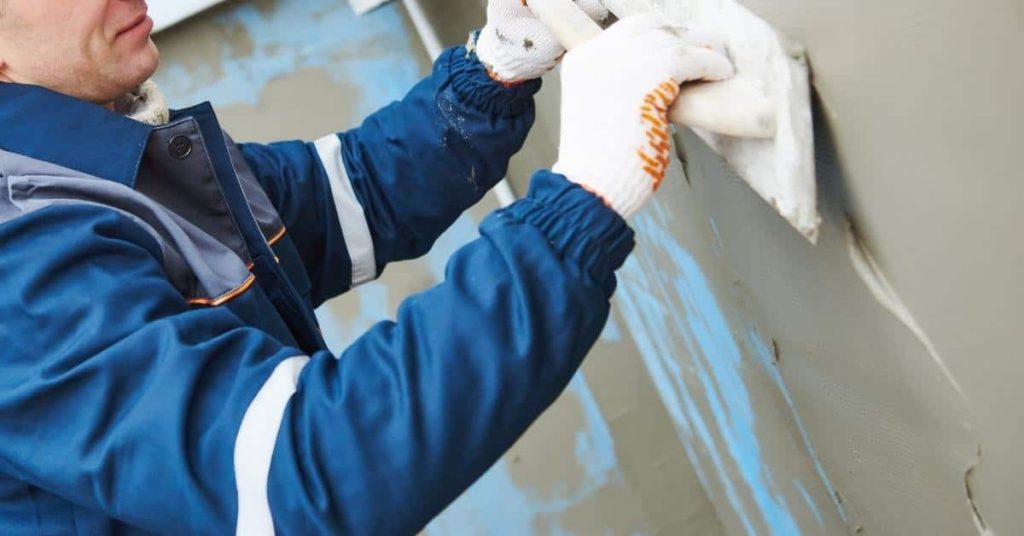
Worker smoothing stucco plaster on wall

Stucco Around Solar Mounts: Standoffs, Sealants, and Keeping Drainage Paths Open

Introduction This article covers how to stucco around solar mounts to seal, support, and keep drainage clear. It’s a hands-on, DIY approach that balances protection with easy maintenance. Use proper technique for applying stucco around mounts, choosing standoffs that keep panels level and allow drainage paths. Select sealants rated for roof penetrations and check manufacturer

Stucco Around Solar Mounts: Standoffs, Sealants, and Keeping Drainage Paths Open Read More »

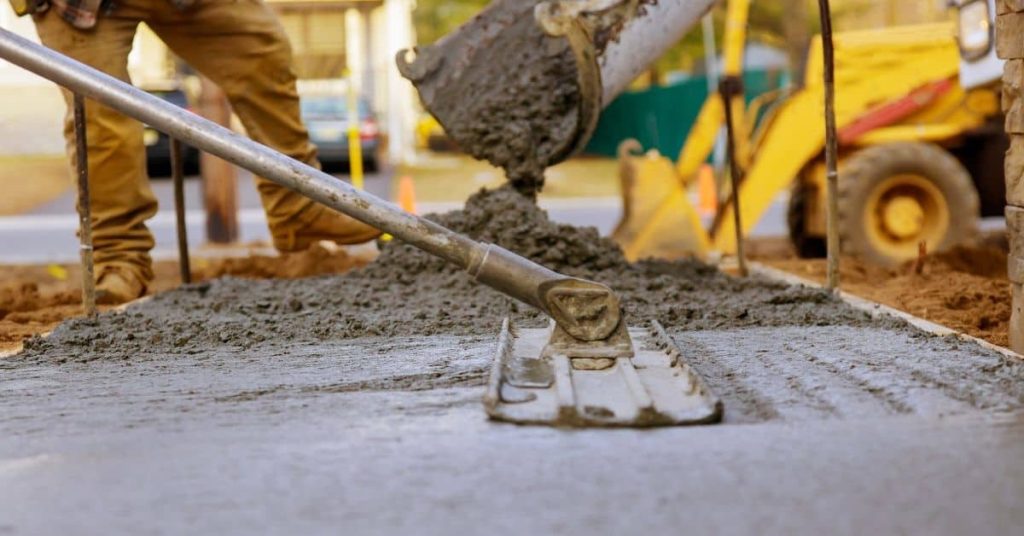
Worker leveling wet concrete with screed tool

DIY Compaction Checks Before Concrete: Moisture, Pass Counts, and Simple Field Tests

Introduction Compaction checks before pouring concrete means testing how tightly the soil is packed and how wet it is to see if it’s ready for formwork. Getting this right helps prevent settling, cracks, and uneven slabs. In this article, we’ll cover moisture checks, visible pass counts, and quick field tests you can do on site.

DIY Compaction Checks Before Concrete: Moisture, Pass Counts, and Simple Field Tests Read More »

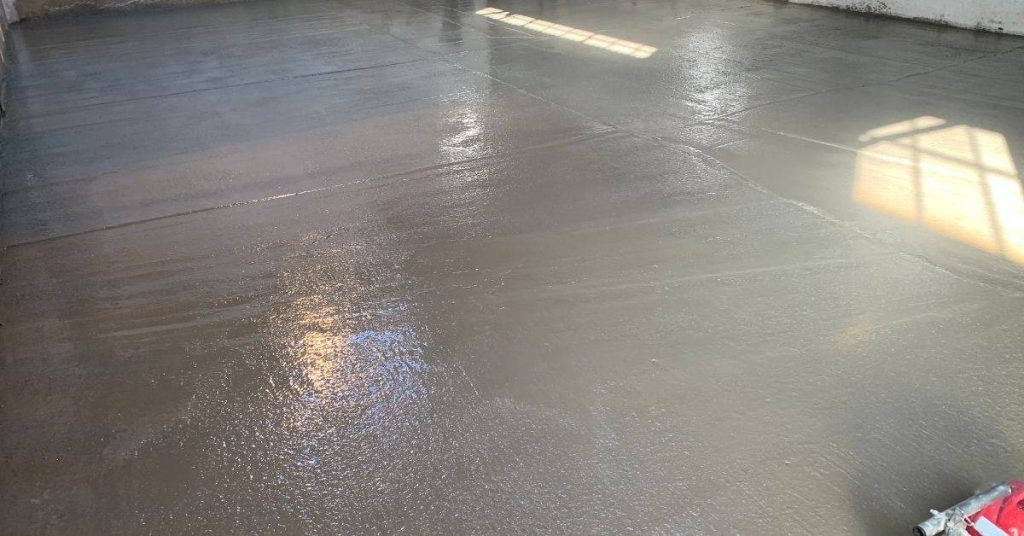
Freshly poured smooth wet concrete slab inside a building

Concrete Slab Curling on Small Pours: How to Measure It and Prevent the Next One

Introduction Curling is when a concrete slab lifts in the middle as it cures. Causes include moisture differences, improper edge drying, and uneven shrinkage during curing. On small pours, wind and heat shifts can worsen the effect. To measure curling, check for a ridge or gap at the edges by placing a straightedge across the

Concrete Slab Curling on Small Pours: How to Measure It and Prevent the Next One Read More »

Concrete beam skeleton frame under clear blue sky

Stopping Leaks at Concrete Cold Joints: Injection Options and Negative-Side Coatings

Introduction A concrete cold joint is a seam that forms when pours stop and then resume, creating a potential weak point where water can seep through. Leaks at these joints happen when the joint isn’t bonded or sealed well enough, especially under pressure or through capillary paths. For a DIY approach, this article covers practical

Stopping Leaks at Concrete Cold Joints: Injection Options and Negative-Side Coatings Read More »

Concrete slab with multiple drainage holes and visible cracks

Concrete Planters Without Efflorescence: Mix Design, Drainage, and Breathable Waterproofing

Introduction Concrete planters without efflorescence come from a careful mix, proper drainage, and breathable waterproofing that lets moisture escape. This is a hands‑on guide, built from real-world steps you can follow in a DIY project. Always check product labels and local rules if a spec or method seems unclear. We touch on practical techniques for

Concrete Planters Without Efflorescence: Mix Design, Drainage, and Breathable Waterproofing Read More »

Wood block with brass nail on concrete surface

Wood and Brass Inlays in Concrete: Differential Movement and Edge Sealing

Introduction Wood and brass inlays in concrete are decorative inserts that must tolerate different movement between materials. As concrete changes with temperature and moisture, the wood can shrink or swell differently from brass. Plan for some movement and proper edge detailing during installation. Edge sealing helps prevent moisture ingress and crack propagation where the inlay

Wood and Brass Inlays in Concrete: Differential Movement and Edge Sealing Read More »

Closeup of wooden decking planks with natural grain patterns

Breathable Concrete Coatings: When Vapor Permeability Beats “Tougher” Paint

Introduction Breathable concrete coatings allow water vapor to pass through the film while still protecting the surface. For DIY folks, that means you get a protective layer without sealing in moisture or trapping dampness. Check the product label and manufacturer instructions for exact permeability guidance and proper preparation steps. Compared to traditional paints, these coatings

Breathable Concrete Coatings: When Vapor Permeability Beats “Tougher” Paint Read More »