Search Results for: 10 INCH ROUND CONCRETE

Fresh concrete poured into yellow wooden formwork

Rock Pockets on Formed Concrete Faces: Prevention During Pour and Durable Cosmetic Repairs

Introduction Rock pockets are hollow spots or voids that appear on the surface of formed concrete faces. They form when aggregate or cement settles away from the surface during pour, leaving visible pockets. Proper formwork, consistent pour, and careful surface preparation help prevent them. Symptoms include small pits and rough spots on the face that […]
Rock Pockets on Formed Concrete Faces: Prevention During Pour and Durable Cosmetic Repairs Read More »

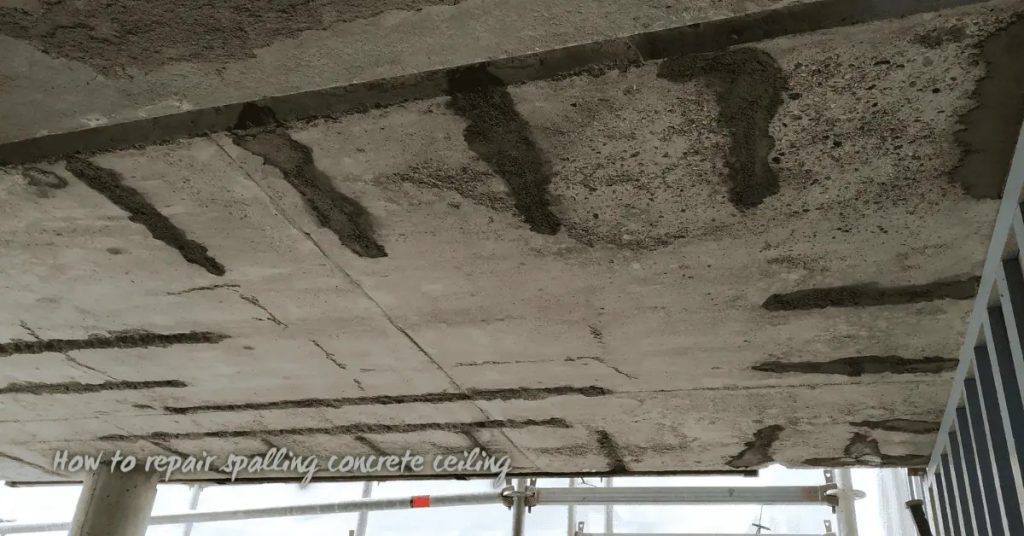
Concrete ceiling with dark patched spalling repair areas

Edge Spalling at Concrete Joints: Why It Happens and How to Detail Joints to Stop It

Introduction Edge spalling at concrete joints is when the concrete along the joint flakes or chips away. It often shows up where the edge is thin, stressed, or exposed to moisture. A straightforward fix is to prepare the edge, restore sound support, and plan better joint detailing. To detail joints so it stops, use properly

Edge Spalling at Concrete Joints: Why It Happens and How to Detail Joints to Stop It Read More »

smooth concrete driveway with segmented joints and surrounding grass

Proper Slope on Exterior Concrete Slabs: Easy Layout Methods That Avoid Puddles

Introduction A proper exterior concrete slab slopes away from structures to prevent puddles. Keep the surface directional so water flows toward adequate drainage, not toward doors or foundations. This article offers simple layout methods you can use in a real-hand DIY project. Use basic layout tools to mark a gentle, continuous incline and check with

Proper Slope on Exterior Concrete Slabs: Easy Layout Methods That Avoid Puddles Read More »

Concrete driveway with brick border and grass lawn

Small-Batch Concrete Mixing: Keeping Ratios Honest with Buckets and a Cheap Scale

Introduction Small-batch concrete mixing means preparing only a limited amount of concrete at a time using simple tools like buckets and a basic scale. This article walks you through keeping ratios accurate, step by step, without fancy equipment. You’ll learn practical, hands-on methods suitable for quick projects and testing mixes. As you work, you can

Small-Batch Concrete Mixing: Keeping Ratios Honest with Buckets and a Cheap Scale Read More »

Worker pouring concrete over steel rebar grid

Fiber Vs Mesh Vs Rebar in Small Concrete Projects: What Each Actually Controls and Where It’s Wasted Money

Introduction Fiber, mesh, and rebar are concrete reinforcement options that control cracking, strength, and durability in small projects. Fibers add distributed micro-reinforcement, mesh provides a lattice to hold concrete, and rebar gives local strength where loads are concentrated. Each choice affects how a small concrete job holds up over time and is worth weighing against

Fiber Vs Mesh Vs Rebar in Small Concrete Projects: What Each Actually Controls and Where It’s Wasted Money Read More »

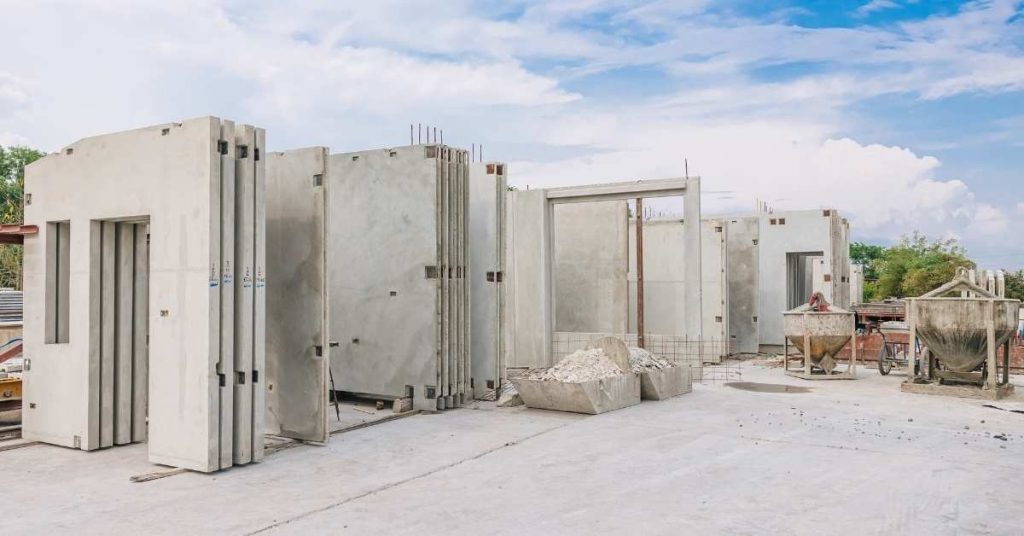
Precast concrete wall panels stored outdoors under cloudy sky

Control Joint Layout for Concrete Patios: Spacing Rules and How to Avoid Awkward Short Panels

Introduction Control joints are planned breaks in concrete that guide where cracks will form and help keep a patio looking even. They act as intentional weak points so or cracks can be controlled rather than appearing unpredictably. When laying out joints, aim for a regular pattern that avoids creating very short panels. In practice, spacing

Control Joint Layout for Concrete Patios: Spacing Rules and How to Avoid Awkward Short Panels Read More »

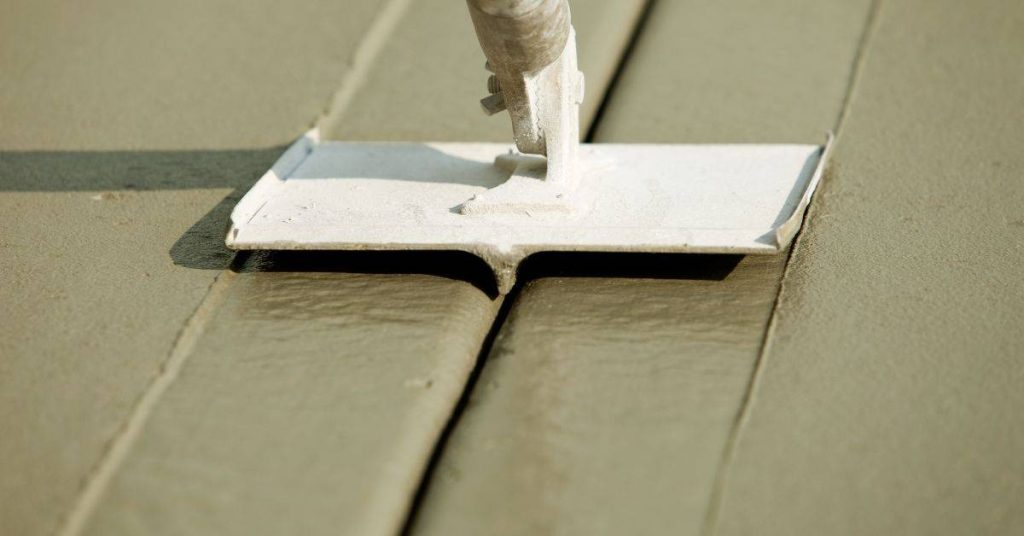
Concrete joint being tooled with a hand trowel

Concrete Finishing Sequence for Beginners: Bull Float, Edge, Joint, Then Walk Away (Sometimes)

Introduction The finishing sequence for this concrete work is the order of steps you follow after pouring: bull float, edge, joint, then walk away. This approach helps keep the surface workable while reducing roughness and lines. It works best when you have the right tools and a fresh pour to guide the finish. Before you

Concrete Finishing Sequence for Beginners: Bull Float, Edge, Joint, Then Walk Away (Sometimes) Read More »

Empty room with smooth polished concrete floor and large windows

Fixing a Bad Concrete Broom Finish: Rescue Tricks for Chatter Marks, Streaks, and Overworked Slabs

Introduction A bad concrete broom finish is an uneven, rough texture on a broom-finished slab with chatter marks and streaks. This article offers practical, hands-on techniques to smooth out the look while preserving the surface integrity. For DIY fixes, assess the surface and plan a remediation approach with simple tools and safe methods. Check guidelines

Fixing a Bad Concrete Broom Finish: Rescue Tricks for Chatter Marks, Streaks, and Overworked Slabs Read More »

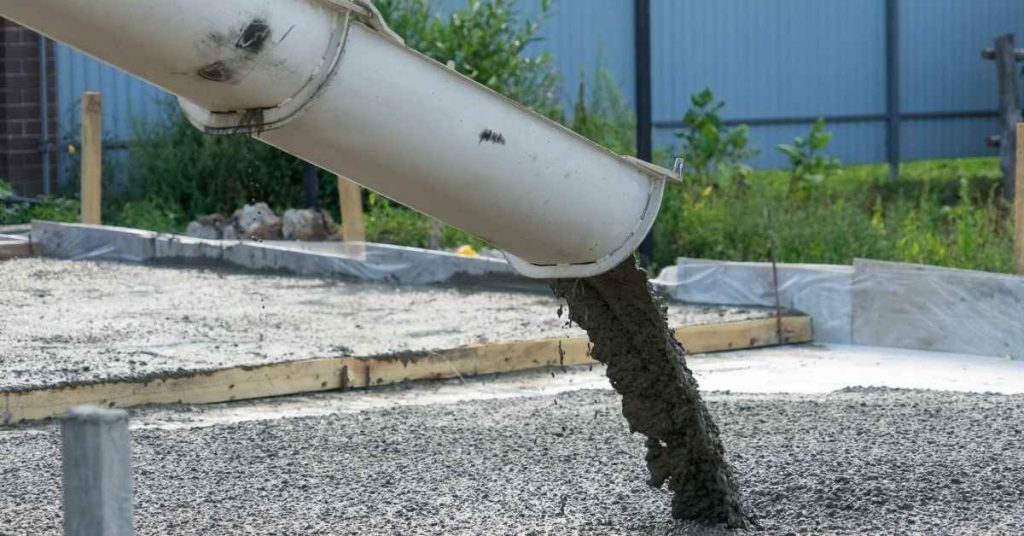
Concrete being poured from chute onto slab formwork

Concrete Slab Subbase: the Fast Compaction Reality Check with a Hand Tamper and a Hose

Introduction A concrete slab subbase is the compacted layer beneath the slab that supports and shapes the final surface. For a quick, hands-on approach, this article focuses on using a hand tamper and a hose to evaluate compaction on-site. Keep in mind that results depend on soil type, moisture, and thickness, so verify with local

Concrete Slab Subbase: the Fast Compaction Reality Check with a Hand Tamper and a Hose Read More »

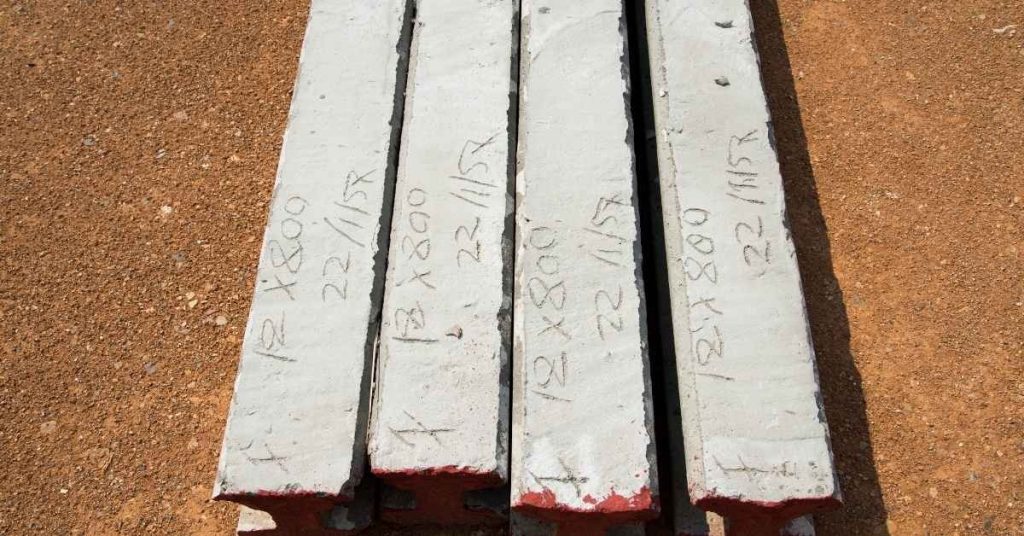
Four long concrete test slabs with handwritten markings

Troubleshooting DIY mixes with a slump test: what bad numbers look like in real concrete

Introduction A slump test checks how fluid your concrete mix is by measuring how much it slumps or settles. It’s a quick way to see if the mix is too dry or too watery before you lay it. If the numbers seem off, check the product label, manufacturer instructions, and any local guidelines for your

Troubleshooting DIY mixes with a slump test: what bad numbers look like in real concrete Read More »