Search Results for: 10 INCH ROUND CONCRETE

Curved stamped concrete patio edge beside stair steps and garden bed.

Plow-Friendly Concrete Edging for Gravel Drives: Low-Profile Forms and Crack Control

Introduction Plow-friendly concrete edging is a low-profile edge along a gravel drive designed to resist plow damage while keeping the edge neat. It uses lightweight forms set close to grade and poured with care to avoid raised lips. Keep it simple and plan for a smooth transition from drive surface to edging. To make it […]

Plow-Friendly Concrete Edging for Gravel Drives: Low-Profile Forms and Crack Control Read More »

Worker tying rebar with pliers on gravel base

Concrete Block Reinforcement Basics: Rebar Placement, Grout, and Bond Beam Logic

Introduction Concrete block reinforcement is the practice of adding steel bars, grout, and bond beams to strengthen block walls. This article covers where rebar goes, how grout fills the cores, and why bond beams matter in a DIY project. Stay practical and safety-minded: check local rules and follow manufacturer guidance when placing rebar and mixing

Concrete Block Reinforcement Basics: Rebar Placement, Grout, and Bond Beam Logic Read More »

Worker applying plaster to wall with trowel

Smoothing Interior Concrete Block Walls: Skim Coats, Bonding, and Moisture Concerns

Introduction Smoothing interior concrete block walls means applying a skim coat to create a flat, paint-ready surface. It’s a light, even layer that fills small voids and helps the wall accept finish coats. The key is good bonding and proper moisture handling before you start. Lean on simple steps: clean and rough up the surface,

Smoothing Interior Concrete Block Walls: Skim Coats, Bonding, and Moisture Concerns Read More »

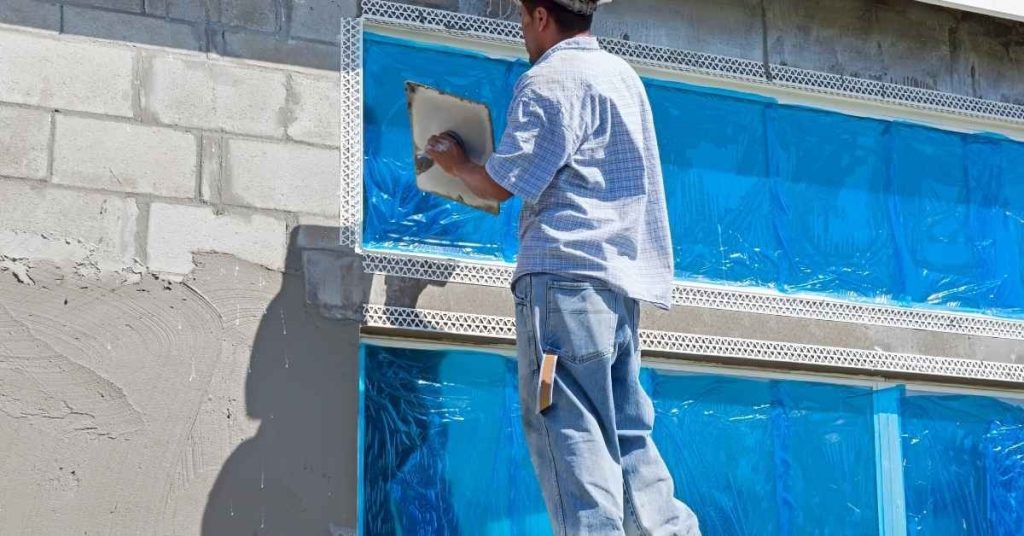
Worker applying stucco over concrete block wall near blue covered windows

Stucco Over Painted Concrete Block: Adhesion Tests and Prep That Prevents Delamination

Introduction Stucco over painted concrete block requires proper surface prep and adhesion testing to prevent delamination. We’ll walk through simple checks you can do with basic tools to judge if the old paint will hold and what to rough up or clean. This is a hands-on, DIY-friendly overview, not a full contractor guide. You’ll start

Stucco Over Painted Concrete Block: Adhesion Tests and Prep That Prevents Delamination Read More »

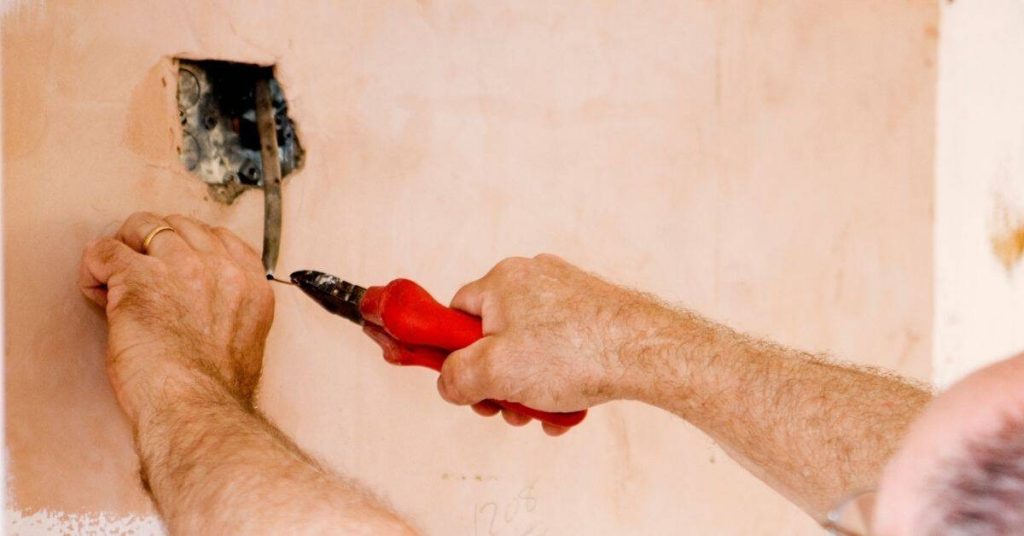
Hands using pliers to pull wire from electrical box in stucco wall

Stucco Around Electrical Meter Bases: Water Management Without Caulk Dams

Introduction Stucco around electrical meter bases is the careful detailing of stucco up to the meter box while managing water to prevent leaks. This approach keeps the enclosure dry and minimizes pathways for water intrusion. Follow manufacturer instructions and local rules to align with safe installation practices. Key methods include planning flashing and weep paths

Stucco Around Electrical Meter Bases: Water Management Without Caulk Dams Read More »

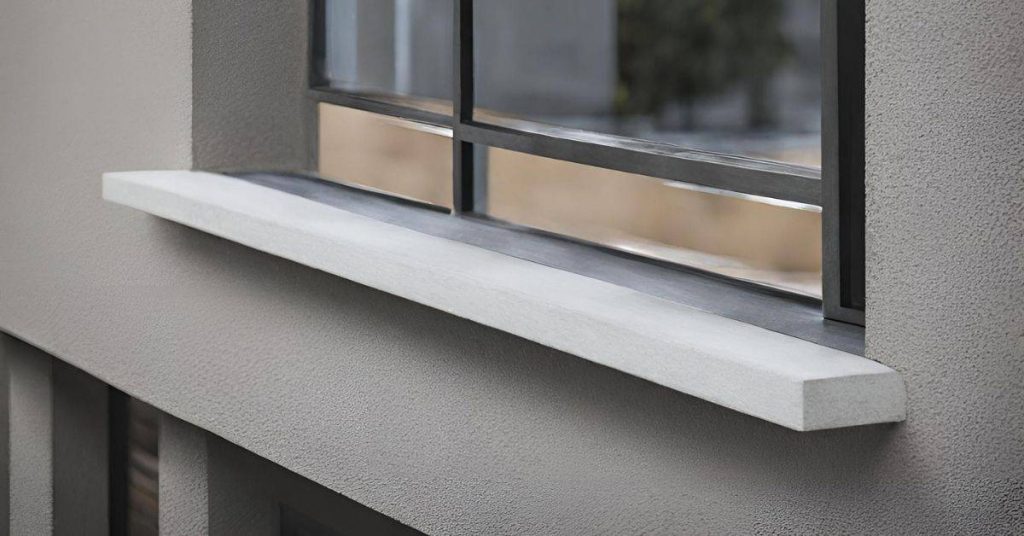
Precast concrete window sill on textured exterior wall

Concrete Pads for Mini-Split Condensers: Vibration Isolation and Drainage Details

Introduction Concrete pads provide a solid, level base for mini-split condensers while helping dampen vibration and manage drainage. In practice, you’ll pick a pad size and placement that suits your unit and how you route condensate away from the slab. Always verify load limits, mounting hardware recommendations, and local rules before pouring. Anti-vibration features and

Concrete Pads for Mini-Split Condensers: Vibration Isolation and Drainage Details Read More »

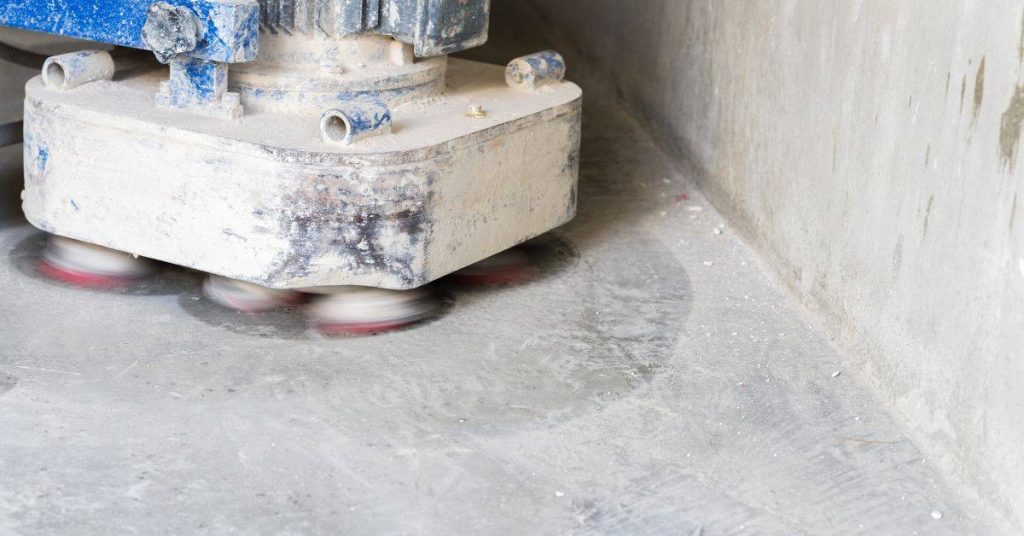
Close-up of concrete floor grinding machine in action

Grinding High Spots on Concrete: How Deep Is Safe Before You Hit Trouble

Introduction Grinding high spots on concrete is the process of removing tiny amounts of surface to bring the floor to a level plane. It’s a hands-on job that starts with locating the high spots and planning the approach, not blasting away blindly. Check your grinder’s guard, power rating, and the manufacturer’s instructions before you begin,

Grinding High Spots on Concrete: How Deep Is Safe Before You Hit Trouble Read More »

Workers installing concrete pavers on ground

Concrete Washout at Home: Containment, pH Basics, and Protecting Storm Drains

Introduction Concrete washout is the on-site collection and containment of liquid concrete waste so it can be treated instead of spilling. This protects soil and water, keeps your site tidy, and prevents muddy runoff from harming neighbors. Set up a sturdy, covered containment bin or small portable tank and keep the washwater inside until you

Concrete Washout at Home: Containment, pH Basics, and Protecting Storm Drains Read More »

Stone-look concrete gate pillars with metal fence panels

Stone-Look Concrete Finishes: Rub Techniques, High Spots, and Sealer Choices

Introduction Stone-Look Concrete Finishes are achieved by rubbing and refining a concrete surface to resemble natural stone. On the job, you’ll use hand tools and trowels to work the surface while it’s still workable, then wipe, rub, and burnish to blend colors. Check product labels and manufacturer instructions for cure times and safety before starting.

Stone-Look Concrete Finishes: Rub Techniques, High Spots, and Sealer Choices Read More »

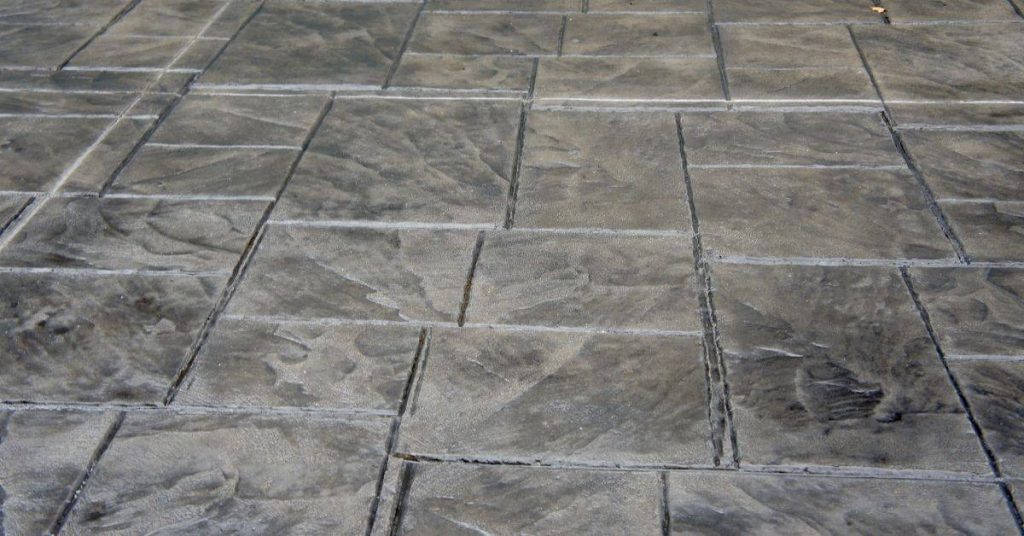
Stamped concrete patio surface with textured pattern

Sealing Micro-Cracks Before Concrete Staining: Products That Don’t Telegraphed-Darken

Introduction Sealing micro-cracks before staining helps prevent telegraphing of dark spots by blocking uneven absorption of the stain. This step slows and evens out how the color takes across the surface. Check the product label for surface prep and cure times to ensure proper results. Choose sealants designed for concrete floors and compatible with staining,

Sealing Micro-Cracks Before Concrete Staining: Products That Don’t Telegraphed-Darken Read More »