

Introduction
Breathable concrete coatings allow water vapor to pass through the film while still protecting the surface. For DIY folks, that means you get a protective layer without sealing in moisture or trapping dampness. Check the product label and manufacturer instructions for exact permeability guidance and proper preparation steps.
Compared to traditional paints, these coatings can be a healthier, long‑term option when moisture management matters, and they echo conversations about linseed oil and modern coatings in practical terms. Look at local rules, surface prep needs, and the coating’s guidance on compatibility with concrete, as well as any ventilation you should maintain during application. If you’re curious about how this fits with recent questions from readers or featured blog ideas, this article aims to answer in plain, hands‑on language.
Key takeaways
- Understanding breathable coatings lets moisture escape, protecting concrete and featured blogs.
- Vapor-permeable coatings can outperform tougher paints by reducing moisture-driven failures.
- Health: breathable finishes minimize trapped solvents vs traditional paints, reducing VOC exposure.
- Compare to older linseed oil and modern paints; choose permeable options for ongoing moisture control.
- Choosing coatings: verify permeability ratings, surface prep, and compatibility with HVAC moisture.
- Safety reminder: ventilate, PPE, and follow label instructions; know weekly digest and Q&A.
Table of Contents
- Introduction
- Key takeaways
- Understanding Vapor Permeability: What “Breathable” Means for Concrete
- Why Vapor-Permeable Coatings Can Outperform “Tougher” Paint
- Health, Vocs, and Chemical-Sensitivity Considerations
- Comparing Breathable Concrete Coatings to Other Finishes
- Choosing the Right Breathable Concrete Coating: Product Guide & Specs
- Application, Common Mistakes, Safety, and Tools Checklist
- Cost, Durability, and Maintenance: Lifecycle Comparison
- Indoor Air Quality, Moisture Management, and HVAC Interactions
- Conclusion
- FAQ
Understanding Vapor Permeability: What “Breathable” Means for Concrete
Vapor permeability measures how easily water vapor moves through a material. It contrasts with impermeable coatings that block moisture entirely. In practice, breathable means concrete can release moisture without trapping it behind the coating.
Moisture travels in concrete through rising damp, capillary rise, diffusion, and vapor pressure dynamics. Coatings interact with each path by allowing or restricting movement. Read permeability ratings on labels and look for standards to gauge performance before choosing a product.
Permeability Metrics and Units (perm, Sd)
Vapor permeability is measured using specific metrics to help you choose the right breathable coating. Two common ones are perm and Sd.
Perm is a unit of measurement that tells you how many grains of moisture can pass through a square foot of material in 24 hours at a one-inch pressure difference. A higher perm value means better vapor permeability.
A perm rating of 5 or above is typically recommended for concrete walls and slabs to ensure proper breathability.
How Concrete Breathes: Capillary Action, Moisture Sources, and Drying Paths
Concrete is porous. That means it can absorb and release moisture, a process known as capillary action. Here’s how it works:
Moisture enters concrete through various sources like rising damp from the ground, capillary rise from below the slab, or diffusion and vapor pressure dynamics from within the assembly. Once inside, moisture moves through the concrete’s pores until it reaches a drier area where it can evaporate.
This is why it’s crucial to use breathable coatings that allow this natural drying process to occur. They let moisture escape while preventing liquid water from entering.
Why Vapor-Permeable Coatings Can Outperform “Tougher” Paint
Vapor-permeable coatings are designed to allow moisture to diffuse out of concrete, not trap it inside. They differ from high-build, impermeable paints that create a moisture barrier. This difference matters when moisture risk is present in the substrate.
Common damage from impermeable films includes trapped moisture, freeze-thaw stress, efflorescence, and potential corrosion of embedded metals. Use cases include damp basements, exterior slabs with rain cycles, and interior garages where humidity is high. A practical framework helps decide when breathability suits the project better than a barrier coating.
Failure modes of impermeable coatings on concrete
Impermeable, high-build paints can trap moisture within the concrete substrate. This leads to several problems:
Blistering: Trapped moisture causes paint to lift and bubble.
Delamination: Prolonged exposure to trapped moisture weakens the bond between the paint and the concrete, leading to peeling.
Freeze-thaw damage: In cold climates, water expands when it freezes. This can cause the concrete to crack or crumble if there’s no way for the moisture to escape.
Mold growth: Trapped moisture in damp spaces encourages mold and mildew growth, which can be harmful to your health and unsightly.
When to prioritize permeability over surface hardness
Breathable coatings are the better choice in several scenarios:
High humidity areas: Basements, slabs with high moisture content, or spaces prone to condensation benefit from coatings that allow moisture to escape.
Exterior concrete exposed to rain/dew cycles: In these conditions, a breathable coating lets moisture out as it dries, preventing damage from trapped water.
Interior concrete in garages or workshops: These spaces often have high moisture loads due to vehicle exhaust, machinery, or other factors. A permeable coating helps manage this excess moisture.
Retrofits with known moisture risk: When working on existing structures with a history of moisture problems, choosing a breathable coating can help prevent recurring issues.
Health, Vocs, and Chemical-Sensitivity Considerations
VOC emissions and off-gassing differ between breathable coatings and conventional paints. Occupants with chemical sensitivity often notice these differences in odor and perceived air quality. Permeability plays a role in how long emissions persist indoors.
Typical VOC ranges and emission timelines vary by product type, with some breathable options emphasizing low-odor performance. Label claims should be read with care, and consider how humidity and temperature affect off-gassing. Safety data and testing standards are useful references when weighing options.
Low-VOC and natural alternatives (lime, silicate, linseed)
Breathable coatings don’t always mean high VOCs. Lime, silicate, and linseed-based paints are natural, low-VOC options that promote indoor air quality.
Lime paint is made from slaked lime and sand. It’s highly breathable, regulates humidity, and has virtually zero VOC emissions. However, it may not be as durable or easy to apply as other options.
Silicate paints are mineral-based, using potassium silicate as a binder. They’re low-VOC, breathable, and resistant to mold. But they might not be suitable for high-traffic areas due to their matte finish.
Linseed oil paints are made from natural linseed oil and pigments. They’re zero-VOC, highly breathable, and great for allergy sufferers. Yet, they require careful application and may not be as durable as other options.
Indoor air quality and particulates during application
Applying breathable coatings indoors can temporarily impact indoor air quality. Here’s how to minimize exposure:
Ventilation is key. Open windows, use fans, or set up temporary ventilation systems to remove airborne particles and VOCs.
Use HEPA filters in your vacuum cleaner to capture fine dust particles during cleanup. Consider wearing a respirator with a particulate filter when sanding or applying coatings.
Wet cleaning methods, like damp wiping, can help reduce the spread of particulates into the air. Always follow manufacturer guidelines for safe application and cleanup.
Comparing Breathable Concrete Coatings to Other Finishes
Breathable coatings are defined against lime plaster, silicate paints, oil-based finishes, and epoxies, with key metrics like vapor permeability and moisture management guiding comparisons. Adhesion to concrete, durability, cure times, and VOC profiles round out the picture. Interpret these factors for each finish type before selecting.
Interior versus exterior use, prep requirements, and substrate compatibility influence the choice. A practical before/after approach helps identify scenarios where breathable coatings outperform alternatives, especially in moisture-prone or historic walls. When in doubt, consider a side-by-side comparison for your project context.
Breathable lime plaster vs. modern breathable coatings
Lime plaster and modern breathable concrete coatings share the same goal – to allow moisture vapor to pass through. But they differ in how they achieve this.
Lime plaster is hygroscopic, meaning it absorbs and releases moisture as humidity levels change. It’s also antibacterial, making it great for historic or lime-rich walls. However, it requires skilled application and may not be as durable or color-stable as modern alternatives.
Modern breathable coatings, on the other hand, are engineered to have high vapor permeability while providing better durability and color retention. They’re often easier to apply too. Use lime plaster where its unique qualities are beneficial; opt for modern coatings elsewhere for better performance and ease of use.
When epoxy or polyurethane are still appropriate
While breathable coatings are usually the best choice, there are times when less-permeable finishes like epoxies or polyurethanes make sense.
Epoxy coatings excel in areas with high chemical exposure. They provide excellent resistance to acids, alkalis, and solvents. Use them in garages, workshops, or industrial settings where chemical spills are common.
Polyurethanes offer superior abrasion resistance. Consider them for high-traffic areas like hallways, staircases, or commercial spaces that see heavy foot traffic. Just remember, these coatings can trap moisture vapor, so use them only in dry environments to prevent potential issues.
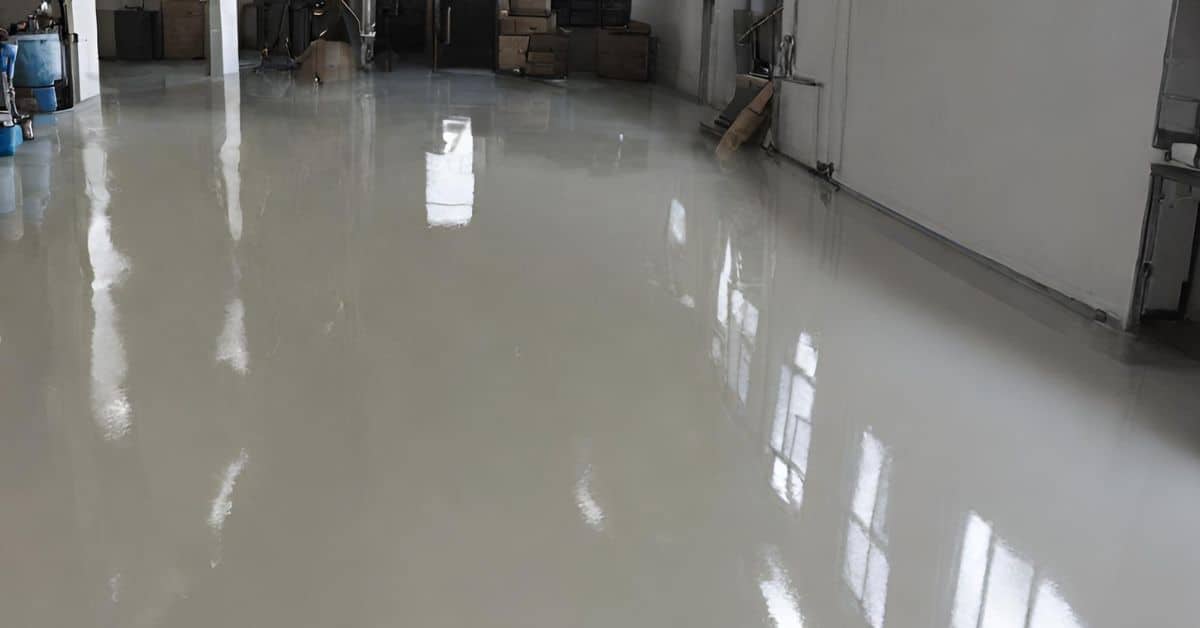
Choosing the Right Breathable Concrete Coating: Product Guide & Specs
Decision criteria should align with moisture management goals and indoor air quality needs. Breathable coatings excel where vapor diffusion supports substrate longevity and occupant comfort. Confirm the coating fits the project conditions before proceeding.
Core specs to request include vapor permeability values, dry film thickness, cure and maintenance cycles, substrate compatibility, and colorfastness. Verification can come from test standards, third-party certifications, and independent data. Use these details to build a practical, DIY-friendly evaluation.
Material specs and standards explained
Choosing the right breathable concrete coating starts with understanding material specifications. The right choice ensures durability, longevity, and optimal performance.
- Vapor Permeability (WVTR): Look for WVTR ratings above 5 perms (or Sd below 0.2). Lower values mean less breathable coatings.
- Dry Film Thickness: Thicker films offer better durability but can affect permeability. Aim for 3-6 mils.
- Cure/Maintenance Cycles: Check cure time and recoating intervals to plan your project timeline.
- Substrate Compatibility: Ensure the coating adheres well to concrete. ASTM D3276/D3275 tests adhesion and film integrity.
- UV Resistance: For outdoor applications, look for coatings with good UV resistance to prevent fading or chalking.
- Colorfastness: Check lightfastness ratings (ASTM D4308) to ensure color stability over time.
Product selection checklist (performance, substrate, climate)
Before applying any breathable concrete coating, use this checklist to ensure you’re choosing the right product for your specific needs.
- Adhesion: Check ASTM D3276/D3275 test results. Poor adhesion leads to peeling and flaking.
- Permeability: Ensure WVTR is above 5 perms (or Sd below 0.2) for adequate breathability.
- A