
Stucco Guides: Start Here
This hub is for exterior render and stucco work—prep, lath and base coats, mixing, application technique, details, curing, and repairs.
With stucco, most failures aren’t “bad mix.” They’re prep and detailing problems—bonding, moisture, and movement. Start with the basics first.
Start here
Identify what you have (systems matter)
- EIFS vs hard coat stucco: simple on-wall tests
- Drainage stucco vs barrier stucco: how to tell what you have
Moisture diagnostics (before you patch)
- Diagnose moisture behind stucco: probe holes, borescopes, what to look for
- Stucco weep path maintenance: keep bottom terminations from clogging
Details that prevent failures (beads, joints, penetrations)
- Stucco screed beads and termination beads: which profile goes where
- Install expansion joints in new stucco: simple layout rules
- Mid-wall control joints on stucco: layout and spacing basics
- Sealing penetrations through stucco: the sleeve + flange method
Repair mix, patching & blending (make it disappear)
- Mixing stucco for repairs: sand gradation, lime content, workability
- Stucco texture blending 101: hide patches in sand float, dash, lace
- Stucco patch color matching: test tiles and cure-darkening
Finishes & coatings (don’t trap moisture)
Latest render / stucco posts
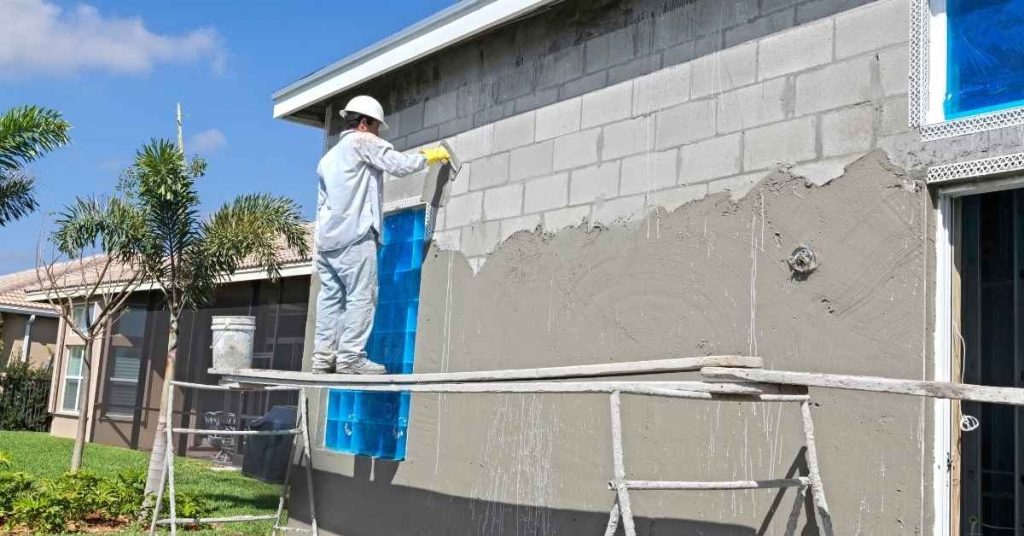
Parging vs stucco on block: prep, bonding, and avoiding delamination
Introduction Parging and stucco are two surface finishes for block walls, with parging being a thin cement-based coating and stucco a thicker, textured layer. Both aim to prevent moisture intrusion and create a smooth or textured exterior. The article compares prep, bonding, and how to avoid delamination in each method. Surface prep should start with a clean, sound substrate and repair any cracks or damage before applying either parge or…
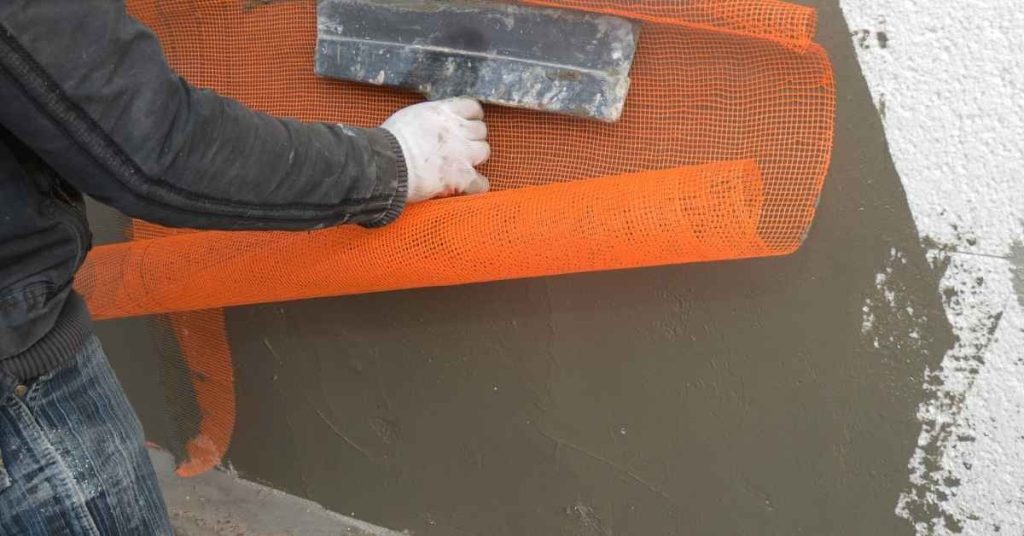
Repairing stucco chips at corners: building back profile with mesh and base coat
Introduction Repairing stucco chips at corners means restoring damaged edge areas by rebuilding the corner profile with mesh and a base coat. This approach reinforces the edge, provides a uniform surface, and prepares it for finish. Keep the work neat and check that the base coat adheres well to the existing stucco. Start by cleaning the chipped area, applying a bonding agent as needed, then place the mesh over the…

Using efflorescence on stucco as a leak map: how to trace water paths inside the wall
Introduction Efflorescence on stucco is mineral salt deposits left behind when moisture moves through the wall, and it can indicate where water is traveling inside the structure. These deposits can hint at the paths moisture takes through the cavity. Use the visible salt deposits as a map to trace moisture paths and observe patterns around openings. When cleaning efflorescence, follow safe surface-cleaning practices and the product label, and avoid abrasive…

Stucco water intrusion diagnostics: reading stain trails to find the entry point
Introduction Stucco water intrusion diagnostics is the process of tracing stain trails on the exterior to find where water is entering. Stains can reveal the path water takes behind the surface and point to the entry point. This is a practical, hands‑on approach you can work through at your own pace. Look for staining patterns, powdery efflorescence, blistering, or soft spots that hint at moisture behind the stucco. Signs of…
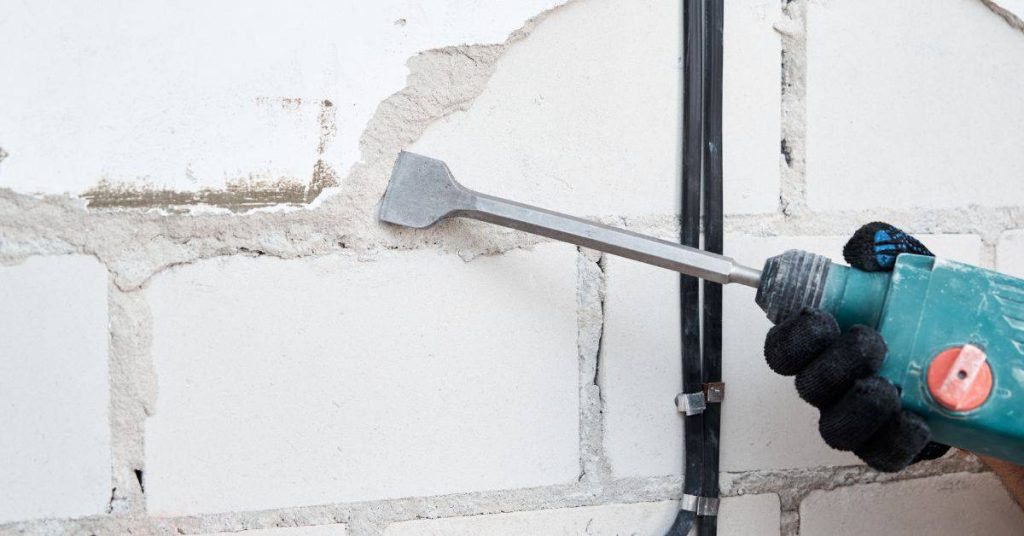
Sealant failure at stucco joints: choosing the right sealant type and tooling shape
Introduction Sealant failure at stucco joints means the sealant loses adhesion, cracks, or pulls away, allowing water intrusion. Choosing the right sealant involves matching the substrate and climate, and confirming compatibility with stucco. Think of the job as preparing the joint, selecting a compatible sealant, and planning proper tooling. Selecting the right tool shapes helps the sealant lay in a smooth, even bead. Use backer rods where appropriate to control…
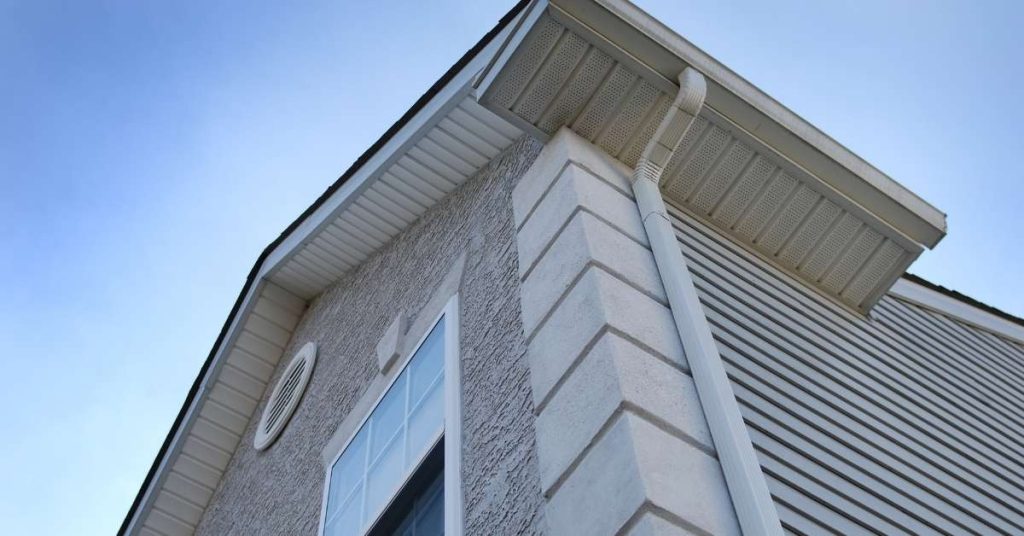
Stucco expansion gaps at slab lines: why they crack and how to detail the break
Introduction Expansion gaps at slab lines are deliberate spaces that allow concrete and stucco to move with temperature and moisture changes. They help prevent cracks by giving seams somewhere to open and close without telegraphing through the finish. Cracking often occurs when gaps are too small, poorly located, or not sealed properly over time. Detailing the break means planning for a clean, durable joint in the stucco finish, then choosing…

Stucco texturing tools and patterns: how to replicate dash, lace, and sand finishes
Introduction Stucco texturing tools and patterns refer to the tools and methods used to create dash, lace, and sand finishes on stucco surfaces. This introduction explains how different textures are achieved and what to expect during a DIY application. Start by checking local rules and manufacturer instructions for surface prep and safety. The article covers the basic tools you’ll need and the general steps to apply textured finishes. You’ll learn…

Wind-driven rain on stucco walls: drainage details that matter more than thicker coats
Introduction Wind-driven rain on stucco walls is best managed through proper drainage details rather than thicker coats. This article focuses on how flashing, joints, weep screed, and surface slope influence moisture control. A DIY approach works when you follow practical steps and check manufacturer guidance. Myths about EIFS trapping moisture are common, but proper drainage details can reduce risk. We’ll cover practical checks for stucco durability in cold weather and…

Cracks along dissimilar materials in stucco: handling wood-to-masonry movement joints
Introduction Cracks along dissimilar materials in stucco occur where wood and masonry move at different rates, and require a proper movement joint. Identify where wood framing meets masonry and where movement joints are needed to allow for expansion and contraction. Keep the project practical by checking existing joints and following manufacturer or local guidance for installation. To prevent cracks, plan for a movement joint at transitions and use compatible sealants…

Stucco around electrical service: clearances, sealing, and safe mounting methods
Introduction Stucco around electrical service means installing stucco while maintaining safe clearances, sealing around components, and mounting boxes and fixtures correctly. Plan the work to keep access to service fittings and enclosures, and verify what the manufacturer and local rules require. Always check guidance from the hardware or electrical guidance for your area and follow them when planning and executing the work. Sealing techniques should prevent water intrusion around electrical…