
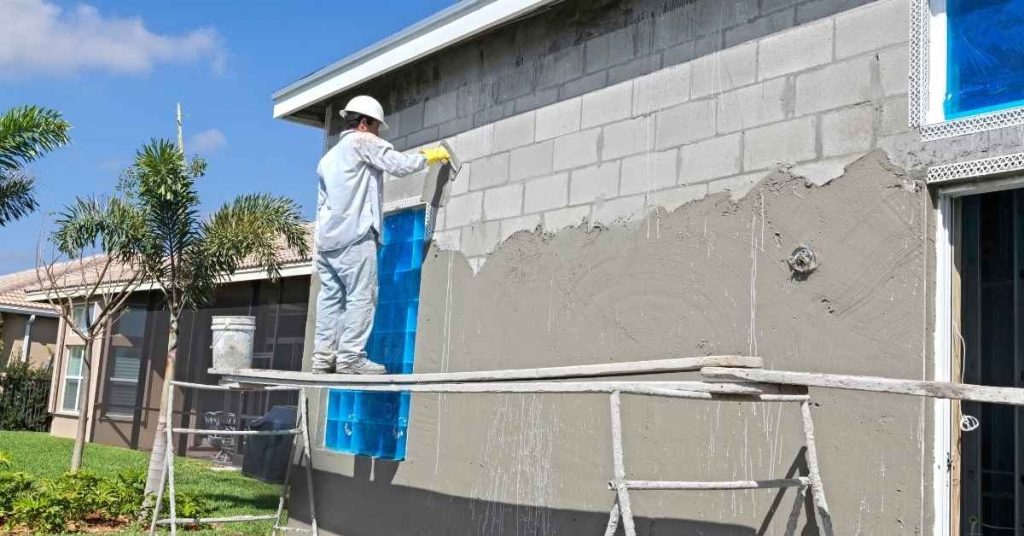
Introduction
Parging and stucco are two surface finishes for block walls, with parging being a thin cement-based coating and stucco a thicker, textured layer. Both aim to prevent moisture intrusion and create a smooth or textured exterior. The article compares prep, bonding, and how to avoid delamination in each method.
Surface prep should start with a clean, sound substrate and repair any cracks or damage before applying either parge or stucco. Parging typically requires a thin, tacky coat and stabilized mix, while stucco uses a textured mix with more binder to resist cracking. Choose a bonding method compatible with block and climate, such as bonding agents or a suitable scratch coat, and follow manufacturer or local guidance to ensure proper adhesion.
Key takeaways
- Parging differs from stucco in composition, texture, and ideal use on block walls.
- Prepare surface by cleaning, repairing, and keying with proper bonding aid before coating.
- Bonding agents and primers must be compatible with chosen parge or stucco system.
- Delamination risks rise from moisture, breathability mismatches, or surface contaminants.
- Use proper tooling and reinforced detail around edges to prevent cracking.
- Check local codes, permits, and safety equipment requirements before starting.
Table of Contents
- Introduction
- Key takeaways
- Quick Comparison: What Parging and Stucco Are, and When to Use Each
- Surface Preparation for Block—the Critical First Step
- Bonding Agents, Primers, and Application Techniques
- Preventing Delamination, Cracking, and Other Failures
- Tools, Materials, and Specs Checklist for Block Applications
- Cost, Lifespan, and Maintenance—What to Expect
- Climate, Energy Performance, and Sustainability Impacts
- Codes, Permits, Safety, and Common Mistakes to Avoid
- Conclusion
- FAQ
Quick Comparison: What Parging and Stucco Are, and When to Use Each
Parging is a cement-based finish applied in thin layers to concrete block, typically just a few millimeters thick. It provides a smooth or textured surface and relies on bonding to the block with primers or bonding agents. Stucco, by contrast, is a thicker cementitious coating that forms a more substantial exterior skin and can incorporate fibers for added strength.
Key differences show up in bonding behavior, texture options, and maintenance needs. Parging generally offers a tighter finish and easier repairs, while stucco can appeal with a traditional texture and greater durability in harsher climates. Substrate readiness and moisture risk influence the best choice, along with project goals such as repair, waterproofing, or a full exterior finish. For a typical repair or a lightweight waterproofing layer, parging is often suitable; for a complete exterior makeover, stucco may be preferred when climate and substrate conditions align. In environments with significant temperature swings, note delamination risks and plan for appropriate primers and moisture barriers. A quick pros/cons reference can help guide decisions, while maintaining realistic expectations for ongoing maintenance and occasional touch-ups.
Side-by-side performance summary
Parging and stucco are both versatile wall finishes, but they excel in different scenarios. Here’s a concise comparison:
Adhesion and Flexibility: Parging is known for its excellent adhesion to concrete block surfaces. It forms a thin layer that moves with the substrate, making it ideal for quick repairs where flexibility is crucial. Stucco, on the other hand, provides a thicker, more durable finish but may require additional measures to ensure proper adhesion and flexibility.
Appearance: Parging offers a smooth, uniform appearance, perfect for creating a seamless look on concrete block walls. Stucco, however, provides a wider range of textures and colors, allowing for more design options.
Moisture Resistance: While both can resist moisture to some extent, stucco generally offers better protection due to its thicker application. Parging’s thin layer may not provide the same level of moisture resistance, so it’s essential to check local climate considerations and building codes before choosing.
Typical Applications: Parging is typically used for quick repairs or as a base coat before painting. It’s ideal when you need a thin, quick repair with good adhesion to block surfaces. Stucco, however, is often used for thicker, more durable finishes. It’s perfect for new construction, remodels, or when you require wider texture options and better moisture resistance.
Detailed step-by-step comparison chart (for decision-making)
This sequence will guide you through a checklist to help determine whether parging or stucco is the better choice for your project.
- Inspect substrate soundness: Visually check your concrete block substrate for cracks, loose material, or signs of moisture damage. This step ensures a stable base for either parging or stucco application.
Why it matters: A sound substrate prevents delamination and ensures the longevity of your finish.
Check: No visible cracks, loose material, or moisture damage. - Evaluate movement potential: Consider whether your walls may experience movement due to settling, temperature changes, or other factors.
Why it matters: Movement can cause cracking in parging but is less likely with stucco’s thicker application and better crack bridging ability.
Check: No active movement or potential for significant movement. - Assess exposure to elements: Consider the level of exposure your walls will have to harsh weather conditions, such as heavy rain, snow, or extreme temperatures.
Why it matters: Harsh weather can degrade parging more quickly than stucco due to its thinner application.
Check: Minimal to moderate exposure; if high exposure, consider stucco. - Determine finish preference: Decide whether you prefer a smoother, thinner finish (parging) or a thicker, more textured finish with better crack bridging ability (stucco).
Why it matters: The chosen finish should complement your project’s aesthetic goals and functional requirements.
Check: Clear preference for either smooth or textured finish. - Consider professional consultation: If you’re unsure about any aspect of your substrate, movement potential, exposure, or finish preference, consult a professional installer.
Why it matters: A professional can provide expert guidance and help prevent costly mistakes.
Check: No need for professional consultation based on your assessment.
Pro tip: Always ensure proper surface preparation to avoid delamination. This includes cleaning the substrate, removing any loose material, and addressing moisture issues before application.
Surface Preparation for Block—the Critical First Step
Bond strength and long-term performance hinge on the condition of the CMU surface before coating. Imperfect surfaces invite delamination and premature failure if not addressed. Thorough cleaning and moisture assessment set the foundation for a successful finish.
Before coating, perform a concise inspection: check moisture status, efflorescence, dust, and any loose material. Identify cracks, spalls, and signs of moisture migration. Create a plan to clean, repair, and profile the surface to accept bonding agents and parging or stucco properly.
Visual and Mechanical Inspection Checklist
Before applying parging or stucco, inspect your block surface to ensure optimal adhesion and longevity. Use this checklist to identify unsound areas.
- Moisture status: Check for dampness or signs of water intrusion. Coating over wet surfaces can lead to delamination.
- Efflorescence: Look for white, powdery deposits on the surface. If present, clean affected areas to prevent coating failure.
- Dust/loose material: Inspect for loose mortar or debris. Remove any unsound material before proceeding.
- Cracks (horizontal, vertical): Check for cracks that may compromise the integrity of your coating. Repair as needed.
- Spalling: Inspect for flaking or peeling mortar. Remove unsound material and consider repairs if present.
- Laitance (hazy, white layer): Check for this cementitious residue that can hinder adhesion. Remove if found.
- Moisture migration indicators: Look for signs of water movement, such as stains or mold. Address any issues before coating.
- Large delaminations: Inspect for extensive areas where the surface has separated from the substrate. These may require professional assessment and repair.
Quick rule: If any of these issues are present, address them before proceeding with parging or stucco application to ensure a strong bond and long-lasting finish.
Surface Cleaning and Profile Methods
Thoroughly clean your block surface to remove contaminants and prepare a suitable profile for optimal bonding. Follow product guidance for recommended techniques.
For mild dirt or dust, use pressure washing with a suitable nozzle and detergent. Ensure the surface is not damaged during cleaning.
Heavy soiling, laitance, or efflorescence may require more aggressive methods like wire brushing or abrasive blasting alternatives. Always follow safety guidelines when using these techniques.
Mechanical profiling may be necessary to create a true, slightly rough surface for good keying. This can be achieved through light sandblasting, grinding, or scoring the surface. Always follow manufacturer instructions and safety guidelines for any profiling method you choose.
Repairing Unsound Areas and Patching Before Coating
Before applying parging or stucco, address any defects in your block substrate to ensure a strong bond. Match repair materials to the substrate and follow manufacturer instructions for application and curing times.
If you encounter delaminated or crumbling block, remove unsound material and apply a compatible patching compound. Ensure the repaired area is sound before proceeding with coating application.
Cracks or voids should be filled with appropriate repair mortar, ensuring a true profile for optimal adhesion of your parging or stucco. Allow repairs to cure fully before applying any coating.
Do not proceed with parging or stucco application until all repairs are fully cured and sound to ensure the longevity of your finish.
Bonding Agents, Primers, and Application Techniques
Bonding agents and primers bridge the block to the finish, improving adhesion and flexibility. Polymer modifiers can reduce cracking and enhance crack resistance when used appropriately. Choose these based on material type and substrate condition and verify compatibility with the chosen finish.
Follow a careful prep sequence: ensure the surface is clean and damp but not puddling, assess porosity, and remove laitance. Decide on primer or bonding coat layers before the parge or stucco, and plan for curing conditions that support bond integrity. Test patches help verify adhesion prior to full application.
Types of Bonding Agents and When to Use Each
Bonding agents play a crucial role in ensuring optimal adhesion and longevity of parging or stucco applications. They can be categorized into three main types based on their composition and function:
Cementitious/Bonding Slurries: These are typically used with cement-based parging on porous or sound block to enhance mechanical bond. They are mixed with water and applied directly onto the substrate.
Polymer Primers: These are commonly used with acrylic-based stucco systems on prepared, clean surfaces. They improve chemical bond and flexibility by creating a strong adhesive layer between the substrate and the topcoat.
Specialty Adhesives: These are specific bonding agents designed for unique applications or challenging substrates. Always verify product labels/datasheets for compatibility with your chosen parging/stucco system and substrate.
Application Best Practices to Maximize Bond
Proper application techniques ensure strong, durable bonds between the substrate and coating. Here are some key practices to follow:
Before application, prepare the substrate by removing any surface contaminants or laitance. For cementitious/bonding slurries, apply when the substrate is damp but not puddling, allowing the tack time as per manufacturer’s instructions. For polymer primers, apply to a clean, dry surface and allow sufficient drying/curing time before topcoat application.
Always follow manufacturer guidelines for mixing ratios, application temperatures, and cure times. Avoid applying bonding agents on excessively wet or dry surfaces, and do not rush the curing process.
Compatibility and Adhesion Testing
Confirming compatibility and performing adhesion tests ensures a successful parging or stucco application. Here’s how to approach this:
Perform small pull-off or adhesion tests on representative substrate samples using the recommended product/equipment as per manufacturer guidelines. Consult manufacturer tech data for acceptable substrates, cure windows, and test methods.
If adhesion test results pass, proceed with the full application as planned. If they fail, re-evaluate your substrate preparation, bonding agent selection, or application techniques, and consider consulting a professional before proceeding.
Preventing Delamination, Cracking, and Other Failures
Root causes of delamination and cracking include poor pre