Search Results for: surface prep

Hand holding paintbrush near white window frame and paint tray

Painting Over Patches: Priming so repairs disappear under raking light

Introduction Priming over patches means applying a seal coat to even out repairs so they don’t show under strong raking light. It helps blend repairs with the surrounding paint and surface texture. This is especially important on walls with uneven sheen or rough patches. Start with a clean, dry surface, lightly scuff the patched area, […]

Painting Over Patches: Priming so repairs disappear under raking light Read More »

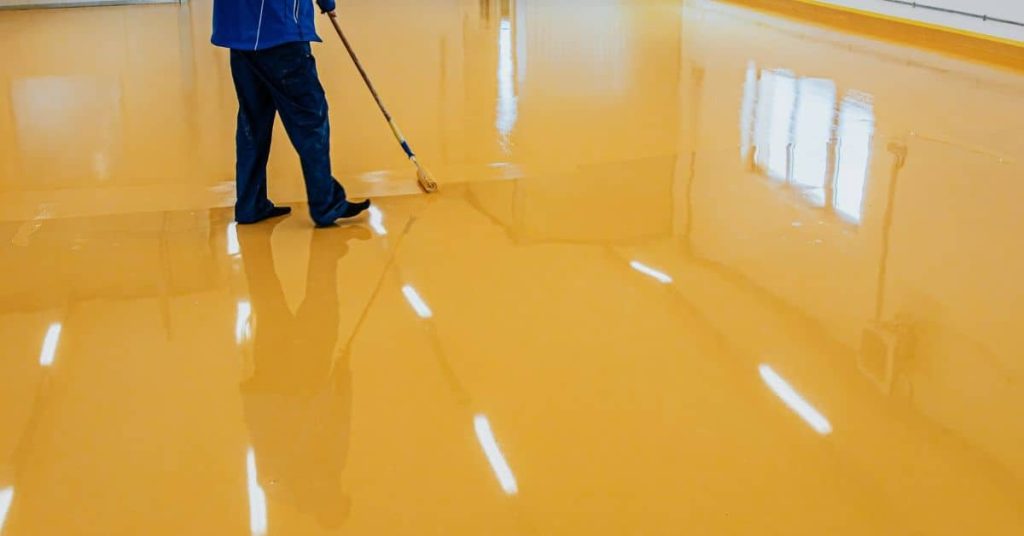
Person applying yellow epoxy floor coating with roller

Bubbles in Epoxy: Where they come from and how to stop them

Introduction Bubbles in epoxy are air pockets that form during mixing and pouring. They come from trapped air, improper mixing, or surface contamination. Taking care during prep and curing helps reduce them. Minimize bubbles by following the product’s mixing instructions and preparing the surface before pouring. Pour slowly, avoid stirring air into the resin, and

Bubbles in Epoxy: Where they come from and how to stop them Read More »

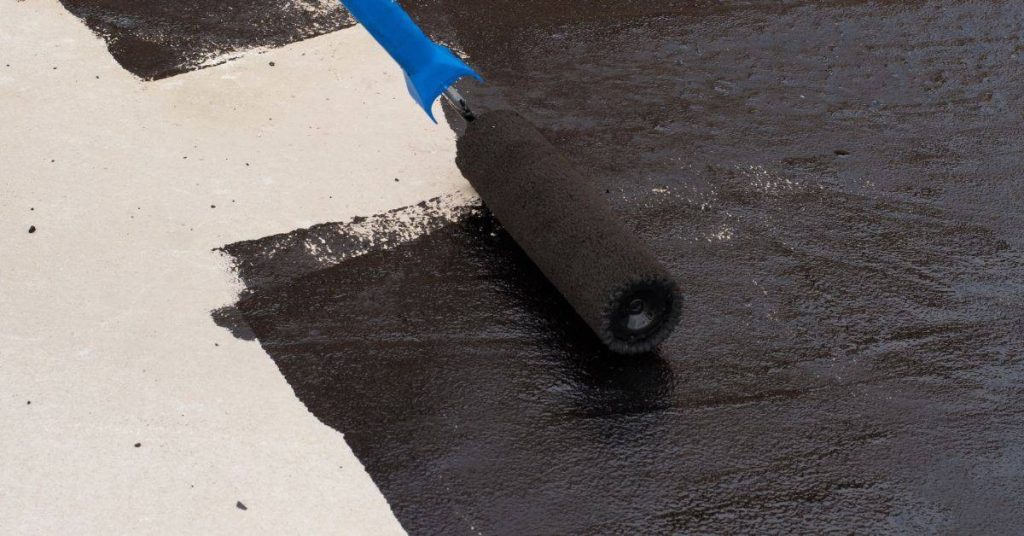
Paint roller applying black sealer on concrete surface

Concrete Sealer Recoat Windows: Why ‘too soon’ and ‘too late’ both cause problems

Introduction A concrete sealer recoat is best done when the surface is ready to bond again, so applying too soon or too late can cause problems. If you seal too soon, the new coat may not adhere well or cure correctly. If you wait too long, contaminants or the old film can prevent proper bonding.

Concrete Sealer Recoat Windows: Why ‘too soon’ and ‘too late’ both cause problems Read More »

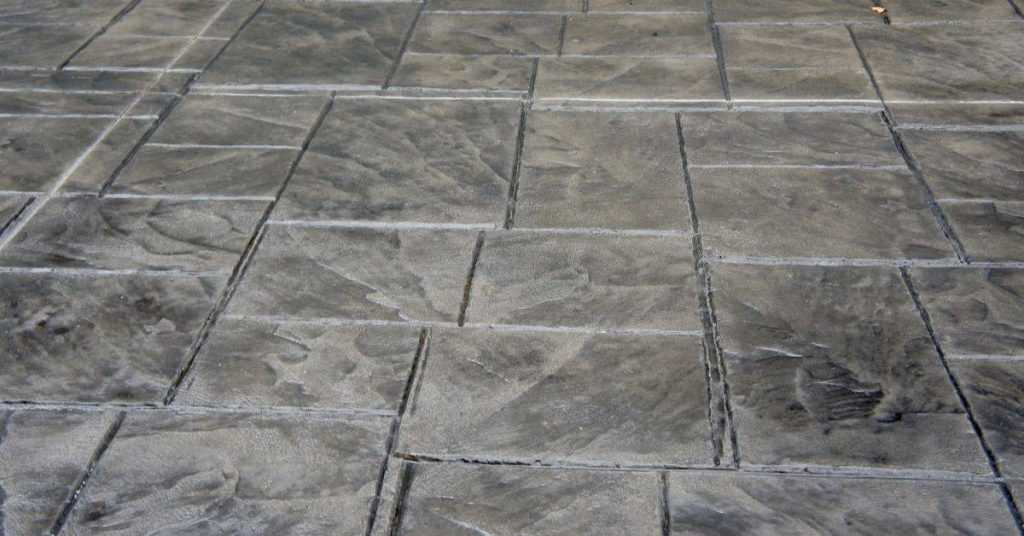
Stamped concrete patio surface with visible texture and seams

Bubbles in Concrete Sealer: Causes, prevention, and how to repair them

Introduction Bubbles in concrete sealer are air pockets that form in the film as you apply it and during curing. They usually come from trapped air, fast application, or surface moisture and dust. Always check the product label and follow surface prep steps for best results. To prevent them, apply thin, even coats and backroll

Bubbles in Concrete Sealer: Causes, prevention, and how to repair them Read More »

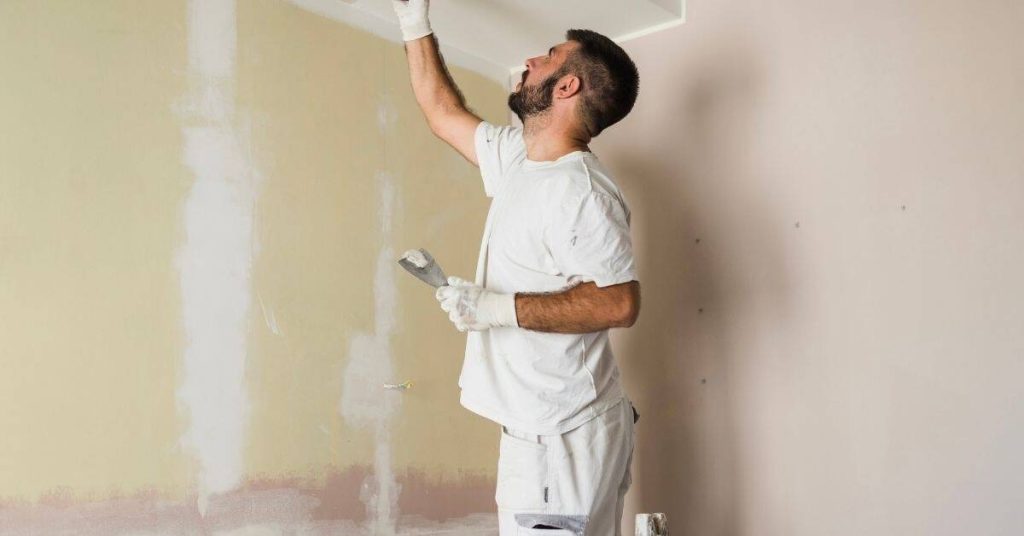
Man patching plaster on interior wall with putty knife

Patching Clay Plaster: Matching texture and color without a patch ring

Introduction Patching clay plaster means repairing damaged plaster by blending fresh material with the surrounding texture so the patch isn’t obvious. This guide treats texture and color matching as a hands-on, jobsite task you can do with basic tools. You’ll work in small steps, testing on a scrap area first. Start by cleaning the area,

Patching Clay Plaster: Matching texture and color without a patch ring Read More »

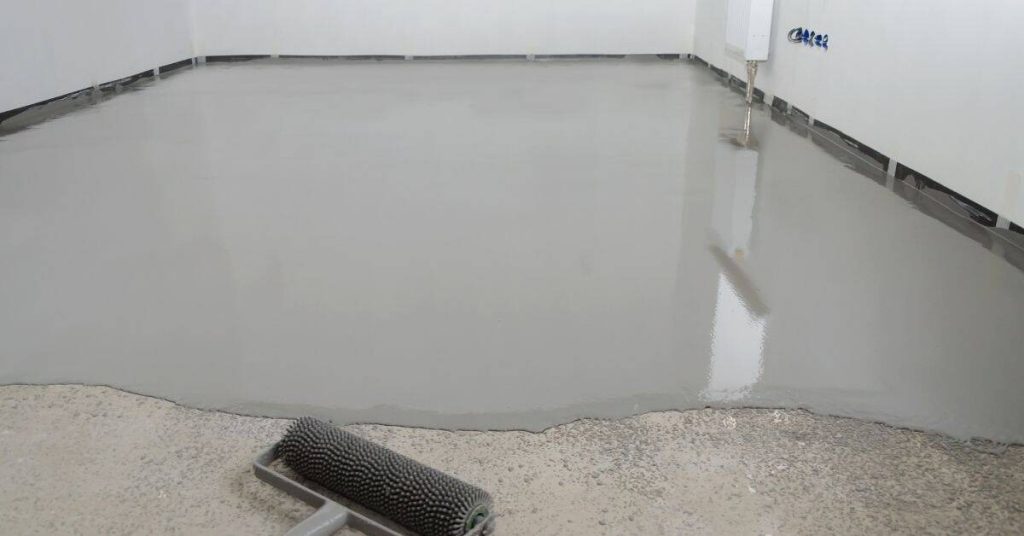
Freshly applied self-leveling concrete floor with roller

Microtopping Problems: Preventing bubbles, pinholes, and delamination

Introduction Microtopping problems are defects like bubbles, pinholes, and delamination that happen when a thin decorative concrete layer can’t bond or level properly. This article covers straightforward, hands-on steps to prevent them during mixing, prep, and application. You’ll also see how surface preparation and choosing self-leveling options can help you get a smoother, longer-lasting finish.

Microtopping Problems: Preventing bubbles, pinholes, and delamination Read More »