
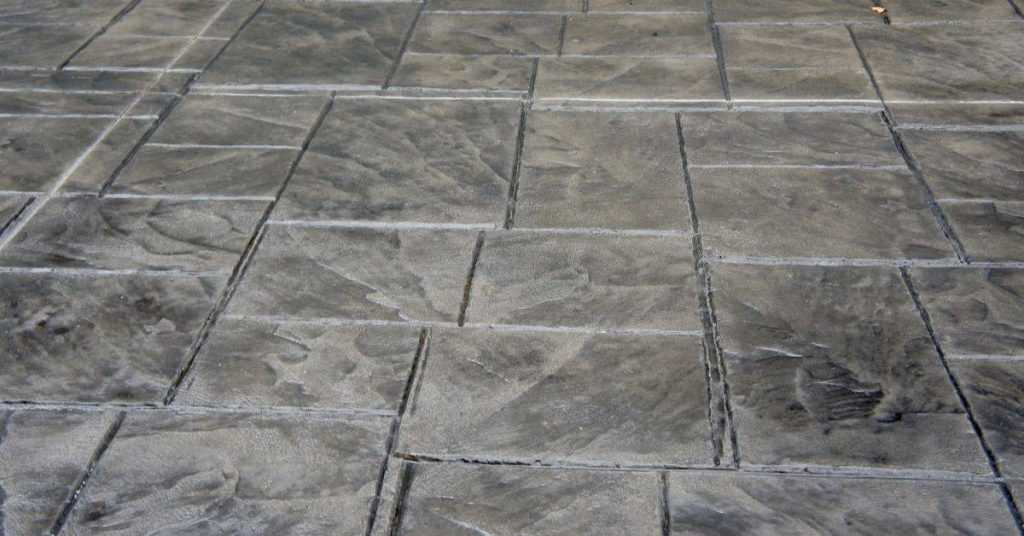
Introduction
Bubbles in concrete sealer are air pockets that form in the film as you apply it and during curing. They usually come from trapped air, fast application, or surface moisture and dust. Always check the product label and follow surface prep steps for best results.
To prevent them, apply thin, even coats and backroll while the sealer is workable, and start with a clean, dry surface. If you see bubbles, let the first coat dry fully, then lightly skim or recoat per manufacturer instructions and address moisture or dust indoors. Indoor projects need extra care with ventilation and curing space to avoid trapped humidity.
Key takeaways
- Inspect substrate moisture and previous coatings before sealing to prevent bubbling.
- Degrease and clean thoroughly; dust, oil, and contaminants trigger trapped bubbles.
- Choose solvent-based vs water-based sealers appropriate for indoor use to reduce bubbling.
- Apply in thin, even coats; avoid back-rolling to minimize air entrapment.
- Wear PPE; eye protection and respirator during application and sanding operations.
- Indoor environments require humidity control and ventilation to prevent blistering risks.
Table of Contents
- Introduction
- Key takeaways
- Common Causes of Bubbles in Concrete Sealer
- Environmental and Substrate Factors That Increase Bubbling Risk
- Types of Sealers and How Each Behaves with Respect to Bubbling
- Preventive Preparation and Best Practices Before Sealing
- Application Techniques to Minimize Bubbles
- Timing, Drying, and Curing: What to Watch for
- Repair Methods for Existing Bubbles and Blisters
- Troubleshooting, Costs, Safety, and Deciding DIY Vs Professional
- Conclusion
- FAQ
Common Causes of Bubbles in Concrete Sealer
Moisture and bleed-out are frequent culprits. Residual moisture in the slab or water trapped during sealing can push to the surface as the sealer cures, forming bubbles or blisters. You’ll notice this in damp basements or on freshly poured slabs that haven’t fully dried before sealing. Keep an eye on any damp spots or wet patches that linger after cleaning.
Surface contamination and cure-release residues also play a role. Oils, form-release agents, dust, or curing compounds on the surface can trap air or react with the sealer, causing foaming or blistering at localized spots. Improper application technique or thickness compounds the problem, as a coat that’s too thick or sprayed too aggressively can seal in air pockets. Temperature and evaporation dynamics further influence film formation and air entrapment, especially in sunny, windy conditions.
Outgassing and Trapped Moisture
Concrete naturally releases water (outgasses) as it cures. If the sealer goes on before this process is complete, bubbles can form under the film.
Trapped moisture in the concrete or from a damp environment can also cause bubbling. This often happens in basements with high humidity or when sealing freshly poured slabs.
To prevent this, ensure your concrete has cured properly and the surface is dry before applying sealer. Use a moisture meter to check if you’re unsure.
Application Technique and Equipment Errors
Improper application can trap air under the sealer, leading to bubbles. Here are some common mistakes:
- Applying too thick a coat: This seals in air pockets and prevents the sealer from drying properly.
- Spraying too aggressively: High pressure can force air into the film, creating bubbles.
- Back-rolling over poor primer: Rolling over an insufficiently dried or poorly applied primer can introduce air and cause bubbling.
- Overworking the sealer: Excessive rolling or spreading can incorporate air into the film.
- Using wrong equipment: Incorrect rollers, sprayers, or other tools can lead to improper application and air entrapment. Consider renting professional-grade equipment for better results.
Product Selection and Incompatibility
Using the wrong sealer or applying it over incompatible surfaces can cause bubbling. Here’s what to watch out for:
Some sealers aren’t suited for highly porous concrete, which can lead to uneven film formation and air entrapment.
Previous coatings or additives on the surface may react with the sealer, causing localized foaming or blistering. Always check product compatibility before application.
Key tip: Read and follow manufacturer guidelines for each product you use to ensure they’re compatible and applied correctly.
Environmental and Substrate Factors That Increase Bubbling Risk
Environmental factors elevate bubbling risk in predictable ways. High ambient temperature or low humidity can speed up evaporation and film formation, while strong sun or wind can pull solvents too quickly. Humidity near the surface matters too, as it affects how the sealer cures and whether air can escape. Pay attention to dew point and plan around changing outdoor conditions to avoid rapid drying when sealing outdoors.
Assessing the substrate before application helps catch trouble early. Check moisture content, surface dampness, curing compound residue, laitance, and any existing seals. Cleanliness matters as well; dust, oil, efflorescence, or cleaners can trap air or moisture under the coating. Indoor vs. outdoor settings, ventilation, and temperature swings also influence cure rate and air entrapment risks.
Temperature, humidity, and wind
Ambient conditions play a significant role in concrete sealer bubble formation. Here’s what you need to know:
Temperature: Ideal application temps are 50-90°F (10-32°C). Too hot or cold slows curing, traps moisture, and causes bubbles.
Humidity: High humidity hinders evaporation. Sealers cure slowly, trapping moisture and forming bubbles. Keep relative humidity below 85%.
Wind: Wind speeds over 10 mph (16 km/h) can blow off sealers before they cure, leaving behind bubbles. Check weather forecasts and avoid sealing on windy days.
Substrate moisture content and vapor drive
Moisture in concrete can cause outgassing, leading to bubbles. Here’s how to identify it:
Use a moisture meter to test for excess moisture. Insert probes into the concrete at multiple points. readings above 4% indicate high moisture content.
Perform a blot test: Press a piece of plastic film onto the surface, leave it overnight, then check for condensation. If present, wait until the concrete dries out before sealing.
Surface contaminants and residue
Contaminants on your concrete’s surface can interfere with sealer adhesion and cause bubbles. Here are common culprits:
Oils: Motor oil, grease, or other petroleum-based substances can prevent sealers from adhering properly.
Curing compounds: Residue from curing compounds can trap moisture and air, leading to bubbles. Ensure the surface is clean and free of residue before sealing.
Efflorescence: White powdery deposits on concrete surfaces indicate salt buildup. Remove efflorescence using a wire brush or acid solution (follow manufacturer’s instructions) before applying sealer.
Types of Sealers and How Each Behaves with Respect to Bubbling
Penetrating versus film-forming sealers behave differently under moisture and temperature swings. Water-based penetrants try to soak in, so bubbling is often linked to surface moisture seeping back out or improper surface prep. Film-formers like epoxies, polyureas, and acrylics create a surface film that can trap moisture underneath if the substrate isn’t dry or properly primed. In general, moisture entrapment under a film can manifest as blisters or pimples after curing.
Root-cause patterns tied to sealer type guide careful selection. Improper curing conditions or contamination commonly shows up as air pockets under film-formers, while moisture status and porosity affect penetrating products differently. Use this knowledge to pick products aligned with indoor or outdoor use, traffic levels, and substrate type, and follow manufacturer recommendations for cure times and film thickness to avoid bubbling.
Water-based vs Solvent-based Sealers
Water-based and solvent-based sealers dry differently, affecting their bubble-prone behaviors.
Water-based: These dry by evaporation. They’re less likely to trap solvents but can form bubbles if applied too thick or not allowed to cure properly. They’re more forgiving with surface contaminants.
Solvent-based: These dry by solvent evaporation, which can lead to trapped solvents forming bubbles if the surface isn’t porous enough or if they’re applied in high humidity. They require proper ventilation and are sensitive to surface contamination.
Film-forming vs Penetrating Sealers
Film-formers create a visible layer on the surface, while penetrators soak in. Both can bubble but for different reasons.
Film-formers: Bubbles here are usually from moisture entrapment under the film. They’re more visible and easier to repair than with penetrators. Ensure surfaces are dry before application.
Penetrators: Bubbles here often indicate improper curing or surface contamination. They’re less visible but harder to repair once set. Thorough surface prep is key.
Additives, Gloss Levels, and Surface Finishes
Gloss levels, thickeners, and additives can alter sealer flow and bubble risk. Always check technical data.
High-gloss: These can form bubbles if not applied thinly enough. They’re also more sensitive to surface contaminants.
Thickeners: These can cause bubbles if not mixed properly or if the sealer is applied too thick. Follow manufacturer guidelines for mixing and application.
Additives: Some additives can increase bubble risk, especially if they react with the sealer or surface. Always check compatibility with your chosen sealer.
Preventive Preparation and Best Practices Before Sealing
A thorough pre-sealing inspection helps prevent bubbles. Look for existing moisture, stains, efflorescence, oils, curing compounds, or previous coatings that could trap moisture or react with the sealer. Note any areas with higher porosity or open pores that may need patching or pore-sealing before the main coat goes on. Document conditions so you can verify against the sealer’s specs later.
Next, clean and roughen the surface as needed. Remove dust and debris, eliminate contaminants, and ensure no laitance or loose particles remain. Consider mechanical profiling or light etching where appropriate to improve bonding and reduce air pockets. Finally, confirm substrate moisture and humidity and plan for environmental controls during the cure period to minimize rapid drying.
Tools and materials checklist
Before you start, make sure you have all the necessary tools and materials to ensure a smooth, bubble-free application.
- Moisture meter: To test for excess moisture in the concrete before sealing.
- Surface thermometer: To check if the surface temperature is within the sealer’s application range.
- Degreaser or cleaner: To remove any contaminants, oils, or curing compounds from the surface.
- Stiff-bristled broom or brush: For mechanical profiling to roughen the surface and improve sealer adhesion.
- Etching solution (if needed): To lightly etch the surface and open pores for better absorption of the sealer.
- Concrete patching compound: To fill any cracks or holes that could trap moisture or air.
- Primer (optional, but recommended): To improve adhesion and seal the surface before applying the sealer.
- Sealer applicator tools: Such as rollers, sprayers, or lambswool applicators, depending on the sealer type.
Quick rule: Skipping any of these steps or using subpar materials can lead to trapped moisture and bubbles in your sealer.
Surface preparation steps
Thoroughly inspect and prepare the concrete surface before sealing to minimize outgassing and ensure proper adhesion.
1. Inspect: Check for any signs of moisture, stains, efflorescence, or other contaminants that could react with the sealer or trap moisture.
2. Clean: Use a degreaser or cleaner to remove all dirt, dust, and debris from the surface. Rinse thoroughly and allow it to dry completely.
3. Profile and patch: Use a stiff-bristled broom or brush to mechanically profile the surface, removing any laitance or loose particles. Apply an etching solution if necessary to open pores. Patch any cracks or holes with a concrete patching compound.
Allow the patched areas to cure completely before proceeding with sealing to prevent moisture from being trapped beneath the sealer.
Mixing, thinning, and agitation guidance
Proper mixing, thinning (if required), and agitation of your concrete sealer are crucial to avoid entraining air bubbles or altering the coating’s behavior.
1. Mix thoroughly: Follow the manufacturer’s instructions for mixing the sealer. Ensure all components are well combined to achieve a consistent viscosity and prevent air pockets from forming.
2. Thinning (if required): If your sealer needs to be thinned, use the recommended thinner or solvent in the specified ratio. Mix thoroughly to ensure even distribution of the thinning agent.
3. Agitate during application: Use a paint mixer attachment on a drill or an air-powered agitator to keep the sealer well-mixed while applying it to the surface. This helps prevent settling and ensures consistent coverage without introducing air bubbles.
Allow the mixed sealer to rest for any specified induction time before application to ensure proper curing and to avoid trapping air within the coating.
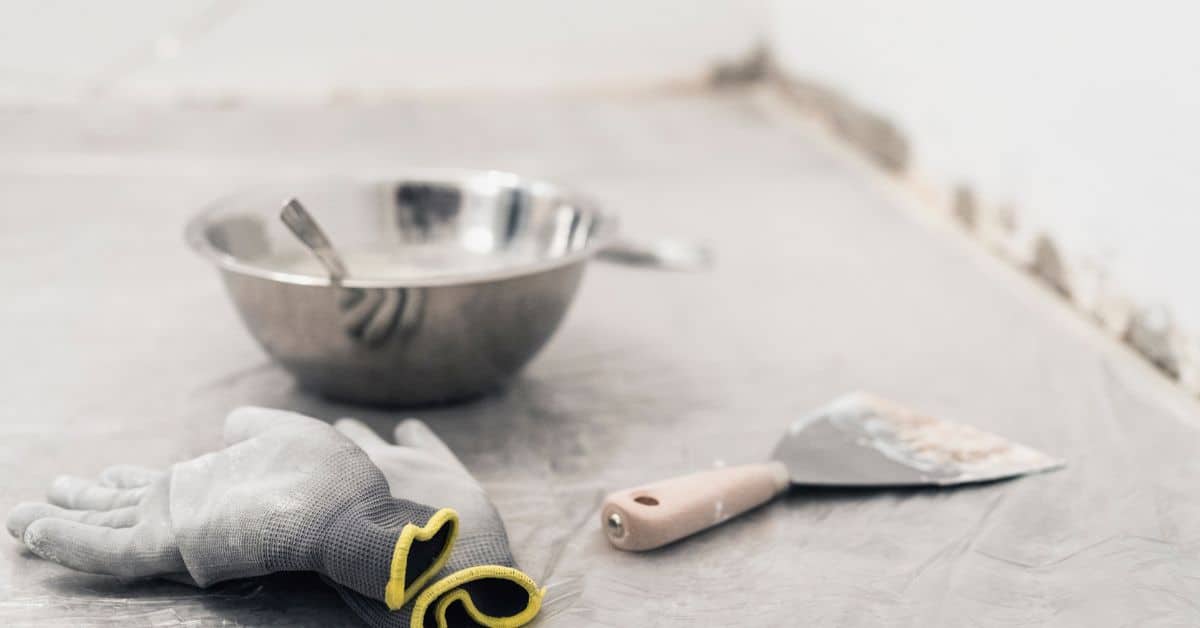
Application Techniques to Minimize Bubbles
Define the key variables early: sealer type, surface condition, and current moisture content determine the best method, whether roller, brush, or spray. A clean, dry surface helps air escape and reduces surface pinches that trap bubbles. Repairing pores or cracks beforehand prevents localized air entrapment during application.
Apply with a methodical sequence. Use a priming coat if required, followed by a flood coat, then back-roll or cross-hatch as recommended. Keep overlaps and edges smooth to avoid dry edges that trap air. Follow manufacturer guidance on roller nap, brush pressure, and spray settings while avoiding over-application and thinning beyond permitted limits.
Rollers, brushes, and spray settings
Choose the right tools to minimize agitation and ensure a smooth film. For rollers, use a 3/8″ or 1/2″ nap for most sealers. Go slower with longer naps. Keep roller speed steady.
For brushing, use a 3″ or 4″ wide brush. Work in smooth, even strokes, applying moderate pressure. Don’t scrub.
Spraying? Use a tip size matching your sealer’s viscosity. Set fan width to cover 2/3 of roller width. Air pressure should be around 60-80 psi. Keep it steady.
Working in passes and managing lap marks
Divide your job into manageable sections. Work one section at a time, keeping a wet edge to avoid dry spots that trap air.
For rollers, overlap each pass by about half the roller width. For brushing, maintain a consistent stroke length and overlap slightly.
Sprayers need careful control. Overlap each pass by 30-50%. Keep your distance steady for even coverage.
Using pressure relief and venting strategies
Sometimes, air gets trapped. Here’s how to let it out. For rollers, lightly perforate the film with a roller or brush after application. This lets air escape.
For brushing, use a back-brushing technique. Work backwards over the area you just covered, applying light pressure to release trapped air.
Spraying? Lightly mist the surface with your sprayer after application. This helps release trapped air and promotes better adhesion.
Timing, Drying, and Curing: What to Watch for
Establish practical timing windows based on the sealer’s data: plan recoat intervals after a tack-free period and avoid rushing or delaying coats. Differentiate between solvent- and water-based formulations as they cure at different rates and have distinct sensitivity to conditions. Use this as a guideline, not a rule, and verify against the label for your product.
Monitor drying versus curing carefully. Surface drying means the film is dry to the touch, but curing is the full development of the film’s properties. Temperature, humidity, and airflow all influence cure time. If conditions change, you may need to adjust expectations for when the surface is ready for the next coat or for light use.
Drying windows and recoat recommendations
The key to successful concrete sealing lies in understanding when it’s safe to apply the next coat. Here’s how:
Solvent-based sealers usually take 2-4 hours to dry to the touch, but can be ready for recoating after just 1 hour if they’re tack-free. Check by gently touching the surface – if it feels sticky or leaves a mark, wait longer.
Water-based sealers take longer, typically 4-24 hours. Again, check for tackiness before recoating. Premature recoating can trap moisture and cause bubbles.
Monitoring cure conditions
Curing is when the sealer hardens and forms a durable film. Here’s what to watch for:
Use a thermometer to keep tabs on temperature. Most sealers cure best between 50-90°F (10-32°C). Too cold or too hot can slow down curing and cause issues.
Check relative humidity with a hygrometer. Ideal range is 40-70%. High humidity can trap moisture, leading to blisters. Low humidity can cause the sealer to cure too fast, making it brittle.
Use a moisture meter or plastic sheet test to ensure your surface is dry before applying the next coat. If you find moisture, address it – delay work, seal and cure, or use a dry-composite method.
When to wait or delay the project
Sometimes, Mother Nature (or your sealer’s instructions) tells you to hold off. Here are clear signs:
Temperature swings: Rapid temperature changes can cause blisters. Postpone work if temps fluctuate more than 10°F (6°C) in a short period.
Rain or heavy humidity: Water from rain or high humidity can get trapped under the sealer, causing bubbles. Avoid sealing when rain is expected within 24 hours of application, and keep an eye on humidity levels.
Product guidance: Always follow your sealer’s instructions. Some products require specific drying times or environmental conditions for optimal performance.
Repair Methods for Existing Bubbles and Blisters
Define when to use small spot fixes versus larger repairs by blister size, location, and the substrate condition. Assess the sealing product type and whether the blistering results from trapped moisture or poor prep. Decide on the most appropriate method based on the overall surface condition and project goals.
Diagnose root causes and moisture risk before choosing a repair path. If moisture is the main issue, address it before resealing. Surface prep includes cleaning, abrasion, drying time, and PPE. For small fixes, reseal or patch; for moderate repairs, feathered edge repairs or blister flattening with patching; for major repairs, consider patching, full-strip-and-reseal, and thorough moisture remediation before resealing.
Assessing severity and choosing a repair method
First, evaluate the size, depth, and number of blisters. Use a sharp tool to gently prick them and check for trapped moisture or loose adhesion.
Small, isolated blisters with good adhesion can be fixed locally. Large, widespread blisters or those with poor adhesion require complete removal and resealing.
Consider the sealer type and substrate condition too. Incompatible sealers or damaged substrates may need professional assessment.
Step-by-step spot repair and resealing
This sequence helps fix small blisters without disturbing the entire surface.
- Prick blisters with a needle, release trapped moisture if any. Wipe clean.
- Lightly abrade blister edges with fine-grit sandpaper to ensure patch adhesion.
- Apply compatible patching material, following manufacturer’s instructions.
- Let it cure as per the product guidelines. Lightly sand and vacuum excess dust.
- Reapply a thin coat of compatible sealer, ensuring even coverage and no new bubbles form.
Complete strip-and-reseal procedure
This method ensures thorough removal of failed coatings and proper preparation for a new sealer system.
First, strip off the old coating using appropriate solvents or mechanical means. Ensure all residue is removed.
Next, prep the substrate. Clean, abrade if necessary, and apply a primer/bonding agent suitable for your new sealer. Allow proper drying time before proceeding.
Finally, apply the new sealer system following manufacturer’s instructions. Ensure proper ventilation, manage lap marks, and allow adequate cure time between coats to prevent reoccurrence.
Troubleshooting, Costs, Safety, and Deciding DIY Vs Professional
Begin with a quick diagnostic check to identify common causes of bubbles, including moisture, prep, sealer compatibility, and environmental factors. Use a practical flow to test conditions, correct prep, and reseal when appropriate. Decide whether this is a spot fix or a full recoat based on surface condition and project goals.
Safety and planning are essential. Follow PPE guidelines, ensure ventilation, and manage chemical handling and disposal. Consider the cost comparison between DIY materials and contractor services, and weigh warranty considerations before proceeding. Use a clear plan for cure windows, prep steps, and tests to confirm seal integrity before full application.
Quick troubleshooting checklist
Before diving into repairs, use this checklist to identify the root cause of your concrete sealer bubbles.
- Moisture: Check if surface is damp. Bubbles from moisture can take days to appear.
- Improper surface prep: Inspect for contaminants, cracks, or insufficient cleaning. Inadequate prep leads to poor adhesion and bubbling.
- Incompatible sealer: Verify the sealer is suitable for your concrete type and environment. Using the wrong sealer causes bubbles and peeling.
- Temperature/humidity: Ensure conditions are within the sealer’s application range. Extreme temps or humidity cause bubbling and poor curing.
- Over-application: Check for excess sealer, especially at edges. Too much sealer traps air and forms bubbles.
- Film trapping: Look for trapped moisture or air under the sealer film. This causes blisters and bubbling.
- Sealer application technique: Review your application method (roller, brush, spray). Incorrect techniques lead to bubbles and lap marks.
- Substrate issues: Inspect for underlying problems like efflorescence or delamination. These cause bubbling and seal failure.
Quick rule: Addressing these factors early prevents costly repairs and ensures a durable, bubble-free seal.
Cost comparison: prevention vs repair
Preventing bubbles is cheaper than repairing them. Here’s why:
Prevention costs include materials (sealer, prep tools) and time for proper surface preparation and application. However, these are one-time expenses that ensure a long-lasting seal.
Repair costs, on the other hand, involve materials for patching or recoating, labor if hiring a pro, and downtime while waiting for repairs to cure. Plus, failed seals may require repeated repairs, adding up over time.
Rule of thumb: Invest in prevention to save money in the long run. A well-prepared surface and proper application technique minimize bubbles and extend sealer lifespan.
Safety precautions and when to call a professional
Safety comes first. Here are essential precautions:
PPE: Wear gloves, safety glasses, and protective clothing when handling sealers.
Ventilation: Ensure adequate ventilation during application to avoid fume inhalation. Keep windows open or use fans if necessary.
Chemical handling: Follow manufacturer guidelines for safe mixing, application, and disposal of sealers. Store chemicals safely away from heat sources and children.
Call a professional when:
- Splashy blisters: Widespread or large bubbles indicate a severe underlying issue that may require expert assessment.
- Complex substrates: Unusual concrete types, like stamped or decorative finishes, may need specialized sealing techniques.
- Access to equipment: If you lack necessary tools (e.g., spray equipment) or safety gear, consider hiring a pro.
- Warranty considerations: Some warranties require professional application for coverage. Check your warranty before proceeding with DIY repairs.
Conclusion
Safety and durability go hand in hand with a clean, bubble-free seal. If you protect the substrate, follow the product directions, and watch drying and curing, your concrete will look good and last longer.
Before you seal, check the surface in a simple, sequential way: clean and dry the area, verify there’s no moisture or lingering efflorescence, pick the right sealer for the job, test a small patch, set the climate to an appropriate temperature and ventilation, mask nearby surfaces, and apply in thin, even coats with time to cure before use. Do this in the same rough order you’d expect from the guide, and stay within the product’s limits; safety gear stays on, and never rush a cure.
Common mistakes to avoid are sealing over damp or dirty concrete, overworking the surface, and skipping a test patch or ventilation check. Maintain safety and discipline: wear eye protection and a mask when in doubt, never spray indoors without airflow, and don’t dilute unless the manufacturer allows it. Keep the job small enough to manage, and stop if bubbling starts and you haven’t resolved the moisture or substrate issues.
If you see large areas bubbling, ongoing moisture, or you’re unsure about the substrate, call a professional rather than pushing ahead. When in doubt, fix the root cause first and proceed with care, because a proper seal protects value, safety, and appearance more than a rushed job ever will.
FAQ
What causes bubbles to form in concrete sealer?
Bubbles usually come from trapped air, moisture in the concrete, or incompatible sealer with the surface. Poor surface prep and applying too thick a coat can also trap air. Always check the product label for guidance on compatibility and prep requirements.
What are the best prevention methods to avoid bubbles?
Clean and dry the surface thoroughly before sealing. Use the recommended sealer type for your substrate and follow the manufacturer’s instructions for spacing, temperature, and curing. Apply light, even coats and avoid overworking the finish.
How can I repair bubbles that appear after sealing?
Let the sealer cure if possible, then sand smooth and recoat as directed by the product instructions. For small blisters, carefully cut away the blistered area and re-seal with a compatible coat. If peeling or widespread bubbling continues, consider stripping and resealing per manufacturer guidelines.
Maintenance tips to prevent future bubbles on indoor and outdoor surfaces?
Keep surfaces clean and dry before each reseal. Revisit recommended maintenance intervals and use compatible products. Inspect for moisture sources or cracking that could introduce water before resealing, and address those issues first.