Search Results for: surface prep

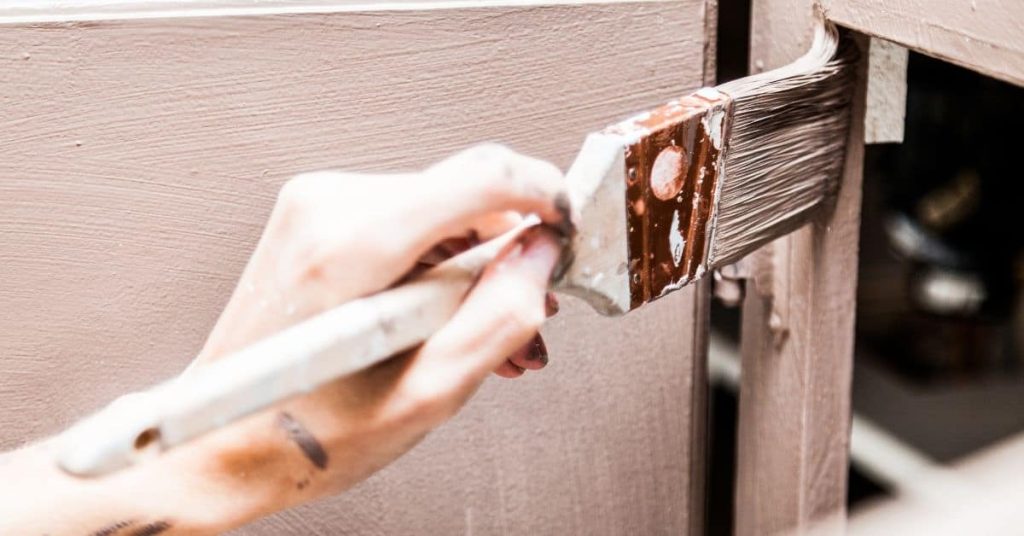
Hand painting edges of wooden cabinet with brush

How to Prevent Tape Lines When Painting: Cutting in and pulling tape the right way

Introduction Preventing tape lines means masking and edge-work done so the paint meets cleanly without ridges. Cutting in and lifting tape at the right moment helps keep the edge sharp. Work slowly, check the edge as you go, and don’t rush the tape removal. Start with clean, dry surfaces and press the tape firmly to […]

How to Prevent Tape Lines When Painting: Cutting in and pulling tape the right way Read More »
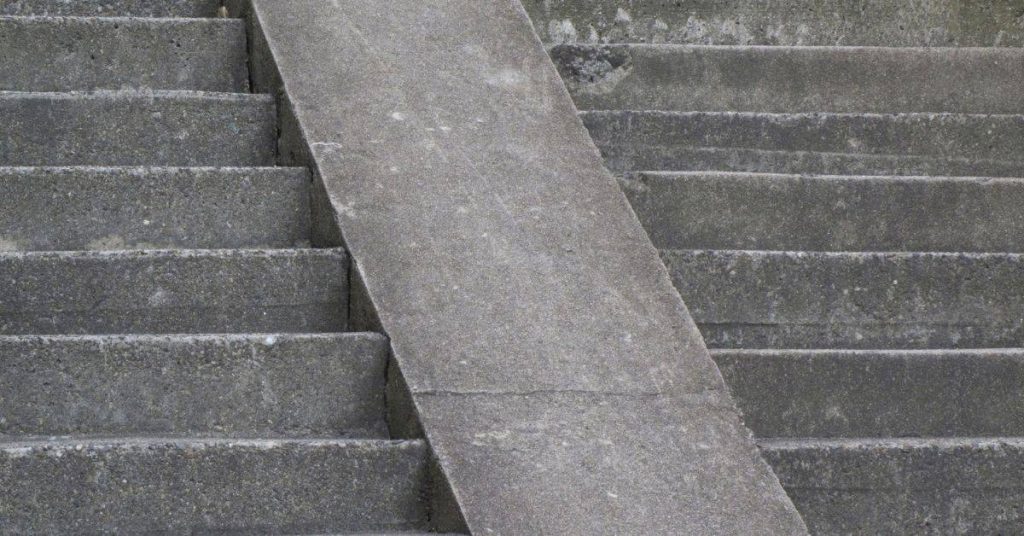
Concrete stairs with a smooth ramp in the middle

Fixing a Concrete Patch That Won’t Take Stain: Porosity matching and blending

Introduction Porosity matching and blending means adjusting a concrete patch so it accepts stain like the surrounding concrete and hides the edges. Start with a clean, dry surface and test a small area to see how the stain looks. If the patch seems off, adjust the patch mix with a compatible additive or bonding agent

Fixing a Concrete Patch That Won’t Take Stain: Porosity matching and blending Read More »

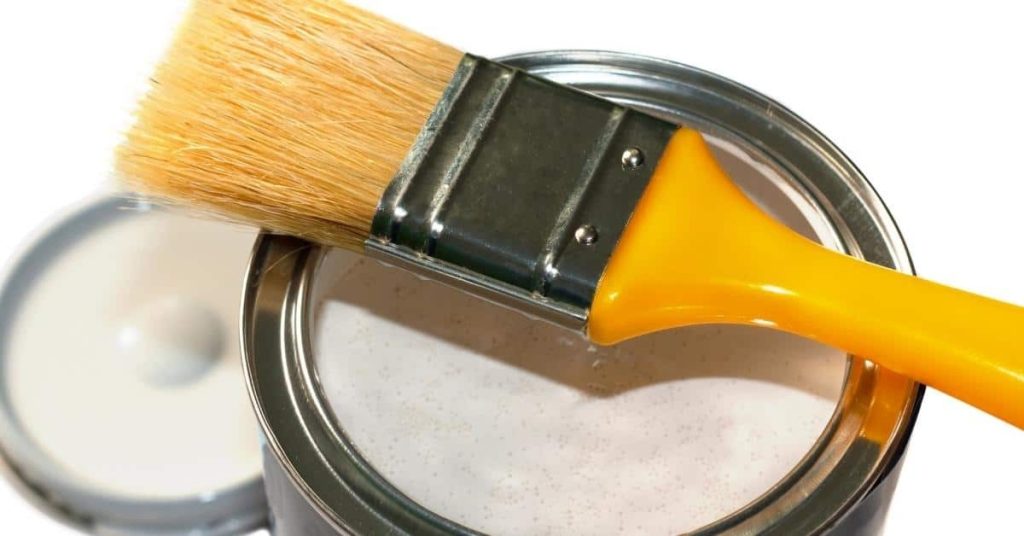
Paintbrush resting on an open can of white paint

Brush Drag and Pulling Paint: Why it happens and how to improve flow

Introduction Brush drag and pulling paint happen when the brush edge catches and drags on the surface, causing uneven flow. It’s usually caused by a combination of stiff paint, a too-dry brush, and rough or improper surface prep. Understanding these cues helps you adjust your approach on the job. To improve flow, load the brush

Brush Drag and Pulling Paint: Why it happens and how to improve flow Read More »

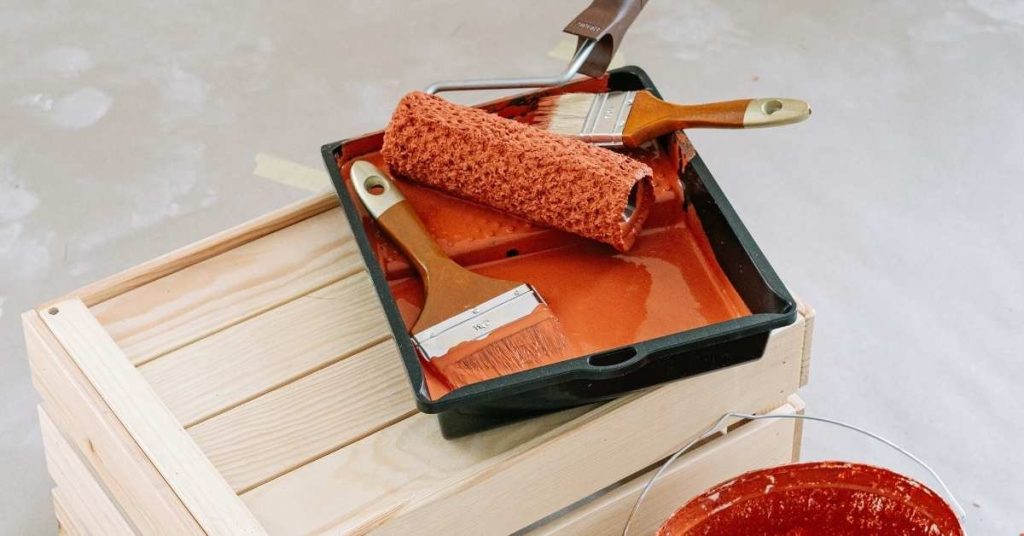
Paint brushes and roller on paint tray with orange paint

Paint Cratering: Oils, cleaners, and residue that cause defects

Introduction Paint cratering is the appearance of crater-like defects on a painted surface caused by oils, cleaners, or residue left on the material before painting. These contaminants disrupt how the paint film bonds, leaving dull spots and pinholes as it dries. In DIY work, it often happens after rushed cleaning or using unsuitable cleaners. To

Paint Cratering: Oils, cleaners, and residue that cause defects Read More »

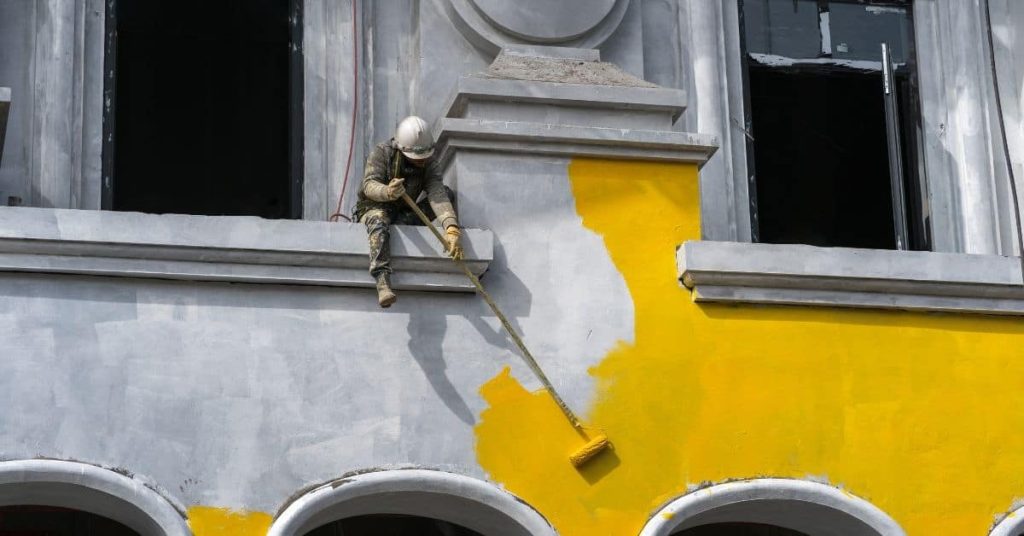
Worker wearing yellow helmet painting wall with roller

Painting Over Joint Compound: Priming to stop dull ‘dead spots’ on walls

Introduction Priming over joint compound means applying a primer to smooth, sealed drywall before painting to even out the surface. This helps dull spots and makes paint stick better across taped seams. Do the job with clean, dry surfaces and follow the primer label for dry times. Choose a primer designed for drywall and joint

Painting Over Joint Compound: Priming to stop dull ‘dead spots’ on walls Read More »