Search Results for: surface prep

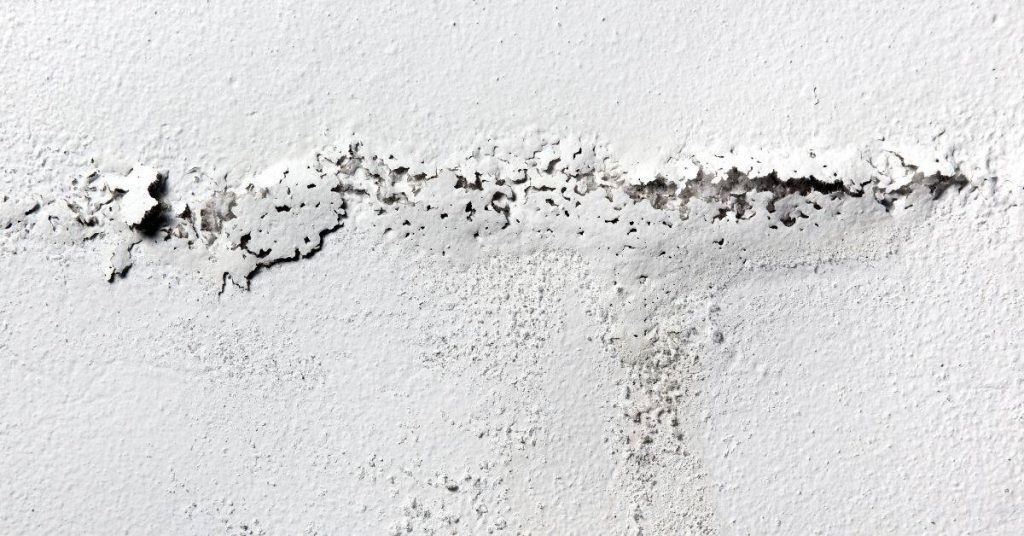
Peeling white paint on rough concrete wall surface

Concrete Sealer on New Concrete: The moisture traps that cause peeling later

Introduction Sealing new concrete can trap moisture and cause peeling later. That moisture gets trapped under the sealer if the surface is still damp or the slab is still curing. Let the concrete cure fully and follow the manufacturer’s guidance before applying any sealer. Before sealing, clean the surface and remove dust, oil, and any […]

Concrete Sealer on New Concrete: The moisture traps that cause peeling later Read More »

Precast concrete panel resting on sandy ground

Concrete Sealer Whitening After Rain: Causes and How to Restore Clarity

Introduction Concrete sealer whitening after rain can be a removable mineral deposit, temporary moisture blush, or a failed coating. Do not try to hide it with another coat. First let the surface recover through the product’s specified dry or cure period, identify the sealer, then use only a manufacturer-approved treatment in a small hidden area.

Concrete Sealer Whitening After Rain: Causes and How to Restore Clarity Read More »

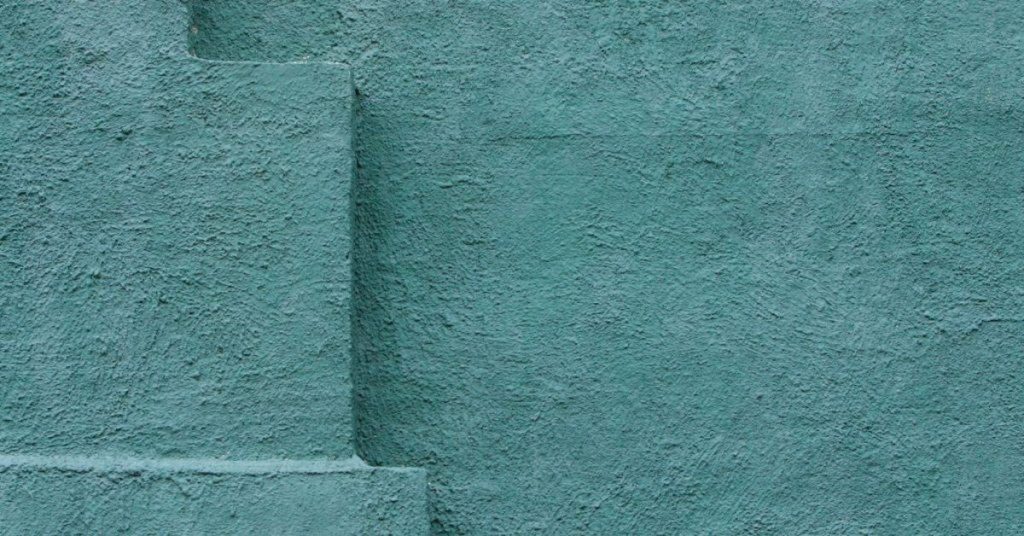
Close-up of blue stucco textured wall corner

Sealing Stucco Around Pipes: A leak-proof method that still lets walls dry

Introduction Sealing stucco around pipes means creating a tight, watertight seal where pipes enter the wall while letting the surrounding stucco dry out. You’ll typically clean the joint, apply a compatible sealant, and backer material if needed, but don’t overfill. Follow product instructions for cure times and weather limits, and check for gaps after sealing.

Sealing Stucco Around Pipes: A leak-proof method that still lets walls dry Read More »

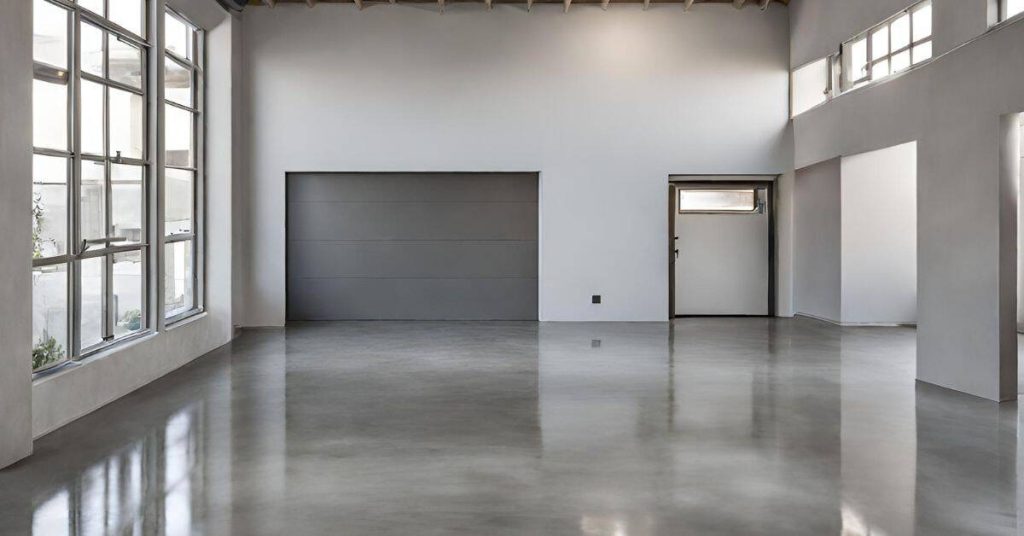
Empty room with polished concrete floor and large windows

How to Blend Concrete Repair Edges So Patches Don’t Stand Out

Introduction A concrete patch rarely becomes invisible: new cement, aggregate exposure, texture, moisture, and sheen age differently from the surrounding slab. The practical goal is a sound repair with an edge, color, and finish that are hard to notice at normal viewing distance. Start by deciding whether the defect is actually a cosmetic patching job.

How to Blend Concrete Repair Edges So Patches Don’t Stand Out Read More »

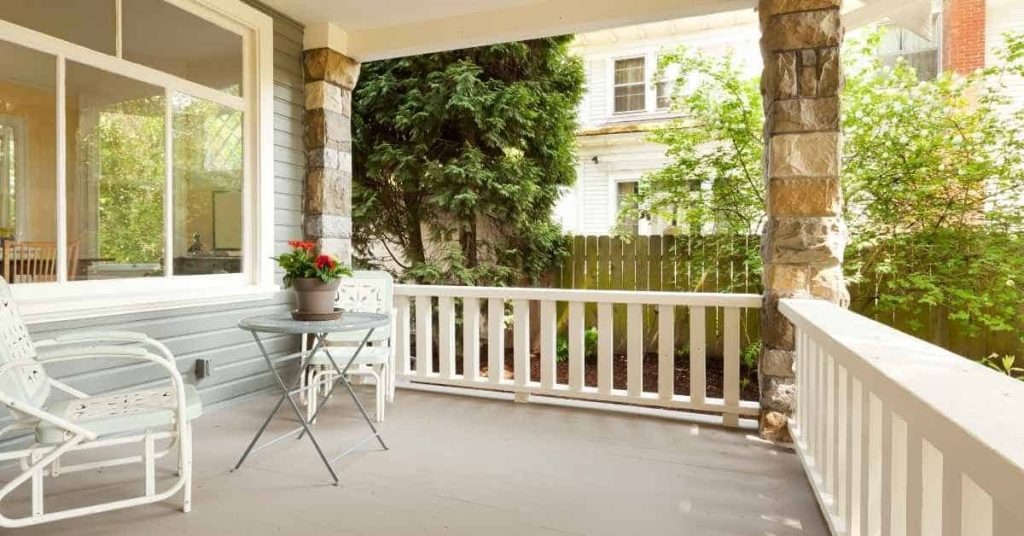
porch with painted concrete floor and white railing

Concrete Countertop Sealing: Durable, low-maintenance options that won’t haze

Introduction Sealing concrete countertops means applying a coating or treatment to protect the surface from stains and wear. A good seal helps wipe up spills, keeps the look cleaner, and reduces daily maintenance. There are different approaches, and you’ll want to choose based on how you use the counter and what you can tolerate in

Concrete Countertop Sealing: Durable, low-maintenance options that won’t haze Read More »

Concrete slab being smoothed with a long-handled float

Concrete Pinholes After Grinding: Filling pores without losing texture

Introduction Pinholes after grinding are tiny surface pores left in the concrete after smoothing. They can show up after grinding and may affect texture if not filled. This article explains a practical way to fill them while keeping the surface feel intact. You’ll need simple fillers and a bit of patience, and always check product

Concrete Pinholes After Grinding: Filling pores without losing texture Read More »

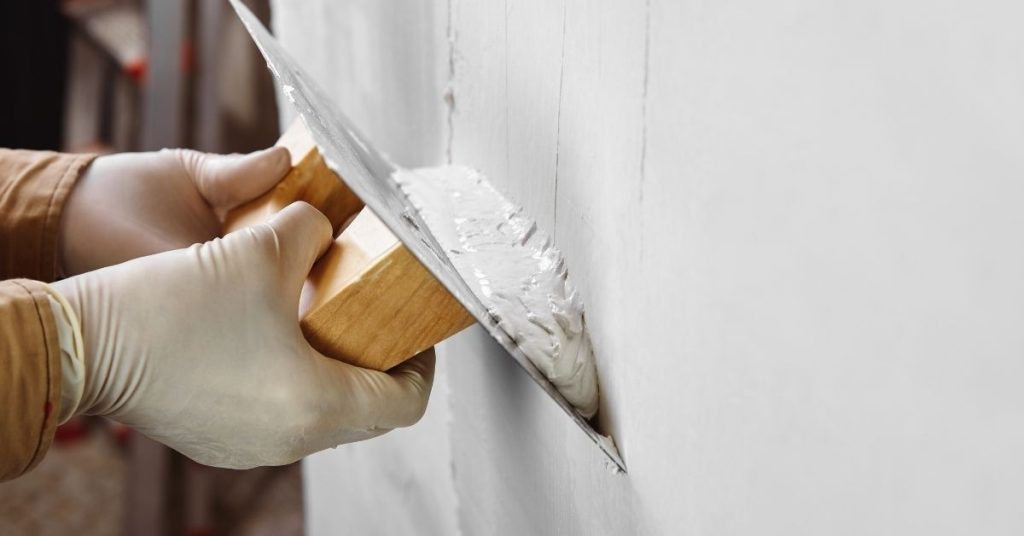
Hands applying plaster to wall with wooden float

Venetian Plaster Sealers: Wax vs. Soap vs. Modern Coatings

Introduction Wax, soap, and modern coatings are not interchangeable Venetian-plaster sealers. The right choice depends first on the plaster system, any existing finish, and the surface’s exposure—not just the sheen you want. For a dry decorative interior wall, wax, soap, or even no sealer may be appropriate when the plaster manufacturer permits it. A splash-prone

Venetian Plaster Sealers: Wax vs. Soap vs. Modern Coatings Read More »

Gloved hand cleaning a wall with a green sponge

How to Paint Over Smoke Stains: Cleaning, sealing, and odor control

Introduction Painting over smoke stains means preparing the wall by cleaning soot, sealing to block odors, and applying fresh paint. This is a practical, hands-on job you can do with common tools. Assess the stains and follow the label on primers and paints for the right compatibility. Clean thoroughly with a suitable cleaner to lift

How to Paint Over Smoke Stains: Cleaning, sealing, and odor control Read More »

Hand painting white paint on wooden door panel

How to Stop Door Paint From Sticking: Cure time, blocking, and topcoat choices

Introduction Door paint sticking happens when the finish doesn’t dry fully or cures unevenly. Give each coat enough cure time and choose a topcoat that suits door surfaces to prevent sticking. Check the product label and local rules for drying times and recommendations. Use a finish approved for doors and follow thinning or application guidance

How to Stop Door Paint From Sticking: Cure time, blocking, and topcoat choices Read More »

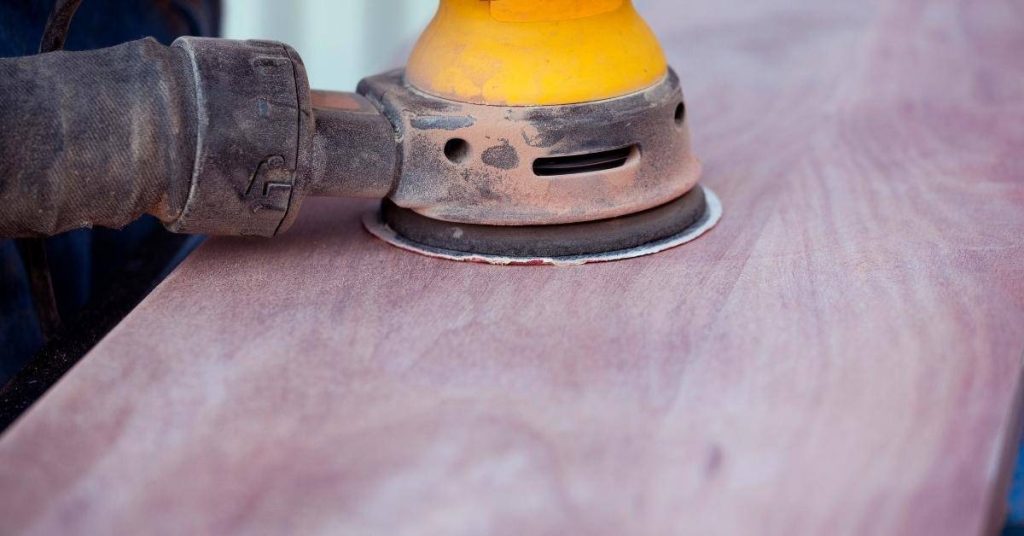
Orbital sander sanding smooth plywood surface

How to Fix Raised Paint Edges at Tape Lines: Sanding and recoat strategy

Introduction Raised paint edges at tape lines are ridges formed where tape seals and paint creeps under. This guide shows how to sand them smooth and refinish without pulling off surrounding paint. Use a light touch, gentle feathering, and follow the tape and paint manufacturer’s instructions. Sanding should be light and even, targeting only the

How to Fix Raised Paint Edges at Tape Lines: Sanding and recoat strategy Read More »