Search Results for: stucco patch

Worker applying first coat of stucco on wall with trowel

Three-Coat vs One-Coat Stucco: Thickness Targets, Cure Times, and Where Each Fails

Introduction Three-coat stucco uses three separate layers, while one-coat finishes are completed in a single composite application. Thickness targets and cure times depend on the system you choose, so always check the product label and local rules rather than guessing. Also verify how a weather-resistive barrier is used and how the lath is installed, since […]

Three-Coat vs One-Coat Stucco: Thickness Targets, Cure Times, and Where Each Fails Read More »
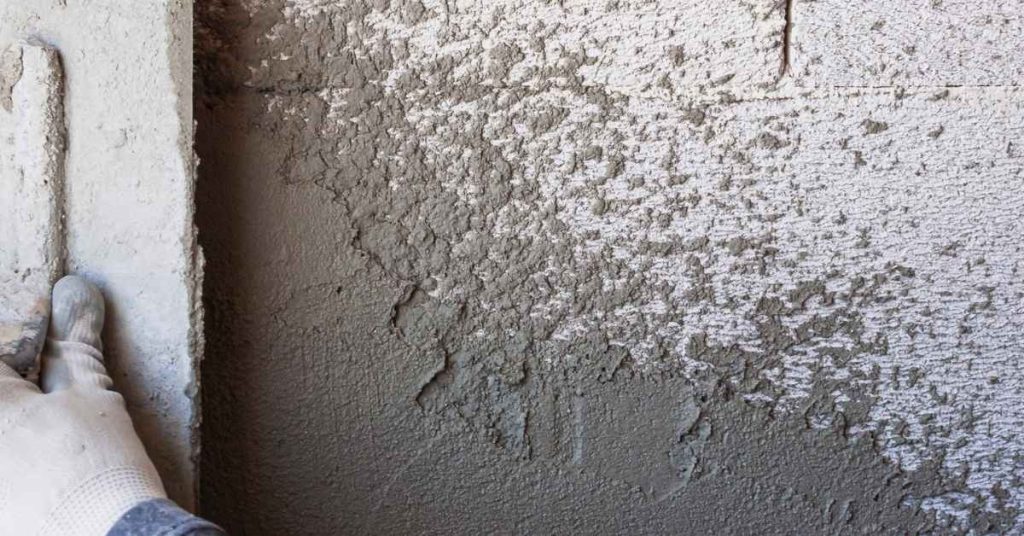
Hand smoothing wet scratch coat over base wall surface

Stucco Over Autoclaved Aerated Concrete (AAC): Base Coat Choice, Fasteners, and Suction Control

Introduction Stucco over AAC is applying a compatible base coat to Autoclaved Aerated Concrete walls. Pre-installation prep is key—clean surfaces, seal any joints, and plan how you’ll store and handle panels to avoid damage. Handle AAC panels with care, store flat in a dry, shaded area, and check manufacturer guidance for any site-specific restrictions. Choose

Stucco Over Autoclaved Aerated Concrete (AAC): Base Coat Choice, Fasteners, and Suction Control Read More »

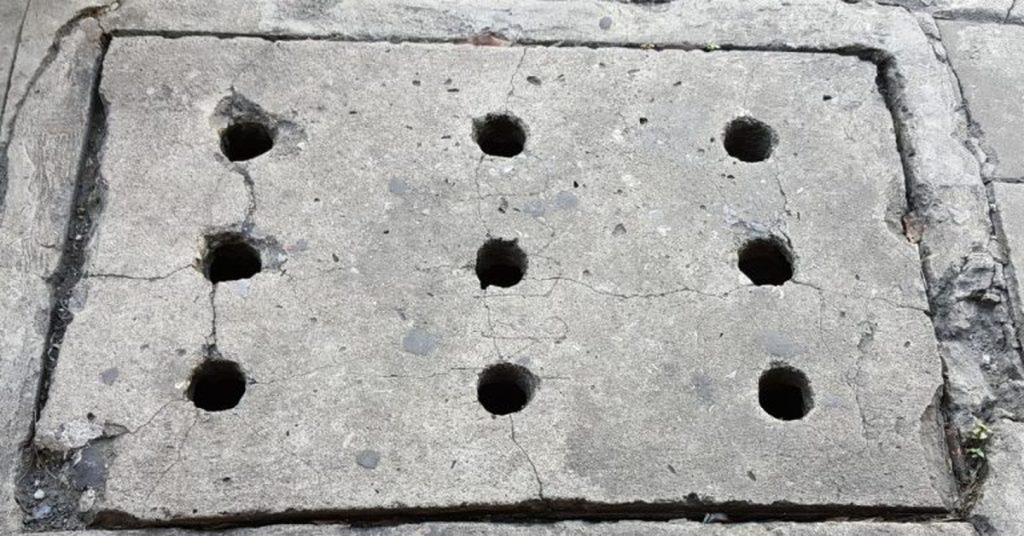
Concrete slab with nine drainage holes

Galvanic Anodes in Patch Repairs: When Sacrificial Protection Prevents Ring-Anode Spalls

Introduction Galvanic anodes in patch repairs are sacrificial metal pieces placed near the patch to protect embedded steel from corrosion. They work by attracting corrosion to themselves rather than the steel, helping prevent ring-anode spalls. Use this approach when you want durable repairs and want to minimize crumble around the patch. Spalling is when concrete

Galvanic Anodes in Patch Repairs: When Sacrificial Protection Prevents Ring-Anode Spalls Read More »

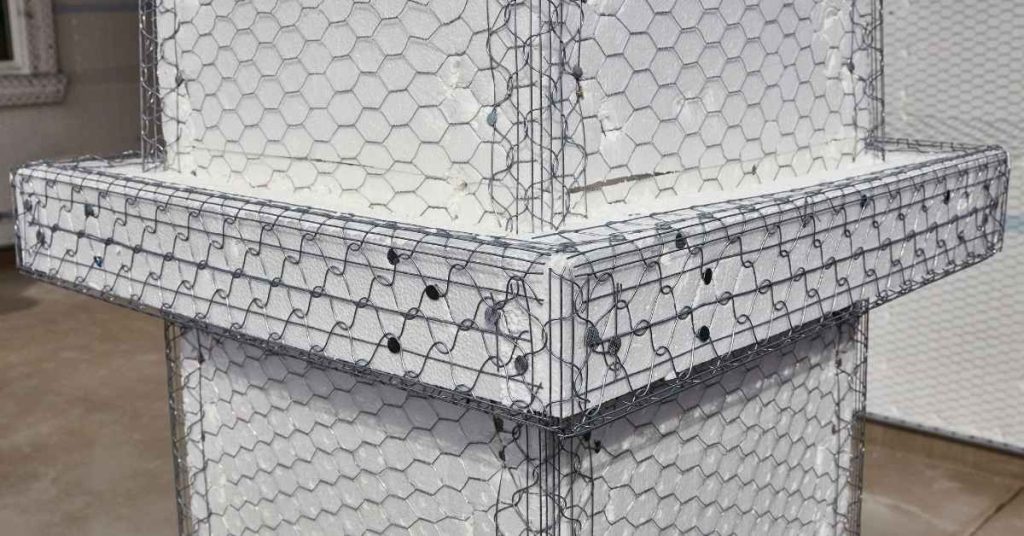
Corner of foam insulation covered with metal wire lath for stucco

Inside Corner Stucco Cracks: Reinforcement details that reduce repeat cracking

Introduction Reinforcement details inside a corner of stucco help prevent cracks from redeveloping. This article gives practical, home-friendly ways to strengthen the joint as you repair. Think of it as a light rebuilding of the corner so movement from framing or temperature doesn’t keep tearing at the surface. Start by inspecting the crack and removing

Inside Corner Stucco Cracks: Reinforcement details that reduce repeat cracking Read More »

Window with white horizontal blinds and green plants outside

Sealing Window-to-Stucco Joints: Backer rod depth and tooling that lasts

Introduction Backer rod depth and proper tooling create a durable seal between a window and stucco. The depth you choose should be guided by the joint width and the sealant you plan to use, and you must check the manufacturer’s guidelines. Using the right tooling helps the sealant lay smooth and stay in place as

Sealing Window-to-Stucco Joints: Backer rod depth and tooling that lasts Read More »

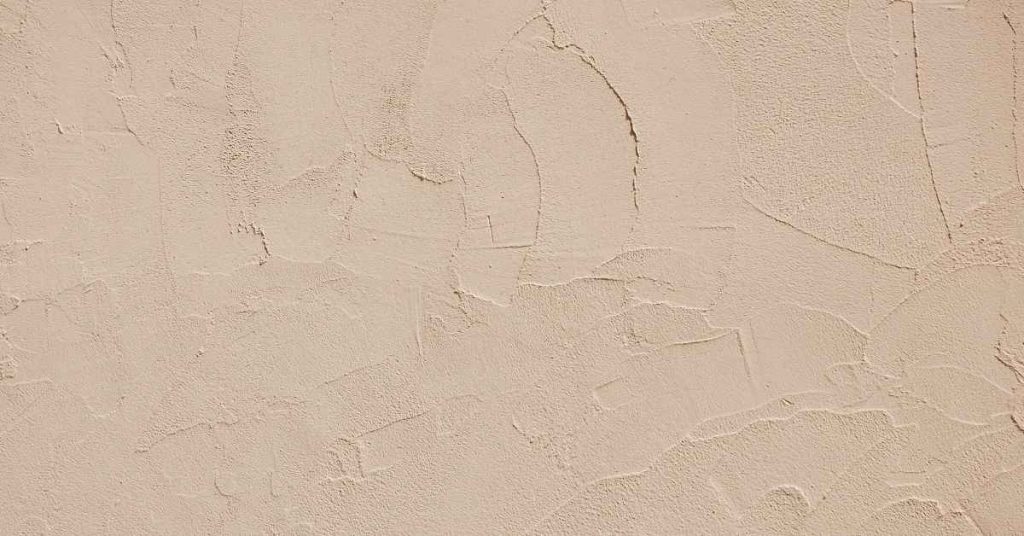
beige textured stucco wall close up

Rust Stains on Stucco: Removing iron marks without damaging the finish coat

Introduction Rust stains on stucco are iron marks that show up as reddish or orange streaks on the surface. This article explains how to remove those marks without harming the finish coat. You’ll learn practical, hands-on steps that you can try on your own wall. Start by testing a small, hidden area to ensure the

Rust Stains on Stucco: Removing iron marks without damaging the finish coat Read More »

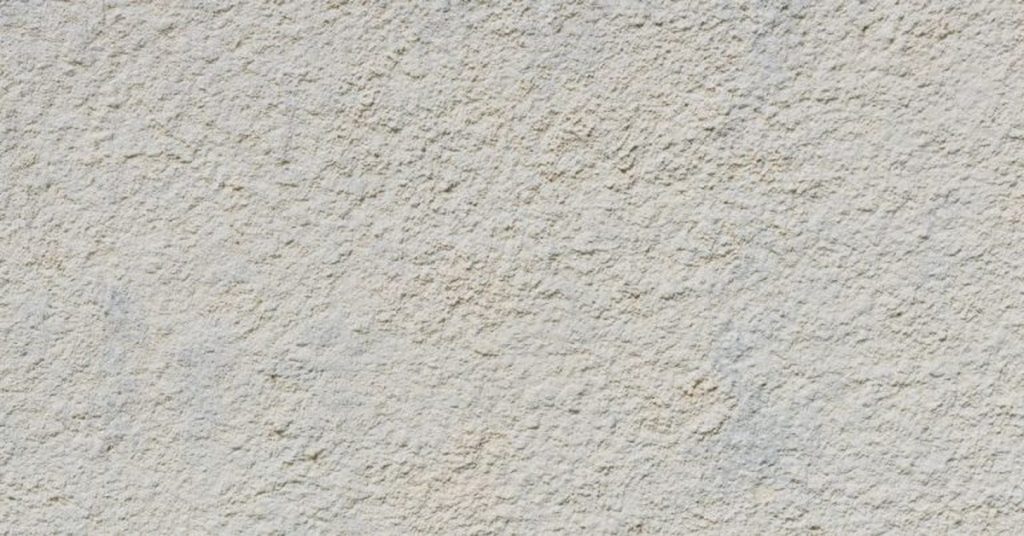
Close-up of rough light gray stucco wall texture

Stopping Mold Regrowth on Stucco: Fixing moisture sources, not just the surface

Introduction Stopping mold regrowth on stucco means addressing the moisture that feeds it, not just cleaning the surface. Mold on stucco tends to come back if you don’t fix leaks, condensation, or improper drainage. Look for obvious sources like roof or gutter leaks, cracked stucco, and flashing issues, and note what you can realistically repair

Stopping Mold Regrowth on Stucco: Fixing moisture sources, not just the surface Read More »

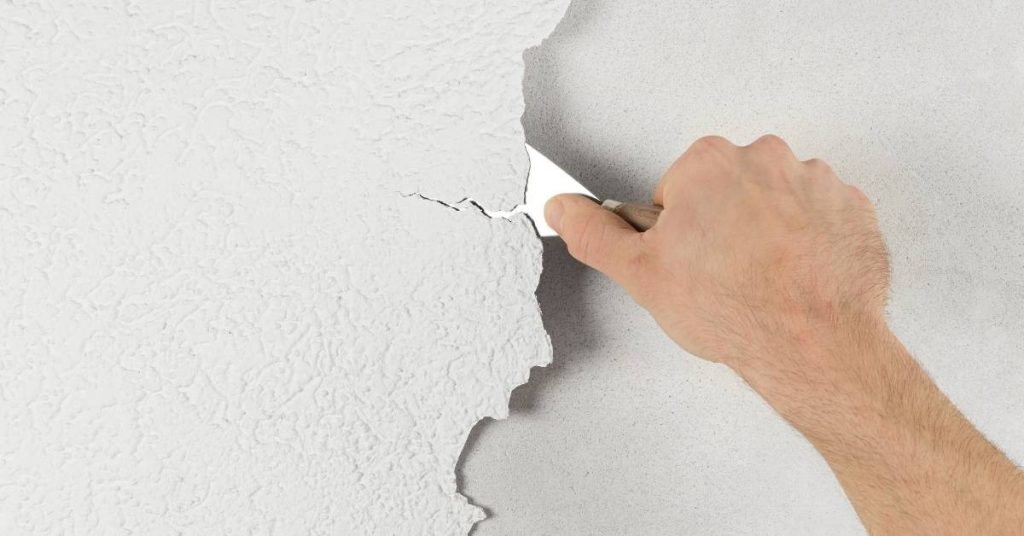
Hand scraping white stucco wall with metal scraper

Removing Algae on Stucco: Cleaning without bleaching or etching the color

Introduction Removing algae from stucco means cleaning the surface without bleaching or etching the color. You can do this with common household supplies and careful scrubbing. The goal is to lift algae without damaging texture or color. Start with a gentle cleaning solution and a soft brush, then rinse with clean water. Work in small

Removing Algae on Stucco: Cleaning without bleaching or etching the color Read More »

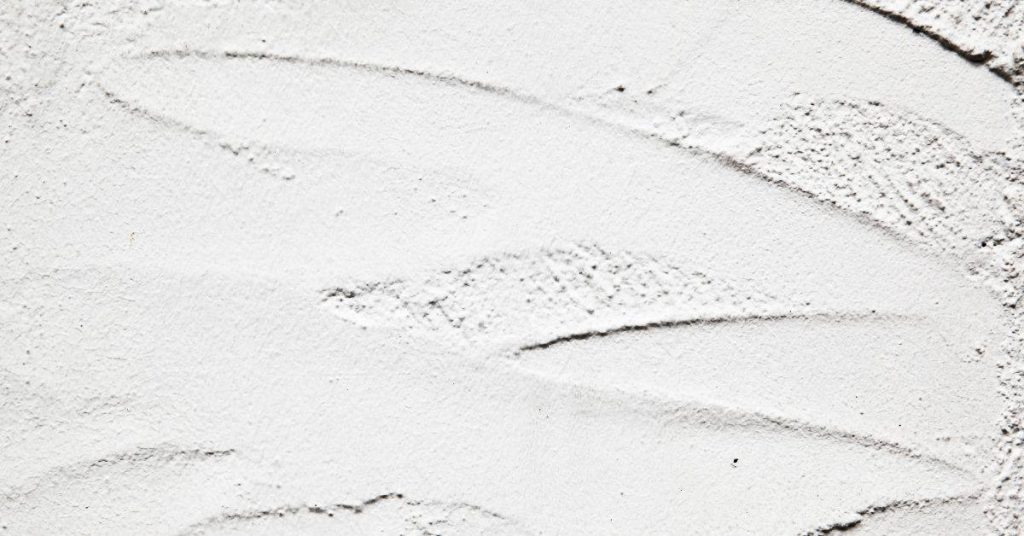
Closeup of white stucco wall texture with various trowel marks

Cleaning Stucco Safely: Pressure, detergents, and methods that don’t scar the finish

Introduction Cleaning stucco safely means removing dirt without damaging the finish. This article breaks down when to use pressure, what detergents fit, and safer techniques. It stays practical and hands-on, not a classroom lesson. Begin with a gentle approach and test a small, inconspicuous spot first. Use a mild detergent approved for stucco and a

Cleaning Stucco Safely: Pressure, detergents, and methods that don’t scar the finish Read More »

Hand applying green paint with roller on taped surface

Why Stucco Paint Peels: Coating compatibility and moisture red flags

Introduction Paint on stucco peels mainly because the coating loses adhesion from moisture or from incompatibility with the surface. That means the top layer isn’t gripping the stucco or is being pushed loose by moisture behind it. A proper diagnosis starts with checking the surface for signs of moisture and poor bonding. Before repainting, inspect

Why Stucco Paint Peels: Coating compatibility and moisture red flags Read More »