Search Results for: stucco patch

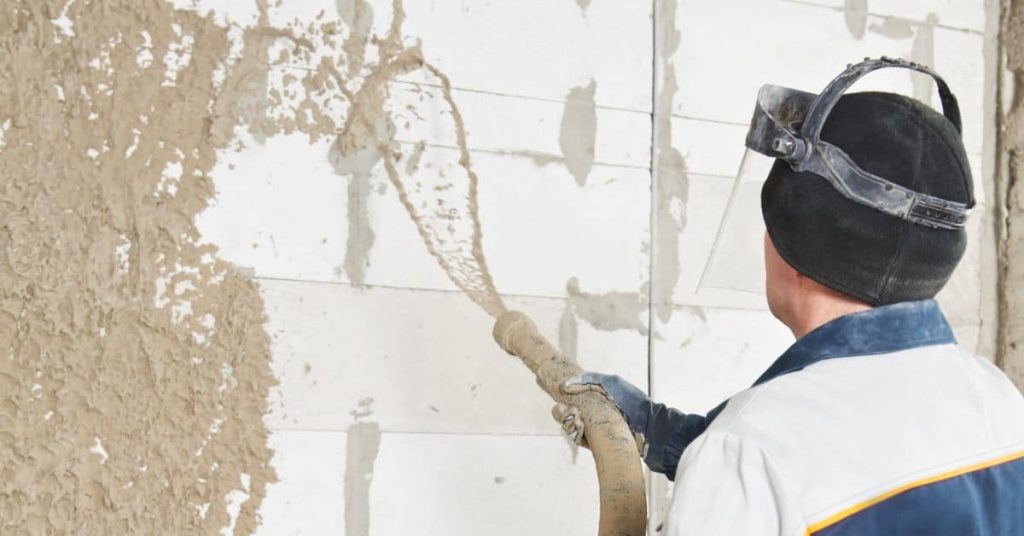
Worker spraying stucco on exterior wall

Cold-weather stucco patching: cure protection and when ‘it’ll be fine’ isn’t true

Introduction Cold-weather stucco patching is repairing damaged stucco surfaces during cold temperatures while ensuring the patch cures properly. This guide explains why curing conditions matter and how to set up the patch so it can harden without cracking. You’ll find practical, hands-on steps for a DIY approach. Cure protection means controlling moisture, warmth, and shelter […]

Cold-weather stucco patching: cure protection and when ‘it’ll be fine’ isn’t true Read More »
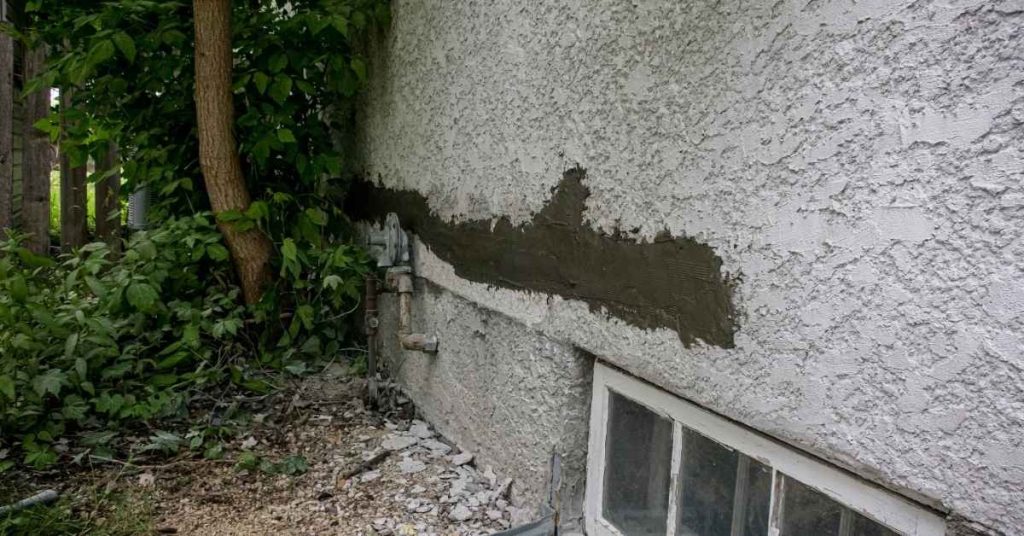
Stucco wall with fresh dark patch repair near window and vegetation

Stucco patch blends that don’t ‘picture frame’: sand matching, fog coats, and feather technique

Introduction Stucco patches can blend in by matching the sand texture, applying a light fog coat, and feathering the edges to disappear. This approach focuses on how the repair looks from close up and at a distance, not on replacing the entire wall. It’s a practical, hands-on method for making repairs less noticeable. Start by

Stucco patch blends that don’t ‘picture frame’: sand matching, fog coats, and feather technique Read More »

Person spraying stucco onto brick wall with hose

Stucco Patch Failures from Suction: Pre-Wet Rules and Bonding Timing

Introduction Suction in stucco patching happens when the surface draws water away as the patch cures, which can lead to poor bonding. Pre-wet rules help control the moisture draw so the patch cures with intact adhesion. Follow basic guidelines on dampening the area and feeling the surface moisture before applying patch material. Bonding timing matters:

Stucco Patch Failures from Suction: Pre-Wet Rules and Bonding Timing Read More »

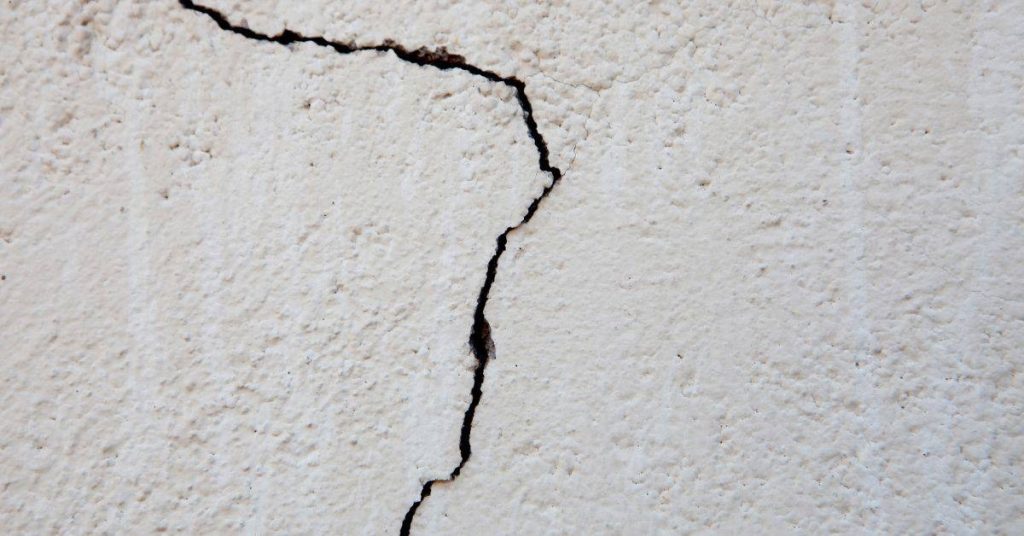
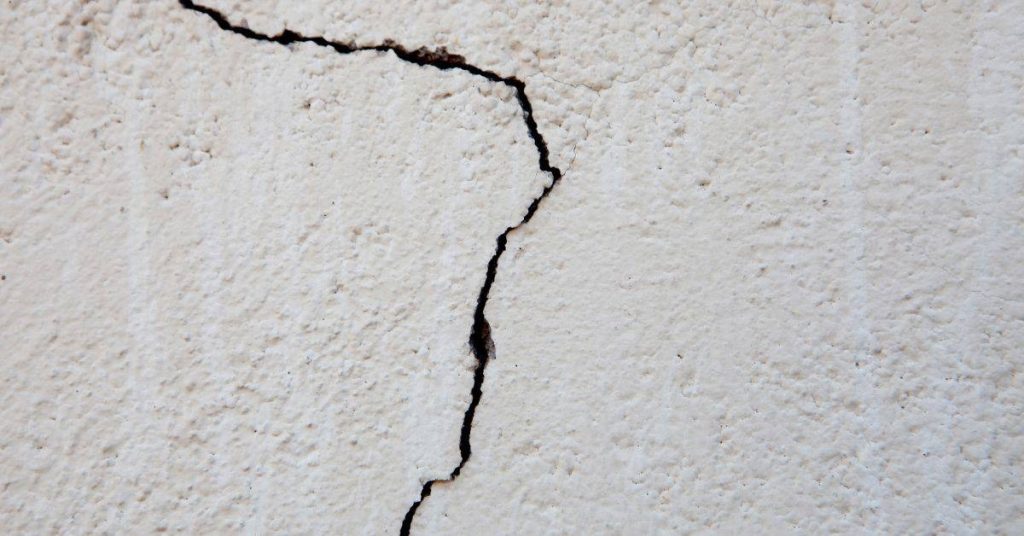
Closeup of stucco surface with a visible crack

Curing Stucco Patches in Heat and Wind: Mist Schedules and Weak-Finish Prevention

Introduction Curings stucco patches in heat and wind means maintaining a light, frequent mist to keep the surface from drying too fast and cracking. Misting is usually done on a schedule you adjust to the day, shielding the patch from direct sun when needed. Always monitor the patch for dryness, and check product and local

Curing Stucco Patches in Heat and Wind: Mist Schedules and Weak-Finish Prevention Read More »

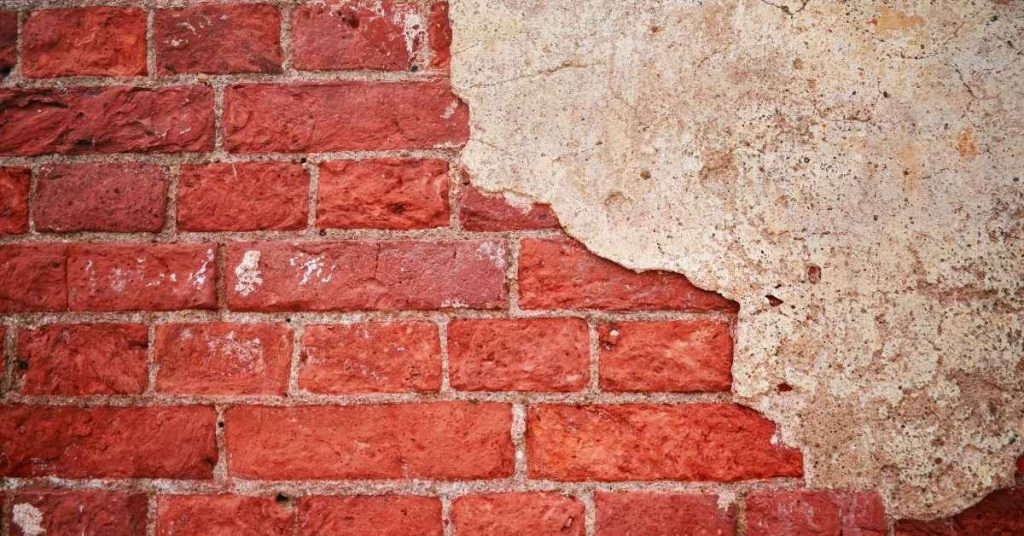
Peeling stucco on red brick wall

Stucco Patch Cracks That Reappear: Movement vs Shrinkage and How to Tell

Introduction Cracks that reappear after patching are usually caused by movement or shrinkage in the stucco system. You can tell them apart by looking at how the crack ran and what the surrounding area did over time; movement cracks often change with structure or temperature, while shrinkage cracks stay smaller and more uniform. To start,

Stucco Patch Cracks That Reappear: Movement vs Shrinkage and How to Tell Read More »

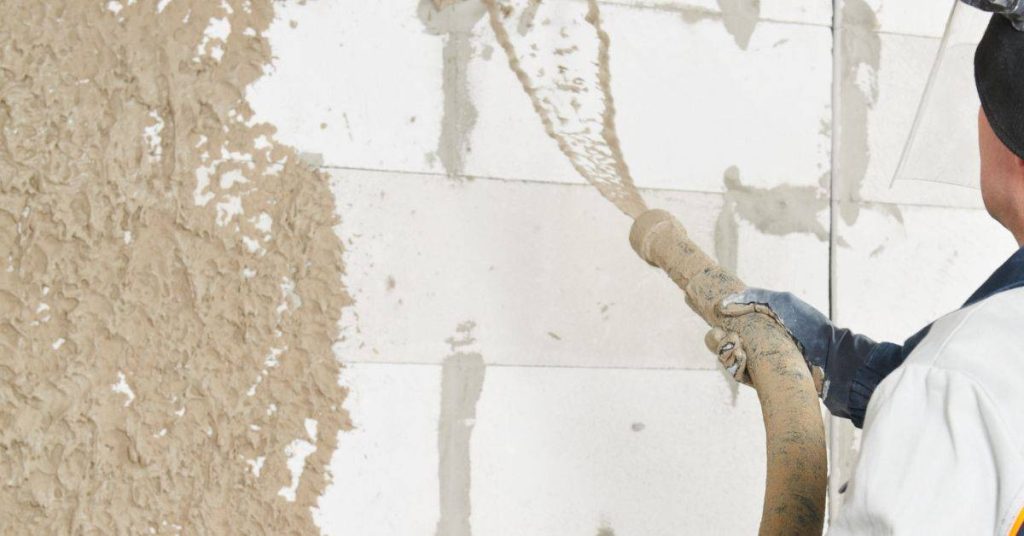
Person spraying stucco mixture onto a wall

How to Fix a Stucco Patch That Dries Too Fast: Pre-Wetting and Cure Mist Schedules

Introduction Pre-wetting and cure mist schedules help control how fast a stucco patch dries. This simple approach keeps the patch workable and reduces cracking. Set up a light dampening routine and watch for a smooth, even surface as you work. Common causes of rapid drying are sun exposure, wind, and heat on the patch area.

How to Fix a Stucco Patch That Dries Too Fast: Pre-Wetting and Cure Mist Schedules Read More »

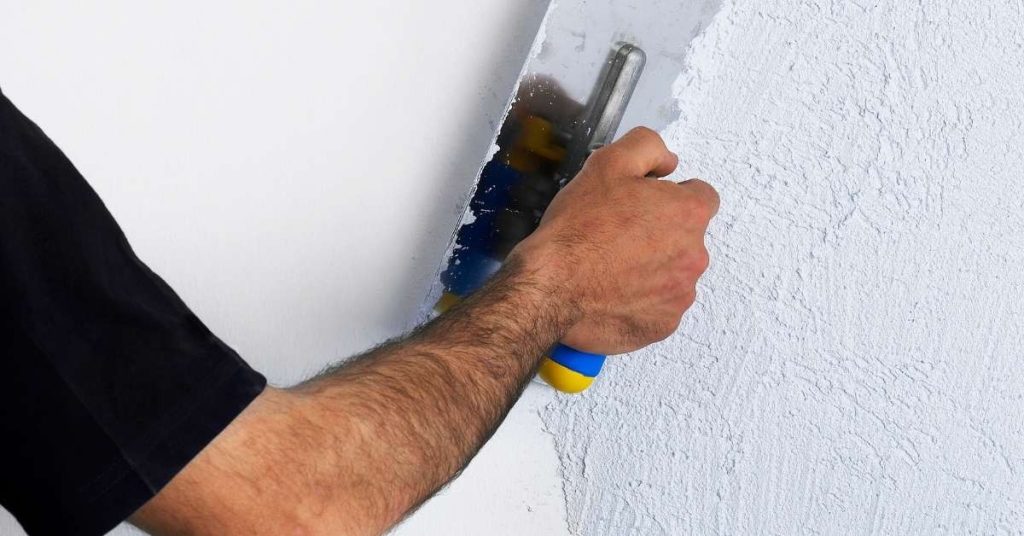
Hand applying textured plaster finish on wall with trowel

Stucco Patch Curing: Misting Schedules That Prevent Weak, Dusty Finish Coats

Introduction Misting during curing helps prevent weak, dusty finish coats on stucco patches. A light, even spray keeps the surface from drying too fast and pulling water away from the patch. Keep it consistent and watch for a slightly damp look without pooling. Set a gentle misting routine and stick with it for the full

Stucco Patch Curing: Misting Schedules That Prevent Weak, Dusty Finish Coats Read More »

Closeup of cracked white stucco wall texture

Stucco Patch Color Matching: Avoiding halos and obvious repair rings

Introduction Color matching stucco patches means blending the new patch with the existing wall so it looks seamless. Start by inspecting the surface, note the shade under natural light, and compare small test spots. Plan to mix from the same material and apply in thin layers to avoid halos. Feather the edges and apply thin,

Stucco Patch Color Matching: Avoiding halos and obvious repair rings Read More »

Close-up of wrinkled burlap fabric texture in natural brown color

Stucco Patch Blending: Matching texture so it doesn’t flash in sunlight

Introduction Stucco patch blending is the process of making a new patch texture match the existing wall so it doesn’t flash in sunlight. Keep the goal simple: blend edges, lay color or texture subtly, and avoid obvious patches. Work in small, incremental steps and compare under the sun as you go. Check the patch material

Stucco Patch Blending: Matching texture so it doesn’t flash in sunlight Read More »