Search Results for: stucco patch

Worker applying plaster over blue mesh on wall

Mesh Reinforcement for Stucco Patches: Overlaps, thickness, and common mistakes

Introduction Mesh reinforcement for stucco patches is a fabric mesh laid over the repair to help hold the patch in place. Follow the mesh overlap guidelines from the product label or manufacturer and ensure the mesh extends beyond the patch edges. Use the correct patch thickness and mesh type as directed, and verify compatibility with […]

Mesh Reinforcement for Stucco Patches: Overlaps, thickness, and common mistakes Read More »

Close up of blue painted stucco wall texture

Stucco Patches on Painted Surfaces: Bonding Agents, Scratch Keys, and When to Strip Paint

Introduction This article explains how to patch stucco on painted surfaces, including prep, bonding, and deciding when to strip paint. It covers bonding agents, scratch keys, and the little checks you need to avoid a failed patch. Keep it DIY-friendly with practical steps you can do on a weekend. Start by inspecting the painted area

Stucco Patches on Painted Surfaces: Bonding Agents, Scratch Keys, and When to Strip Paint Read More »

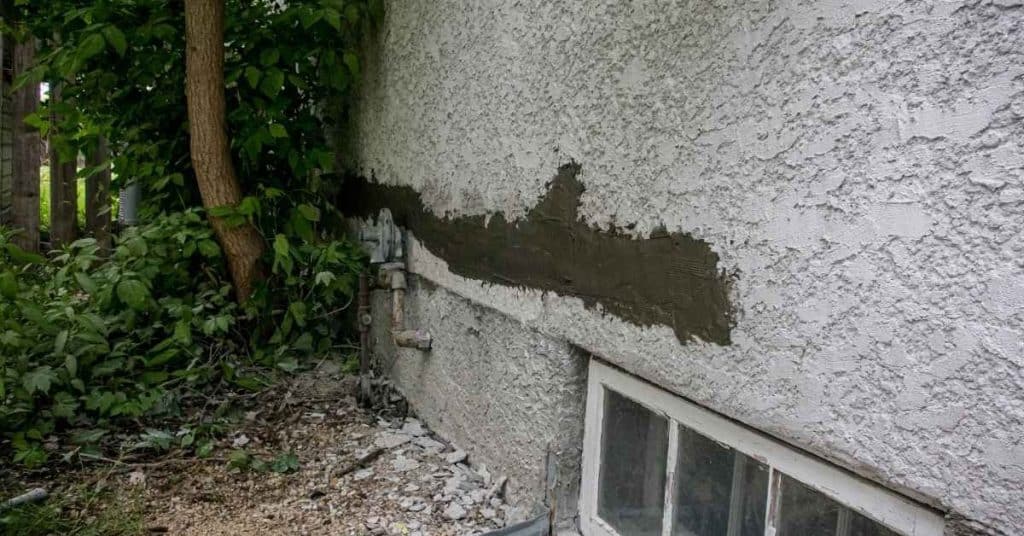
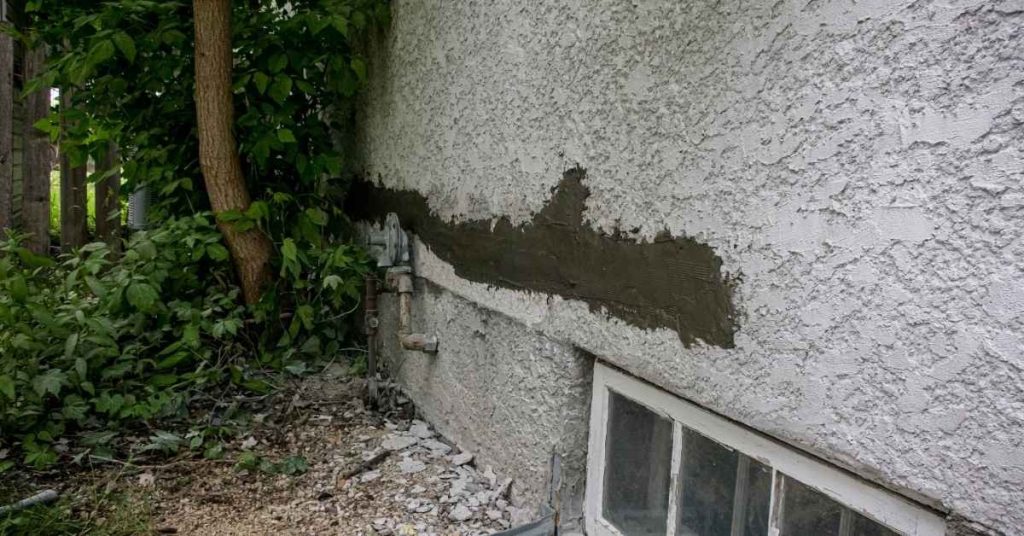
Exterior stucco wall with fresh dark patch above basement window

DIY Stucco Patch Color Matching: Making Test Tiles and Accounting for Cure Darkening

Introduction DIY stucco patch color matching means creating small test tiles to compare color before applying a patch, then adjust for curing changes. You’ll mix a small batch, apply it to a sample board or patch, and let it cure in the same conditions as the repair. Compare the dried tile to nearby surfaces and

DIY Stucco Patch Color Matching: Making Test Tiles and Accounting for Cure Darkening Read More »

Stucco Patch Curing Stains: How to Reduce “Dark Rings” Around Repairs

Stucco Patch Curing Stains: How to Reduce “Dark Rings” Around Repairs

Introduction Dark rings around stucco repairs are staining caused by moisture during the curing process. This article calls out a practical, hands-on approach to reduce those stains while you patch. What you do and when you do it matters for a cleaner, longer-lasting repair. Plan ahead for weather, especially in Eugene, and keep the surface

Stucco Patch Curing Stains: How to Reduce “Dark Rings” Around Repairs Read More »

Stucco Patches That “flash”: How to Blend Texture and Color Without Repainting the Whole Wall

Stucco Patches That “flash”: How to Blend Texture and Color Without Repainting the Whole Wall

Introduction You can patch and blend stucco so the patch matches the texture and color without repainting the whole wall. This guide walks through practical steps for matching texture and color, blending edges, selecting appropriate finishes, and evaluating when a patch will look seamless. Key takeaways Identify flashing: moisture-wicking sheen and mineral deposits highlight patch

Stucco Patches That “flash”: How to Blend Texture and Color Without Repainting the Whole Wall Read More »

Exterior stucco wall with scaffolding set up for repair

Patching stucco after plumbing repairs: backing methods that prevent a soft spot

Introduction Backing methods for patching stucco after plumbing repairs provide support under the patch to keep it solid. They help prevent sagging or settling as the repair dries and cures. Choose a backing that fits behind the stucco and works with the existing wall. Place the backing so it sits behind the new stucco and

Patching stucco after plumbing repairs: backing methods that prevent a soft spot Read More »

Close-up of damaged stucco wall with peeling and exposed underlying surface

Bulging or hollow stucco spots: tap testing, cut windows, and when patching is a trap

Introduction Bulging or hollow spots in stucco indicate hidden voids or moisture behind the surface. Use a light tapping test to distinguish solid backing from hollow areas, and treat any suspect spot as a sign to inspect further. Avoid rushing to patch; confirm what you’re dealing with before sealing. If you decide to open a

Bulging or hollow stucco spots: tap testing, cut windows, and when patching is a trap Read More »

White stucco wall with green ivy growing on left side

Hiding awkward stucco control joints: layout tricks for patches and additions

Introduction A control joint in stucco is a designed gap that guides cracking and movement. Hiding it during patches and additions means planning the patch layout so the joint sits where it won’t stand out. This article walks through practical layout tricks you can use in the field. , but we must not include comma

Hiding awkward stucco control joints: layout tricks for patches and additions Read More »

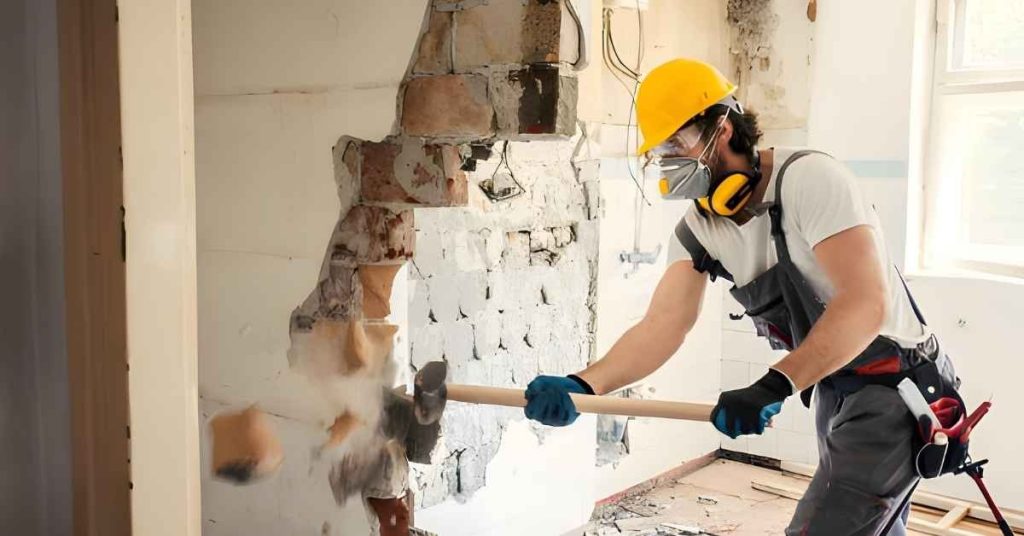
Worker with sledgehammer demolishing interior wall

Hollow-Sounding Stucco: Tap Testing, Cut Windows, and When to Stop Spot-Patching

Introduction Hollow-Sounding stucco occurs when tapping the surface reveals a hollow or loose layer beneath the finish. It’s a signal that the underlying material or lath may be compromised. Listen and feel for soft spots, and note where the sound changes as you tap around the area. Start with surface preparation by removing loose material

Hollow-Sounding Stucco: Tap Testing, Cut Windows, and When to Stop Spot-Patching Read More »