Search Results for: stucco patch

Close-up of blue painted stucco wall texture

Patch “Picture Framing” on Painted Stucco: Prime Zones and Feathered Coating Steps

Introduction Patch “Picture Framing” on painted stucco means touching up small areas so the patch blends with the surrounding paint while keeping the texture. This guide introduces how to spot the framing, choose basic tools, and apply a feathered coat with primer over patches. Keep it practical and straightforward, like a real hands-on repair. Before […]

Patch “Picture Framing” on Painted Stucco: Prime Zones and Feathered Coating Steps Read More »
Close-up of rough stucco wall texture in neutral color

Blending Stucco Texture on Large Patches: Avoiding the “Panel” Look in Sunlight

Introduction Blending stucco texture on large patches means creating a continuous, uniform surface that hides seams and avoids the “panel” look when sunlight hits the wall. This article keeps things practical for DIY homeowners, focusing on how to feather textures, work in stages, and check for consistent saturation. You’ll want to match the base coat,

Blending Stucco Texture on Large Patches: Avoiding the “Panel” Look in Sunlight Read More »

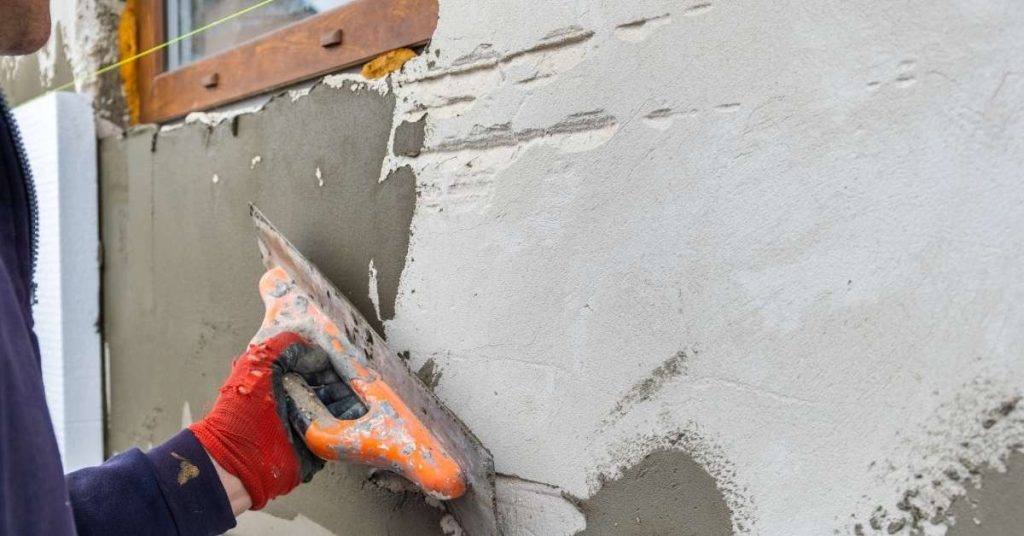
Person applying stucco to exterior wall with trowel

How Thick Is Your Stucco? Measuring Without Full Demo (and Patching Cleanly)

Introduction Measuring stucco thickness without full demolition means estimating how thick the outer layer sits on the wall. In plain terms, you’re looking for clues you can verify without tearing the surface apart. Use simple tools and a careful approach to avoid creating new cracks or exposing the substrate. Tools you can rely on include

How Thick Is Your Stucco? Measuring Without Full Demo (and Patching Cleanly) Read More »

Closeup of rough stucco texture with grooves and patches

Dash-and-Lace Stucco Repairs: Hiding Patches Under Raking Light

Introduction Dash-and-Lace Stucco Repairs are patch-and-texture fixes designed to hide patches when light hits the wall. This hand-on method relies on small, deliberate texture changes to blend repairs with the surrounding surface under raking light. It’s a straightforward, bottom-line approach you can do with basic tools and patience. Work up-close so you can see the

Dash-and-Lace Stucco Repairs: Hiding Patches Under Raking Light Read More »

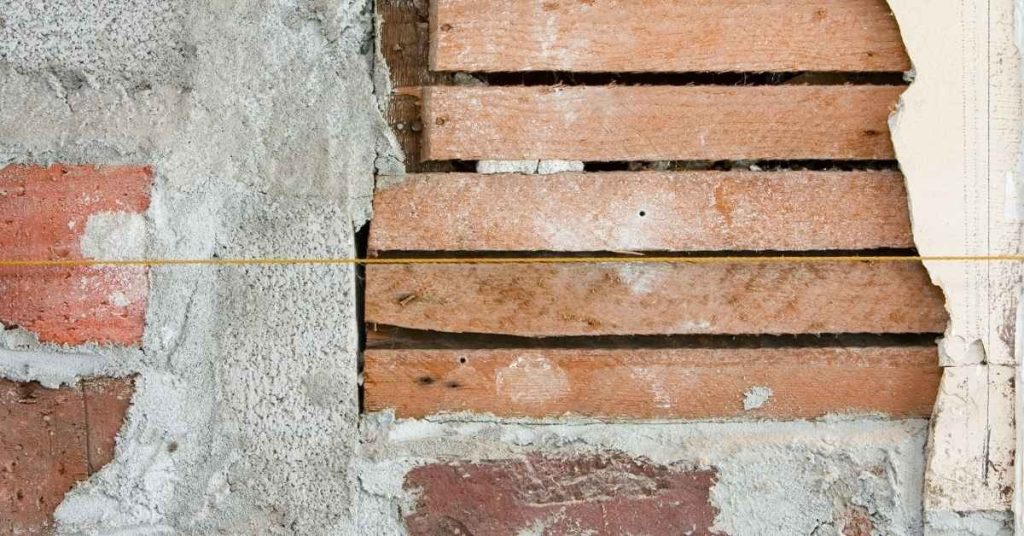
Exposed wooden lath under cracked plaster wall section

Rusting Stucco Lath in a Patch: Safe Cutback Limits and Better Refastening

Introduction Rusting stucco lath in a patch means the metal lath under the plaster has corroded and loosened, reducing support for the patch. That corrosion can cause the patch to crack or fall away if not addressed. Start by pulling back loose plaster and securing any loose lath pieces, then replace or tie back missing

Rusting Stucco Lath in a Patch: Safe Cutback Limits and Better Refastening Read More »

Person spraying paint on white interior wall wearing protective gear

Painting Stucco After Patch Repairs: Timing, Primers, and Avoiding Halo Rings

Introduction Painting stucco after patch repairs means applying a fresh coat once patched areas have fully cured to protect and blend with the rest of the wall. Treat the patched spots as part of the surface and plan for color uniformity across the whole wall. Avoid rushing the cure; follow product labels and local rules

Painting Stucco After Patch Repairs: Timing, Primers, and Avoiding Halo Rings Read More »

Close-up of light gray rough stucco texture

Stucco Texture Matching on Large Patches: How to Avoid ‘Panel’ Look in Sunlight

Introduction Texture matching on large stucco patches is about blending new material with the existing surface so it doesn’t read as separate panels when sunlight hits it. Work in manageable areas, keep the texture consistent, and feather the edges so the changeover isn’t obvious. If you see a mismatch, adjust trowel pressure, use a compatible

Stucco Texture Matching on Large Patches: How to Avoid ‘Panel’ Look in Sunlight Read More »

Weathered pink stucco wall with discoloration and patches

Acrylic Finish Coats (Synthetic Stucco): When They’re Appropriate and How to Avoid Plastic-Looking Patches

Introduction Acrylic finish coats are a synthetic stucco layer applied to exterior walls for a hard, weather-resistant surface. They’re appropriate when you want a durable, low-maintenance outer coat that can flex with shifting framing. Choose a system that matches your substrate and climate, and verify guidance from the manufacturer or local rules. The installation steps

Acrylic Finish Coats (Synthetic Stucco): When They’re Appropriate and How to Avoid Plastic-Looking Patches Read More »

Hand marking wall with pencil next to electronic stud finder

How to Measure Stucco Thickness Without Demo: Probe Holes, Depth Gauges, and Patching Cleanly

Introduction Measuring stucco thickness without removing it means checking how thick the outer layer is using probes, gauges, and careful patching. You’ll learn to use probe holes and depth gauges to estimate thickness and plan repairs. This article keeps things practical and safe for DIY homeowners. Tools needed for measuring stucco thickness include a probe

How to Measure Stucco Thickness Without Demo: Probe Holes, Depth Gauges, and Patching Cleanly Read More »

Light gray rough stucco texture with uneven surface

Hot Weather Stucco Repairs: Preventing shrink cracks and weak patches

Introduction Hot weather stucco repairs are fixes done when heat causes the mix to dry too fast, increasing shrinkage and weak patches. Try to schedule work for the cooler parts of the day and keep the surface damp as you go. Always follow the product label and local guidelines for curing and application. Key takeaways

Hot Weather Stucco Repairs: Preventing shrink cracks and weak patches Read More »