Search Results for: stucco patch

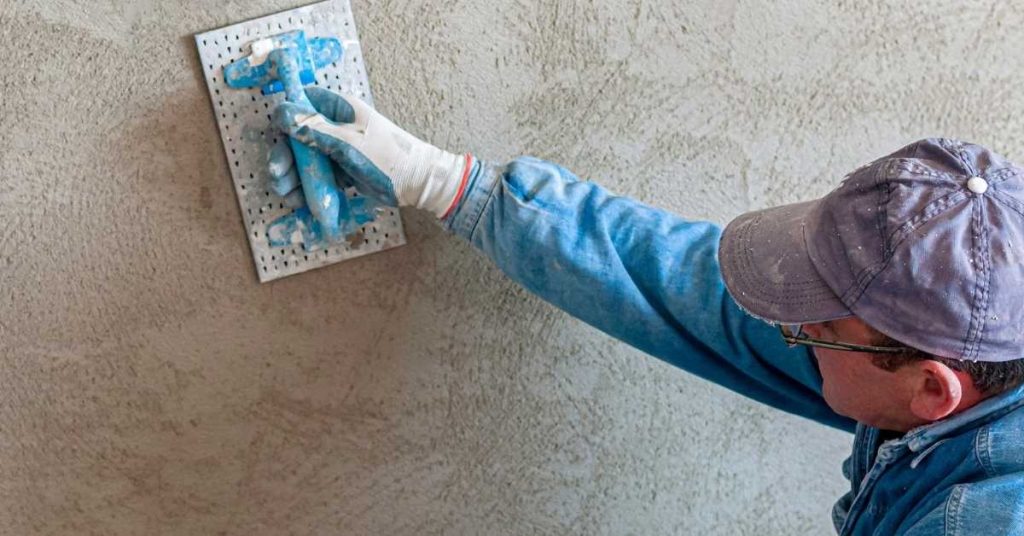
Person applying skip-trowel stucco texture with trowel

Matching Lace and Skip-Trowel Stucco: Hand Techniques That Hide Patch Edges

Introduction Matching lace and skip-trowel stucco means using hand tools and mixing consistency to recreate the same rhythm of bumps and voids so patch edges disappear into the existing wall. I’ll describe the basic hand techniques, the common tools and materials you’ll need, and what to watch for so the repair blends instead of standing […]

Matching Lace and Skip-Trowel Stucco: Hand Techniques That Hide Patch Edges Read More »
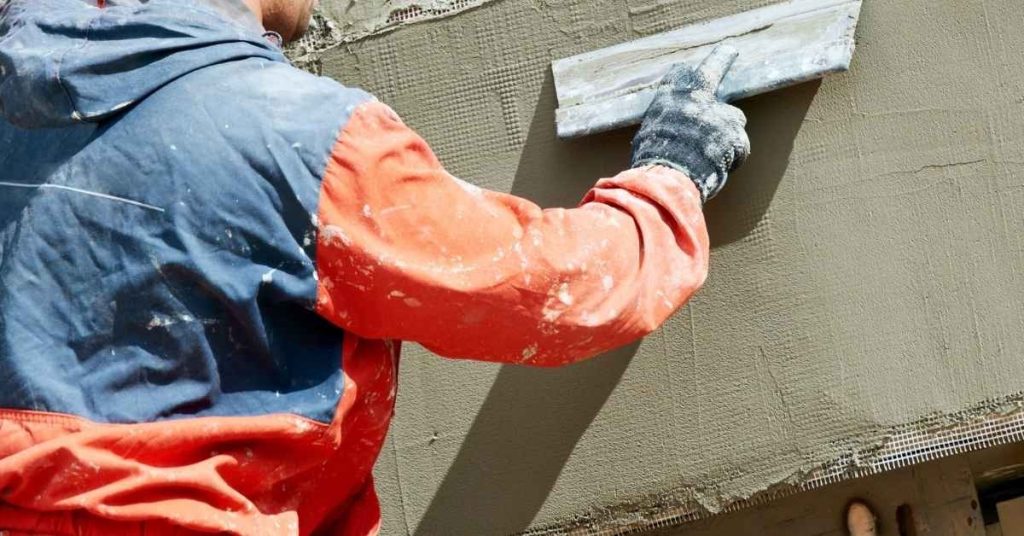
Worker smoothing fresh stucco on wall with trowel

Using Acrylic-Modified Stucco for Patches: Where It’s Smart and Where It Causes Issues

Introduction Acrylic-modified stucco is a cement-lime stucco mix blended with acrylic polymers to improve adhesion and flexibility for patching and thin coats. In plain jobsite terms, it sticks better to sound substrates and tolerates slight movement more than plain cement stucco, but check the product label and manufacturer instructions for proper uses and mixing. Use

Using Acrylic-Modified Stucco for Patches: Where It’s Smart and Where It Causes Issues Read More »

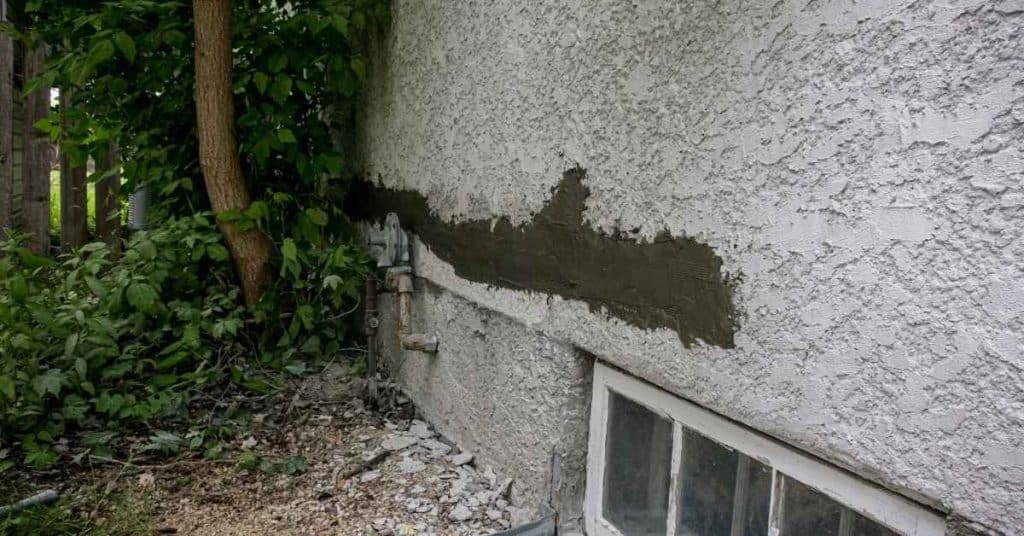
Stucco wall with fresh patch above basement window

How to Patch Stucco Where Lath Is Rusting: Cutback Limits, Fastener Choices, and Rebuild

Introduction This guide shows how to patch stucco when the metal lath under it is rusting. You’ll assess the damage, remove deteriorated material, and prepare the surface for repair. Keep the work conservative and follow safety and building guidance as you go. Cutback limits depend on the substrate and structure, so check manufacturer instructions and

How to Patch Stucco Where Lath Is Rusting: Cutback Limits, Fastener Choices, and Rebuild Read More »

Close-up of rough stucco dash finish texture surface

Stucco Texture Blending 101: How to Hide a Patch in Sand Float, Dash, and Lace Finishes

Introduction Stucco texture blending is the art of disguising a repair by matching texture and sheen under common finishes like sand float, dash, and lace. Treat the patch as a small project inside the bigger wall, plan to feather edges and adjust trowel pressure. Start by inspecting the surrounding texture and choosing a blending technique

Stucco Texture Blending 101: How to Hide a Patch in Sand Float, Dash, and Lace Finishes Read More »

Stucco wall with a long patch near basement window

Fixing Hollow-Sounding Stucco: When to Patch vs When to Rebuild

Introduction Hollow-sounding stucco means the outer layer isn’t firmly attached to the wall and loose areas rattle. For small, localized hollows, you can patch; for wide or underlying damage, you’ll likely need to rebuild the affected area. This is a hands-on decision that depends on what’s beneath the surface and how stable the substrate feels.

Fixing Hollow-Sounding Stucco: When to Patch vs When to Rebuild Read More »

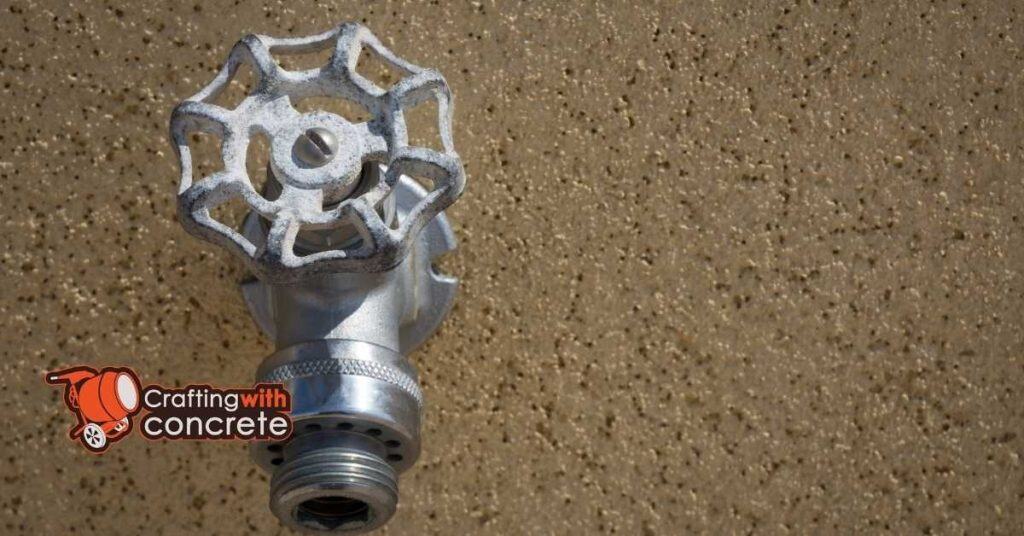
Outdoor metal hose bib mounted on brown stucco wall

Repairing Stucco Around Pipes and Hose Bibs: Patch Details That Don’t Leak

Introduction Repairing stucco around pipes and hose bibs means sealing cracks and gaps so water can’t leak into the wall where pipes and faucets pass through. This is a hands-on fix you can do with basic tools, mindful preparation, and flush paint-matched patches. Check that you’re using the right patch material for your climate and

Repairing Stucco Around Pipes and Hose Bibs: Patch Details That Don’t Leak Read More »

close-up of blue textured stucco wall surface

How to Patch Small Stucco Cracks That Keep Coming Back

Introduction Recurring small stucco cracks can be patched, but success depends on whether movement has stopped. Common DIY methods include caulking, meshing with reinforcement, or applying a new coat over the repaired area. Before you patch, assess how many cracks there are and whether they seem to be spreading, which guides your method. Expect patches

How to Patch Small Stucco Cracks That Keep Coming Back Read More »

Stucco Color Coat Repairs: Why They Fail and How to Avoid Weak “Skim” Patches

Stucco Color Coat Repairs: Why They Fail and How to Avoid Weak “Skim” Patches

Introduction A Stucco Color Coat Repair is fixing the top stucco layer to seal cracks and restore the surface. This kind of patch relies on proper surface prep, compatible material, and a smooth skim to blend with the surrounding wall. If the skim is weak, patches can crack, delaminate, or look obvious. You’ll need basic

Stucco Color Coat Repairs: Why They Fail and How to Avoid Weak “Skim” Patches Read More »

Exterior view of house with stucco finish and brown tile roof

Kickout Flashing Integration with Stucco: What to Verify Before You Patch Cracks

Introduction Verify kickout flashing integration with stucco before patching cracks to prevent moisture intrusion. The guide explains what to check in practical terms and why these checks matter for durability. It also outlines how to approach inspection, sequencing, and alignment of flashing, stucco, and sealants before patching cracks. Key takeaways Verify proper kickout flashing location

Kickout Flashing Integration with Stucco: What to Verify Before You Patch Cracks Read More »