Search Results for: silica sand for drying

Paint roller applying black sealer on concrete surface

Concrete Countertop Sealer Types: Food Safety, Heat Resistance, and Maintenance

Introduction Sealant choices for concrete countertops are finishes that protect the surface and influence food safety, heat handling, and ongoing upkeep. Look for products with clear food safety certifications or food-contact suitability on the label, and note how easy they are to apply with a roller or brush. These finishes should resist staining and be […]

Concrete Countertop Sealer Types: Food Safety, Heat Resistance, and Maintenance Read More »

Closeup of red brick wall with mortar joints

Type N vs Type S Mortar: Which One to Use for Block, Brick, and Stone

Introduction Type N mortar is a medium-strength masonry mix used for general-purpose joints. It balances workability with enough strength for blocks, bricks, and stone in typical home projects. Check the product label and local requirements to confirm it fits your wall type and curing needs. Type S mortar is a higher-strength option that resists higher

Type N vs Type S Mortar: Which One to Use for Block, Brick, and Stone Read More »

Bucket with mortar mixing paddle and hand tools inside

Grout vs Mortar vs Thinset: Picking the Right Material for Each Job

Introduction Grout, mortar, and thinset are three distinct masonry materials used for different jobs: grout fills gaps between tiles, mortar binds bricks or blocks, and thinset is a cement-based adhesive for setting tiles. In DIY work, choose based on whether you need bonding, filling, or leveling, and adjust for indoor vs outdoor use. Standard blends

Grout vs Mortar vs Thinset: Picking the Right Material for Each Job Read More »

Two black rectangular planters with green plants outside white house

Ferrocement Planters and Thin Structures: Mesh Layout, Mortar Mix, and Curing

Introduction Ferrocement is a thin, reinforced cement mortar system that uses mesh and a cementitious mix to build lightweight, curved shells like planters. It relies on multiple coats and a strong mesh lattice to hold shape and resist cracking. It’s a hands-on technique that you can adapt for small DIY projects, with attention to formwork

Ferrocement Planters and Thin Structures: Mesh Layout, Mortar Mix, and Curing Read More »

polished concrete floor in industrial style living room

Cellular Concrete vs Gravel Fill for Basement Floors: Cost, Performance, and Moisture Behavior

Introduction Cellular concrete is a lightweight foamed concrete option, while gravel fill is compacted crushed stone. This article compares them in terms of cost, moisture behavior, and performance for a DIY basement floor. Keep in mind that installation methods vary widely depending on local rules and material specifications. Costs depend on material and labor, and

Cellular Concrete vs Gravel Fill for Basement Floors: Cost, Performance, and Moisture Behavior Read More »

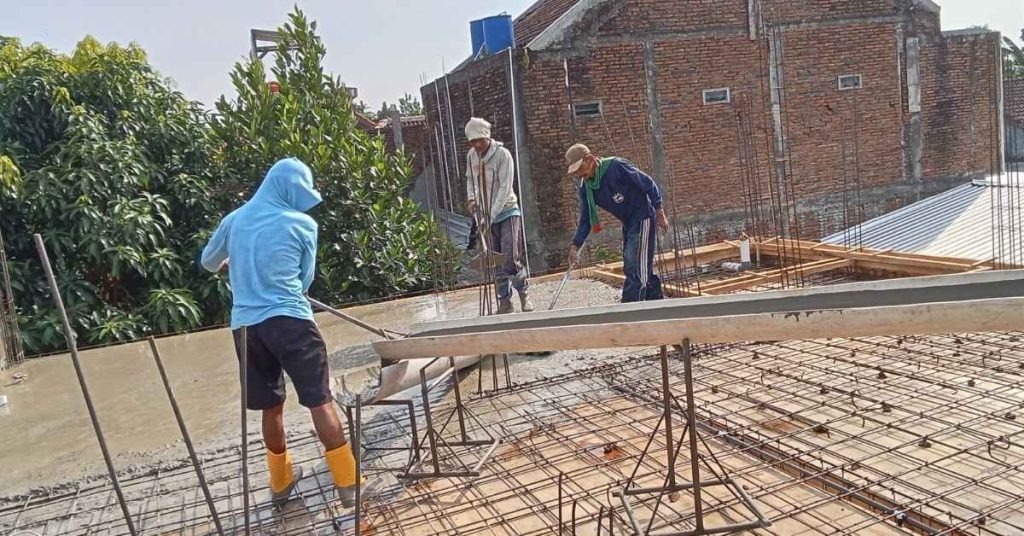
Workers pouring concrete over dense rebar on construction site

SCC vs Regular Concrete: Best Uses in Dense Rebar (and Can You DIY It?)

Introduction SCC, or self-consolidating concrete, is a flowable mix that settles around dense rebar without vibration. For DIY, this means less hammering and fewer air pockets, but you still need good formwork and clean rebar. Always check the product label and local rules for any restrictions or requirements on your project. Advantages and disadvantages depend

SCC vs Regular Concrete: Best Uses in Dense Rebar (and Can You DIY It?) Read More »

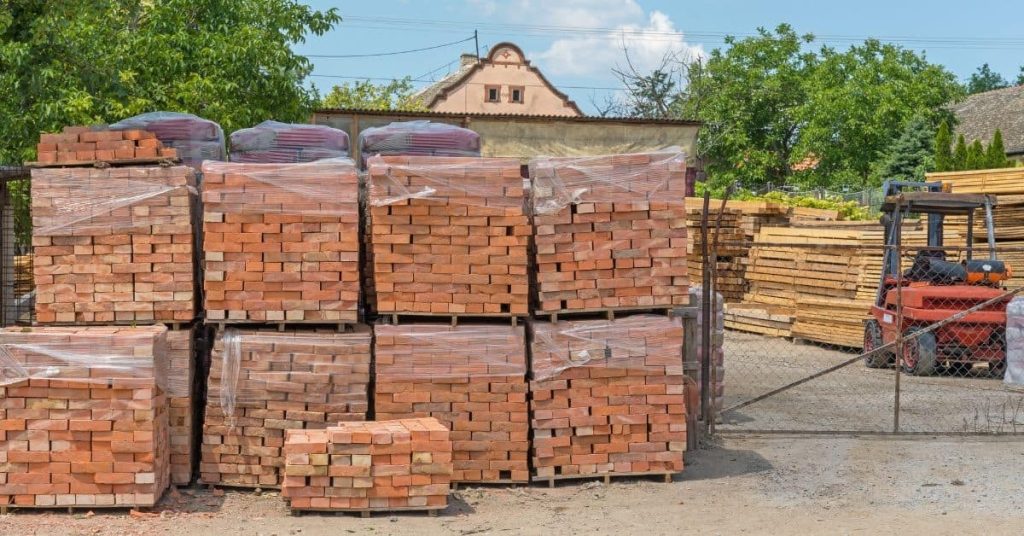
Stacks of red bricks wrapped on wooden pallets outdoors

Alternative Building Materials Compared: Hempcrete, Limecrete, Rammed Earth, and Geopolymer

Introduction This article compares hempcrete, limecrete, rammed earth, and geopolymer concrete as alternative building materials. In plain terms, these are non-traditional mixes and methods used for walls, floors, and envelopes in DIY projects. If you’re planning a project, check product labels, manufacturer instructions, and local rules for guidance on handling, curing, and compatibility with other

Alternative Building Materials Compared: Hempcrete, Limecrete, Rammed Earth, and Geopolymer Read More »

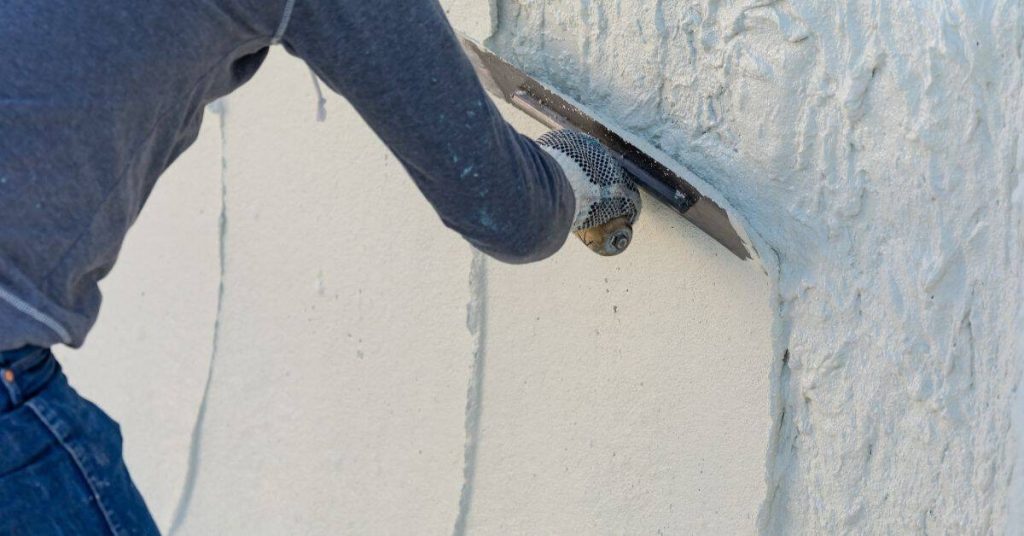
Person smoothing stucco on exterior wall with trowel

Drainage Stucco vs Barrier Stucco: How to Tell What You Have on Your House

Introduction Drainage stucco is a cladding system designed to let water that gets behind the finish drain out, while barrier stucco is meant to shed water at the surface and keep moisture out; that’s the practical difference. Think of drainage as a layered system with a gap or channels to manage moisture and barrier as

Drainage Stucco vs Barrier Stucco: How to Tell What You Have on Your House Read More »

Hand holding paint roller with rusty orange paint near old paint-splattered ladder

Clay Plaster Pigments: Color Mixing, Mottling Control, and How to Test Panels

Introduction Clay plaster pigments are natural earths and oxides mixed into clay-rich binders to tint finishes, and color control comes down to careful mixing, testing, and understanding how clay and additives shift hue and value. For DIY panels, make small test boards, try layered thin coats, and note drying color versus wet—check product labels and

Clay Plaster Pigments: Color Mixing, Mottling Control, and How to Test Panels Read More »